 11
11
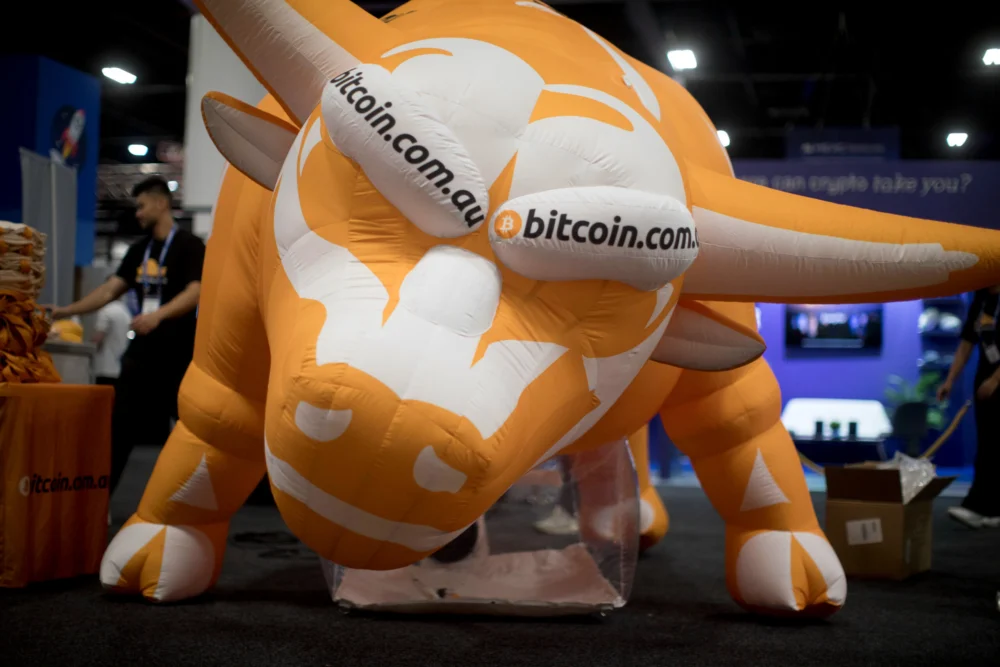
A potential resurgence for Bitcoin is capturing the attention of cryptocurrency investors and market watchers. As the digital currency kicks off what could be its latest winning week, industry experts are offering insights into its current trajectory and its role as a potential hedge against geopolitical uncertainty. Simeon Hyman, Global Investment Strategist at ProShares, highlighted a bullish Bitcoin trend during a recent appearance on CNBC’s "ETF Edge," noting its performance relative to traditional assets amidst escalating global tensions.
"If you look at bitcoin, it’s up a little bit and equities are down [since the Iran war began]," Hyman stated on Monday. "So, I think the diversification story really holds in this current environment." His comments come as Bitcoin experienced a notable surge, gaining 5% by Friday’s market close, with a significant portion of this appreciation occurring over a 24-hour period. Since the Iran war began on February 28th, Bitcoin has seen an approximate 8% increase.
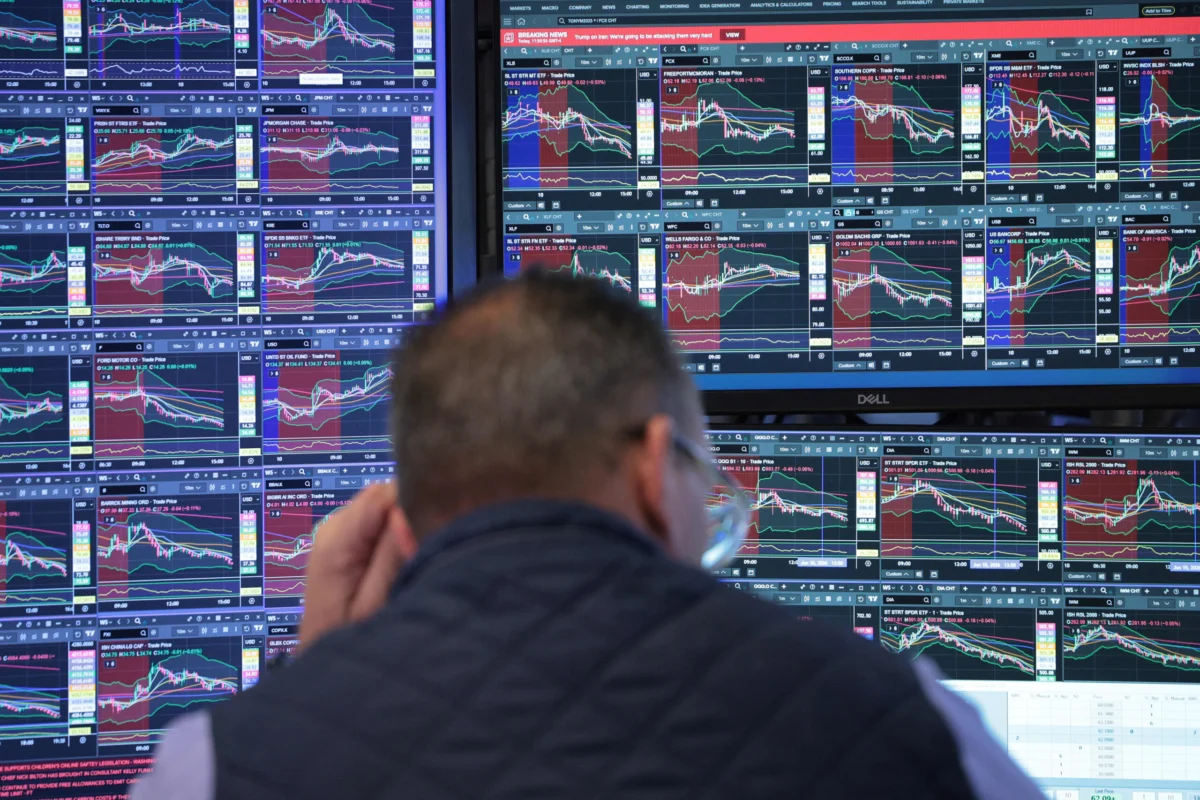
In stark contrast, traditional market indicators have faltered. The S&P 500 and gold have both declined by more than 3% since the conflict with Iran commenced. The Nasdaq, a bellwether for the technology sector, has also seen a downturn, off by more than 2%. This divergence in performance is fueling discussions about Bitcoin’s potential as a safe-haven asset or a diversification tool.
ProShares, a firm actively involved in the cryptocurrency ETF landscape with over a dozen such products, launched the ProShares CoinDesk 20 Crypto ETF (KRYP) last month. While this specific ETF has gained nearly 5% since the onset of the Iran war, it has experienced a roughly 7% decline since its early February debut, reflecting the inherent volatility within the crypto market. Despite its recent upward movement, Bitcoin remains significantly below its all-time high, down more than 40% from its record of $126,198 reached in October.
Kim Arthur, founding partner and CEO of Main Management, views the current market conditions as a "classic crypto winter," a cyclical phenomenon that historically occurs approximately every four years. Arthur believes Bitcoin is currently in the "bottoming stage" of this cycle.
"Bitcoin was trading at $125,000 five months ago. So, it was down 50-plus percent when this conflict erupted," Arthur explained in the same interview. "I do like the fact that it’s outperformed a lot of other asset classes [since the war], but… you have to widen the lens a little bit on that." Arthur, who holds exposure to Bitcoin, indicated a preference for a passive investment approach to the cryptocurrency at this juncture.

Arthur further elaborated on his strategic outlook, stating, "For myself as an asset allocator and a portfolio manager… I look at bitcoin as my benchmark, and then I bench everything else against that." He noted that Bitcoin has proven to be an exceptionally challenging asset to outperform, particularly since 2021. Over the past five years, the digital currency has appreciated by approximately 15%.
The concept of a "crypto winter" refers to prolonged periods of significant price declines and subdued trading activity in the cryptocurrency market, often following periods of intense speculation and rapid price appreciation. These cycles are typically attributed to a combination of factors, including regulatory crackdowns, shifts in investor sentiment, macroeconomic headwinds, and the natural ebb and flow of market enthusiasm. The current narrative suggests that the market may be emerging from such a period, with recent price action and expert commentary hinting at a potential thaw.
The comparison of Bitcoin’s performance to traditional assets like equities and gold during times of geopolitical stress is a key element of the current discussion. Historically, gold has been considered a primary safe-haven asset, appreciating in value during times of uncertainty. However, recent events have seen Bitcoin exhibiting some of the characteristics of a safe haven, challenging traditional investment paradigms. The ability of Bitcoin to maintain or increase its value while other riskier assets, such as equities, decline, suggests a potential for it to serve as a diversification tool, mitigating overall portfolio risk.
The launch of new Bitcoin-related exchange-traded funds (ETFs) also plays a significant role in shaping market dynamics. ETFs provide a more accessible and regulated avenue for investors to gain exposure to cryptocurrencies without the complexities of direct ownership and custody. The performance of these ETFs, such as ProShares’ offerings, serves as a barometer for institutional and retail investor interest. While the ProShares CoinDesk 20 Crypto ETF (KRYP) has experienced some volatility, its performance in the context of the broader market downturn is being closely monitored.
The long-term performance of Bitcoin, despite its short-term fluctuations, is also a crucial consideration. An approximate 15% gain over five years, as noted by Arthur, indicates a substantial growth trajectory, albeit one marked by considerable volatility. This long-term perspective is vital for investors considering Bitcoin as part of a diversified portfolio, emphasizing the need for a strategic approach and a tolerance for price swings.
The ongoing dialogue surrounding Bitcoin’s role in a diversified investment strategy, particularly in the face of global economic and geopolitical uncertainties, underscores its evolving position in the financial landscape. As the market continues to digest these developments, the performance of Bitcoin and related instruments will remain a key focus for investors and analysts alike. The "crypto winter" may indeed be thawing, but the path forward for digital assets is likely to remain dynamic and subject to a complex interplay of market forces and global events.