 11
11
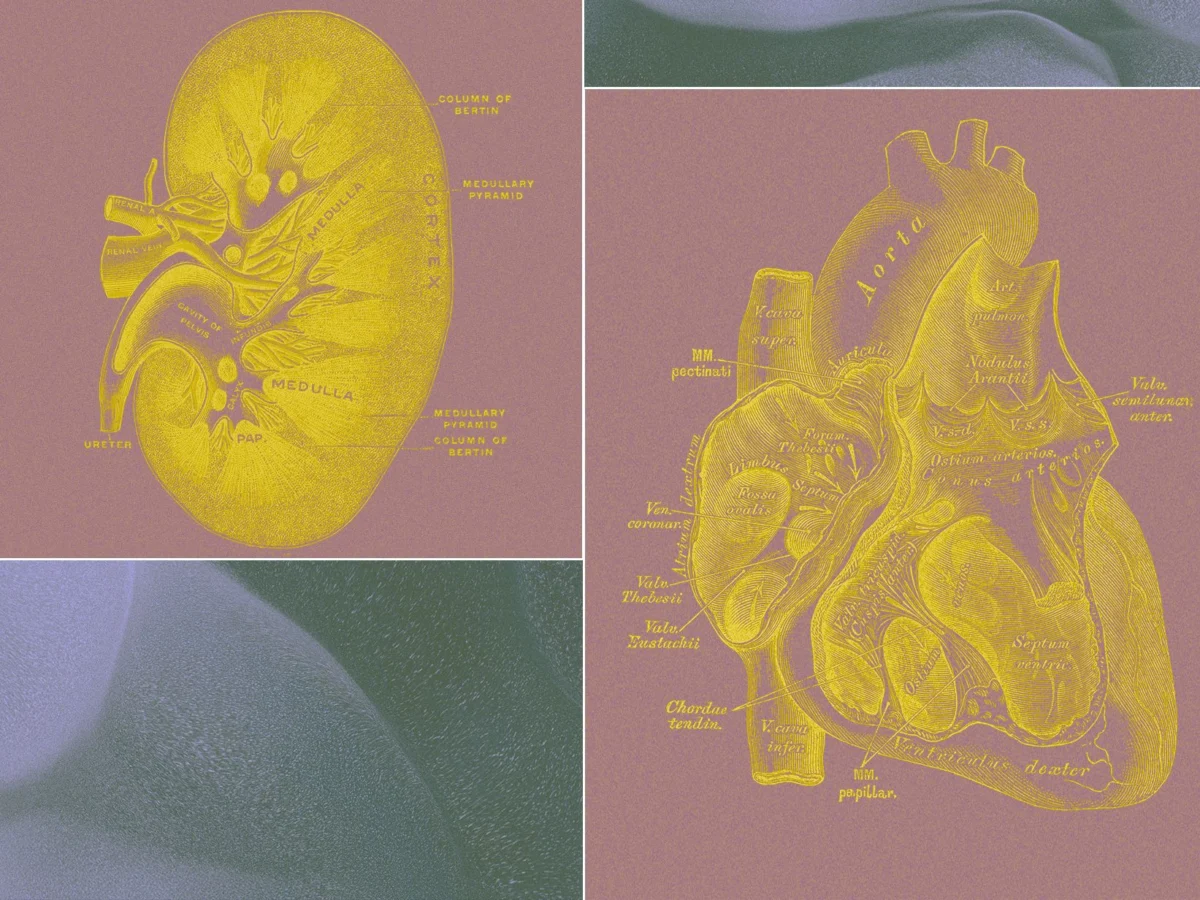
The landscape of scientific research is rapidly evolving, driven by ethical considerations and practical demands. As the Trump administration initiated a federal push to phase out animal experimentation, Bay Area biotech startup R3 Bio has introduced a groundbreaking alternative: nonsentient "organ sacks." These structures, detailed in industry publications and pitched to investors, aim to replace lab animals by offering biological entities that contain typical organs but lack a brain, rendering them incapable of thought, consciousness, or pain. Co-founder Alice Gilman envisions these eventually becoming an ethical source of tissues and organs for human transplantation.
R3 Bio’s concept aligns with the "replacement" strategy for human longevity, a core investment philosophy for Singapore-based Immortal Dragons. CEO Boyang Wang states, "We think replacement is probably better than repair when it comes to treating diseases or regulating the aging process… a nonsentient, headless bodyoid for a human being… will be a great source of organs." Initially, R3 Bio focuses on monkey organ sacks, promising a more ethical and scalable testing model. The company’s name, R3, reflects the "three R’s" of humane animal research: Replacement, Reduction, and Refinement.
The shift away from animal testing is urgent. Monkeys, crucial for preclinical drug and vaccine testing (as seen during COVID-19), are an expensive and dwindling resource. China’s 2020 ban on nonhuman primate exports has exacerbated supply issues in the U.S., creating a critical research bottleneck