11
11
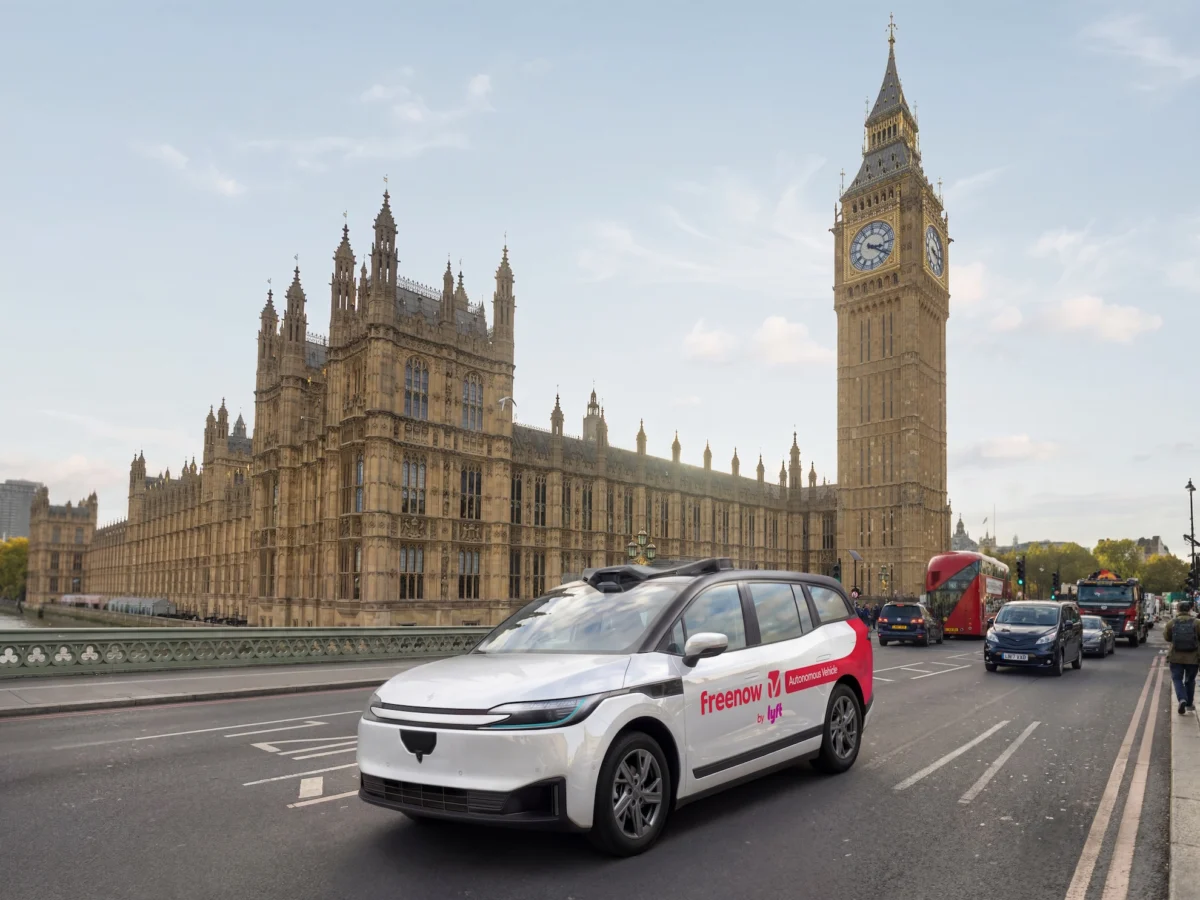
Chinese technology giant Baidu has officially initiated the testing of its autonomous vehicles in London, marking a significant step in its strategic collaboration with ride-hailing firm Lyft and its German multi-mobility subsidiary, Freenow. This move positions Baidu as the latest prominent player to advance self-driving technology trials in the United Kingdom, as the race towards commercial robotaxi deployments in key global markets accelerates. The commencement of these trials signals a deepening engagement in European mobility solutions and underscores London’s emerging role as a critical proving ground for autonomous transportation.
The London testing phase, which began on Tuesday, is being conducted with human safety operators present in each vehicle, a standard practice for autonomous vehicle trials globally. This cautious approach ensures immediate human intervention capabilities, allowing for the safe development and refinement of the technology in real-world urban environments. The current deployment follows nearly a year after Baidu and Lyft first forged a comprehensive strategic partnership. This alliance was specifically designed to facilitate the deployment of Baidu’s purpose-built Apollo Go RT6 robotaxi across various European markets, leveraging the extensive user base and operational infrastructure of the Lyft platform. Ultimately, these self-driving vehicles are slated to become accessible to the public through the Freenow application, a German taxi and multi-mobility service that Lyft acquired in 2025 for approximately $197 million.
Lyft’s acquisition of Freenow was a pivotal strategic move, providing the U.S.-based ride-hailing company with a crucial foothold in Europe’s dynamic and highly competitive ride-hailing market. This expansion positions Lyft to capitalize on the burgeoning demand for innovative mobility solutions, including the eventual integration of autonomous fleets. Across Europe, a multitude of well-funded companies are now intensely vying to be the first to successfully launch and scale commercial robotaxi services. The European market presents a unique blend of regulatory complexities, diverse urban landscapes, and varying consumer preferences, making successful entry and expansion a testament to technological prowess and strategic foresight.
Within this broader European context, London has rapidly solidified its status as a pivotal battleground for the development and deployment of autonomous vehicles. Its dense urban environment, intricate road networks, and forward-thinking regulatory bodies make it an attractive, albeit challenging, location for testing and refining self-driving technologies. The city’s robust public transportation infrastructure and high demand for diverse mobility options further amplify its strategic importance. Baidu’s entry into London’s testing scene is not an isolated event; several other global leaders in autonomous technology have already established a presence. In April of the previous year, Waymo, the autonomous driving technology company under Alphabet (Google’s parent company), also initiated its autonomous vehicle testing in London, similarly utilizing human safety operators to oversee operations. Concurrently, Uber, a direct competitor to Lyft, and its self-driving technology partner, Wayve, have publicly announced their intentions to launch a robotaxi service in London later this year. This initial service, for which customers can already sign up on an interest list, will also commence with human safety operators behind the wheel, gradually transitioning towards fully driverless operations as regulatory approvals and technological readiness allow. The convergence of these major players underscores the immense potential and strategic value attributed to the London market in the global autonomous vehicle landscape.
Baidu and Freenow by Lyft, as the latter service is now branded, have set an ambitious target to invite the public to hail their robotaxis in 2027. This projected timeline, while not accompanied by more granular details, is explicitly contingent upon securing the necessary regulatory approvals from UK authorities. The phased rollout, moving from internal testing to public trials and then to full commercial deployment, is a common and prudent strategy in the autonomous vehicle industry, allowing for continuous iteration and adaptation based on real-world data and regulatory feedback.
Currently, dozens of Baidu’s test vehicles are operating within the London borough of Brent, a location chosen likely for its diverse road conditions and traffic patterns, providing a representative environment for data collection. Lyft and Freenow have affirmed that they are engaged in ongoing, collaborative discussions with critical safety and city officials. These discussions include engagements with Transport for London (TfL), the integrated transport authority for London, and the Centre for Connected and Autonomous Vehicles (CCAV), a joint policy unit of the Department for Transport (DfT) and the Department for Business and Trade (DBT). These dialogues are crucial for ensuring that the testing and eventual deployment plans align with local transport strategies, safety protocols, and the broader vision for future urban mobility. The UK government is actively in the process of developing a comprehensive regulatory framework for autonomous vehicles, recognizing the transformative potential of the technology while prioritizing safety and public confidence. As part of this initiative, the government opened applications in May for companies interested in participating in an "AV pilot program," which offers a structured pathway for testing self-driving vehicles under direct government oversight and in compliance with emerging national standards. This program aims to foster innovation while ensuring a controlled and safe environment for technological advancement.
When the Baidu-Freenow by Lyft service eventually launches to the public, the companies have indicated their intention to operate a "hybrid network." This operational model, which employs language similar to that used by rival Uber, signifies that traditional human drivers operating taxis and private-hire vehicles will continue to work alongside the newly introduced robotaxis. This strategy is designed to ensure a seamless transition, offer greater flexibility in service provision, and potentially address concerns about job displacement within the existing taxi and ride-hailing industry. The hybrid model allows for a gradual scaling of autonomous operations while maintaining a robust human-driven service, providing a balance between technological innovation and existing infrastructure.
Thomas Zimmermann, CEO of Freenow by Lyft, articulated the company’s commitment to this balanced approach in a recent statement. He emphasized, "As a platform with deep roots in the taxi industry, our priority is ensuring that autonomous technology supports the professional drivers who keep London moving." This statement highlights a key strategic imperative for many companies entering the autonomous vehicle space: to integrate new technologies in a way that is complementary to, rather than entirely disruptive of, existing human-led services. This philosophy aims to mitigate potential socio-economic impacts and foster greater acceptance among both drivers and the wider public. The successful integration of robotaxis will depend not only on technological reliability but also on effective community engagement and a clear strategy for co-existence with traditional transport methods.
The long-term vision for autonomous vehicles in London, and indeed globally, involves a complex interplay of technological readiness, regulatory clarity, public acceptance, and economic viability. The ongoing trials by Baidu, Waymo, Uber, and Wayve represent critical steps in addressing these multifaceted challenges. Each successful test mile, each regulatory discussion, and each public interaction contributes to the collective knowledge base that will ultimately shape the future of urban transportation. The competition is fierce, but the shared goal remains the same: to deliver safer, more efficient, and more accessible mobility solutions for urban populations worldwide.