 11
11 1
1 2
2 3
3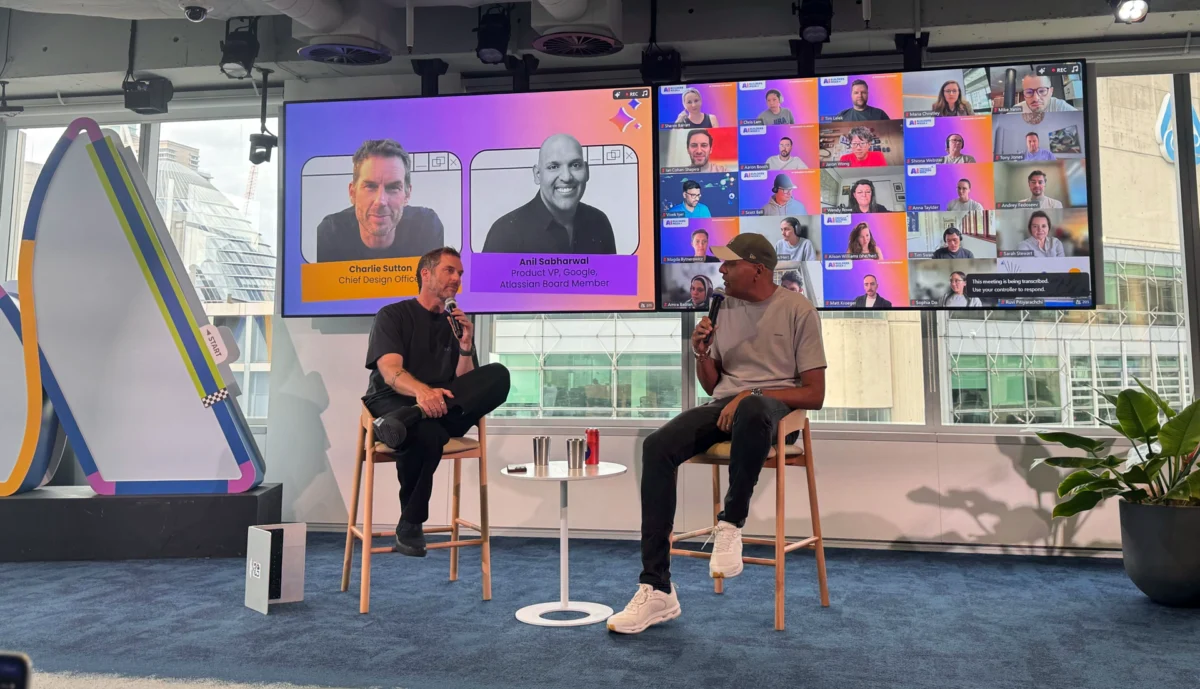
Atlassian recently executed a strategic shift in its internal operations, pausing standard business activities to host "AI Builders Week," a massive internal initiative aimed at transforming how the company’s design and product management teams interact with artificial intelligence. The event, which took place in early March 2026, convened 1,400 designers and product managers for a week-long intensive focus on moving beyond theoretical discussions of AI to the actual construction of production-ready tools. The primary objective was to pressure-test how AI-driven workflows change the daily experience of Atlassian customers and to equip the design workforce with the technical skills necessary to operate in modern software environments.
The scale of the event was supported by 108 presenters and mentors who facilitated 31 distinct sessions. These sessions provided hands-on expertise and guidance, allowing participants to build, test, and iterate on AI concepts in real-time. This initiative comes at a time when Atlassian reports that approximately 85% of its designers and product managers are already actively utilizing AI prototyping tools. AI Builders Week was designed to bridge the remaining gap, moving staff from basic prototyping to using tools and environments typically reserved for software engineers.

A central theme of the week was the philosophical transition of the product development lifecycle. During a fireside chat, product advisor and AI expert Ravi Mehta provided a framework for this evolution. Mehta suggested that the industry is moving away from an "assembly line" model, where tasks are passed sequentially from one department to another, toward a "jazz band" model. In this new paradigm, various disciplines—design, product management, and engineering—operate with the fluidity of musicians in a jazz ensemble. Mehta noted that while a single "guitarist" or designer might carry the rhythm, the ultimate quality of the "music," or the product, depends on all contributors bringing their unique perspectives together to create a cohesive and high-quality experience.
To facilitate this "jazz band" approach, Atlassian is focusing on "prototyping closer to production code." This strategy does not aim to turn every designer into a full-stack engineer but rather to bring them closer to the Integrated Development Environments (IDEs) and development ecosystems that engineers use daily. By narrowing this gap, the company intends to shorten the path between a conceptual design and a functional experience that can be deployed to customers.
Design Technologists at Atlassian led sessions focused on establishing a baseline understanding of traditional developer tooling. Participants were introduced to IDEs, remote development environments, and the role of Bitbucket in managing code. A significant portion of the training involved teaching designers how to set up remote development environments without needing to download code locally to their machines. This was achieved through the use of Rovo Dev, an AI-powered tool designed to help users navigate and make changes within Atlassian’s front-end monorepo. This technical immersion allowed designers to ask questions of the codebase directly and understand the architecture of the products they are designing.

The practical application of these skills was demonstrated in seven hands-on build groups, which resulted in more than 240 distinct builds over the course of the week. These groups covered a diverse array of prototyping and AI-driven workflows. One notable success involved a group working on Trello, which collaborated with a product engineer to build out a new feature using Cursor—an AI-powered code editor—and successfully opened a pull request in Bitbucket. This level of technical engagement marks a significant departure from traditional design hand-off processes.
Among the 240+ projects developed, three specific builds highlighted the potential for AI to streamline internal and external workflows:
Insight to Impact: This tool was designed to automate the conversion of customer research insights into actionable roadmap items. By leveraging AI to analyze qualitative data, the tool helps product teams move more quickly from understanding a problem to planning a solution.

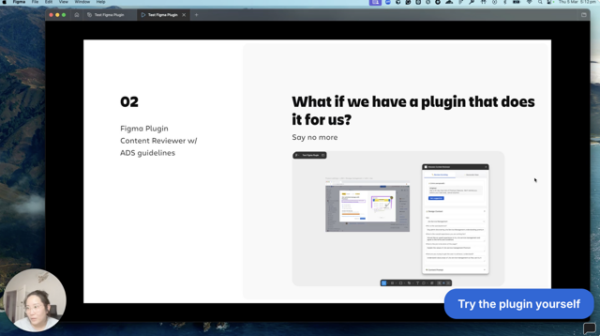
Content Assistant Plugin: A Figma-based plugin that integrates directly with Atlassian’s content assistant agent. This allows designers to check and refine UI copy and content against brand guidelines and clarity standards directly within their design environment.
Figma MCP Parity Agent: This agent analyzes Figma designs to ensure parity with production standards and automatically generates comprehensive documentation within Jira. This reduces the manual administrative burden on designers and ensures that engineering teams have accurate, up-to-date specifications.
The shift toward more technical design processes was a major theme of the week. Teams often began their creative process using Figma Make and Replit for initial explorations before transitioning to Cursor to finalize their builds. This workflow demonstrated a powerful progression from high-level visual concepts to functional code-based prototypes.
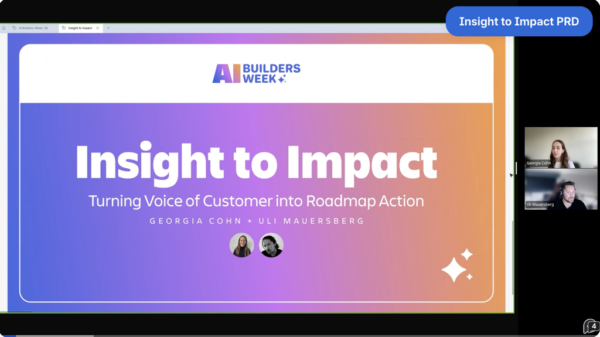
The event also featured a fireside chat with Anil Sabharwal, an Atlassian Board Director and global product leader, and Charlie Sutton, Atlassian’s Chief Design Officer. Their discussion focused on the "floor" and the "ceiling" of AI capability. They argued that while AI is raising the "floor" by automating basic tasks and making technical entry points more accessible, it is also raising the "ceiling" of what is possible to build. However, both leaders emphasized that technical fluency is only one part of the equation. As the technical barriers to entry lower, the primary differentiators for successful products will be human-centric qualities: taste, creativity, and a sensitive understanding of context.
Despite the successes of the week, the company acknowledged the inherent friction involved in this transition. The process of setting up development environments, navigating monorepos, and managing pull requests involves significant technical hurdles. However, Atlassian leadership views this friction as a necessary and valuable part of the learning process. The challenges faced by designers during the week highlighted a critical industry-wide pain point: the need to democratize the setup of development environments.
Design Technologists are now tasked with leading the effort to make these technical processes faster and more intuitive for all "makers," regardless of their primary discipline. By using AI tools like Rovo Dev to handle errors and navigate complex codebases, the company aims to foster a culture of curiosity where designers and product managers feel comfortable encountering the "walls" and "errors" that are standard in the software development lifecycle.
The conclusion of AI Builders Week saw a 96% positive rating from the 1,400 participants, signaling a strong internal appetite for this more integrated, technical approach to design. The event has set a new precedent for Atlassian’s design culture, emphasizing that when the distance between design and production code is reduced, the resulting products are more impactful and the development process is more efficient. The initiative underscores a broader commitment at Atlassian to not just use AI as a feature within their products, but to fundamentally rebuild their internal culture and workflows around the capabilities of artificial intelligence.