 11
11 1
1 2
2 3
3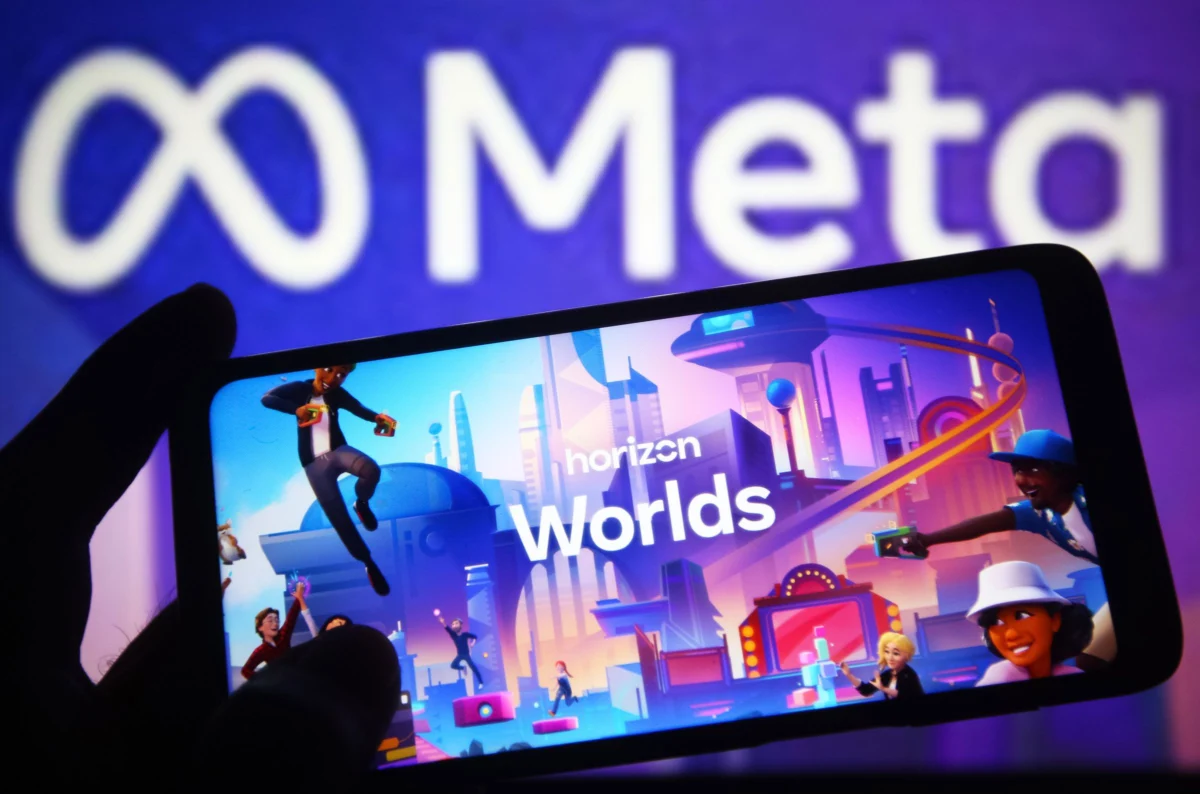
Meta is officially discontinuing the virtual reality experience of Horizon Worlds, marking a significant recalibration of its ambitious metaverse strategy. The social VR platform, once touted as Meta’s grand foray into building a fully immersive digital environment, will cease its VR operations entirely by mid-June, transitioning solely to a mobile platform. This move signals a strategic pivot for the tech giant, which has poured billions into its Reality Labs division, the arm responsible for its metaverse endeavors.
The company conveyed the news to Horizon Worlds users today via an email blast, detailing a phased shutdown. Starting March 31, Horizon Worlds will no longer be available in the Meta Quest store, effectively halting new downloads and access for most VR users. The complete cessation of the VR worlds is scheduled for June 15. Following this date, the service will only be accessible as a mobile platform, a stark departure from its original vision as a premier VR destination. Along with the VR world itself, several Horizon-specific perks are slated for removal, including Meta Credits, user avatars, and various digital clothes and in-world purchases, indicating a comprehensive winding down of the VR iteration.
This decisive action follows widespread cuts within Meta’s Reality Labs division earlier in February, which saw a 10 percent reduction in its VR department workforce. The layoffs underscore the financial pressures and strategic re-evaluation taking place within Meta, as the company grapples with the immense costs and slow adoption rates of its metaverse projects.
Horizon Worlds was conceived as the cornerstone of Meta’s metaverse ambition, an aspiration to construct a persistent, interconnected virtual environment inspired by Neal Stephenson’s seminal science fiction novel, Snow Crash. The company’s belief in this vision was so profound that it famously rebranded itself from Facebook to Meta in October 2021, explicitly to align its corporate identity with its future-forward VR and metaverse endeavors. Mark Zuckerberg, Meta’s CEO, envisioned a future where people would interact, work, and play in these virtual spaces, blurring the lines between the physical and digital realms.
Despite the monumental investment and strategic commitment, Horizon Worlds consistently struggled to gain traction and widespread appeal. Its public reception was, at best, lukewarm, and often outright critical. The platform has frequently been cited as one of the less popular VR services available, a sentiment vividly captured by the "borderline glee" observed in the comments of the r/oculus subreddit thread announcing the service’s termination. From its initial announcement, Horizon Worlds was a target of widespread mockery, particularly due to its rocky launch and perceived lack of polish. Early player avatars famously lacked legs, appearing as disembodied torsos. More significantly, the overall aesthetic of these avatars, described by many as "dead-eyed monsters," led to significant public ridicule. This criticism culminated in Mark Zuckerberg’s own "uncanny avatar" becoming a widely circulated internet meme, highlighting the disconnect between Meta’s grand vision and the platform’s execution.
A significant challenge for Horizon Worlds was its user demographic. The platform was populated primarily by children, a user base that, while active, proved neither stable nor consistently profitable for Meta. Despite pumping billions of dollars into the service and arranging high-profile partnerships with major brands and artists—including virtual concerts by popular bands like Imagine Dragons and Coldplay—Meta’s proprietary-verse consistently lagged behind competitors in terms of popularity and engagement. For instance, VRChat, a social VR service that allows users to create and explore virtual worlds, has fostered a more vibrant and organically grown community. VRChat users have demonstrated genuine enthusiasm, engaging in diverse activities ranging from virtual raves to even simulated presidential elections, activities that Horizon Worlds struggled to replicate or attract.
The shutdown of Horizon Worlds’ VR component is intrinsically linked to Meta’s broader strategic shift. The company is increasingly focusing its resources on artificial intelligence (AI) development and its augmented reality (AR) initiatives, exemplified by its Ray-Ban smart glasses. This shift has necessitated a drastic reduction in investments across its metaverse divisions. The impact of this re-prioritization has been felt across Meta’s VR ecosystem, with even popular services like Supernatural Fitness ceasing updates. The financial burden of Reality Labs, which has reported cumulative losses exceeding tens of billions of dollars, has evidently prompted a more pragmatic approach to its future investments.
Industry experts have largely viewed the discontinuation of Horizon Worlds’ VR experience as an inevitable outcome. Mike Proulx, vice president and research director at market research firm Forrester, articulated this sentiment, stating, "Meta’s pivot on Horizon Worlds is the predicted and inevitable outcome of a big, risky bet that never found an audience." Proulx further elaborated on the core issue, suggesting, "Meta was trying to solve for a consumer problem that doesn’t exist. You can’t build a mass social platform reliant on hardware most people neither own nor want to wear for more than short bursts." This perspective highlights the fundamental challenge of mainstream VR adoption: the barrier to entry posed by specialized hardware and the comfort limitations of wearing VR headsets for extended periods.
Anshel Sag, a principal analyst at Moor Insights & Strategy, echoed this view, remarking, "This was inevitable. It seemed like they were trying to stretch it out by pushing it out to mobile, but realistically, it’s been dead for a while. I really think that it should have given up a long time ago." Sag’s assessment underscores the platform’s long-standing struggles and suggests that the move to mobile might have been a last-ditch effort to salvage a struggling product.
While Horizon Worlds’ VR iteration is being retired, the broader VR market continues to evolve with significant competitive activity. Valve’s highly anticipated Steam Frame headset is reportedly still on track for release this year, promising to expand the PC VR ecosystem. Samsung launched its Galaxy XR headset in December, powered by the new Android XR platform, signaling a renewed interest from major smartphone manufacturers in the mixed reality space. ByteDance-owned Pico is also set to release its Project Swan headset later in 2026, intensifying competition, particularly in the Asian market. Even Apple’s high-end Vision Pro remains a player, having received an M5 chipset upgrade last fall, solidifying its position in the premium mixed reality segment. These developments indicate that while Meta is refining its approach, the race for VR and AR dominance is far from over.
A critical underlying issue for Horizon Worlds, as identified by experts like Mike Proulx, was its dependence on advertisers, who ultimately follow their target audiences. "And those audiences were never inside Horizon Worlds," Proulx noted. This lack of a robust, engaged, and monetizable adult user base meant that the platform struggled to attract the advertising revenue necessary to sustain its ambitious development and operational costs. Without a compelling reason for a diverse demographic to spend significant time within the virtual world, the ecosystem remained largely barren from a commercial perspective.
Despite the closure of Horizon Worlds in VR, Meta maintains that it is not abandoning its commitment to virtual reality. When asked for comment, the company pointed to a press statement affirming its continued investment. The statement reads, "We have a robust road map of future VR headsets that will be tailored to different audience segments as the market grows and matures. And Meta remains the single biggest investor in the VR industry. Why? Because we believe in VR as a critical technology on the path to the next computing platform." This suggests that Meta is not retreating from VR entirely but rather re-strategizing its approach, perhaps focusing on more specialized applications, higher-quality hardware, or different engagement models than the broad, social metaverse envisioned by Horizon Worlds. The closure of Horizon Worlds in VR thus marks not the end of Meta’s VR journey, but a significant re-evaluation and a pragmatic adjustment to the realities of market adoption and user engagement.