 11
11
The deployment of enterprise-level software solutions frequently presents a logistical bottleneck for modern engineering organizations. When a new software solution is intended to impact multiple cross-functional teams, the pre-implementation phase requires rigorous alignment among all stakeholders. This process typically involves reaching a consensus on the chosen architectural approach and detailing the technical specifications before a single line of production code is written. Historically, these stages—alignment, architectural drafting, and implementation planning—have been time-consuming and prone to communication silos. However, the integration of artificial intelligence tools, specifically Atlassian’s Rovo Dev, is transforming this workflow by accelerating the transition from conceptual discussion to finalized code.
The genesis of any significant software initiative is almost always unstructured. It begins with a series of disparate communications: a Loom video recording demonstrating a concept, a sprawling Slack thread discussing potential hurdles, or meeting notes stored within Confluence. Traditionally, synthesizing these fragments into a coherent strategy required hours of manual labor by product managers or lead architects.
By utilizing Rovo Dev, teams can now convert these unstructured conversations into high-level plans within minutes. The AI acts as an analytical layer that can access the full context of these discussions across the Atlassian ecosystem. This allows teams to use targeted prompts to extract critical decision data. For instance, developers can prompt the AI to summarize the primary options explored during a brainstorming session, specifically highlighting key trade-offs and unresolved questions. By focusing the AI’s attention on dimensions such as engineering effort, system scalability, and user experience, organizations can create a standardized format for comparison that facilitates faster executive sign-off.
Furthermore, Rovo Dev can be leveraged to draft formal high-level proposals. By feeding the AI the context of the discussion and specific project requirements, it can generate a document that defines the purpose, problem statement, goals, and non-goals of the initiative. Crucially, these AI-generated drafts include risk assessments and open questions, providing a lightweight architectural outline. This ensures that by the time developers open their integrated development environments (IDEs), such as Visual Studio Code (VS Code), they are working from a foundation of an aligned decision record rather than a collection of vague assumptions.
Once high-level alignment is achieved, the workflow shifts toward detailed architectural design. This is a critical juncture where the abstract goals of a project must be translated into technical realities, including API definitions, data models, and integration strategies. Atlassian has streamlined this phase by bringing Rovo Dev directly into the developer’s workflow via VS Code and the AtlasCode extension.
The utility of Rovo Dev in this stage lies in its ability to maintain repository-wide context. Rather than generating generic code snippets, the AI analyzes the existing codebase to ensure that any proposed architectural changes align with established patterns and internal standards. Developers can delegate specific design areas to the AI, such as the creation of robust data schemas or the definition of service-to-service communication protocols.
A typical workflow involves prompting the AI to use the high-level Requirements Document (RFC) and the current repository context to propose detailed implementation points. The AI provides suggestions for APIs and data models that are not only functional but also architecturally consistent with the existing system. This collaborative process allows Rovo Dev to propose designs and code snippets that reference the actual repository, creating a comprehensive implementation plan. This plan serves as a technical blueprint that can be reviewed by domain experts and senior architects to ensure quality and security before the implementation phase begins in earnest.
With a detailed architecture finalized, the challenge shifts to project management and execution. For large-scale initiatives, translating a complex architectural document into a series of manageable tasks is a significant administrative burden. Rovo Dev addresses this by automating the creation of delivery plans.
The AI can ingest the detailed architectural plan and propose a structured breakdown within Jira. This includes the generation of Epics and detailed child Work Items (tasks or stories), grouped by service boundaries or integration points. By automating this breakdown, the AI ensures that each task includes relevant code snippets and clear acceptance criteria derived directly from the architectural requirements. This reduces the "translation error" that often occurs when a technical design is handed off to a project management team for ticketing.
The final phase of the lifecycle is the incremental implementation of the code. Even with a perfect plan, the actual writing of code can be slow. Rovo Dev assists in this stage by taking charge of the implementation step-by-step within VS Code. This is particularly effective for "vertical slicing," where the goal is to build the minimal path to a working end-to-end slice of functionality.
Developers can use the AI to generate an implementation plan specific to a single repository, prioritizing the most critical path to a functional prototype. Once the plan is established, the AI can be prompted to build the next logical step in the sequence. It follows the established patterns of the codebase and, perhaps most importantly, validates the new code by generating proper test coverage. This ensures that the implementation is not only rapid but also resilient and verifiable.
By delegating the "boilerplate" and structural coding tasks to Rovo Dev, human developers are freed to focus on high-level problem solving, edge-case handling, and complex logic that requires deep human intuition. The AI handles the "how" of the implementation based on the "what" defined in the earlier architectural phases.
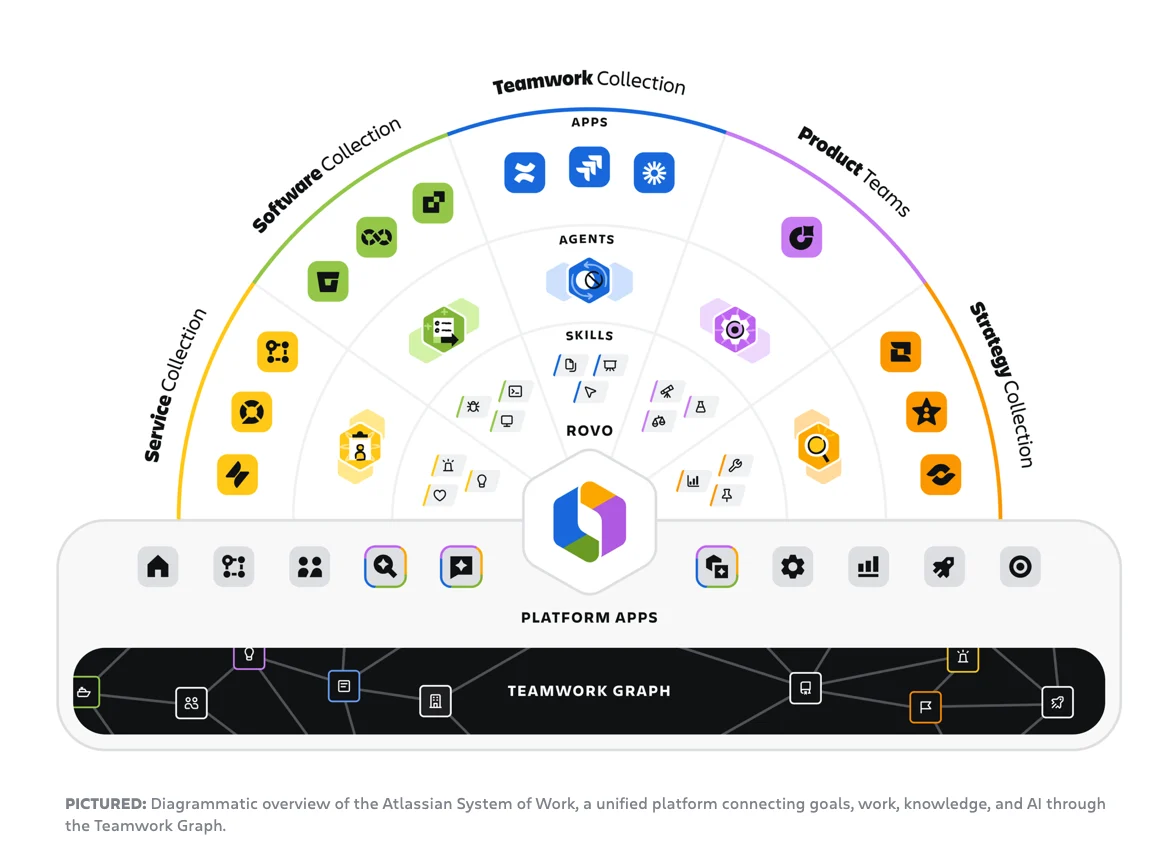
The integration of Rovo Dev into the software development lifecycle represents a shift in how engineering teams interact with their tools. Rather than being a standalone chatbot or a simple autocomplete engine, Rovo Dev functions as an orchestration layer. It bridges the gap between different stages of development—connecting the initial "soft" discussions in Slack and Confluence to the "hard" technical specifications in VS Code and the task management structures in Jira.
This development flow complements the existing Atlassian suite by providing a continuous thread of context that follows a project from its inception to its deployment. By automating the synthesis of information, the drafting of technical documents, the breakdown of tasks, and the initial implementation of code, organizations can significantly reduce the lead time for complex software rollouts.
The result is a more cohesive development environment where alignment is reached faster, architectural integrity is maintained through AI-driven consistency checks, and implementation is accelerated through intelligent automation. As software systems grow in complexity and involve an increasing number of stakeholders, such an orchestration layer becomes essential for maintaining velocity without sacrificing quality. This AI-enhanced workflow ensures that engineering teams spend less time on administrative and repetitive tasks and more time delivering value through innovative software solutions.