 11
11
On March 18, 2026, Atlassian announced a significant evolution in its "Teamwork Collection" ecosystem, introducing a suite of AI-driven workflows designed to bridge the gap between asynchronous communication and project management. By deepening the integration between Loom, its video messaging platform, and Jira, the company aims to eliminate the administrative friction that frequently stalls software development lifecycles. The new features—specifically an enhanced bug reporting mode and AI-suggested work item updates—leopardize a future where meetings and manual documentation no longer interrupt the "flow" of engineering teams.
The core of the announcement centers on the realization that while modern work moves rapidly, the "connective tissue" between tasks—reporting issues, documenting project progress, and updating status boards—remains a manual, high-friction endeavor. Atlassian’s new workflows are engineered to transform Loom recordings into "ready-to-ship work" by utilizing rich technical and conversational context to drive automated actions across Jira, Confluence, and the AI-powered agent, Rovo.
One of the most significant pain points in software development is the ambiguity of bug reports. Even when a user or QA tester provides a screenshot or a screen recording, developers often find themselves in a cycle of "back-and-forth" messages to ascertain the specific environment in which the error occurred. Questions regarding browser versions, device specifications, and network latency often lead to extra "sync" meetings that delay the actual fixing of the code.
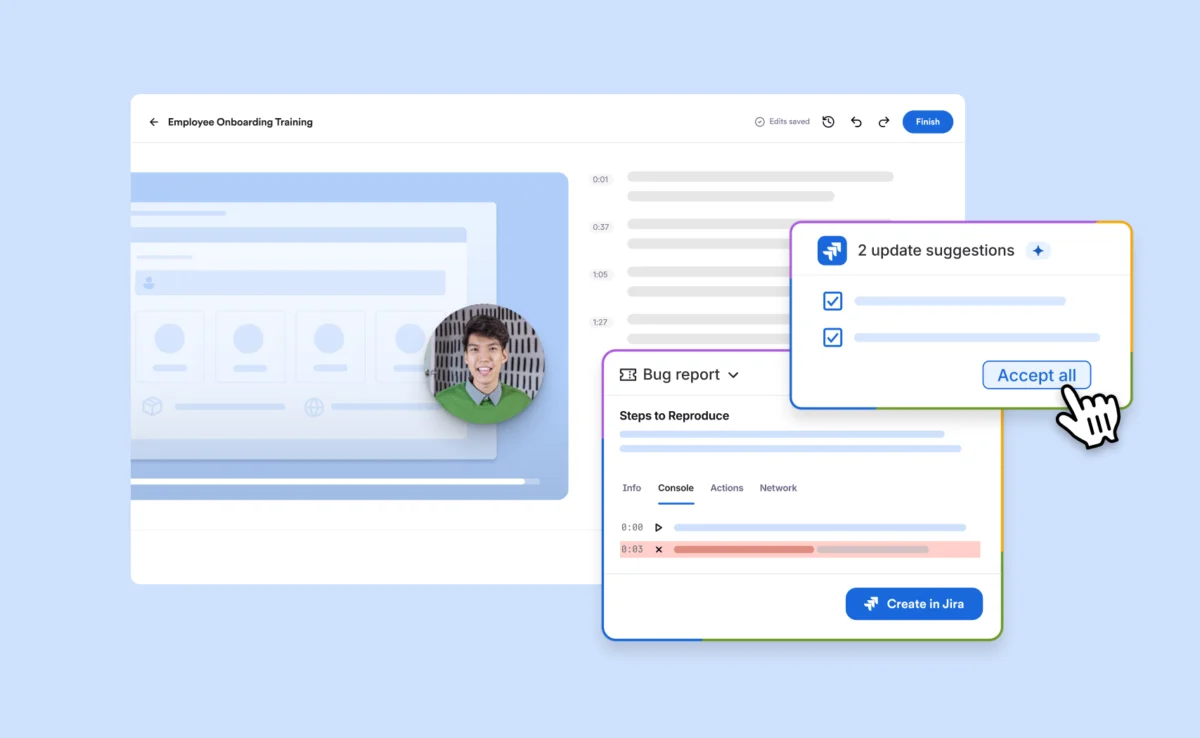
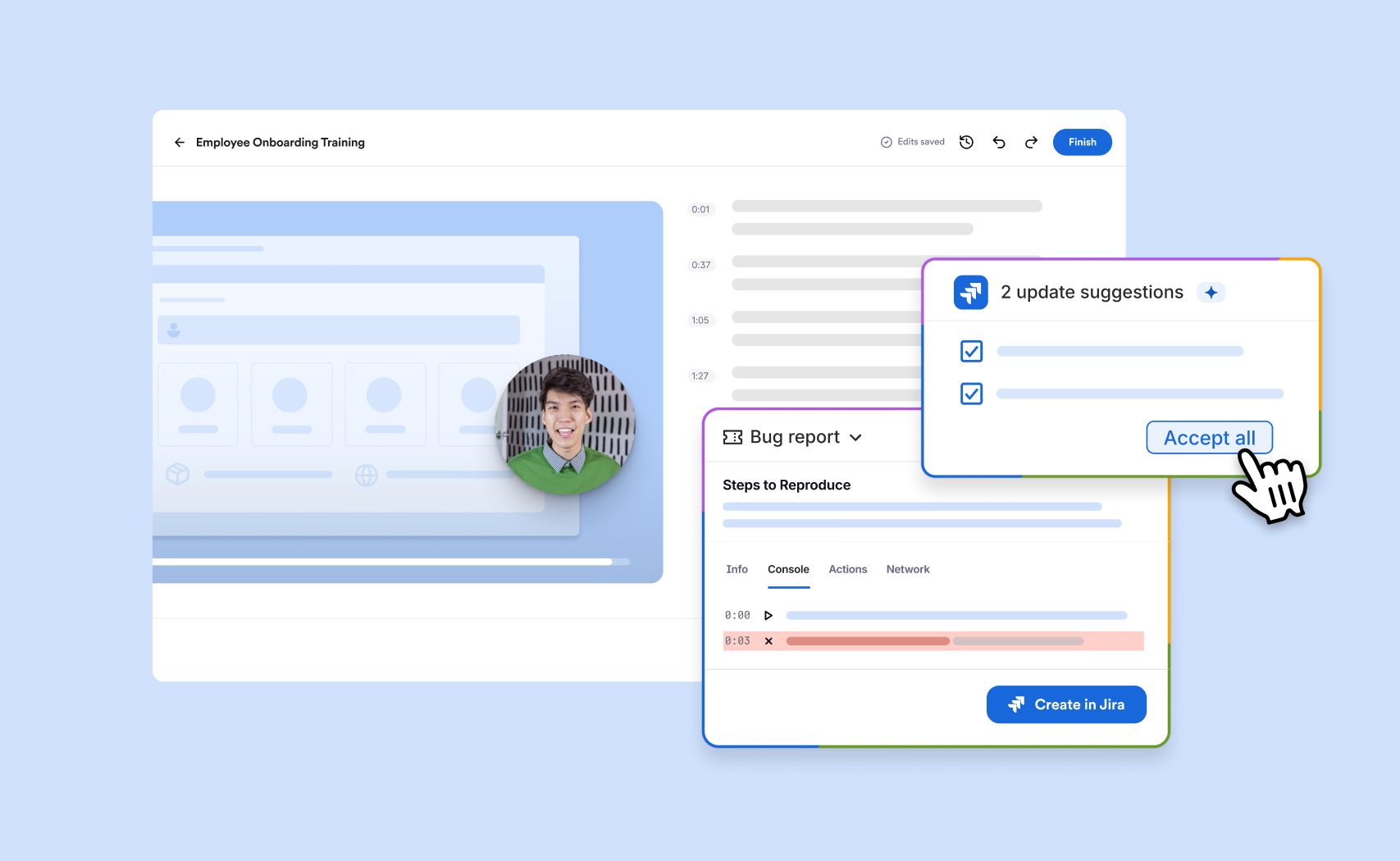
To solve this, Loom has introduced an enhanced bug reporting mode that automatically documents technical context. When a user records a bug using the Loom Chrome Extension, the platform now captures a comprehensive set of metadata in the background. This includes browser and device information, network data, and—crucially—console logs.

With a few clicks, this visual walkthrough and its accompanying technical telemetry are converted into a dev-ready Jira work item. By embedding this rich data directly into the ticket, Loom ensures that the developer has everything they need to diagnose the issue without a single follow-up question. This integration further leverages Atlassian Rovo to help break down the captured data into actionable requirements, effectively moving the team from "discovery" to "fix" in a fraction of the time previously required.
Beyond bug fixes, Atlassian is addressing the "black hole" of information that often follows project meetings. Currently, many teams rely on manual note-taking and post-meeting administrative work to ensure that Jira boards reflect the decisions made during a sync. This manual follow-up is not only time-consuming but prone to human error, leading to misalignment on project priorities and next steps.
Soon to be released, Loom’s AI-suggested Jira work item updates will utilize meeting recordings and recaps to maintain project momentum. When a team records a project sync or a stand-up via Loom, the AI analyzes the transcript to identify key decisions, blockers, and action items. It then suggests specific updates for the corresponding Jira work items.
This workflow allows team members to apply updates to their project boards directly from the meeting recap, ensuring that the Jira board remains a "source of truth" without requiring developers or project managers to spend hours on manual data entry. By capturing the conversational context of a meeting and translating it into the structured environment of Jira, Atlassian is effectively automating the "admin" phase of the project management cycle.
The shift toward these AI-driven, asynchronous workflows is already yielding measurable results for enterprise customers. Shivi Verma, Senior Manager of Cloud Apps Engineering at Docusign, highlighted the transformative impact of the integration on their internal processes.
According to Verma, the ability to embed Looms with built-in network logs and visual proof into Jira tickets allowed his team to resolve complex UI regressions without a single live meeting. Verma noted that this approach typically eliminates three to five hours of meetings per developer per week. By replacing daily stand-ups and "quick clarification" calls with Loom-driven technical handoffs, teams have reported an average reduction in total meeting volume of 25% to 30%. This reclaimed time allows developers to stay in "flow," focusing on high-impact coding rather than status reporting.
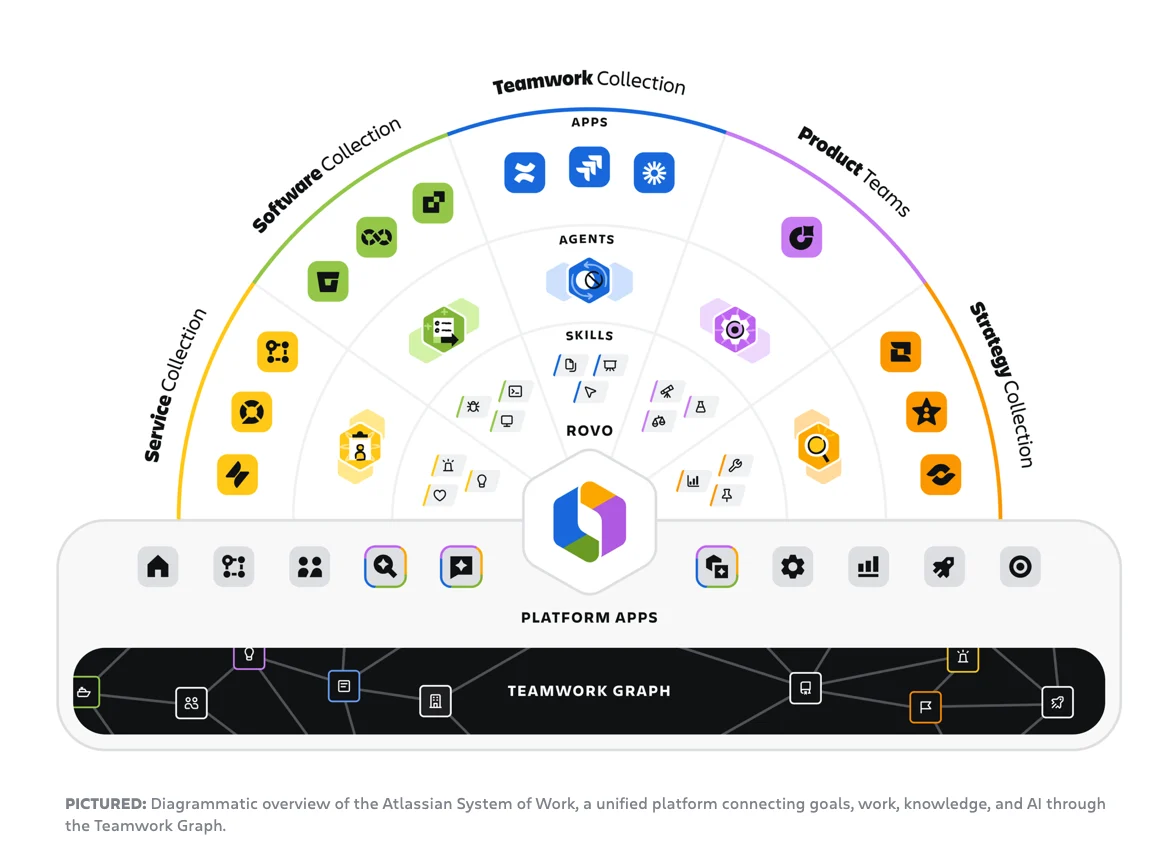
These new features do not exist in a vacuum but are part of a broader strategy involving Atlassian’s "Teamwork Collection." This collection—comprising Loom, Jira, Confluence, and Rovo—is designed to create a unified experience where information flows seamlessly between different types of work.
For instance, a Loom recording of a project brainstorm can be summarized by AI, with the summary automatically posted to a Confluence page for documentation, while the specific action items are pushed to Jira as tasks. The addition of Rovo, Atlassian’s specialized AI agent, allows teams to query this information using natural language, making it easier to find "the fix" or "the decision" buried within a week’s worth of project communications.
The enhanced bug reporting mode is currently available to users through the Loom Chrome Extension. To access the full suite of technical context capture features, customers must be on a Loom Business + AI or Enterprise plan. Additionally, the integration requires the Loom Chrome Extension to be installed for users on a paid Jira plan.
The AI-suggested Jira work item updates are slated for a "coming soon" release, with Atlassian emphasizing that these features are built to meet the needs of modern, distributed teams that prioritize speed and clarity.

The March 2026 update represents a strategic pivot for Atlassian, moving Loom from a simple video messaging tool to a core component of the automated software development lifecycle. By focusing on the "in-between" tasks—the reporting, the updating, and the clarifying—Atlassian is betting that AI can handle the administrative overhead that has long been a tax on engineering productivity.
For organizations looking to scale their development efforts without increasing their meeting load, these new AI workflows offer a path toward a more efficient, documentation-heavy, yet meeting-light culture. As teams continue to navigate the complexities of hybrid and remote work, the ability to turn a three-minute video into a dev-ready ticket with full technical logs may become the new baseline for professional agility.
By reallocating time from manual follow-ups to problem-solving and delivery, Atlassian and Loom are helping teams focus on what truly matters: delivering impact through software.