 11
11
The modern product development landscape is currently grappling with a systemic efficiency crisis, as the technical work required to advance a product is increasingly overshadowed by the administrative tasks surrounding it. According to the Atlassian 2024 State of Teams report, knowledge workers now spend approximately 72% of their time on "work about work," a category encompassing status meetings, context-setting, bug report documentation, and manual record-keeping. In response to this trend, a new framework of AI-powered video is emerging as a connective layer designed to automate the manual busywork that product teams have long viewed as an unavoidable cost of collaboration. By rethinking how context moves between human contributors and digital systems, organizations are beginning to utilize video not merely as a communication tool, but as a structured data source that drives automation across the software development lifecycle.
AI-powered video represents a significant evolution from traditional screen recording software. While standard tools simply capture visual and auditory input, AI-powered systems utilize artificial intelligence to transcribe speech, interpret the context of on-screen actions, and execute subsequent tasks. This technology treats a recording as structured data, where the transcript, visual content, browser context, and developer logs serve as inputs for AI processing. This allows the system to organize information and route it to appropriate project management tools automatically, effectively acting as an intermediary that generates summaries, files work items, and briefs AI agents on necessary next steps.
Product managers, who serve as the primary connective tissue between engineering, design, leadership, and sales, are particularly impacted by the current manual nature of context transfer. Their roles involve a constant translation of ideas into documentation, tickets, and meeting notes. When this process is manual, it creates significant friction; for instance, describing a visual bug in a text-based ticket or re-explaining a product demo to stakeholders who missed a live session can consume hours of productive time. The integration of AI-powered video aims to automate the transcribing, formatting, and routing of this information, allowing teams to focus on decision-making rather than the mechanical documentation of those decisions.
One of the primary areas where this automation is being applied is in the field of bug reporting. Historically, identifying and reporting software defects has been a high-friction process, particularly when the person discovering the bug is not an engineer. A Product Marketing Manager or a Customer Success Manager may encounter an issue but lack the technical knowledge to capture console errors or network logs. This often results in vague bug reports that require extensive back-and-forth communication for engineers to reproduce and fix. Loom’s specialized bug report mode addresses this by capturing device information, console logs, and network requests in the background while the user records their screen. Upon completion, the system automatically generates a Jira work item containing the video, a written summary, and the relevant developer context.
This streamlined approach has demonstrated measurable improvements in operational efficiency. At Apporto, Senior Software Engineer Balkishan Natani noted that the reduction in triage time and clarification cycles has helped resolve issues 30% to 50% faster. Furthermore, the integration with Atlassian’s AI coding agent, Rovo Dev, allows the system to diagnose issues based on the video and logs, suggesting fixes that users can approve without needing to understand the underlying technical error. This effectively removes the "reproducibility" bottleneck that often stalls development cycles.
Beyond bug reporting, AI-powered video is transforming how teams interact within issue trackers like Jira. Traditional collaboration in these platforms often relies on lengthy, text-based comment threads to describe visual problems or user flows. By embedding Loom recordings directly into Jira comments, teams can provide visual proof and technical context in a matter of minutes. This asynchronous approach allows team members in different time zones to review updates and respond with their own video feedback, reducing the need for synchronous meetings. Shivi Verma, Senior Manager of Cloud Apps Engineering at Docusign, reported that this method typically eliminates three to five hours of meetings per developer per week by providing visual proof and network logs in concise clips.
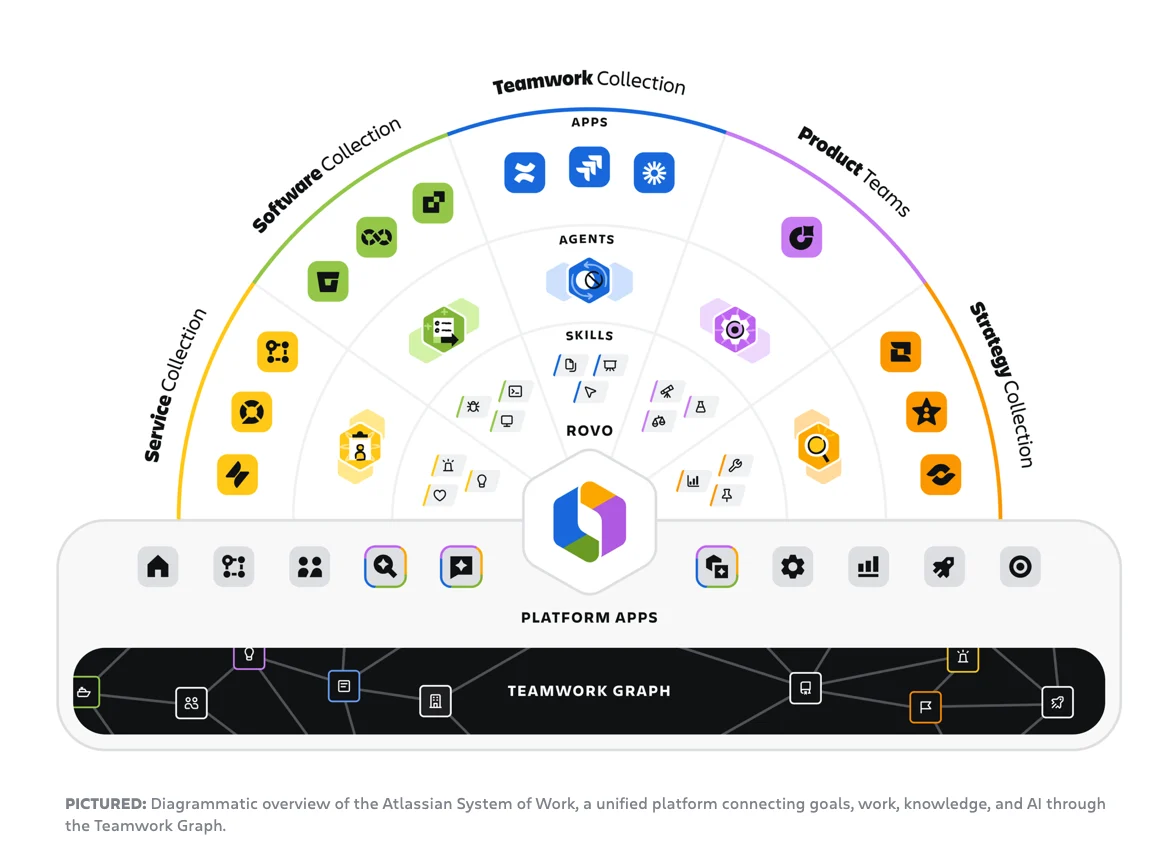
The automation of meeting documentation represents another significant shift in product team workflows. Meetings are often the source of critical decisions and action items, yet this information frequently fails to be recorded accurately in the systems where the actual work occurs. The Loom Notetaker addresses this by generating structured recaps, including timestamped summaries and action items, which are then flowed directly into Confluence. Because these notes are automatically indexed into the Atlassian Teamwork Graph, they become searchable assets rather than static documents. When a meeting is connected to a Jira project, the AI assistant Rovo analyzes the conversation to suggest updates to work items, such as changes to descriptions, due dates, or assignees. This ensures that the momentum of a discussion is immediately translated into actionable tasks in the backlog.
The creation of standard operating procedures (SOPs) and internal documentation is also being automated through video walkthroughs. Documentation is a task that is frequently deprioritized due to time constraints, leading to the loss of institutional knowledge. AI-powered video allows a subject matter expert to record themselves performing a task once; the system then converts that recording into structured, step-by-step instructions with screenshots and timestamps. These documents can be published to Confluence with a single click, making them immediately available for onboarding or internal process references.
In the realm of organizational leadership, async video is being used to scale updates and build searchable knowledge bases. Rather than scheduling large-scale meetings for monthly research readouts or quarterly strategy updates, leaders can record Loom videos that stakeholders watch at their convenience. This not only respects the time of the workforce but also creates a citable archive of information. Because these videos are indexed, Rovo can surface specific updates months later when a team member asks a related question. Additionally, some teams have adopted a "better meetings" strategy where a pre-watch video is sent before a live session. This ensures that all participants have the necessary context, allowing the live meeting to skip the introductory phase and focus entirely on high-priority feedback and strategic discussion.
Looking toward the future, the technology is moving toward "video prompts," a recording mode designed specifically for AI agents. In this mode, the system captures spoken instructions, screen snapshots, clicks, hovers, and URLs to create a structured action plan for an AI. For example, a user could walk through a landing page and suggest design changes while referencing brand guidelines in another tab. The AI then distills this into a brief containing hex codes, copy changes, and reference links, which can be assigned to a coding agent or a human team member in Jira. This capability significantly reduces the distance between an initial idea and its execution, potentially replacing an hour of technical specification writing with a five-minute recording.
The transition toward AI-powered video workflows suggests a fundamental change in how product teams operate. Rather than manually documenting work after it has occurred, teams are beginning to record the work as it happens, allowing AI to handle the extraction and organization of data. This shift aims to eliminate the productivity drain caused by administrative overhead, ensuring that context moves automatically and that every conversation contributes to a searchable body of organizational knowledge. As these tools become more deeply integrated into platforms like Jira and Confluence, the focus of product teams is expected to shift away from the mechanics of "work about work" and back toward the core activities of innovation and product development.