 11
11

In the contemporary corporate landscape, Human Resources (HR) departments have evolved into some of the most complex, cross-functional engines within any organization. However, as these departments have expanded their scope to include everything from talent acquisition to digital employee experience, a significant structural deficit has emerged. While most HR leaders have access to an abundance of specialized software, the industry is increasingly facing what experts describe as a "connection problem" rather than a "tool problem." The Atlassian Ecosystem has surfaced as a primary solution to this challenge, offering a framework designed to transform fragmented, siloed platforms into a single, intelligent system of work.
The operational reality for modern HR professionals is defined by high-stakes coordination across multiple departments. The process of onboarding a single new hire, for instance, is rarely confined to the HR office; it necessitates the immediate involvement of IT for hardware and software provisioning, payroll departments for financial setup, compliance officers for regulatory training, and departmental managers for team integration and knowledge transfer. Currently, these activities are often managed across a disjointed array of platforms—frequently numbering a half-dozen or more—that lack the ability to communicate with one another.
This fragmentation leads to significant operational friction. Industry data suggests that when onboarding checklists reside in one system while training content remains sequestered in another, the resulting lack of visibility causes work to stall. Policy approvals are often relegated to email threads, while the policies themselves are archived in obscure wikis or document repositories that are difficult for employees to locate. Each of these handoffs represents a point of failure where data must be manually re-entered, increasing the risk of human error and creating a poor first impression for new employees who may feel their arrival was unplanned.
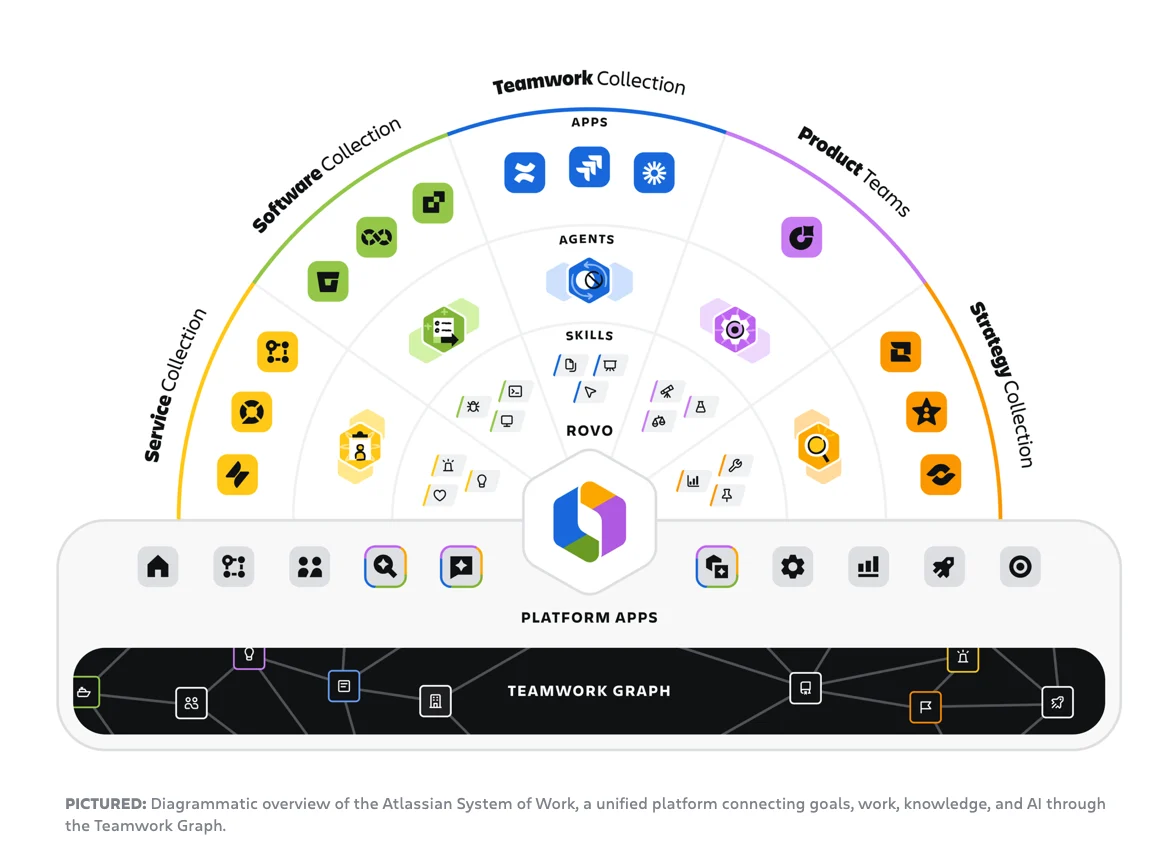
The Atlassian Ecosystem addresses this structural challenge by offering a unified foundation rather than a patchwork of individual tools. The ecosystem is defined as a comprehensive network comprising core Atlassian products like Jira, Confluence, and Jira Service Management (JSM), supplemented by over 7,000 Marketplace applications and integrations. This network is supported by a global community of partners and an extensible platform built on a shared data model. Because every application, AI agent, and partner-built solution operates on the same underlying permissions and workflows, organizations are not merely stitching disparate platforms together; they are extending a single, cohesive environment.
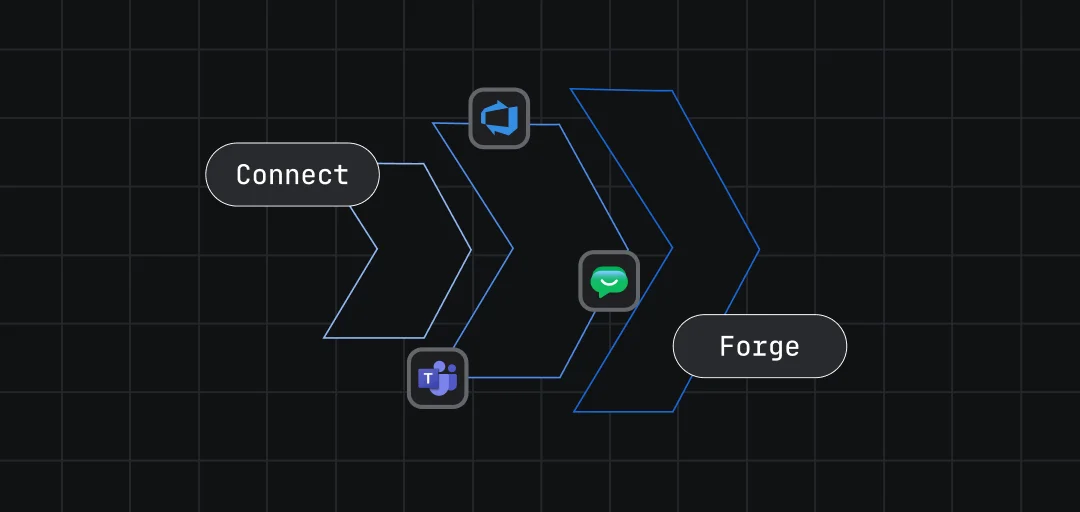
Flexibility is a cornerstone of this ecosystem’s appeal to HR teams. Organizations can tailor their digital infrastructure through several avenues: purchasing specialized Marketplace apps for specific HR use cases, developing bespoke solutions using the Forge serverless development platform, or composing automated workflows that combine native Atlassian products with Rovo AI agents. This multi-tiered approach allows HR departments to evolve their systems at their own pace, moving from basic task tracking to sophisticated, automated enterprise service management.
Analysis of successful enterprise deployments reveals that HR transformation within the Atlassian Ecosystem typically focuses on four key strategic pillars. The first is planning, alignment, and optimization. Large-scale HR initiatives, such as organizational restructuring, headcount planning, or rapid recruiting surges, require a framework that bridges the gap between high-level executive strategy and daily task execution. By utilizing applications such as BigPicture for portfolio management and Financial Manager for cost tracking, HR leaders can gain portfolio-level visibility directly within Jira. This replaces the need for standalone Project Portfolio Management (PPM) tools and provides a unified view of initiative progress, budgetary health, and staffing allocations.
The second pillar involves data intelligence and platform automation. Traditionally, generating critical HR metrics such as time-to-hire, onboarding velocity, and employee retention rates has required the intervention of specialized data teams. Within the Atlassian Ecosystem, HR teams are increasingly self-sufficient. Tools like Custom Charts for Jira allow for the creation of sophisticated reports and dashboards without deep technical expertise, while ScriptRunner enables the automation of repetitive tasks such as ticket routing. This level of automation allows HR service desks to handle higher volumes of requests without a corresponding increase in headcount, effectively reducing the administrative burden on staff.
The third pillar, and perhaps the most vital for overcoming fragmentation, is tool connectivity and integration. HR departments typically operate a diverse "stack" that includes a Human Resource Information System (HRIS) like Workday or SAP, a service desk, a Learning Management System (LMS), and various communication and compliance tools. Marketplace connectors, such as OnLink HR for JSM, facilitate the direct synchronization of employee data from the HRIS into Jira Service Management. This bidirectional flow of information eliminates the need for manual data entry and closes the compliance gaps that often occur when information is siloed. Furthermore, integrations with suites like Microsoft 365 ensure that activities like interview scheduling remain synchronized with Outlook while progress is tracked in real-time within Jira.
The fourth pillar focuses on content experience and governance. HR departments are the custodians of an organization’s most sensitive and frequently accessed documentation, including employee handbooks, offer letter templates, and compliance policies. Maintaining the integrity and accessibility of this content is paramount. The ecosystem provides specialized tools like Comala Document Management to bring rigorous approval workflows to Confluence, ensuring that only verified versions of policies are visible. Additionally, Refined Sites allows HR teams to build branded, user-friendly portals, enabling employees to navigate complex information architectures without requiring assistance from internal design or web development teams.
The practical impact of this consolidated approach is exemplified by the healthcare technology company Zelis. Prior to its digital transformation, Zelis operated separate platforms for IT and HR service management, a configuration that led to fragmented employee experiences and manual data transfers. This setup not only created technical debt but also increased compliance exposure due to information gaps. By consolidating its operations onto Jira Service Management and implementing native Workday integration, Zelis was able to eliminate departmental data silos. The transition allowed the company to retire redundant software tools and provide its workforce with a single, consistent point of service for all internal needs.
A significant advancement within the ecosystem is the introduction of specialized Artificial Intelligence (AI) capabilities designed to understand specific organizational contexts. Many generic AI tools struggle in HR environments because they lack access to internal company data, leading to vague or inaccurate responses. Atlassian’s Rovo, an AI-powered assistant, addresses this by operating on the "Teamwork Graph." This technology allows Rovo to search, converse, and take action across both Atlassian products and connected third-party tools while remaining grounded in the organization’s specific data. For an HR Business Partner, this means that queries regarding the status of a hiring plan can be answered with data pulled from Jira projects, Confluence documentation, and HRIS records, providing a response that is both accurate and contextually relevant.
As organizations continue to grow, the number of specialized tools used by HR—from new employee experience apps to advanced learning platforms—will likely increase. The fundamental challenge for the future is not the proliferation of tools, but the presence of an underlying system capable of connecting them into a coherent whole. The Atlassian Ecosystem provides this connective tissue, offering a centralized environment where tools, human teams, and AI agents operate within a shared context of permissions and workflows. For HR departments tasked with managing the most cross-functional and sensitive work in the enterprise, this shift represents the transition from a disjointed collection of software to a high-functioning, intelligent system of work.