11
11
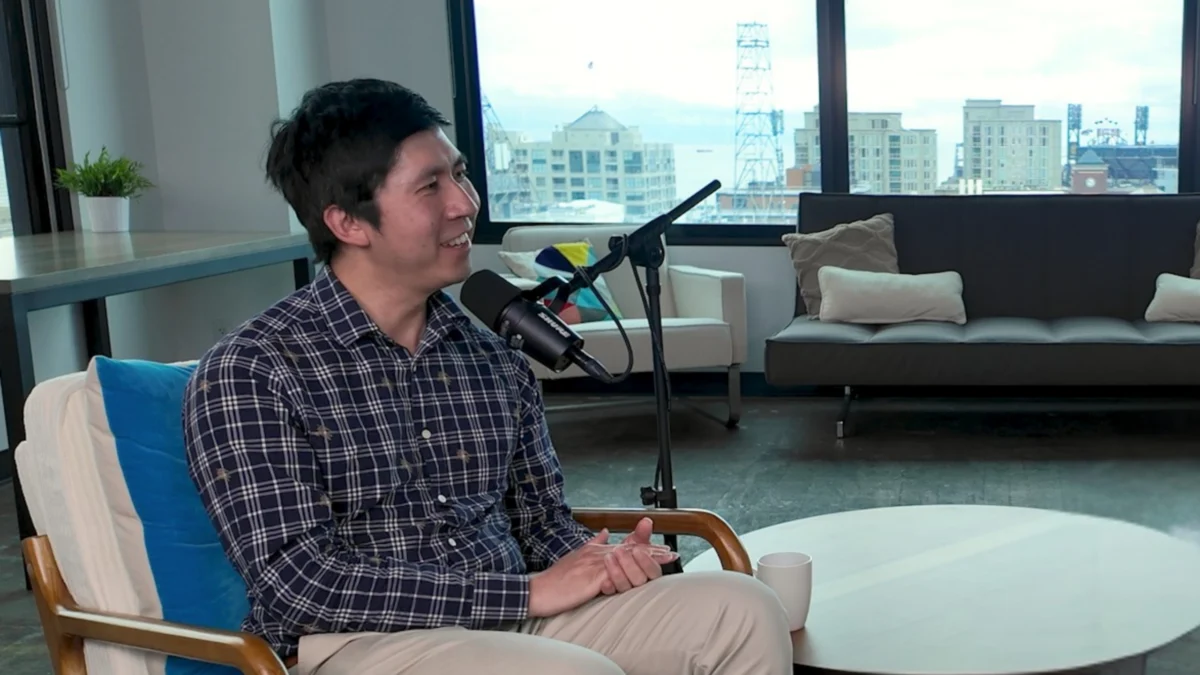
Andrew Dai, a luminary in the field of artificial intelligence and a former researcher at Google DeepMind, has embarked on a bold new venture, founding Elorian.ai with a singular focus on unlocking the next frontier in AI: visual understanding. His departure from Google DeepMind was driven by a profound conviction that visual AI represented a critical, yet underdeveloped, area ripe for innovation. In a move that underscored both the ambition of his vision and the current fervor in the AI investment landscape, Dai successfully closed a whirlwind seed funding round, securing an impressive $55 million at a $300 million valuation. This achievement is particularly noteworthy, as it signifies a more aggressive valuation-to-capital ratio than that of Thinking Machines, a company that previously made headlines for raising one of the largest seed rounds in U.S. history at $1.2 billion. The efficiency with which Elorian secured this capital speaks volumes about the perceived potential of its mission and the confidence investors have in Dai’s leadership and technical acumen.
The details of this significant development and the strategic thinking behind it were recently explored in an insightful episode of "Build Mode," a podcast hosted by Isabelle Johannessen, who also leads the Startup Battlefield initiative. Johannessen sat down with Andrew Dai, founder and CEO of Elorian, to delve into the journey of his company and how he managed to raise such a substantial seed round merely months after transitioning from his pivotal role at Google.
Dai’s extensive background provides a solid foundation for Elorian’s ambitious goals. With over a decade dedicated to contributing to some of the world’s most influential AI systems, his research played a foundational role in the development of technologies that would later inform systems like ChatGPT. This deep experience has granted him a unique perspective on the trajectory of AI, leading him to firmly believe that visual AI represents one of the next major frontiers in the domain.
During the podcast, Dai articulated his rationale, highlighting a critical imbalance in the current state of AI progress. "You have models that are doing really great at math, really great at new physics ideas, and of course coding is very popular now," Dai explained. "But one area where progress has been extremely uneven is visual understanding and visual reasoning." He pointed out that while AI has excelled in processing structured data, generating text, and even tackling complex scientific problems, the ability to truly comprehend and reason about the visual world—the way humans effortlessly do—remains a significant challenge. This involves not just recognizing objects, but understanding context, inferring intent, predicting actions, and navigating complex, dynamic environments. Elorian’s core mission, as articulated by Dai, is to "build models that will advance us toward visual AGI," aiming for artificial general intelligence with a robust capacity for visual perception and cognition. This vision suggests a future where AI can interpret the world through images and videos with human-like nuance, enabling applications far beyond current capabilities, from advanced robotics and autonomous systems to sophisticated content creation and interactive experiences.
The conversation also delved deeply into the intricacies of the fundraising process from a founder’s perspective, offering invaluable lessons for aspiring entrepreneurs. Andrew detailed how he managed to distill a highly technical and complex vision into a compelling narrative that resonated deeply with investors. This involved translating the abstract concepts of visual AI and artificial general intelligence into tangible problems Elorian aims to solve and the market opportunities it seeks to capture. It wasn’t merely about presenting groundbreaking research, but about weaving that research into a coherent, understandable, and inspiring story of future impact and market leadership.
A particularly insightful aspect of Dai’s fundraising strategy was his deliberate prioritization of strategic partners over simply chasing the highest possible valuation. He specifically highlighted the importance of bringing on board investors like Nvidia and Menlo Ventures, even when other offers might have promised a larger price tag for Elorian. Nvidia, a titan in GPU technology, is not just a financial investor but a critical ecosystem partner whose hardware and software are foundational to advanced AI development. Their involvement brings not only capital but also unparalleled technical expertise, strategic guidance, and access to a vast network within the AI industry. Menlo Ventures, a reputable venture capital firm with a history of backing successful technology companies, offers deep market insights, operational support, and experience in scaling nascent ventures into industry leaders.
Dai emphasized that choosing investors who possessed a profound understanding of the unique "realities of building frontier AI" proved to be far more valuable than merely maximizing his company’s price tag. These realities include the significant capital expenditure required for cutting-edge research, the long development cycles inherent in pushing technological boundaries, the challenges of attracting and retaining top-tier talent, and the inherent risks associated with developing truly novel technologies. Investors who grasp these complexities are more likely to be patient, supportive, and strategic partners, rather than solely focused on short-term financial returns. This approach reflects a mature understanding of venture building, where alignment, strategic partnership, and shared vision can outweigh immediate financial gains.
Beyond the specifics of Elorian’s journey, the episode offered a wealth of practical lessons for founders navigating today’s rapidly evolving AI landscape. Andrew shared crucial advice on how startups can effectively communicate complex technical ideas without resorting to impenetrable jargon. He advocated for focusing on the "what" and the "why" – explaining the problem being solved and the impact of the solution, rather than getting lost in the "how" for non-technical audiences. He also underscored why speed has become one of the biggest competitive advantages in the AI sector. The pace of innovation in AI is unprecedented, and the ability to iterate quickly, deploy solutions, and adapt to new research and market demands can be the difference between leading the pack and being left behind. This agility is particularly crucial for startups looking to carve out a niche against well-resourced Big Tech giants.
Furthermore, Dai provided insights into the challenging, yet essential, task of recruiting world-class researchers away from the allure of Big Tech companies like Google, Meta, or OpenAI. These companies offer significant resources, established infrastructure, and competitive compensation packages. To attract top talent, startups must offer a compelling vision, the promise of significant impact, a culture of autonomy and intellectual freedom, and the potential for substantial equity upside. Elorian’s mission to achieve visual AGI, combined with its strategic funding and Dai’s reputation, likely provides such a magnet for leading minds in the field.
In this illuminating episode, listeners will learn:
This season on "Build Mode" is dedicated to exploring all facets of fundraising, featuring insights from experts with firsthand experience in raising massive pre-seed rounds, writing significant checks, bootstrapping ventures, navigating public offerings, and adapting to unexpected market shifts that can redefine strategies.
To stay informed and gain valuable insights, listeners can subscribe to "Build Mode" on Apple Podcasts, Spotify, or wherever they prefer to listen to podcasts. Full video versions of the episodes are also available on YouTube. New episodes of "Build Mode" are released every Thursday, offering a consistent stream of expert advice for the startup community.
Please note: When you purchase through links in our articles, we may earn a small commission. This does not affect our editorial independence.
The production of "Build Mode" is expertly managed by Maggie Nye, a Podcast Producer for TechCrunch based in Denver, Colorado. Maggie’s professional journey previously saw her as the Brand and Content Manager for BUILT BY GIRLS, where she cultivated a strong interest in technology and developed a passion for fostering equitable and welcoming professional spaces within the tech industry. She holds a bachelor’s degree in Journalism with a minor in English from Hofstra University in New York, bringing a keen editorial eye and storytelling prowess to her role at TechCrunch. Maggie Nye can be contacted or verified via email at [email protected].