 11
11
In an era where artificial intelligence is rapidly reshaping the digital landscape, a powerful SEO strategy is emerging that bypasses the content being synthesized by AI: the creation and deployment of genuinely useful free tools. These are not articles designed for reading, but interactive solutions that empower users to "do" rather than "consume." From grade calculators and file converters to color palette generators and email outreach templates, these tools directly address specific user needs that traditional blog posts cannot fulfill. This "free-tools SEO strategy" involves building small, valuable tools that rank for high-demand queries with limited competition, offering a sustainable path to consistent, long-term organic traffic.
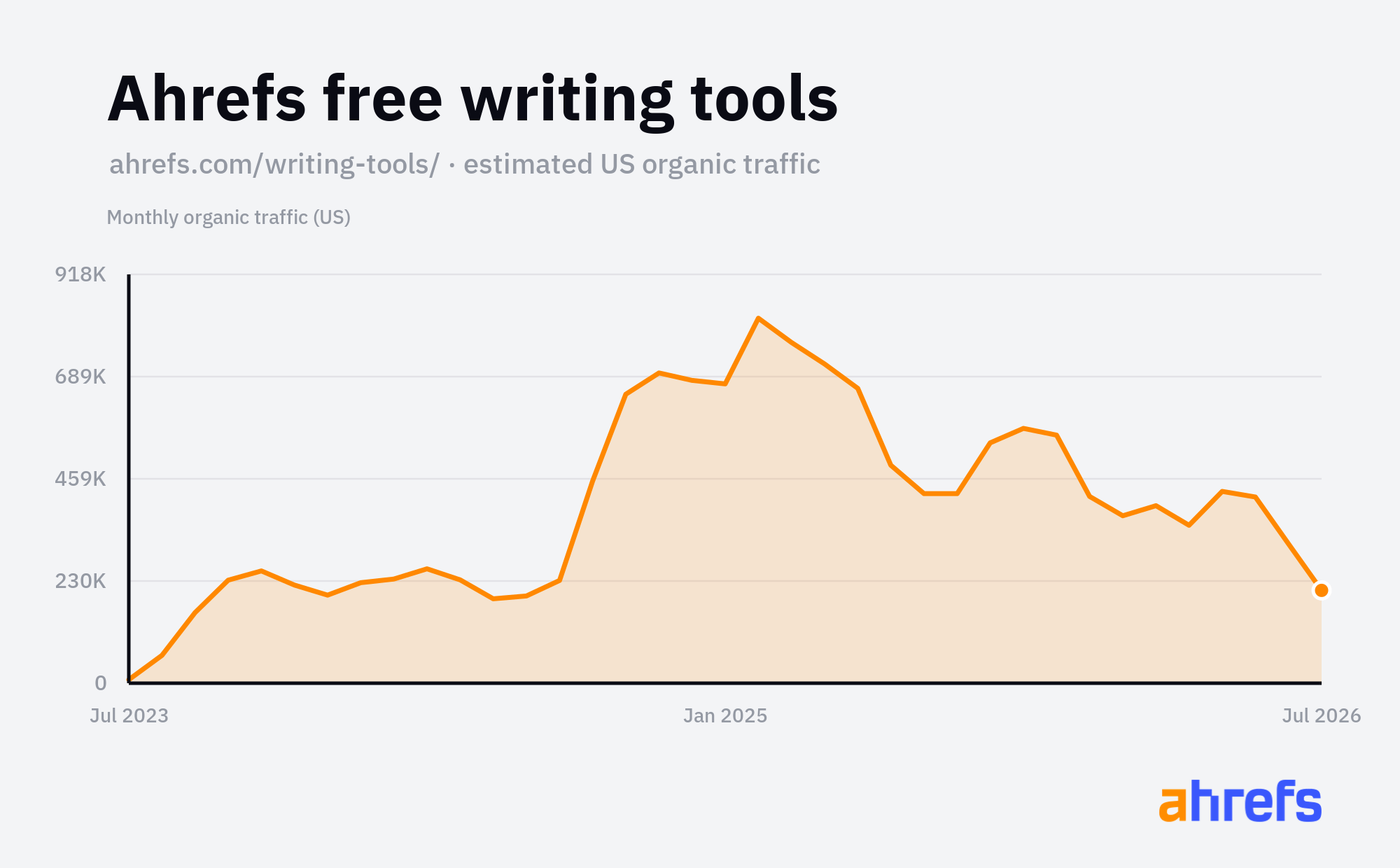
Ahrefs, a leading SEO software company, exemplifies this strategy’s success. Their /writing-tools/ subfolder, launched in mid-2023, experienced a meteoric rise, peaking at nearly a million US organic visits per month and currently maintaining hundreds of thousands of visits. This growth was driven by free tools designed to answer specific search queries, such as their keyword generator, backlink checker, and traffic checker, which consistently rank among their highest-traffic pages.
The resilience of tools against AI advancements is a key factor driving their current prominence. While AI can effectively synthesize informational written content, making it difficult for traditional articles to stand out, tools offer a tangible utility that AI cannot replicate. AI Overviews might describe how to convert a file or calculate a margin, but they cannot provide the functional converter or the interactive calculator itself. This makes tools an unusually robust asset in the evolving search engine results page (SERP) landscape.
Historically, building tools was a significant barrier due to development costs. However, platforms like Letaido and even advanced AI models like ChatGPT have democratized tool creation. These technologies enable the development of functional calculators, converters, or generators in a matter of hours, shifting the bottleneck from engineering expertise to identifying the most impactful tools to build. Ahrefs aims to bridge this gap by offering guidance and tools to facilitate this process.
The window of opportunity for this strategy may be temporary. As AI makes tool development even more accessible, the competitive edge will likely narrow. However, for now, there exists a significant opportunity to build enduring search traffic through high-quality, AI-assisted free tools.
The Power of Calculators, Converters, and Generators
The free-tools SEO strategy can be broadly categorized into four types: calculators, converters, generators, and templates. Each category addresses a specific user intent and offers unique keyword opportunities.
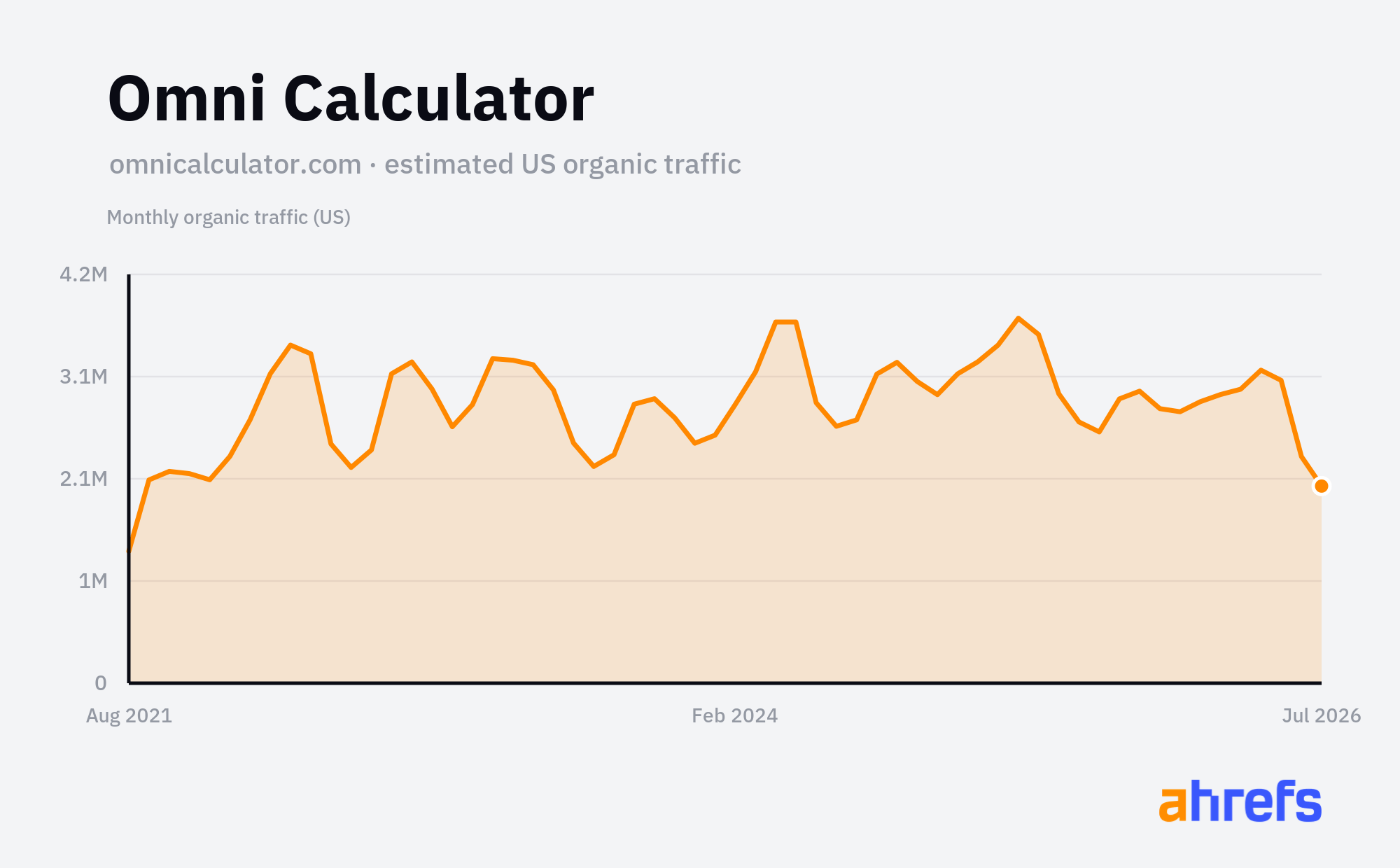
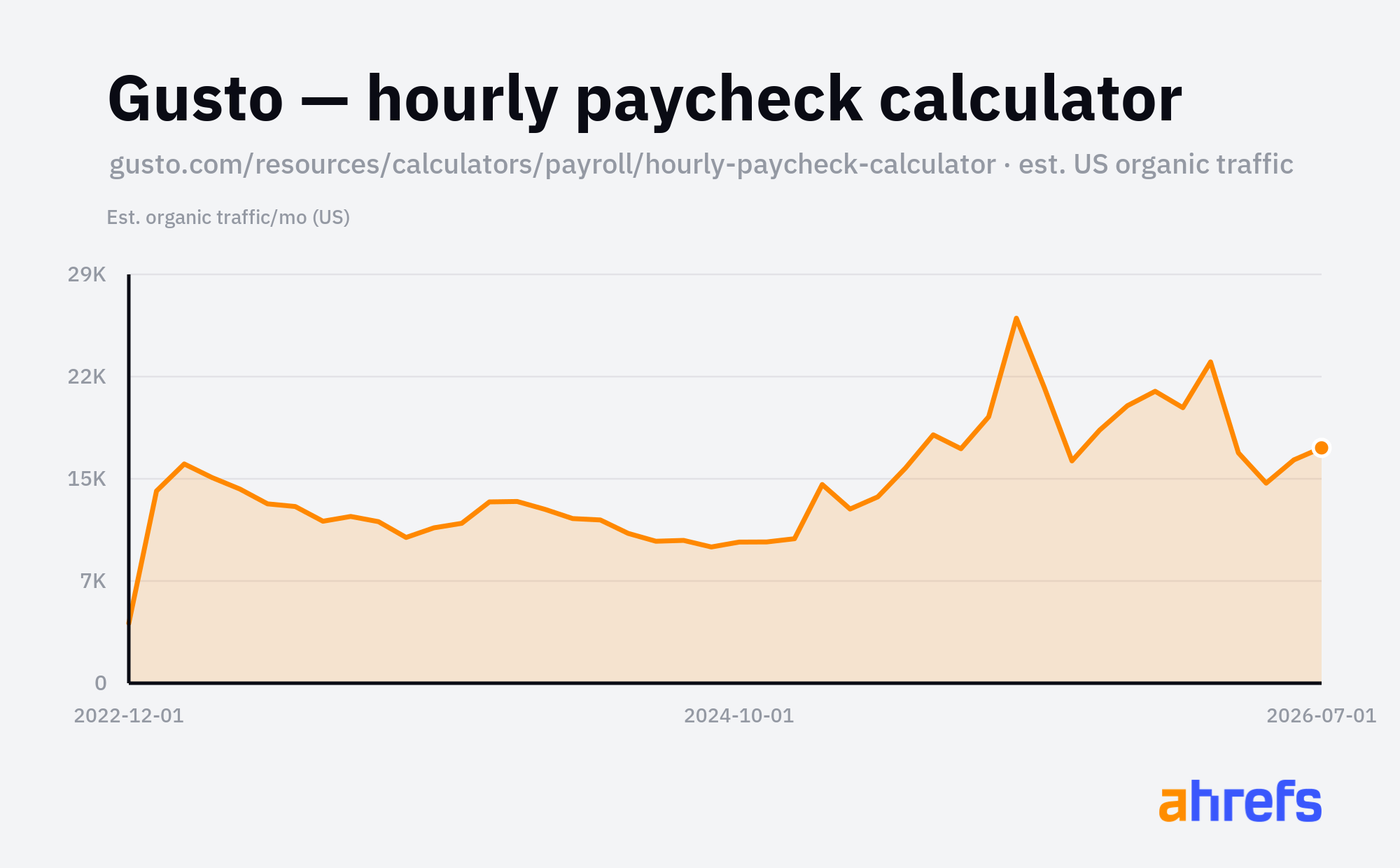
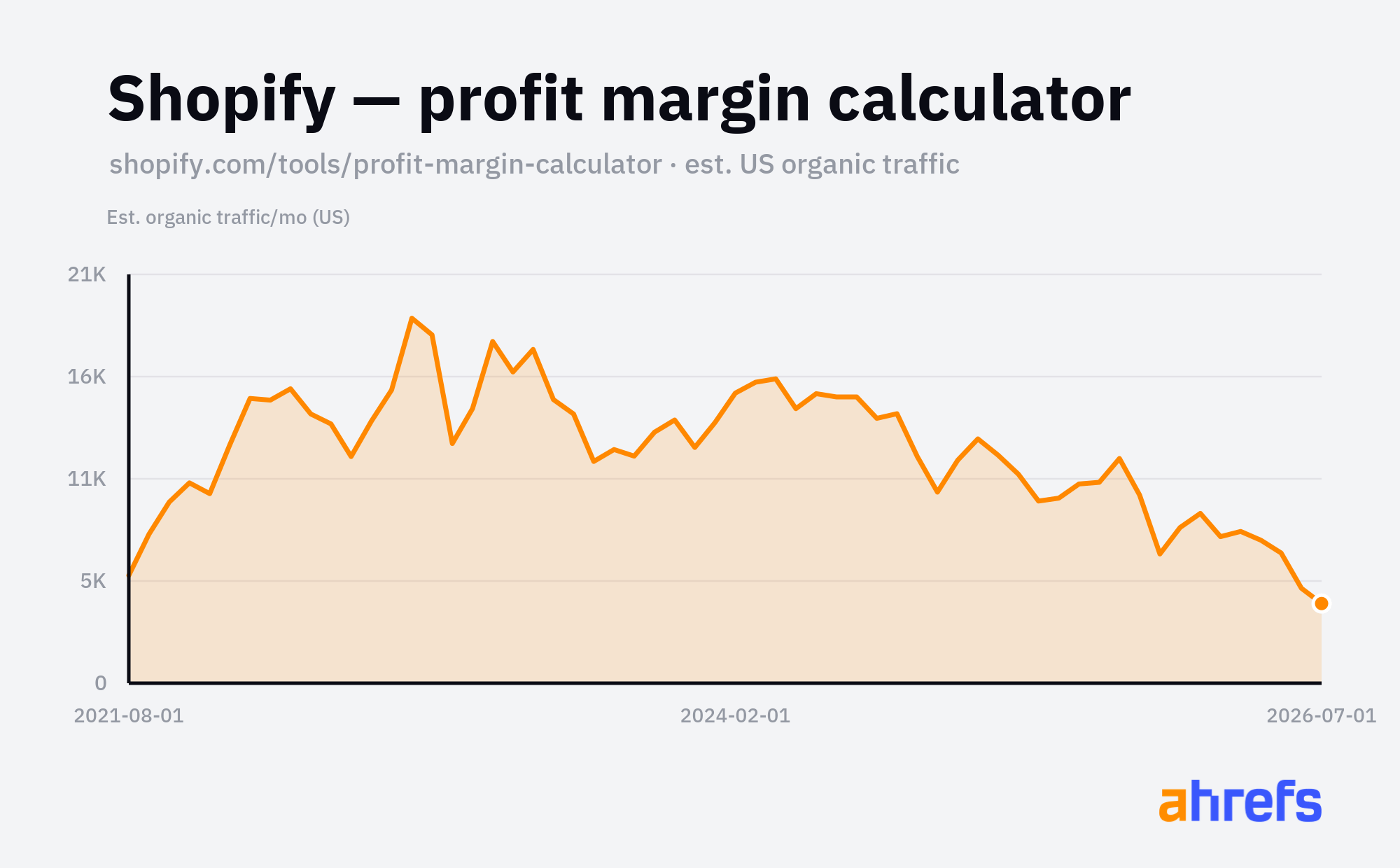
1. Calculators: These tools take user inputs to provide a specific numerical output. For example, a "margin calculator" allows users to input cost and sale price to instantly determine profit margin. Omni Calculator serves as a prime example, hosting thousands of single-purpose calculators—from grade and finance calculators to unit converters—that collectively attract millions of monthly US visits. This strategy isn’t limited to niche sites; Gusto, a payroll and HR software provider, attracts significant traffic with its free hourly paycheck and salary calculators, drawing in small business owners who are potential customers. Shopify also leverages a /tools/ hub, featuring a profit-margin calculator that, even past its peak, continues to introduce merchants to its platform.
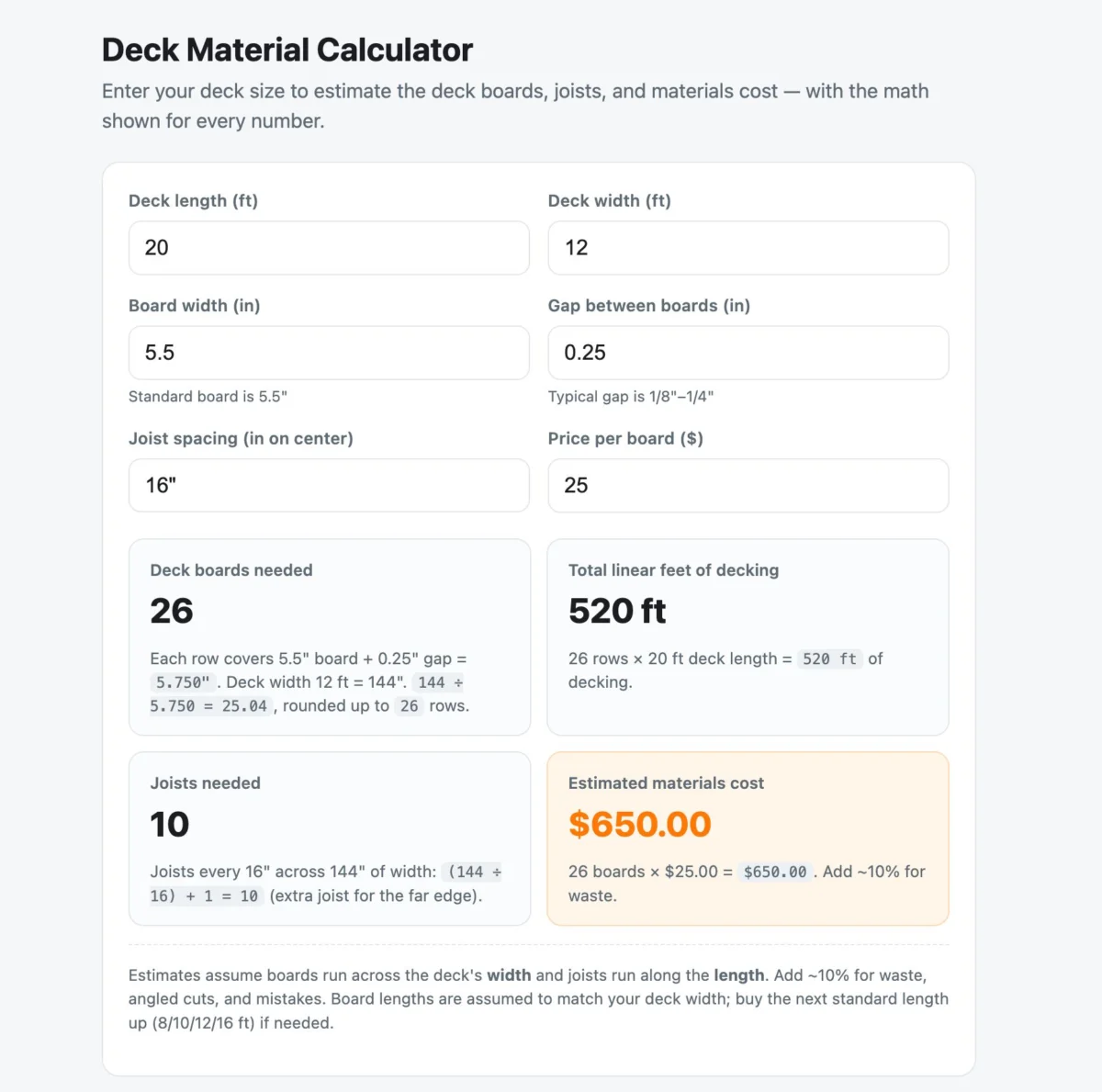
Winnable calculator keywords often lie in niche applications, such as "Amazon FBA calculator," "deck material calculator," "roof pitch calculator," or "Etsy fee calculator," offering lower search volume but significantly reduced competition.
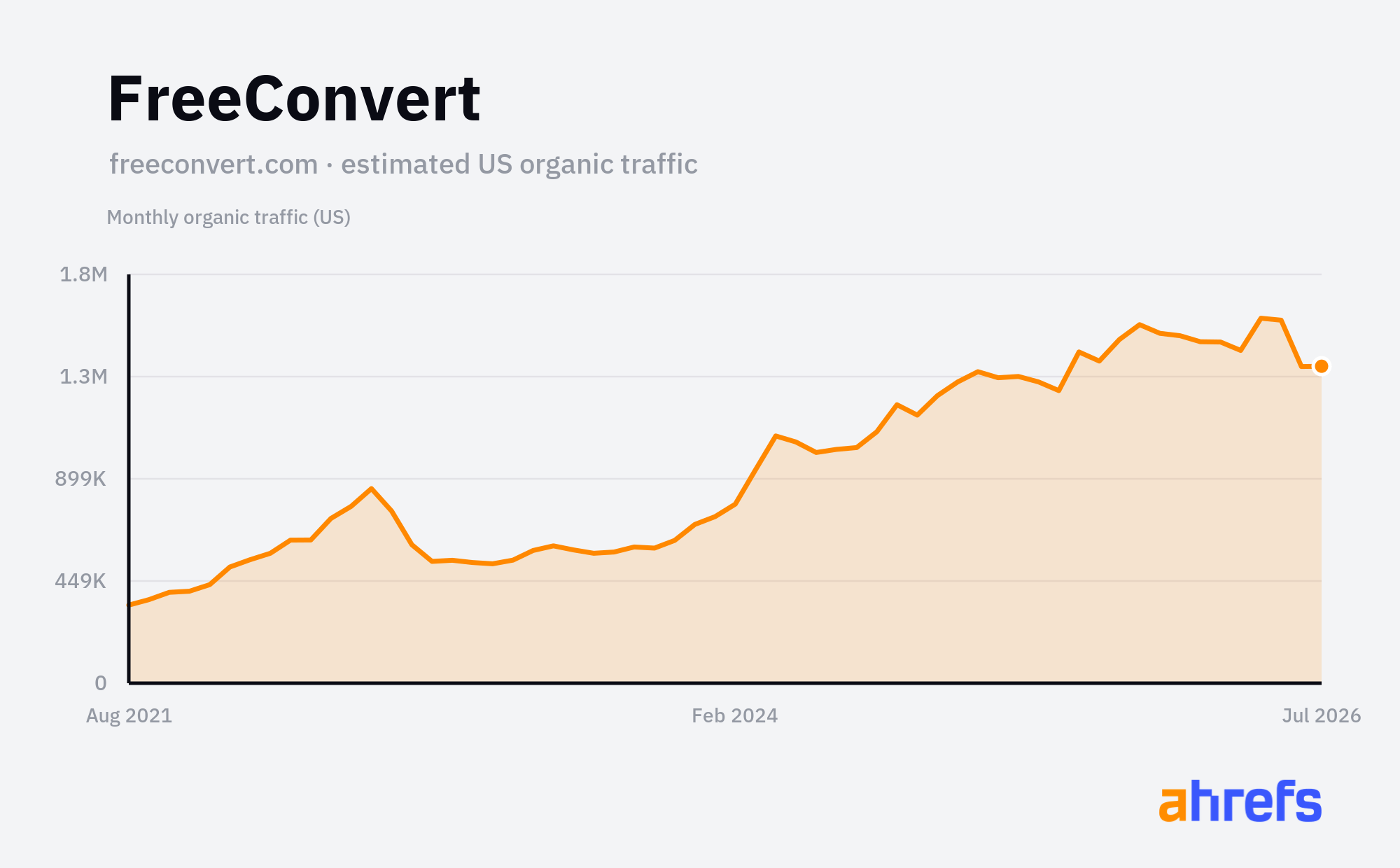
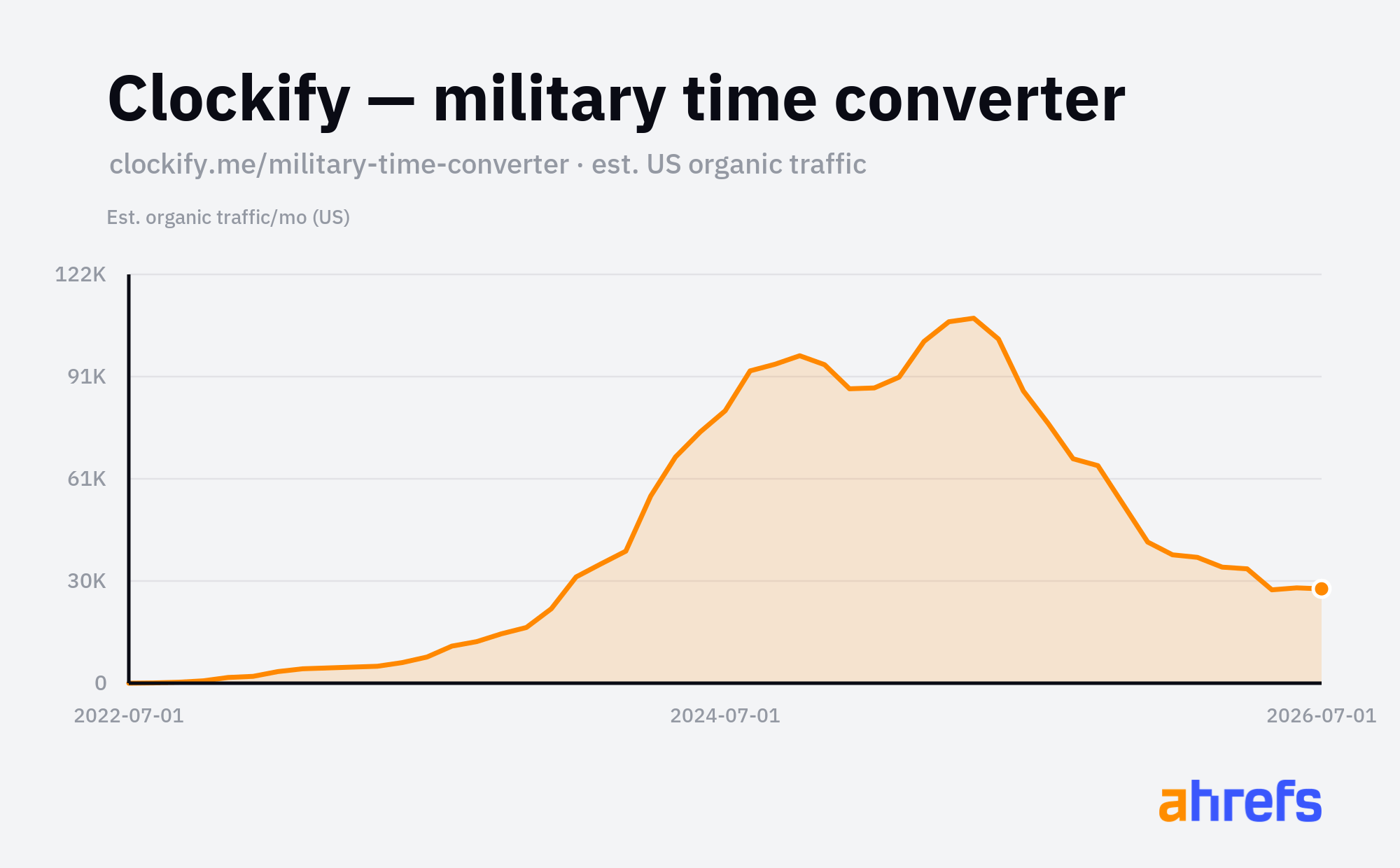
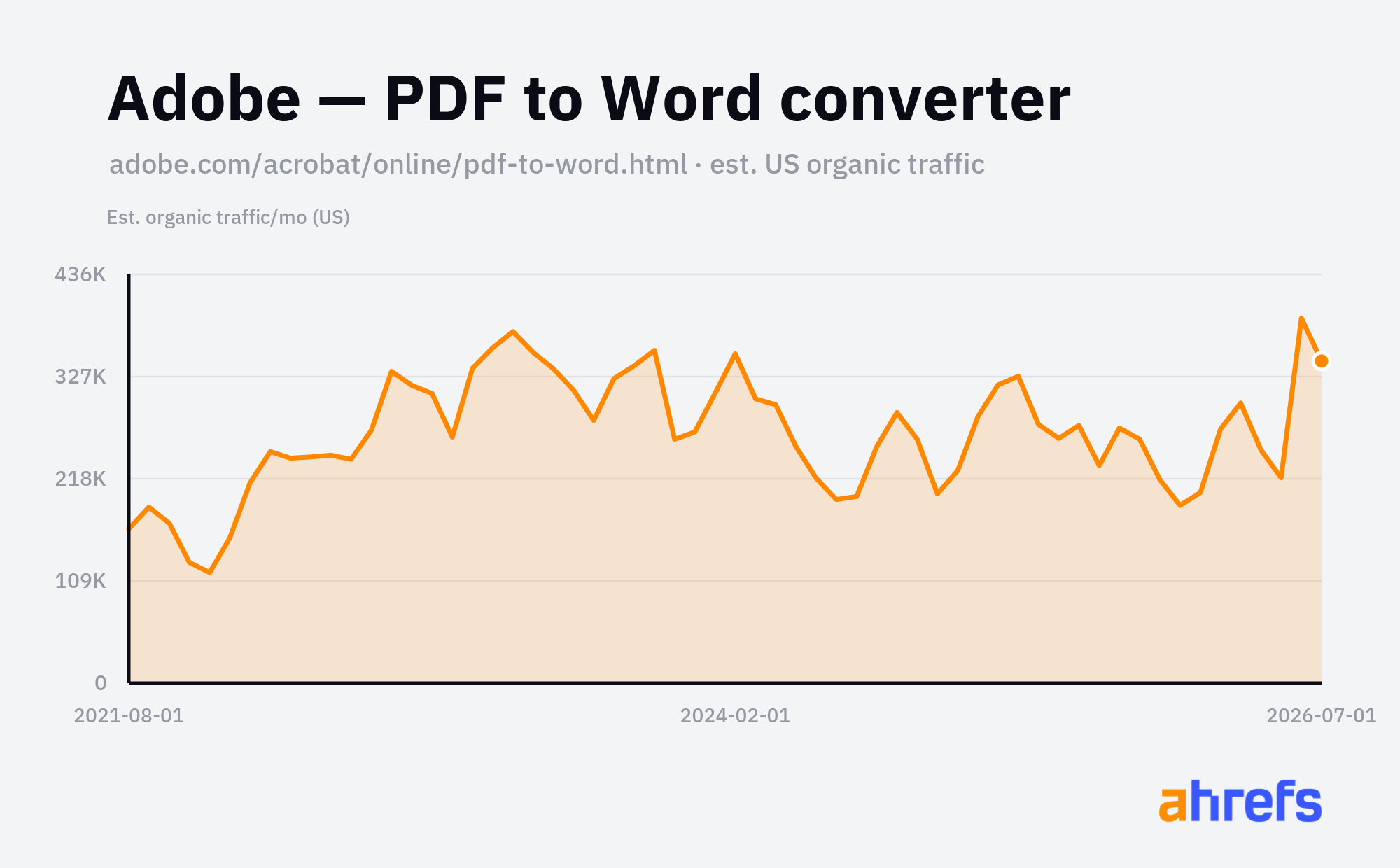
2. Converters: These tools transform data from one format to another. A "MP4 to MP3 converter," for instance, allows users to upload a video file and download the audio. FreeConvert has seen substantial growth by focusing on "convert X to Y" searches, offering a vast array of video, image, and document converters. Clockify, a time-tracking software company, effectively uses a military-time converter to attract users who might also need time-tracking services. Adobe, a leader in document software, utilizes its free online PDF-to-Word converter as a powerful top-of-funnel strategy, drawing hundreds of thousands of monthly visitors to its Acrobat Pro offerings.
Niche converter keywords, such as "PDF bank statement to CSV," "PSD to PNG," "DWG to PDF," or "STL to G-code," present opportunities with lower difficulty and specialized audiences.
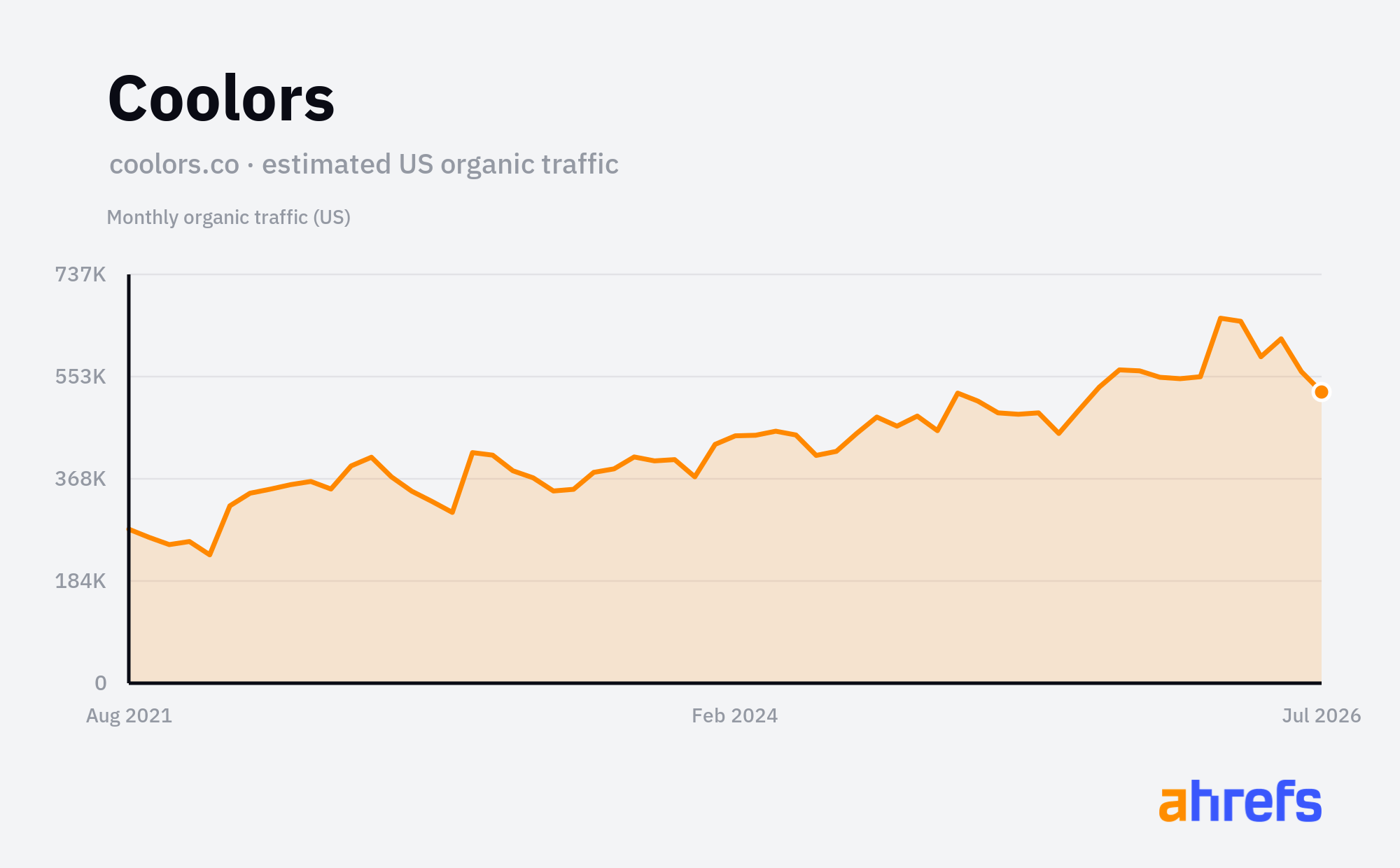
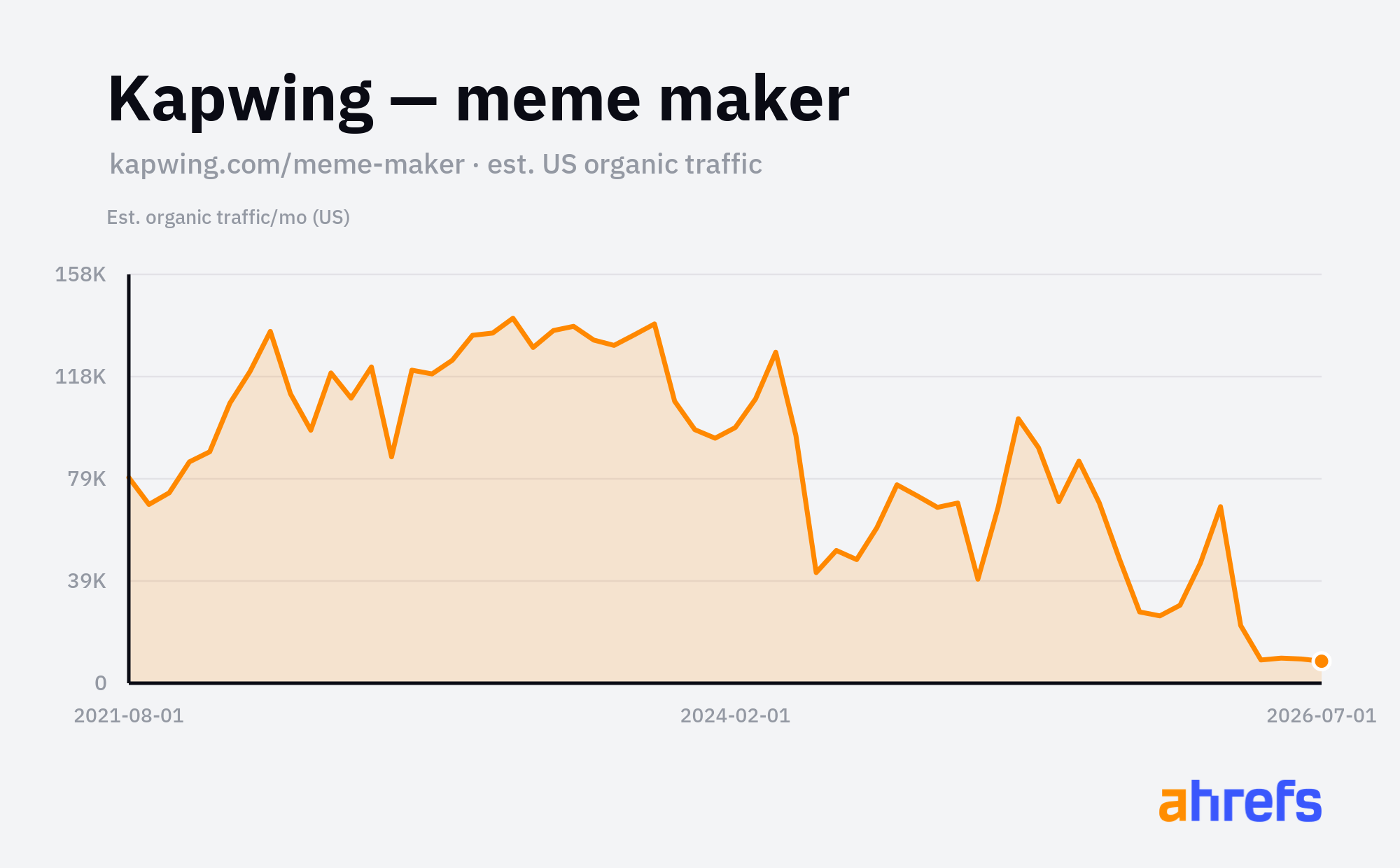
3. Generators: These tools create new content or outputs based on user prompts or selections. A "color palette generator" provides users with ready-to-use color schemes. Coolors, a design tool suite, has expanded its offerings to include font and gradient generators, significantly boosting its organic traffic. Kapwing, a video editing platform, uses small free generators like a meme maker and subtitle generator to attract users who may then engage with its more comprehensive video editing services. HubSpot, a CRM and marketing software provider, employs an email signature generator to attract marketers and salespeople who align with its target audience.
Generator keyword opportunities include niche terms like "band name generator," "podcast name generator," "D&D name generator," or "meta description generator," which offer a more accessible entry point than broad terms like "QR code generator" or "password generator."
4. Templates: This category involves providing ready-made files that users can download and customize. Template.net ranks highly for numerous "template" queries, offering downloadable documents such as doctor’s notes, obituaries, and letters, attracting hundreds of thousands of monthly visitors. Venngage, an infographic maker, offers a /templates/ hub with designs ranging from org charts to infographics, driving traffic from users seeking pre-made visual assets. Canva operates on a massive scale with its /templates/ hub, providing designs for everything from budgets to meeting agendas, attracting over half a million monthly US visits.
For templates, niche keywords like "wedding seating chart template," "construction estimate template," "photography contract template," or "podcast script template" offer a less competitive path to organic traffic.
Finding, Building, and Deploying Your Tool
The process for successfully implementing this strategy involves several key steps:
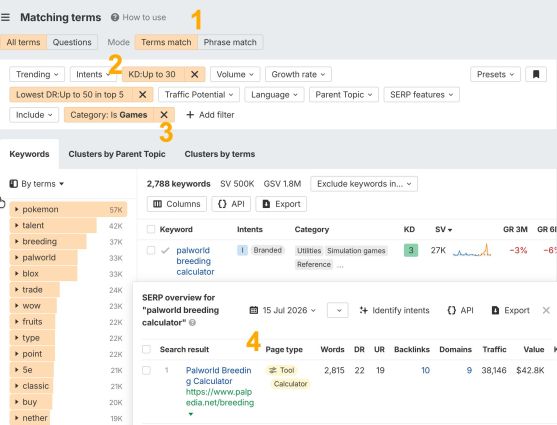
Search Seed Keywords: Utilize Ahrefs’ Keywords Explorer and the "Matching terms" report with broad seed patterns like "[thing] calculator," "[format] to [format] converter," "[thing] generator," or "[document] template."
Filter for Winnable Terms: Apply filters for Keyword Difficulty (KD ≤ 30) and Lowest DR to identify keywords with manageable competition. Sorting by Traffic Potential or Search Volume can reveal valuable niche opportunities.
Identify Niche Opportunities: Use the "Category" filter to pinpoint terms relevant to your specific industry or target audience. Prioritize terms with lower volume but near-zero difficulty.
Sanity-Check the SERP: Examine the Search Engine Results Page (SERP) overview for your shortlisted keywords. If the top-ranking pages are primarily single-purpose tools rather than lengthy articles, it indicates a strong opportunity for a tool-based page. The "Page types" column in Ahrefs provides a clear indication of what ranks best.
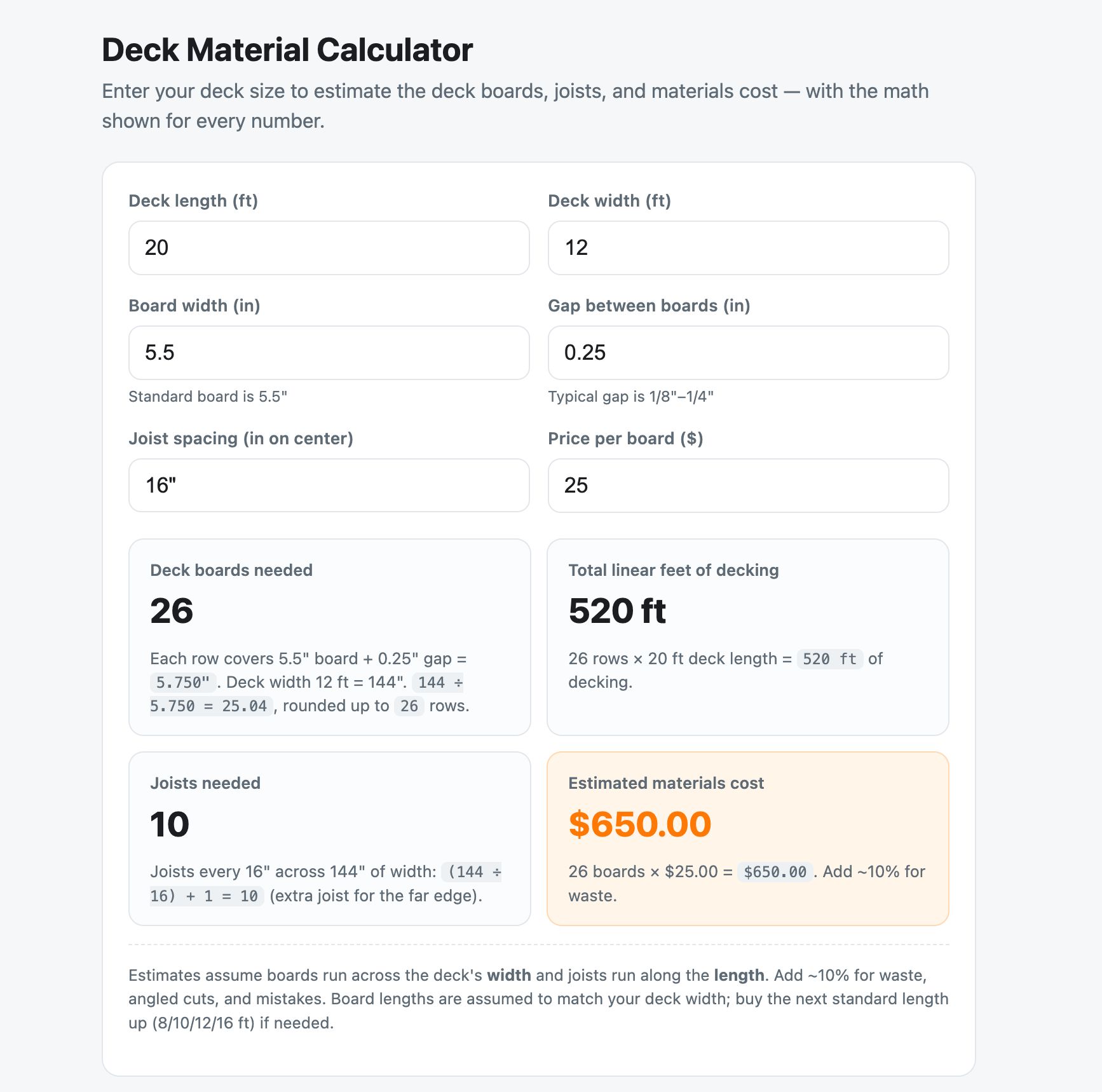
Build with AI: Leverage AI tools like Letaido or ChatGPT to build the tool. Provide a detailed prompt specifying inputs, outputs, desired functionality, and on-page copy to aid SEO. For instance, a prompt for a "deck material calculator" would include specific inputs (length, width, board width, gap, joist spacing, price per board) and desired outputs (number of boards, linear feet, joists, estimated cost), along with instructions for clear working and FAQ sections. This process can be remarkably cost-effective and swift.
Deploy to Your Site: Integrate the generated tool into your website. This involves ensuring the tool is visible in the page’s HTML (not within an un-crawlable iframe), optimizing for mobile-friendliness, and including textual elements like an FAQ block to improve search engine crawling and ranking.
Tools offer a powerful and increasingly accessible method for businesses to capture high-intent search traffic. Their inherent utility makes them resistant to AI-driven content saturation, providing a sustainable and user-appreciated path to online visibility and customer acquisition. By identifying a specific user need, leveraging AI for efficient development, and optimizing for search engines, businesses can build valuable free tools that drive significant and lasting organic traffic.