 11

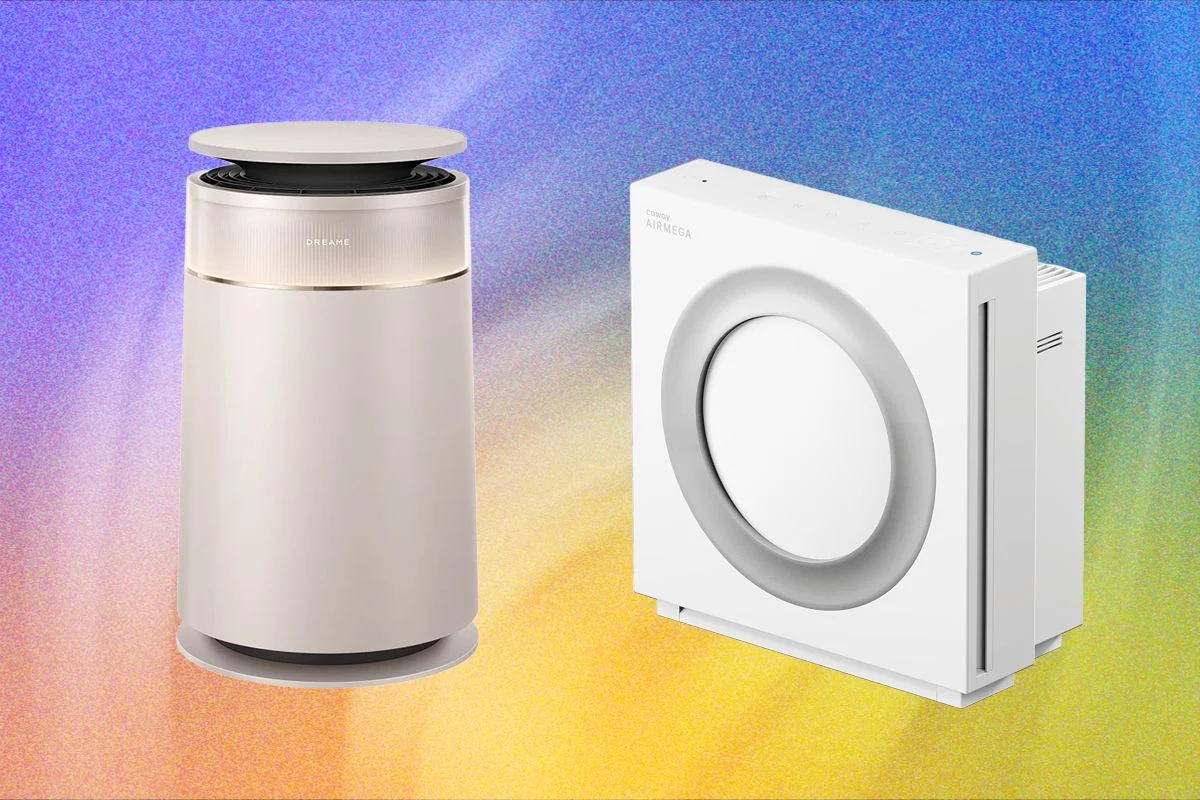
Recent comprehensive testing of various air purifiers reveals significant differences in their ability to clear indoor air pollutants, with some models demonstrating exceptional speed and efficiency, while others struggled considerably. The evaluations, conducted by Molly Higgins, Lisa Wood Shapiro, and Julian Chokkattu, utilized a sealed tent environment and smoke pellets to rigorously assess how quickly units could restore air quality to healthy levels.
Among the top performers, the IQAir HealthPro Plus XE stood out for its unparalleled capability. During testing, this high-end purifier remarkably prevented smoke pellet pollutants from visibly clouding the tent altogether. Although initial readings for Air Quality Index (AQI) and PM 2.5 levels were marked as "hazardous," the IQAir HealthPro Plus XE swiftly brought these levels back to "good" within a mere three minutes, showcasing its superior filtration and rapid response.
Close behind in terms of speed were two other efficient models. The Coway Airmega Mighty2 cleared smoke and returned the air to a healthy status in an impressive four minutes and 10 seconds. Similarly, the Levoit Vital 200S-P Air Purifier effectively cleared smoke and normalized air quality within four minutes and 15 seconds, affirming its strong performance in tackling sudden pollutant spikes.
In stark contrast, the Shark BreatheClear Max presented significant challenges during the smoke test. This unit failed to auto-adjust its fan speed in response to the detected pollutants, a critical flaw in its "intelligent purification" claims. The smoke did not visually clear from the testing tent, indicating a lack of immediate effectiveness. The reviewer had to manually restart the purifier, after which it took an alarming almost five hours for the monitor to register that the air had returned to a healthy level, highlighting a major drawback for rapid air quality restoration.

Detailed Evaluations of Other Tested Air Purifiers:
Shark BreatheClear Max ($360): Launched in April, this purifier boasts intelligent purification, scanning the air 3,600 times per hour and automatically adjusting fan speed. Its filter is designed for longevity, lasting up to six years, and it’s capable of cleaning up to 1,650 square feet in an hour. The updated LCD screen provides extensive information on air insights, historical graphs for air quality, temperature, and humidity, and pollutant measurements for PM 2.5, PM 10, and VOCs. However, the reviewer noted several operational issues, including a finicky bottom panel that often detached. The fan’s auto-detection proved overly sensitive, frequently ramping up to its highest, 75-decibel setting even for minor disturbances like a cat walking by. Crucially, during the smoke pellet test, the purifier did not auto-adjust, requiring manual intervention. After 15 minutes, the screen still read zero percent air quality, and the smoke remained visually uncleared. An accidental restart led to a nearly five-hour wait for healthy air levels to be reported.
Coway Airmega Halo ($230): This is Coway’s latest affordable and lightweight (9.7 pounds) offering in the Airmega line, designed for whole-room purification without Wi-Fi, an app, or a remote. It features an IEST-certified HEPA three-stage filter and a MegaScan Particle Sensor that continuously monitors for smoke, fine dust, and allergens down to PM2.5. In the sealed tent test, the visual smoke cleared in one minute and 45 seconds, with the indicator light turning blue for a healthy level. However, independent testing with an air quality monitor revealed a significant discrepancy, taking nearly six minutes for the air to truly normalize – almost four minutes longer than indicated. Despite this, its Night Sensor feature could be beneficial for nurseries or light sleepers.
IQAir GC MultiGas XE ($1,600): A robust, Swiss-made tower model weighing 55 pounds, the MultiGas XE is equipped with wheels for mobility. At its highest setting, it can clean 275 cubic feet per minute (CFM). Its air sensor’s indicator light aligns with US AQI colors, and the built-in sensor along with the IQAir app provide an intuitive user experience. This unit excels at capturing toxic gases and vapors, with fan speeds that auto-adjust in auto mode. It has proven effective in large spaces, maintaining healthy indoor air quality in an A-frame cabin with double-height ceilings (approximately 3,000 cubic feet) over two months. The trade-off for its power is noise; at its highest setting, it runs at a loud 68 decibels, comparable to a consumer vacuum cleaner, though quieter at lower settings. While expensive, it is presented as a durable, long-term investment.
Airthings Renew ($300): This unassuming, minimalist purifier impressed with its quiet and powerful operation. Its gray box design allows for multiple placement options – standing with upward or sideways air output, or lying on the floor. The Airthings app offers data graphs and functions as a remote, allowing adjustment of settings and panel lock, a useful feature for pet owners. The control panel and indicator light are subtle, making the tiny air quality light difficult to discern. While ideal for smaller rooms like bedrooms, home offices, or nurseries, placing it in a larger room necessitates running it at its highest setting. A notable drawback identified after several months of use was the exterior prefilter, which effectively captured pollutants but could not be cleaned even with a vacuum.

Coway Airmega ProX ($905): Described as a "monolith" for high-ceilinged homes, this model is designed for spaces exceeding 8 feet, such as A-frame or double-height lofts. Its mocha beige aesthetic helps it blend into a room, and it can clean the air four times per hour in a 1,000-square-foot space at its highest setting. Even at this maximum output, it operates at a relatively quiet 50 decibels, slightly louder than falling rain. It includes a control panel lock. However, at 50 pounds, despite hidden handles and lockable wheels, its weight makes it less practical for the average home consumer to move frequently.
Coway Airmega 400S ($646): This model is praised for its comprehensive features, including a reliable auto mode that adjusts fan speed based on its built-in air quality sensor, and a timer function. While it has a serviceable app, its intelligent auto-adjusting fan minimizes the need for constant manual management. It performs its job quietly, making it a strong contender for effective and unobtrusive air purification. Its dimensions (15 x 23 x 15 inches) can make placement challenging in some rooms.
AirDoctor AD4000 Air Purifier ($429): AirDoctor produces sturdy and reliable purifiers, but the AD4000 lacks Wi-Fi compatibility, preventing users from viewing indoor air quality data on an app despite having an internal sensor. To achieve its advertised four air exchanges per hour in larger spaces, the fan must run at its highest setting, generating 100 decibels of noise – comparable to a low-setting hair dryer. The CDC recommends no more than 15 minutes of exposure to 100 decibels. Therefore, this unit is better suited for smaller rooms (200-300 square feet) where it can operate at lower, quieter settings. An unboxing issue involved a sticker pulling off part of the control panel.
Airdog X5 ($549): The Airdog X5 features washable filters and is California Air Resources Board (CARB) certified for electronic filtration, distinct from mechanical HEPA filters. Its built-in sensor is responsive and synchronized with other air quality monitors. Using patented TPA technology, it charges and captures particles, occasionally making "zap" sounds when the filter becomes heavily soiled. A limited-edition pet plate, designed for a cat to perch on, did not appeal to the reviewer’s cats.
Windmill Air Purifier ($299): This purifier boasts a Scandinavian aesthetic, with a bamboo finish that offers a furniture-like appearance, potentially wearing better than the blue veneer which showed white nicks. It pairs with the Windmill Air app for control and features an internal sensor and indicator light (green for good, yellow for moderate, pink for bad, red for unhealthy). While its "boost" setting is the loudest, lower settings are relatively quiet, with the eco mode being the preferred operational choice.

Coway Airmega 50 ($80): A miniature version of the Airmega 100, this affordable unit is surprisingly effective for its compact size. Its built-in sensor triggers auto mode and an air quality indicator light that provides instant information with a "nightlight vibe." However, Coway’s custom color scheme for air quality (blue for good, green for moderate) deviates from the standard US AQI colors, which can be confusing.
Puroair 240 HEPA Air Purifier ($160): At less than 9 inches tall, the Puroair 240 is a tiny, CARB-certified unit that, while loud, can be effective in small spaces (100-150 square feet). Its small filter size was found insufficient for average-sized rooms, and comparable larger, quieter models offer better air exchange for a similar cost. The indicator light (green for acceptable, yellow for moderate, red for poor) is a thin sliver that can be hard to see. Features include auto/manual mode, a timer, child lock, and a filter replacement light. It employs a three-stage filter system: HEPA 14, activated carbon, and a prefilter. The black plastic exterior was prone to fingerprints.
Coway Airmega 250 ($380): With a decent footprint, the Airmega 250 is rated to clean a 930-square-foot room twice an hour. Its smart air purifier mode automatically detects unhealthy particles from activities like cooking or drywall patching, adjusting fan power accordingly. The highest fan setting measures 60 decibels, with a silent sleep mode available. Standard controls include timer functionality and filter replacement indicators. It uses a true HEPA filter (replaced every 6-12 months), a washable prefilter (cleaned every two weeks), and an activated carbon filter, collectively claiming to remove 99.999 percent of ultrafine particles down to 0.01 microns. Filters are easy to clean and replace. Weighing approximately 21 pounds, it is fairly portable. Coway provides a three-year warranty. The Airmega 250S is a Wi-Fi-enabled variant.
Oransi AirMend True Carbon ($350): This model prioritizes odor removal, featuring a 3-pound activated carbon filter instead of a HEPA filter. It includes a remote but lacks an internal sensor, meaning fan speed adjustments are manual with a slight lag. A magnetic remote holder is a thoughtful addition. The unit is generally quiet and boasts a minimalist design. Its effectiveness in eliminating strong odors, such as those from a litter box or retained kitchen smells, was highly praised. However, as it is HEPA-less, it cannot capture fine particulates like PM2.5, a critical distinction for potential buyers. A wall mount and travel bag are sold separately.
PurOxygen P500i ($170): Suitable for smaller rooms (under 200 square feet), the P500i offers an easy-to-read display, app compatibility, and convenient side handles. While it can reach 50 decibels at its highest setting, it operates quietly at lower speeds. Its combined filter system includes a hand-washable prefilter, activated carbon, a HEPA 13, and a cold catalyst filter. Though CARB-certified as a mechanical air purifier, the Environmental Protection Agency (EPA) generally does not recommend cold catalysts due to their limited effectiveness in breaking down gases.

How to Shop for an Air Purifier:
To select the right air purifier, consumers should aim for five air exchanges per hour (ACH), as recommended by the CDC. When evaluating a unit, consider its cubic feet per minute (CFM) airflow at the lowest setting. To determine the cubic footage of your room, multiply the room’s area by its height.
Crucially, always look for CARB (California Air Resources Board) certification, which signifies that the unit meets stringent air quality standards. Understanding filter types is also paramount:
A common oversight when setting up a new air purifier is forgetting to unwrap the filters from their plastic bags – a simple step that can severely impact performance.
How to Check Your Air Quality:

Outdoor air quality is often reported through the Air Quality Index (AQI), established by the EPA, which measures major pollutants like ground ozone and carbon monoxide. Apps like AirCare (available on iOS and Android) provide localized AQI data.
For indoor air quality, consumer monitors such as the Airthings View Plus ($330) can measure carbon dioxide, temperature, humidity, and particulate matter (PM) of various sizes, including the health-compromising PM 2.5.
WIRED’s Review Methodology:
WIRED evaluates popular air purifier models across all brands and price points, considering features, size, effectiveness, and consumer popularity. While companies may provide samples, editorial coverage is not guaranteed, and affiliate revenue from purchases does not influence editorial decisions. After testing, top-performing units are retained for long-term evaluation, while others are donated to local organizations, including NYC public schools.






