 11
11
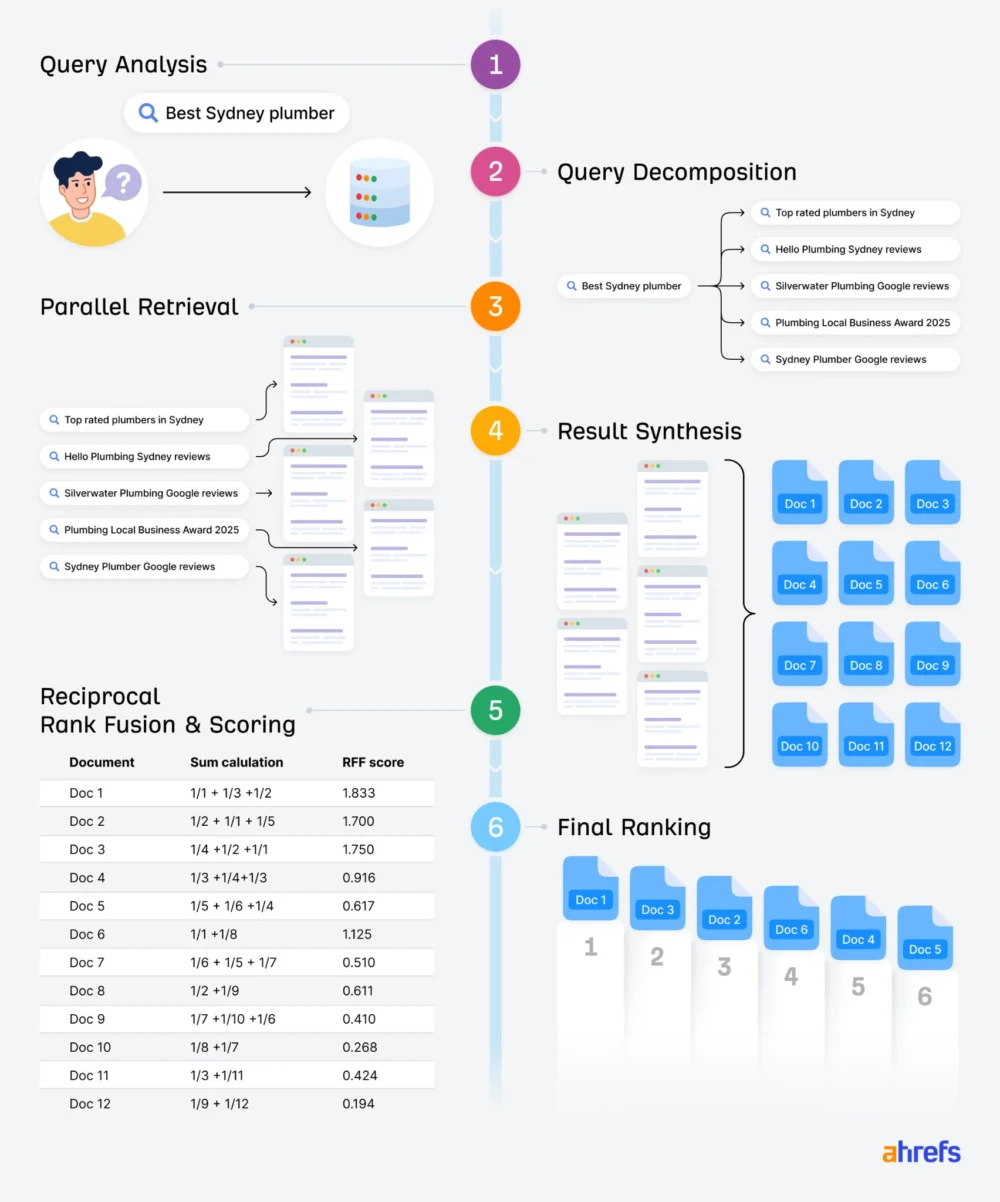
The landscape of online search is undergoing a profound transformation, shifting from a one-to-one query-response model to a more expansive one-to-many approach driven by artificial intelligence. This evolution, known as "query fan-out," is fundamentally altering how users discover information and, consequently, how businesses and content creators must adapt their Search Engine Optimization (SEO) strategies.

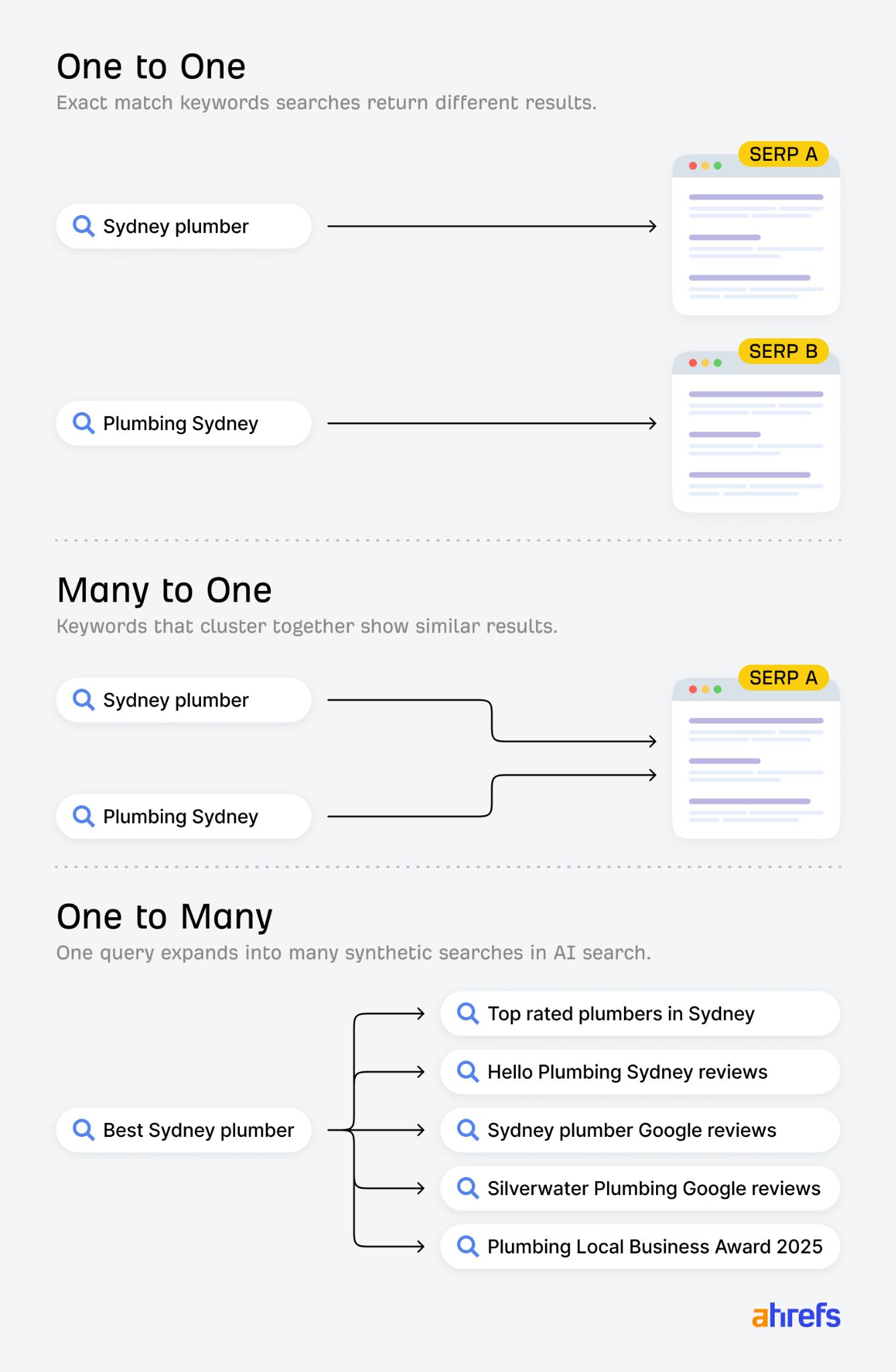
Traditionally, search engines operated on a direct match principle: a specific search query yielded a precise set of results. This evolved into a many-to-one model, where similar queries like "Sydney plumber" and "plumbing service in Sydney" were recognized as having the same informational intent, thus returning overlapping results. However, AI-powered search, exemplified by tools like Google’s AI Mode and ChatGPT, has flipped this paradigm. Now, a single user query can trigger a cascade of multiple, related sub-queries behind the scenes. This "query fan-out" technique allows AI models to gather more comprehensive context, leading to more nuanced and complete answers.
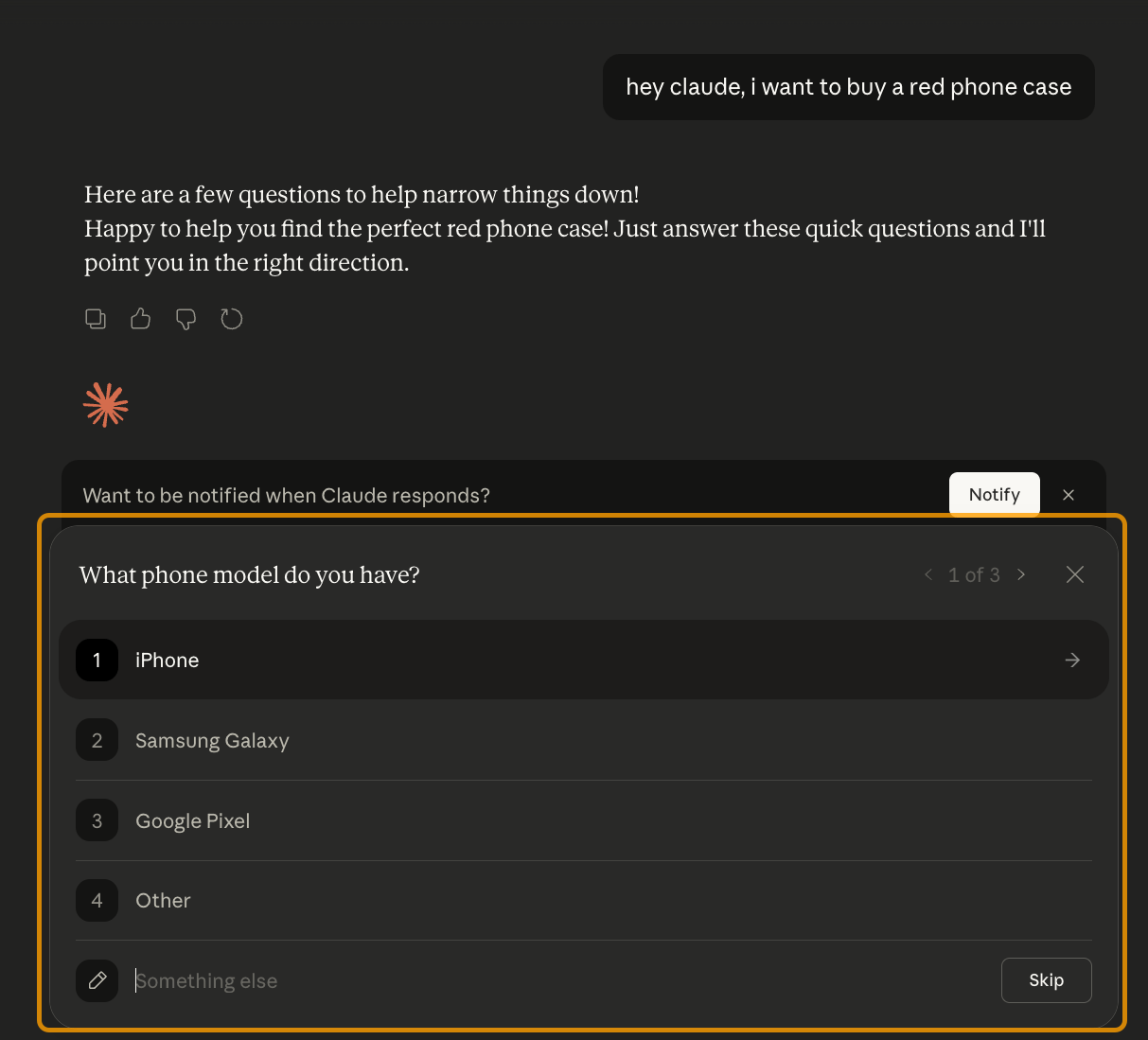
For instance, a user searching for "buy red phone case" might typically perform only a handful of searches to find a suitable product. In contrast, ChatGPT’s Deep Research feature, when tasked with the same query, initiated an astonishing 420 searches. This extensive research aimed to cover a vast array of potential user needs and implicit criteria, including identifying the user’s specific phone model, preferred case types, and even various shades of red. This illustrates the AI’s effort to anticipate and address implicit questions and contextual variations that a user might not explicitly state.

Understanding Query Fan-Out: Form and Function
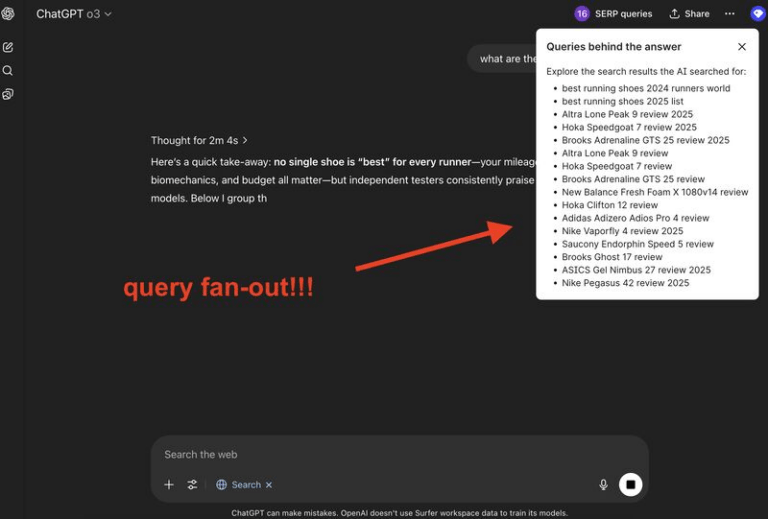
Query fan-out can be analyzed through two lenses: its format and its function. Researchers have identified several common formats for these synthetic queries, which appear across various AI search platforms:

Functionally, the complexity and ambiguity of a user’s prompt dictate the depth of the fan-out. Underspecified queries compel AI to either seek clarification or autonomously gather more context. Some AI models, like Claude, may ask clarifying questions upfront, reducing the need for extensive background research. Others, like ChatGPT in its Deep Research mode, opt for a broad investigative approach, initiating numerous searches to cover all potential angles. Studies indicate an average of 9-11 fan-out queries per prompt, with a significant percentage triggering 12 or more.
The Impact on SEO and AI Visibility

Query fan-out represents a significant paradigm shift for SEO professionals. The traditional focus on ranking #1 for a single, specific keyword is no longer sufficient. AI systems now evaluate content relevance across a spectrum of related queries simultaneously. This means content must demonstrate comprehensive coverage of an entire topic landscape to be considered authoritative and be cited by AI.
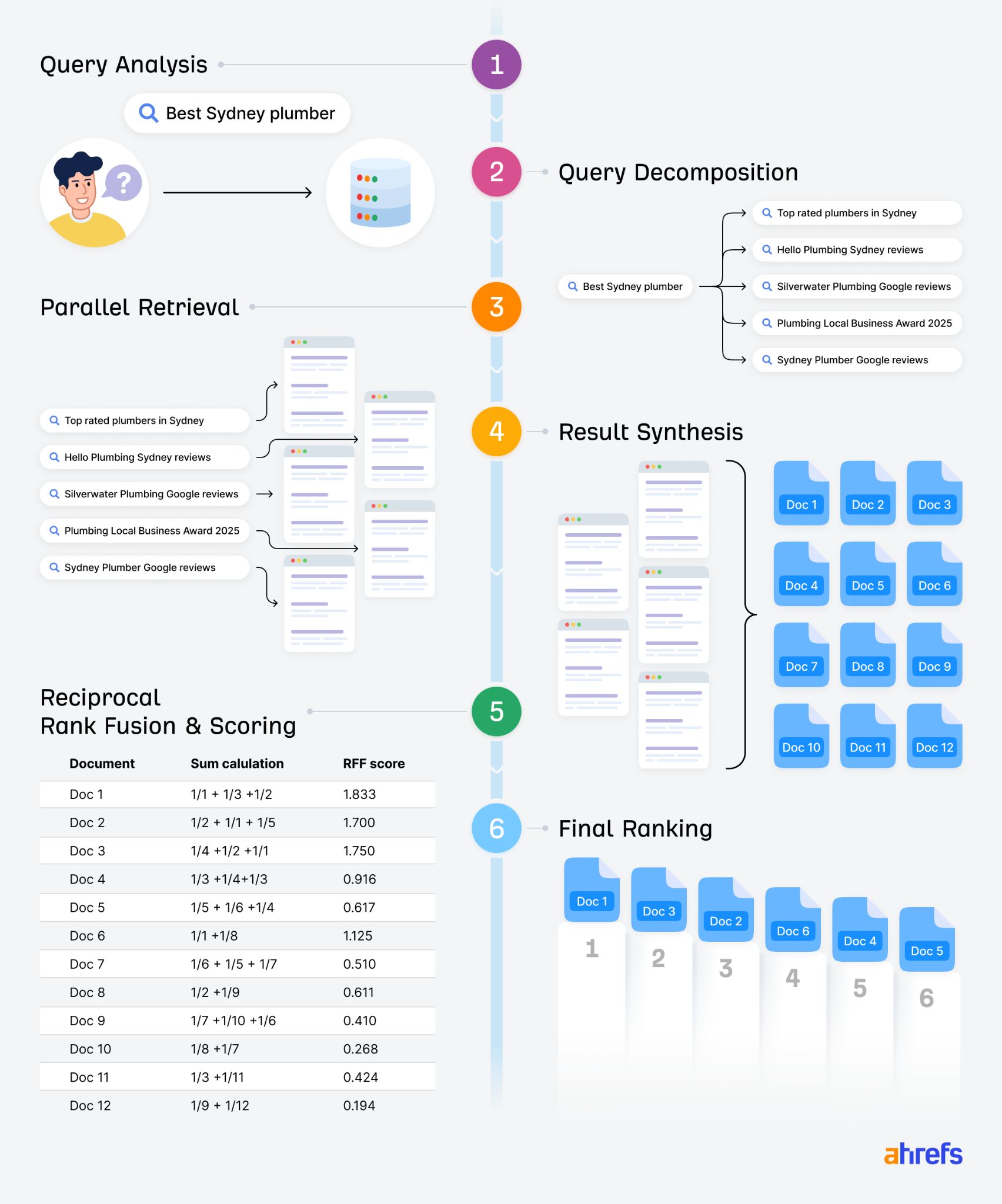
Furthermore, AI search excels at inferring implicit context, a departure from traditional search engines that relied heavily on explicit terms. User search history, behavior, and other data points allow AI to understand user intent more deeply, even when not fully articulated in the query. This ability to account for implicit context is crucial for AI’s role in guiding users toward their goals.

Optimizing for Query Fan-Out
Adapting to query fan-out requires a strategic re-evaluation of content and SEO practices. The process involves several key steps:
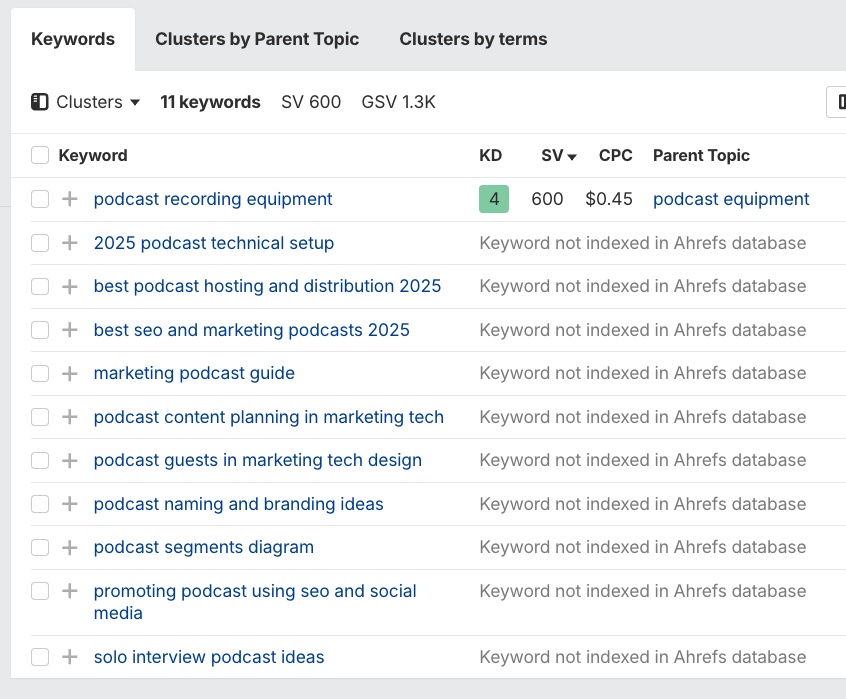
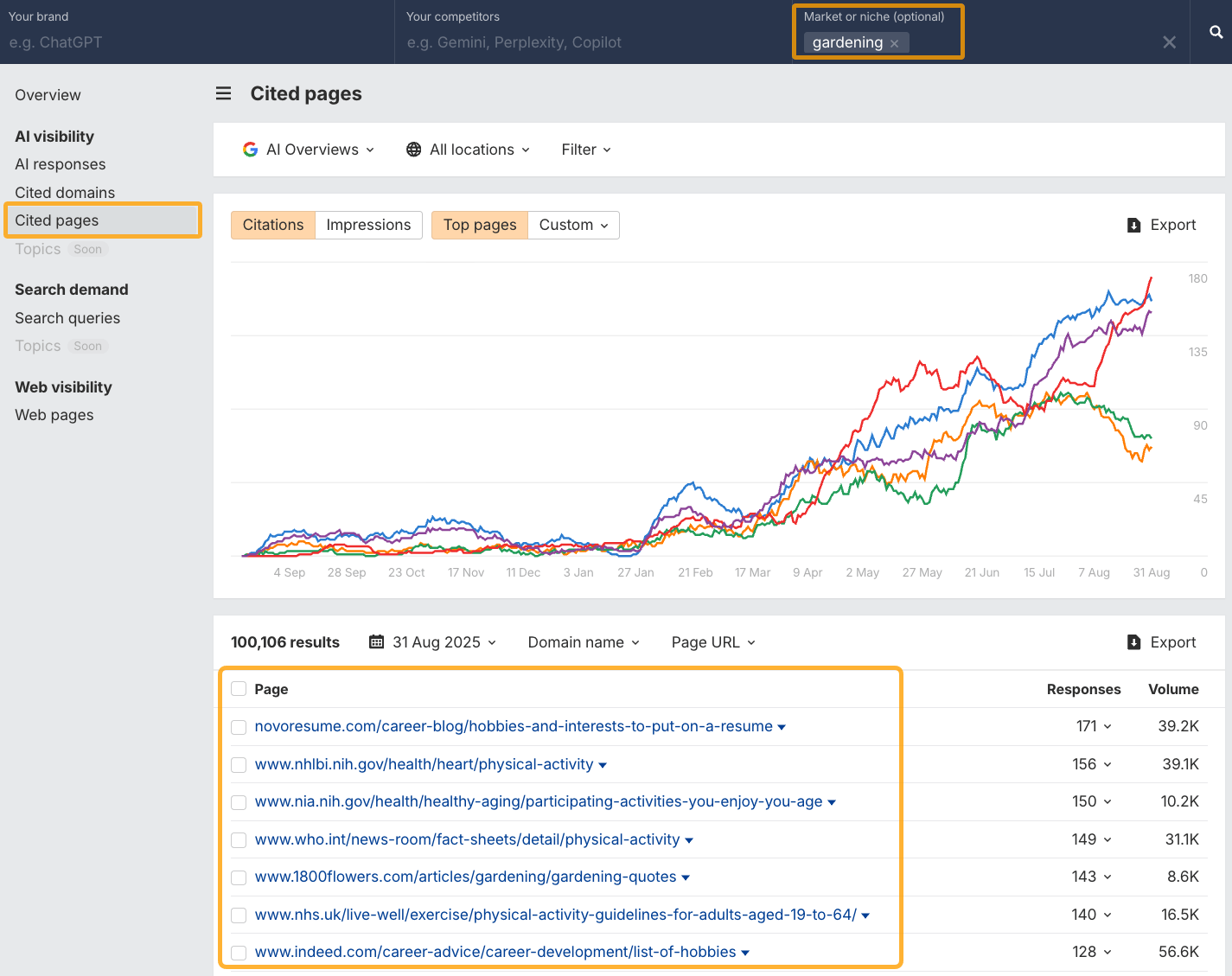
Map Fan-Out Themes and Patterns: Utilize tools like Ahrefs’ Brand Radar to identify the fan-out queries generated by AI for specific topics. Instead of optimizing for these exact terms, focus on understanding the underlying patterns they represent (e.g., entity-heavy, journey-heavy, trust-heavy). Prioritize patterns that are most relevant to your audience and business objectives. Analyze search metrics for these queries to discern those with actual search potential.
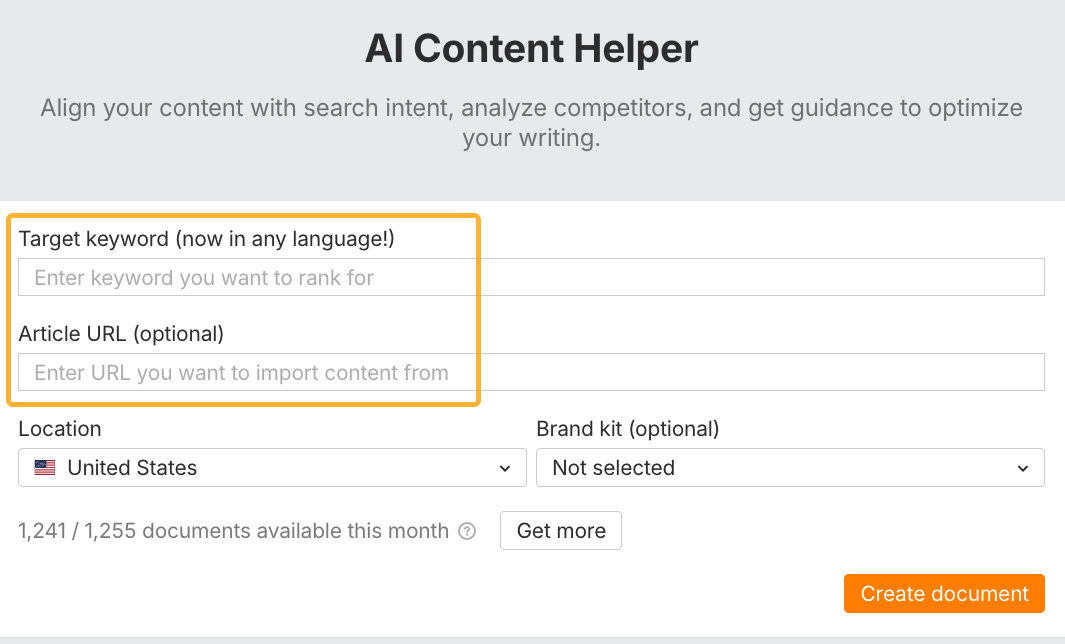
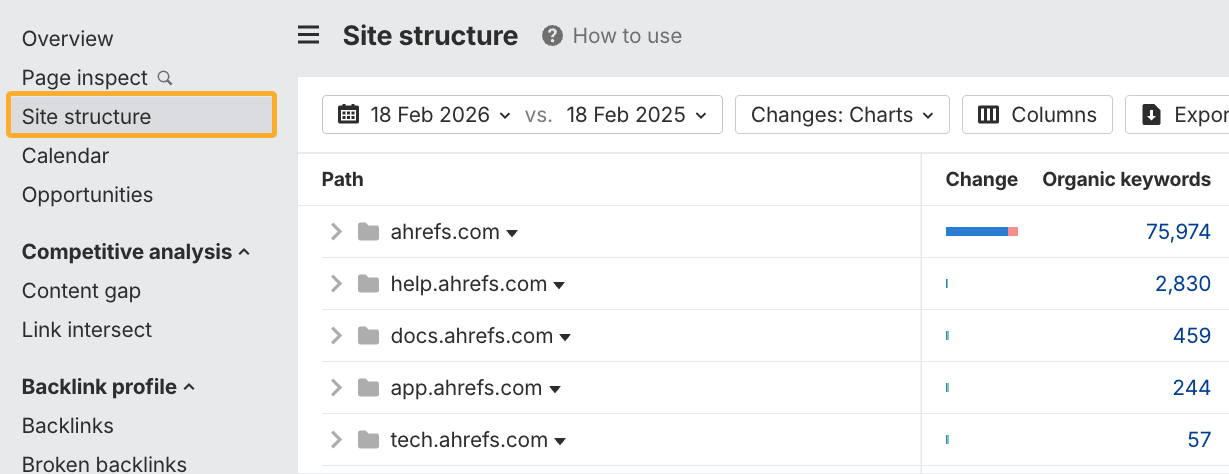
Audit Fan-Out Query Coverage: Assess existing content for gaps related to identified priority fan-out patterns. This involves both a broad, sitewide audit to identify major topic omissions and a page-by-page deep dive to ensure comprehensive coverage of specific angles. Tools like Ahrefs’ Site Explorer and AI Content Helper can assist in this analysis, identifying content gaps and suggesting areas for improvement.
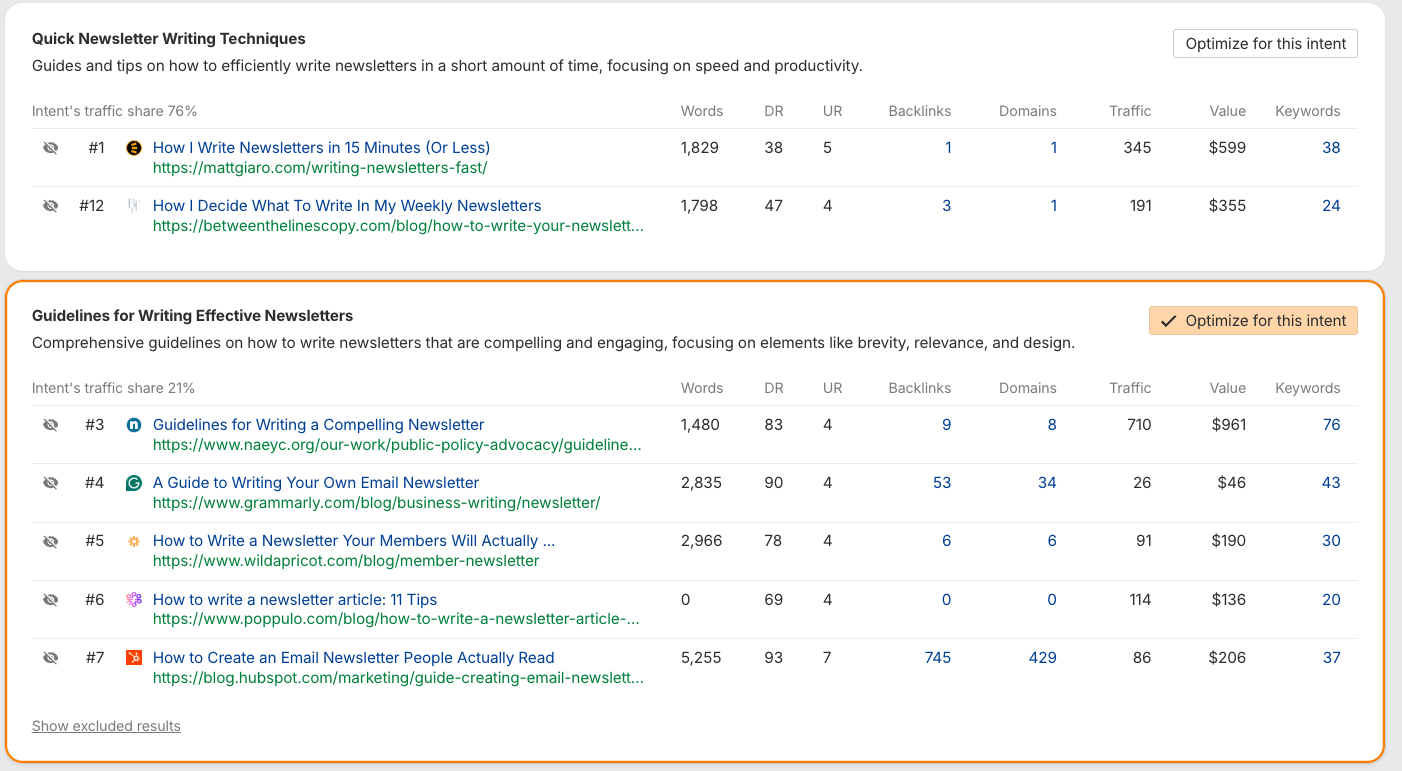
Close Gaps On and Off Your Website:
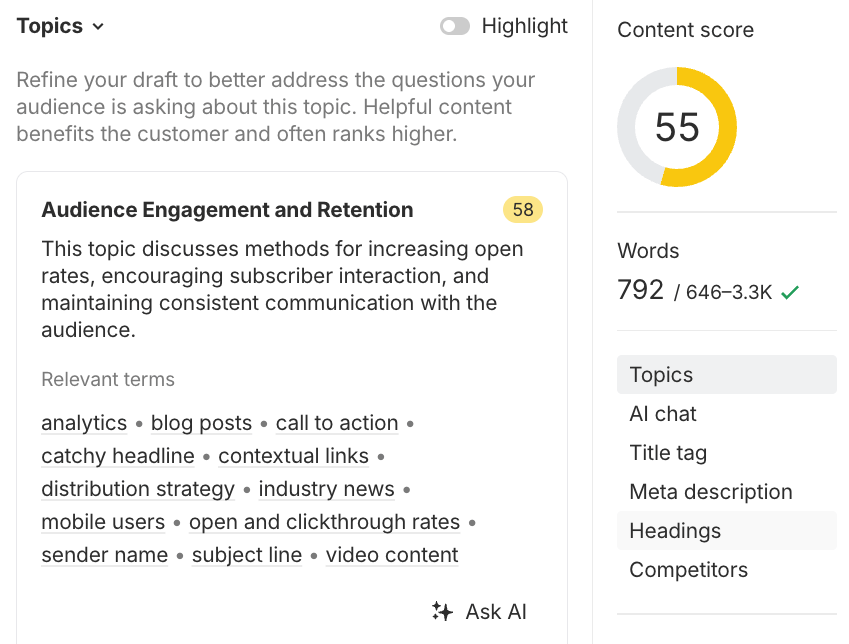
Measure Topic Coverage and Performance: Continue to monitor traditional SEO metrics like rankings and traffic, but integrate AI visibility metrics such as citations and topic coverage. Ahrefs’ Brand Radar dashboard offers insights into performance across various AI search surfaces, providing a holistic view of content’s reach.
In conclusion, query fan-out signifies a fundamental shift in how search works. It highlights the importance of understanding the implicit contexts and cognitive processes that drive user searches. For enhanced visibility in the age of AI search, the focus must move beyond optimizing for individual keywords to comprehensively covering the explicit and implicit contexts that users are seeking. By mapping fan-out patterns, auditing content, and systematically filling identified gaps, businesses can position themselves for success in this evolving search landscape.