 11
11
The advent of AI search represents the most significant development in the digital marketing industry in a decade, yet it is also perhaps the most oversold. Weekly pronouncements of new acronyms, emerging eras, and urgent calls to action suggest a constant state of disruption, with much of it amounting to noise rather than actionable change. However, beneath the fanfare, several genuine AI search trends have been steadily gaining momentum throughout the year, supported by concrete data on search volume and social media discussion.
1. The Escalating Demand for AI ROI Reporting
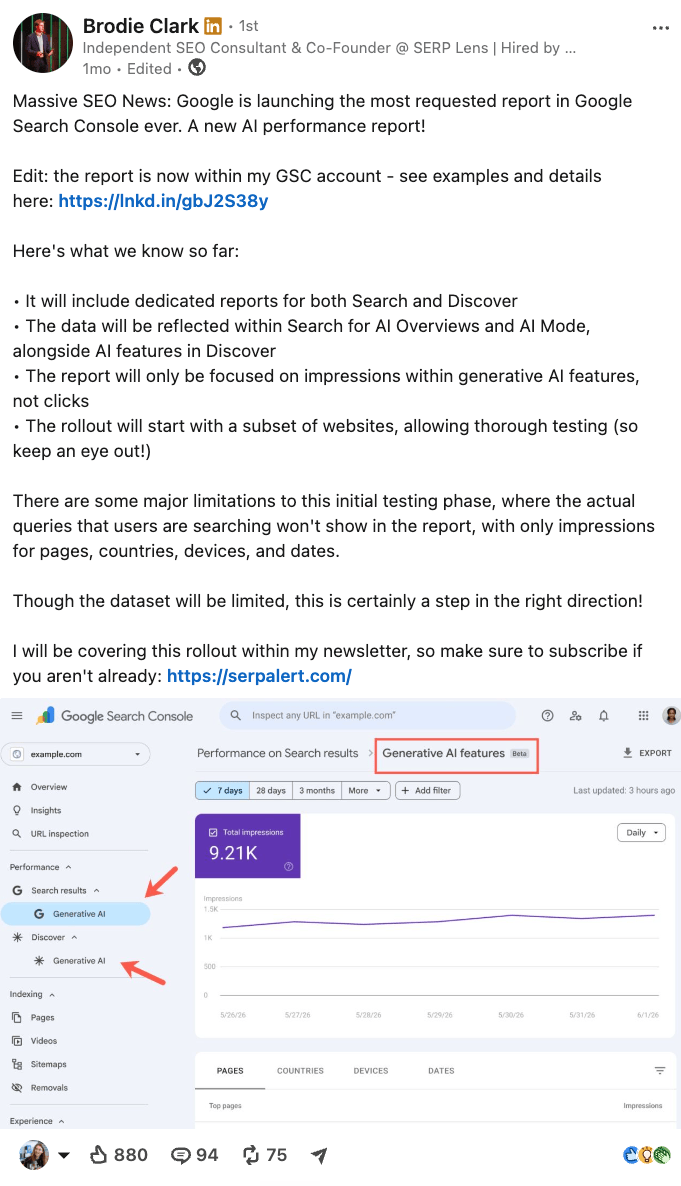
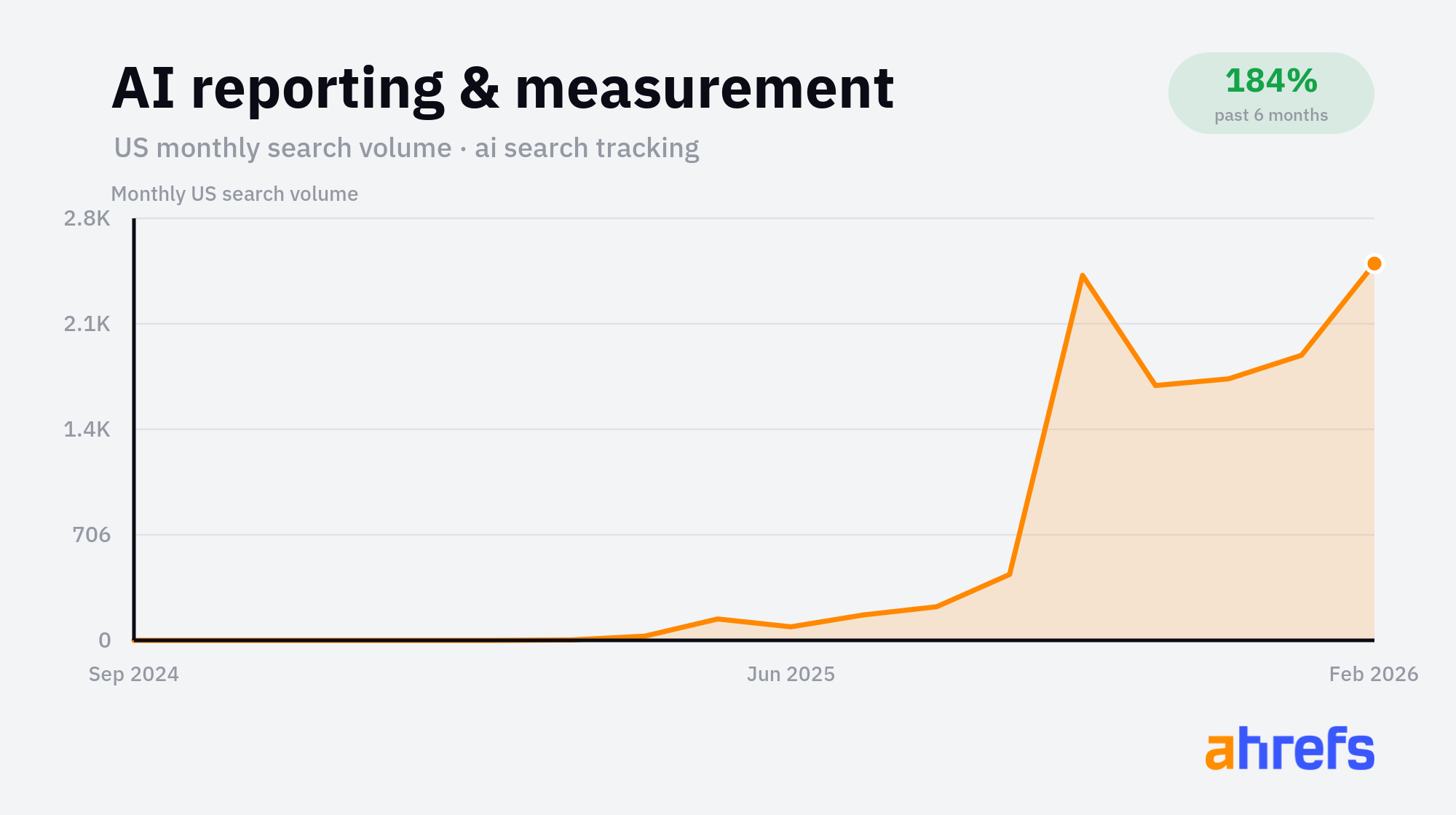
Since the launch of ChatGPT in late 2022, marketers have been intensely focused on understanding their brand’s visibility within AI-generated answers. This demand has fueled an explosive growth in searches for AI visibility tools, with terms like "AI search tracking" experiencing an 184% surge and "AI rank tracking" increasing by 175%. Google’s recent introduction of an AI performance report in Search Console, which breaks down visibility within AI Overviews and AI Mode, underscores this appetite for data. This report, described by industry experts as the "most requested report in Google Search Console ever," highlights the critical need for understanding AI performance.
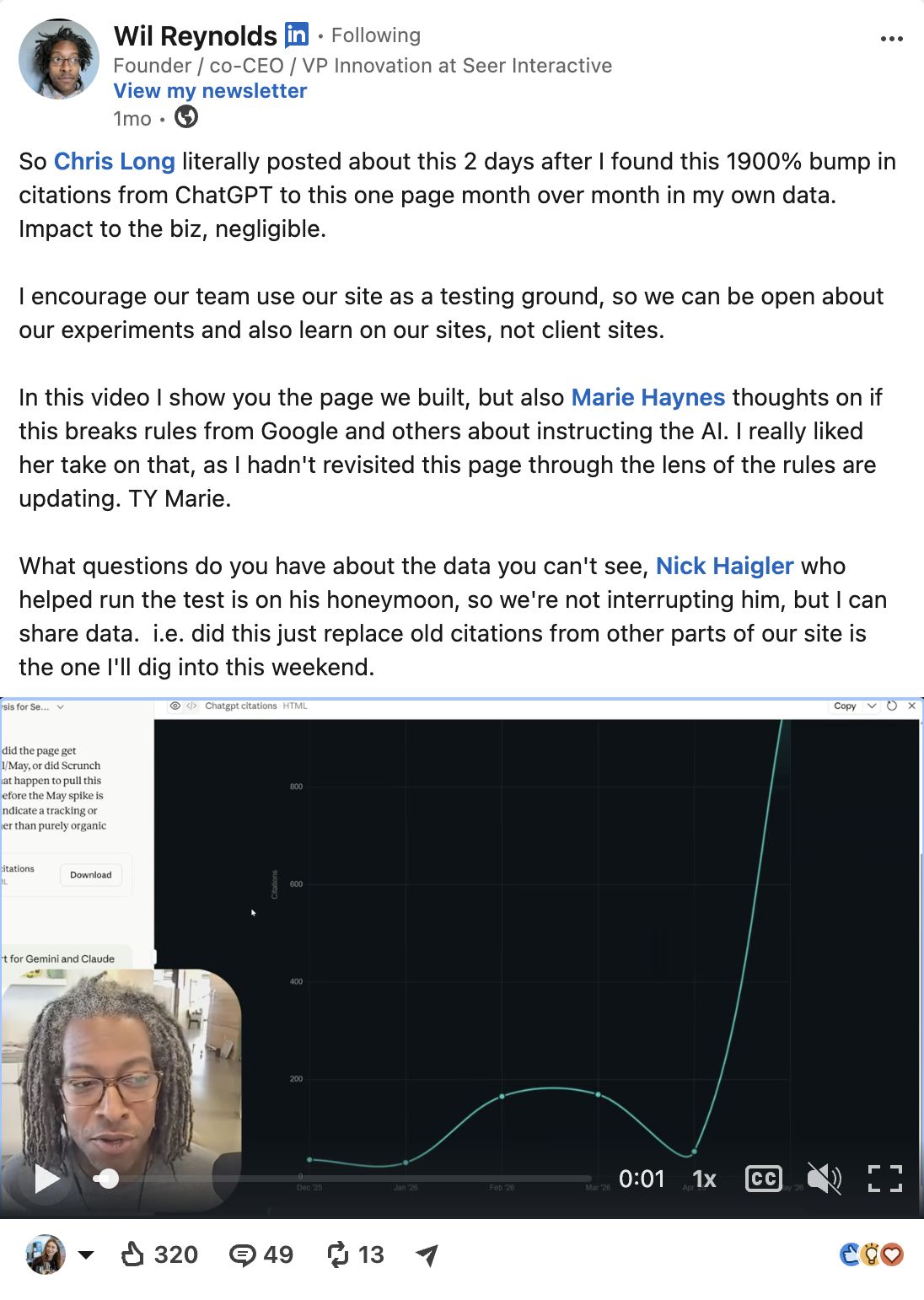
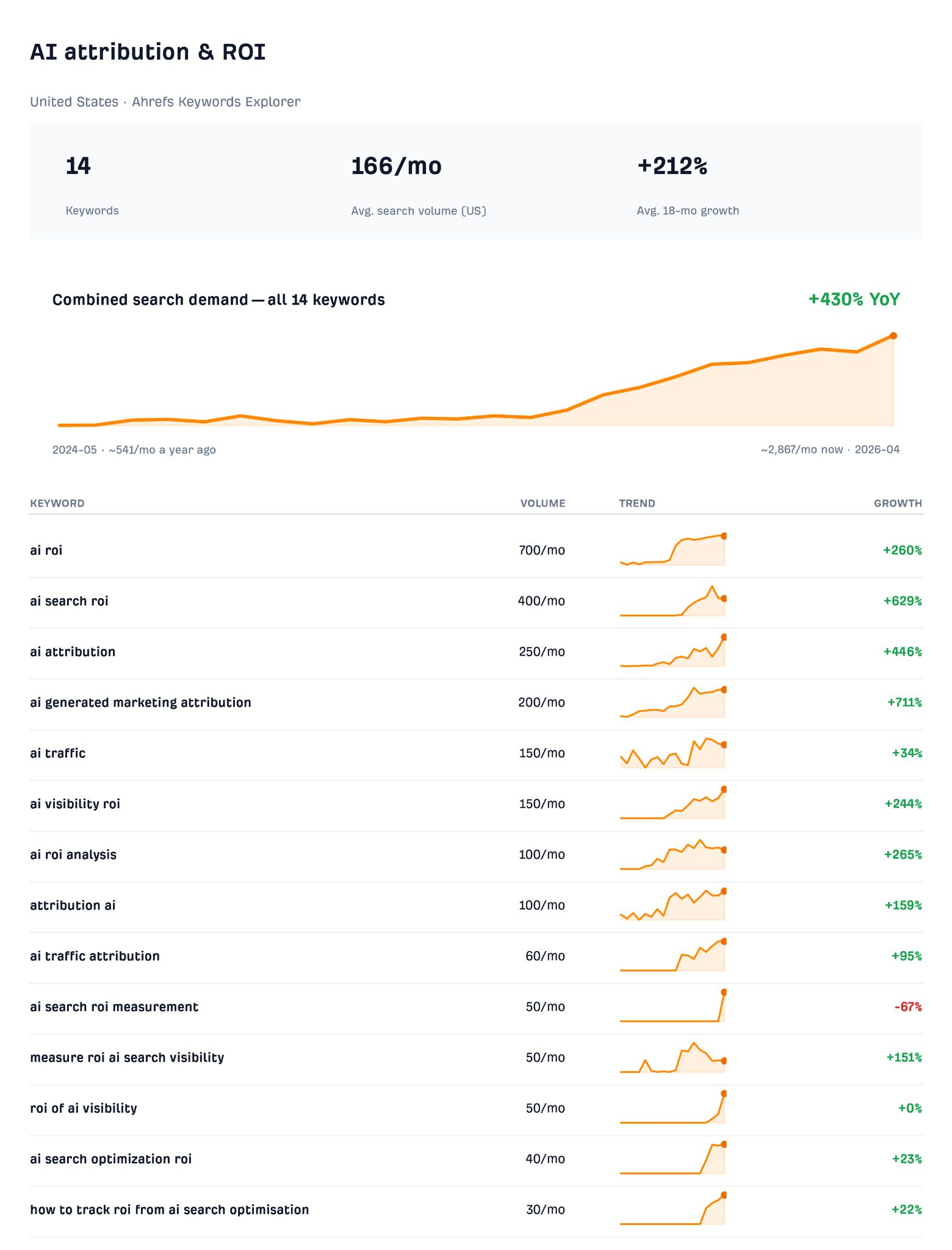
Despite its introduction, the report’s limitations, such as the aggregation of AI Overview and AI Mode impressions without referral distinction, have been a subject of discussion. This contrasts with platforms like Bing, which offer more granular data on the underlying queries driving their AI answers. The consensus in the industry is that earning a citation within an AI answer is the most immediate and controllable way to achieve visibility, far more so than the uncertain prospect of being incorporated into an AI model’s training data. However, the primary concern has shifted from mere citation to quantifying its actual value. Marketers are now grappling with the question: "What is an AI citation truly worth?" Does it translate into tangible website traffic and conversions, or is it merely a superficial mention with no real business impact? Experiments, such as the one conducted by Wil Reynolds, which showed a massive spike in ChatGPT citations with negligible business impact, are fueling this debate. This shift from simply counting mentions to scrutinizing their value represents a significant and evolving trend in AI search over the past year, giving rise to a new vocabulary focused on AI attribution and ROI.
2. The Rise of Agent Optimization as a Key Concern
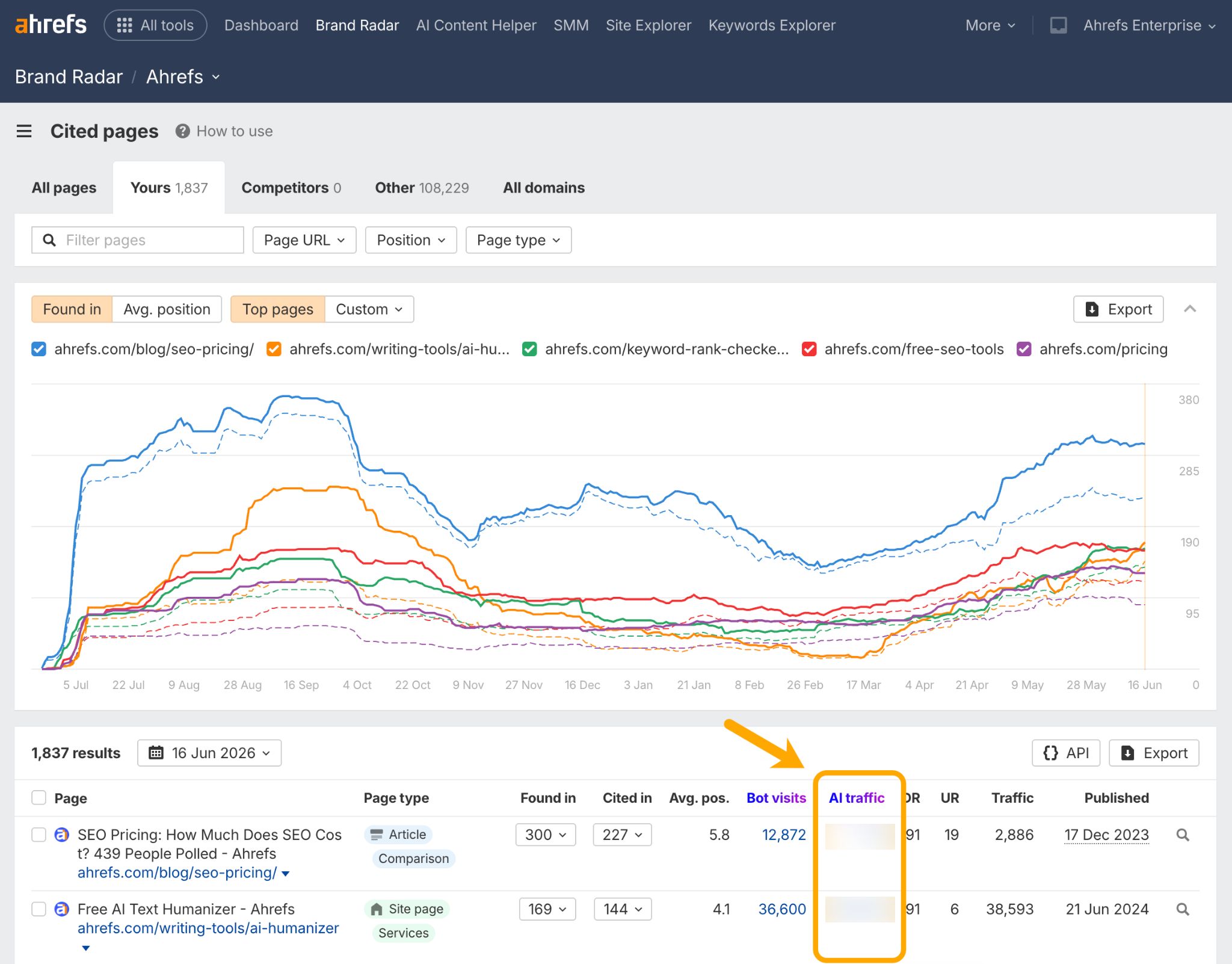
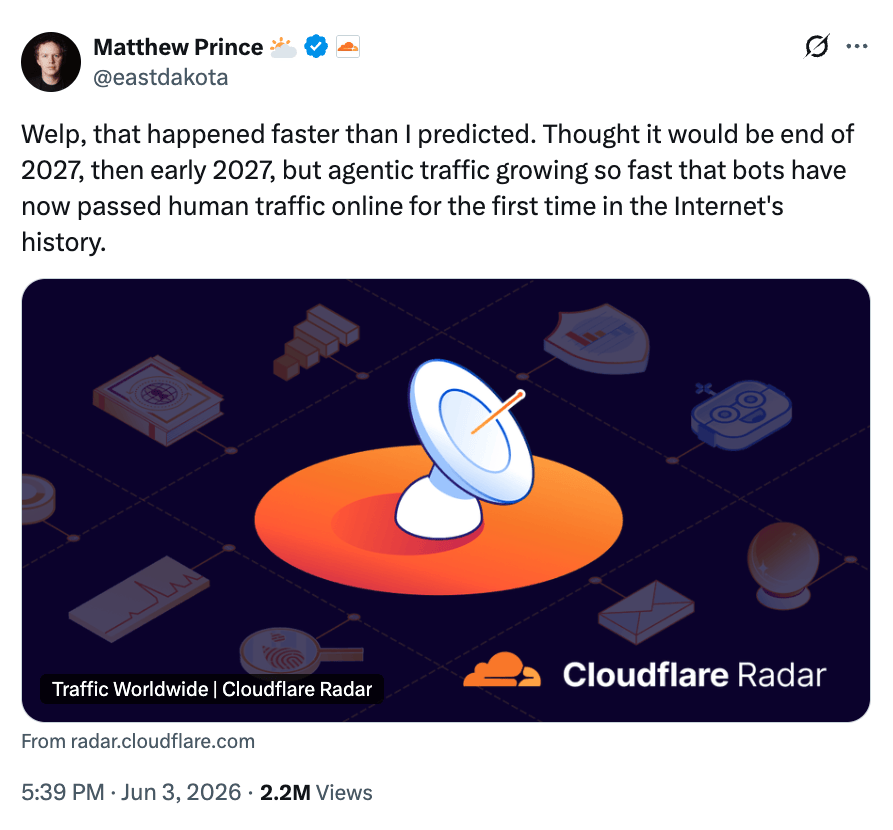
A significant portion of the audience that marketers aim to influence are now AI agents, browsing and making purchasing decisions on behalf of human users. In June 2026, Cloudflare CEO Matthew Prince revealed that agentic traffic (bots, crawlers, and agents) had surpassed human traffic online for the first time in internet history. This surge in agentic AI has created a new demand for optimizing web pages to be easily read and acted upon by these agents.
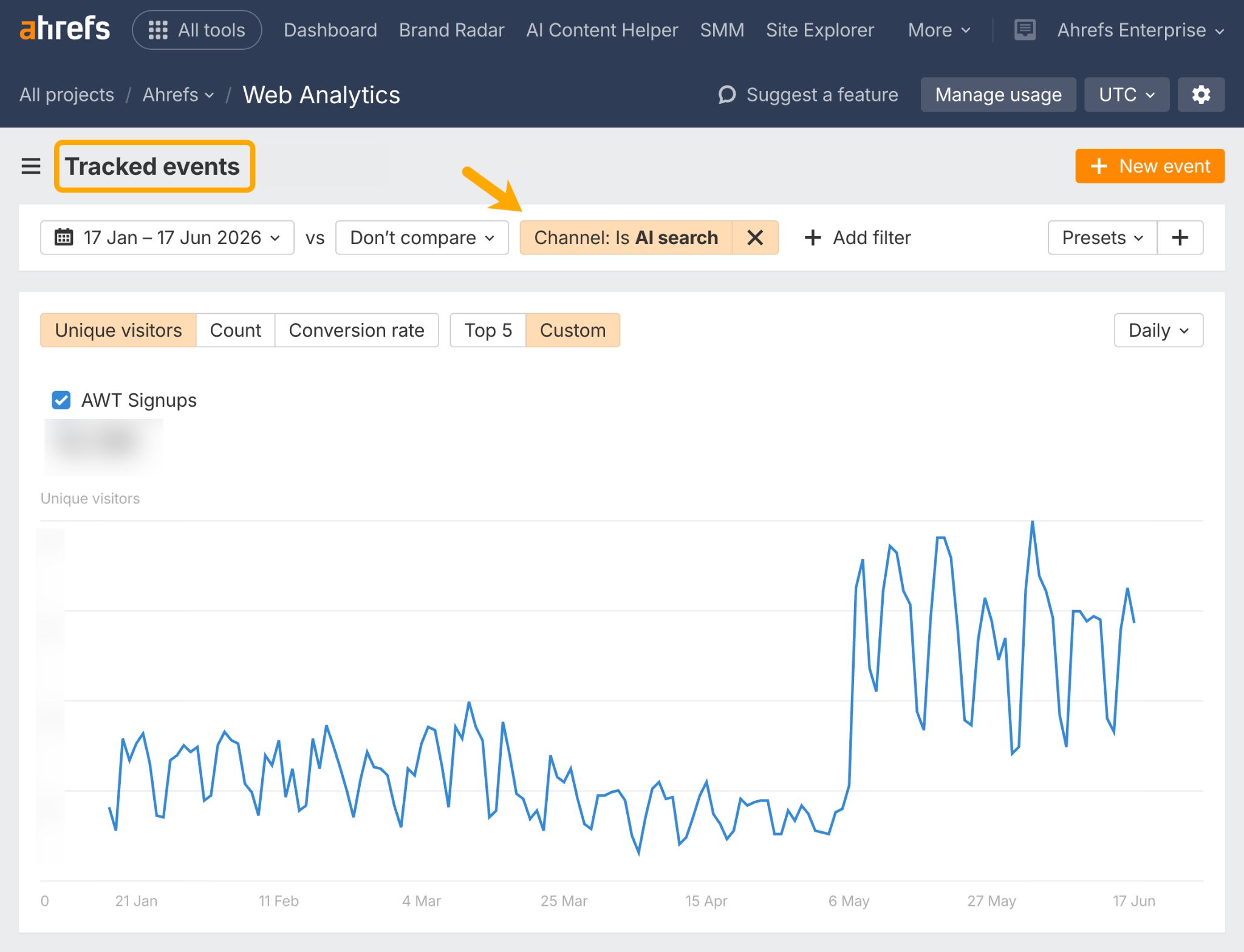
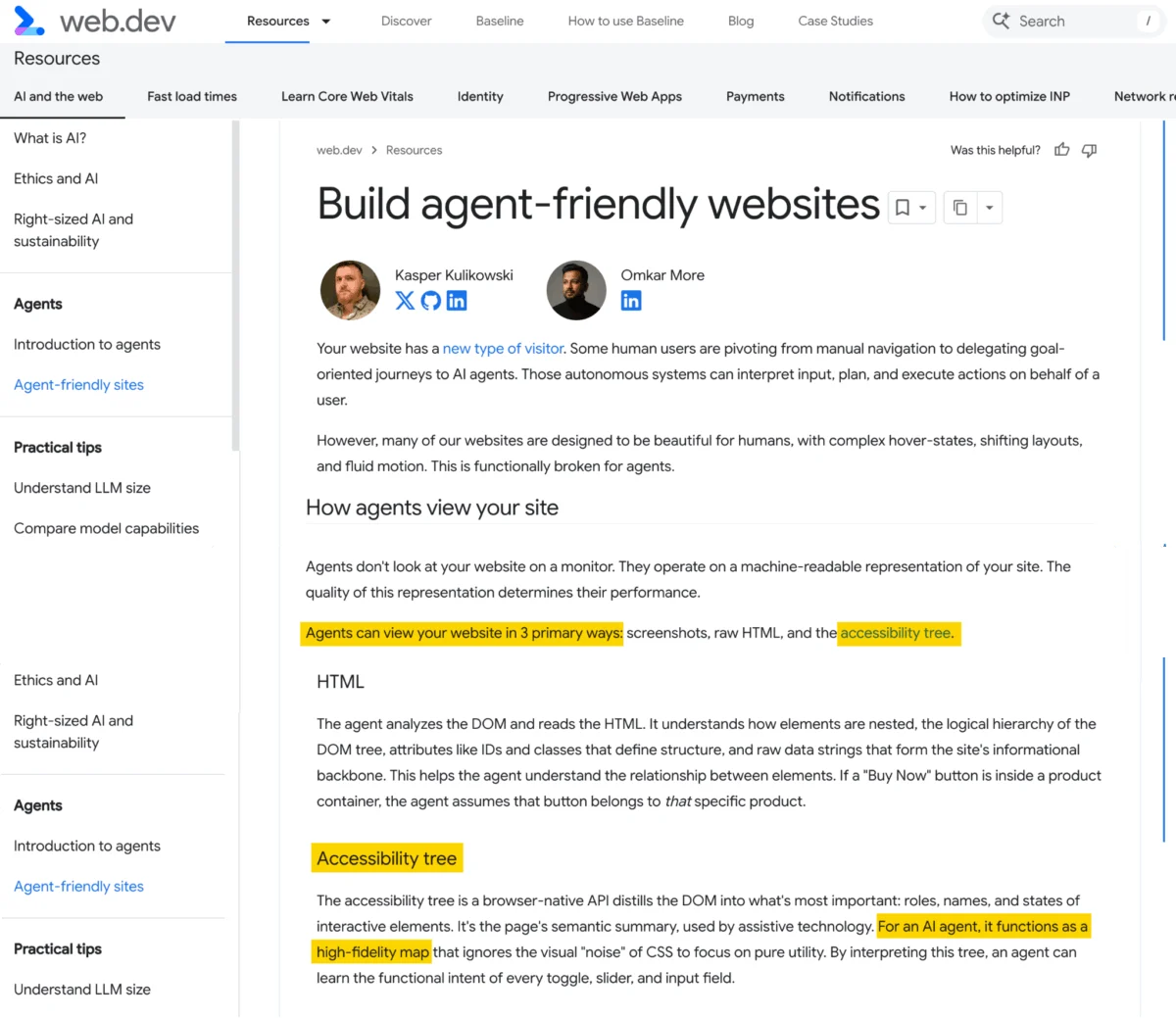
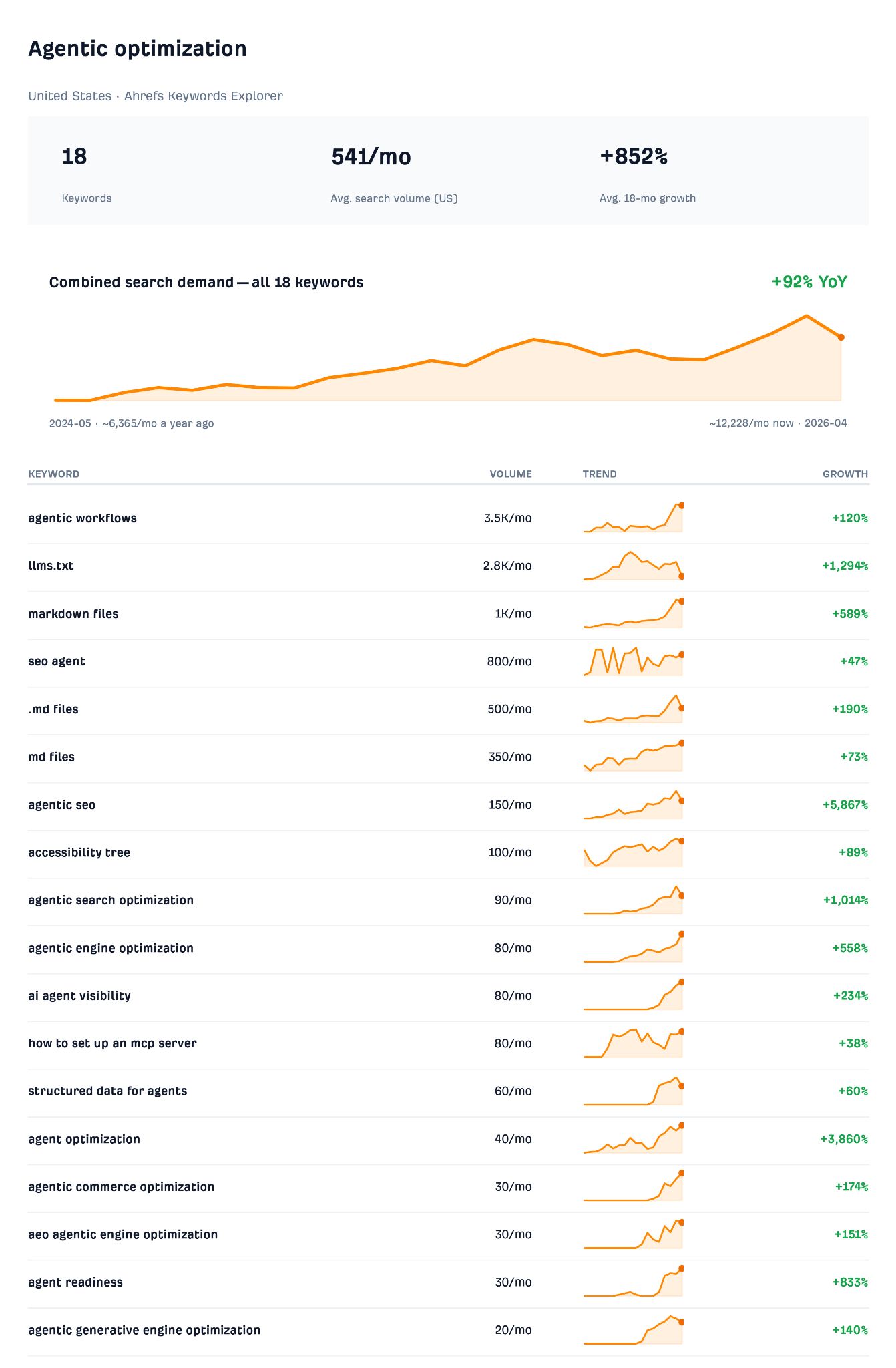
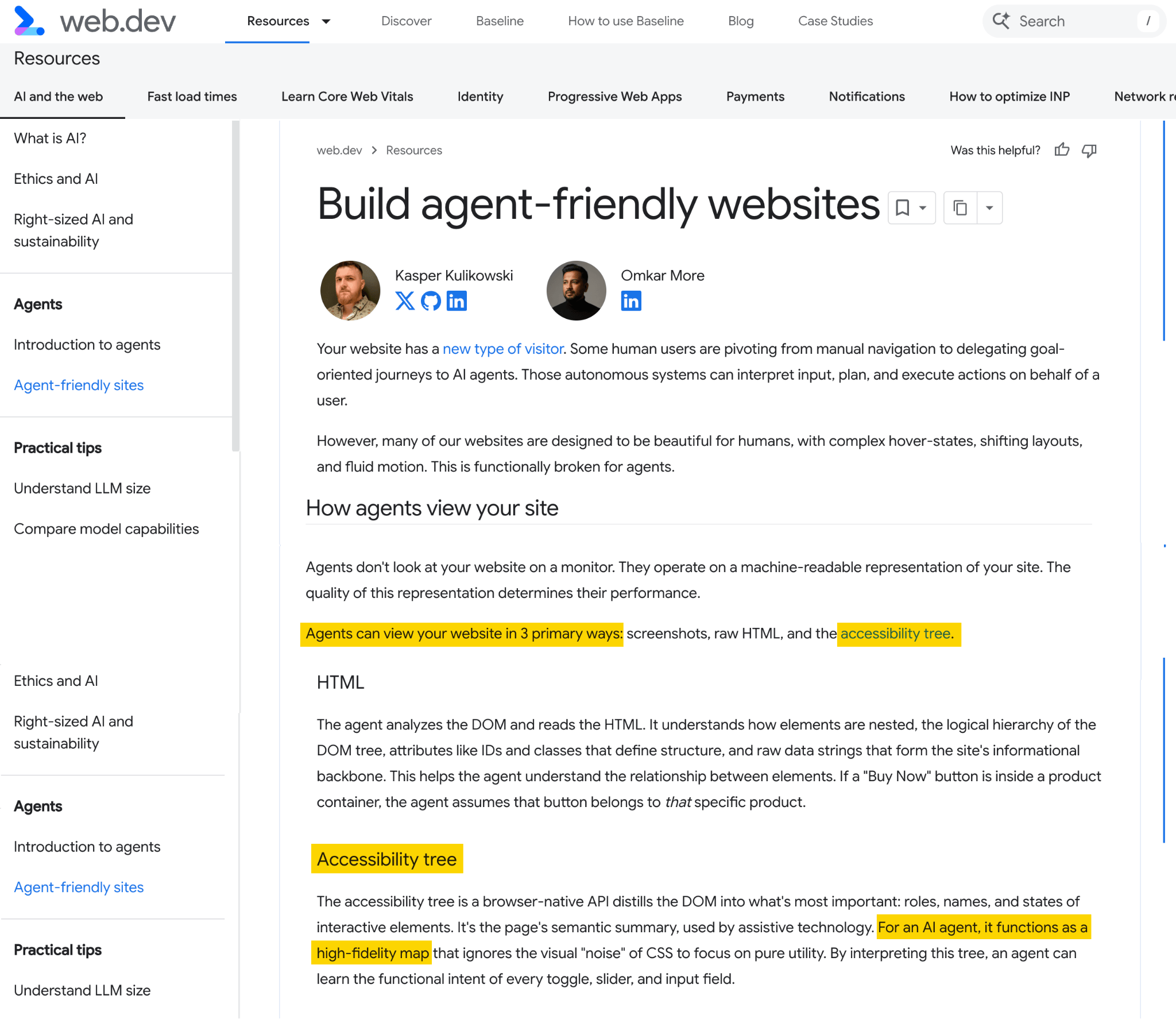
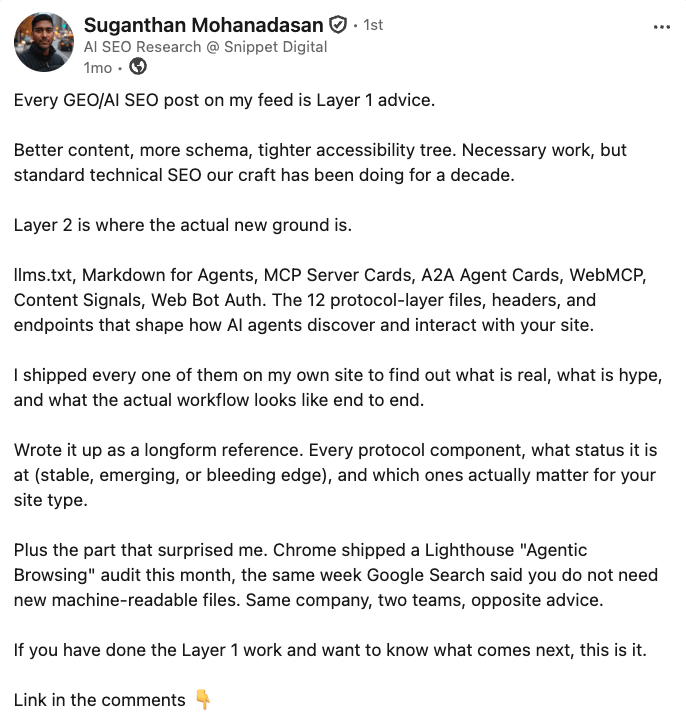
This trend has led to the emergence of new search queries such as "llms.txt" and "agentic SEO." These terms reflect a growing understanding that agents parse structured text more reliably than they render complex JavaScript or infer meaning from visual layouts. The concept of "llms.txt," a file intended to provide agents with a clear summary of a page’s content, has been a significant point of discussion, with studies examining its actual impact on AI visibility. Similarly, the use of Markdown files to serve plain-text versions of pages has gained traction as a way for agents to bypass the rendering process. The "accessibility tree," a feature initially designed for screen readers, has also become relevant as Google suggests optimizing for it to improve agent accessibility.
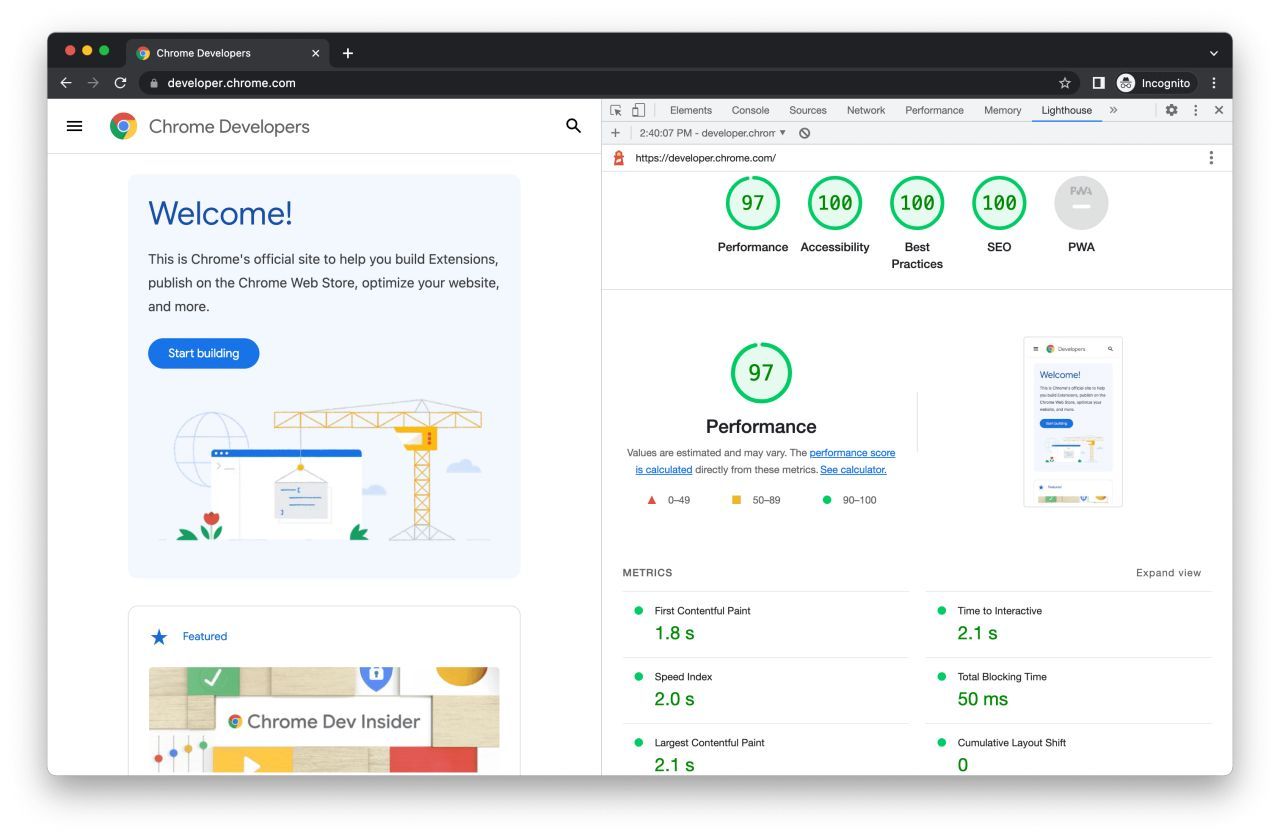
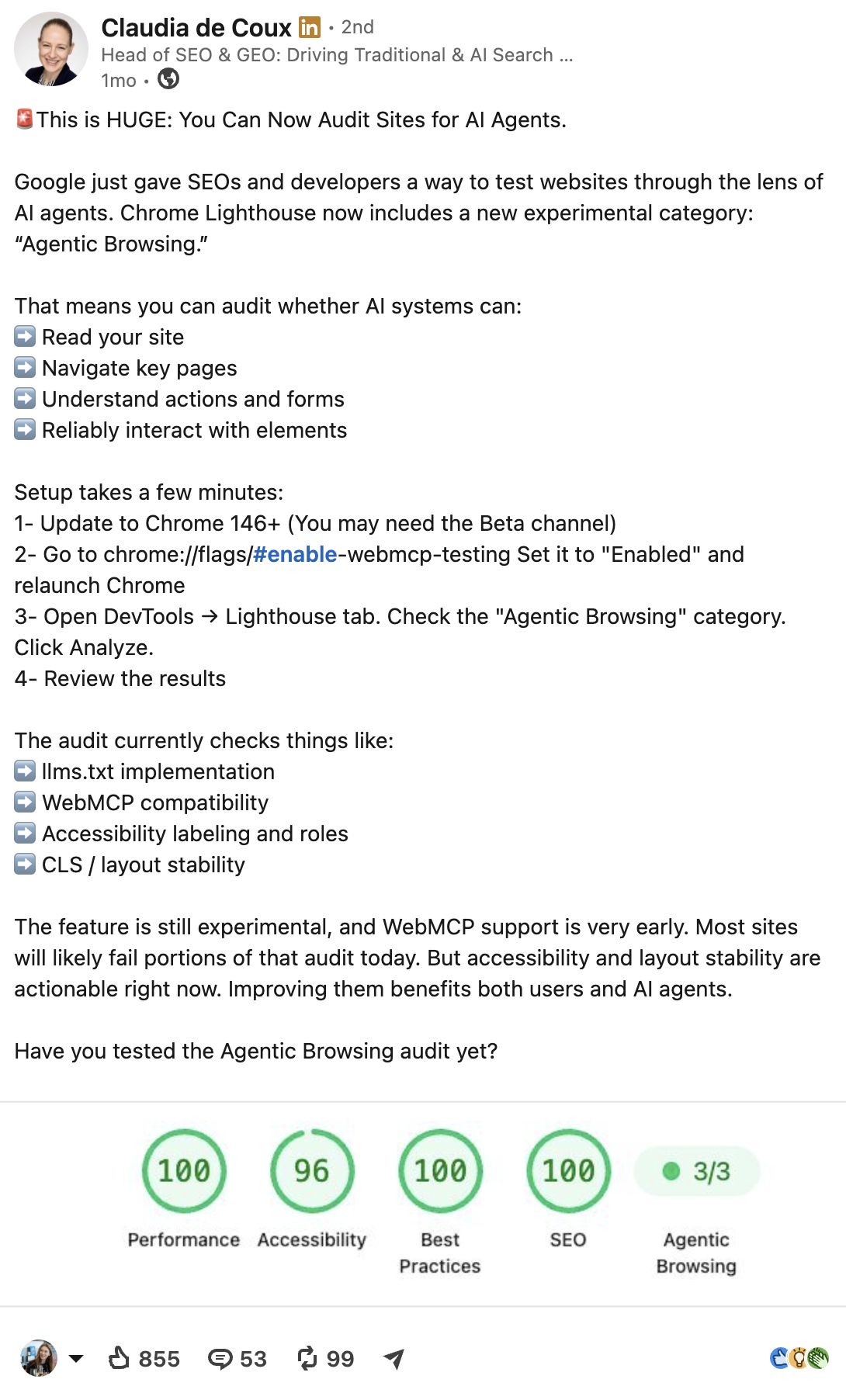
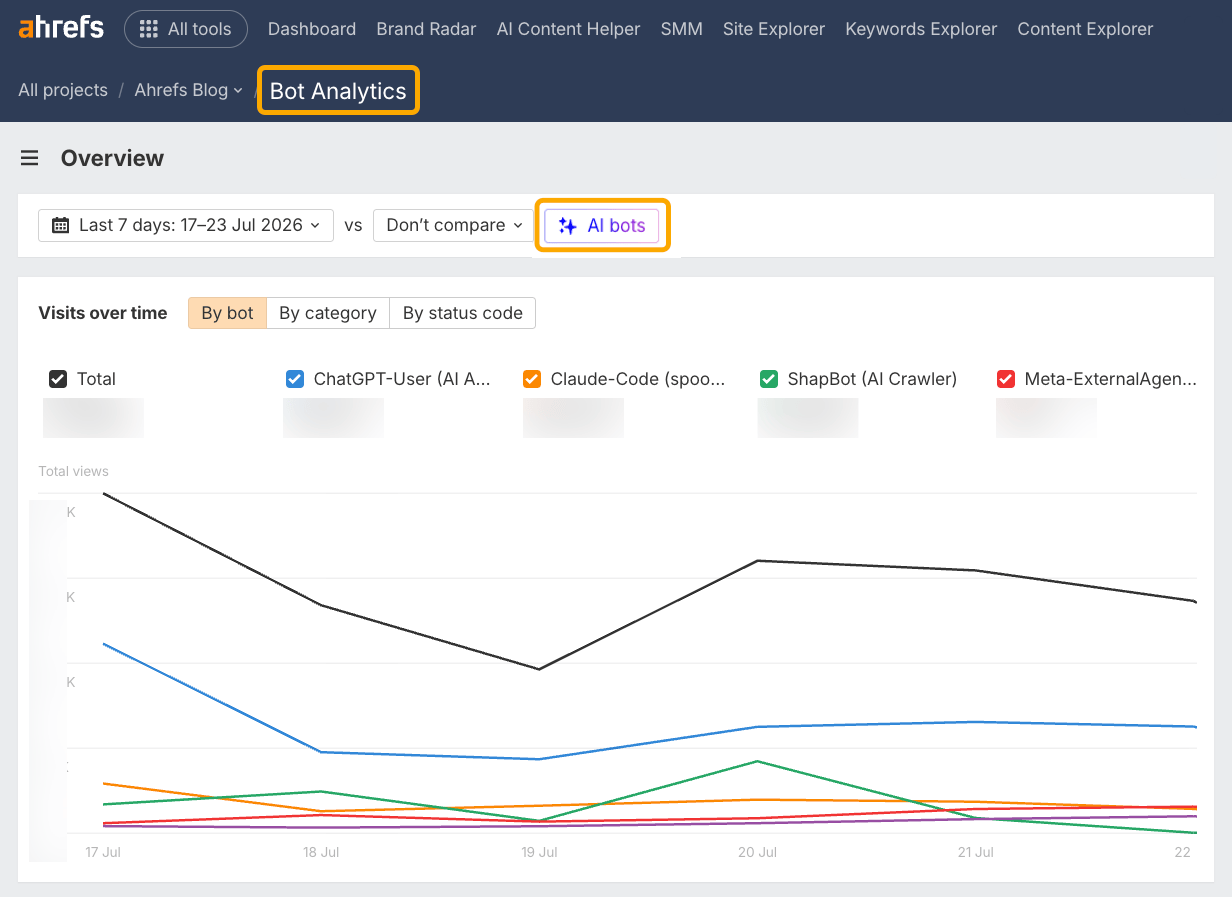
Further solidifying this trend, the Chrome team has introduced an experimental "Agentic Browsing" category in its Lighthouse and PageSpeed Insights tools. This feature assesses how well an AI agent can read and interact with a page, mirroring the performance audits already familiar to SEO professionals. This development has sparked considerable discussion on professional platforms, with marketers questioning whether agentic readiness will eventually become a ranking factor, similar to Core Web Vitals. While the long-term impact remains uncertain, the growing search volume, forum discussions, and social media engagement surrounding agent optimization indicate its increasing importance. Tools like Ahrefs Bot Analytics are now providing insights into which AI agents are visiting websites and how frequently, offering a crucial starting point for optimizing AI visibility.
3. The Transition from AI Traffic Loss Panic to Strategic Planning
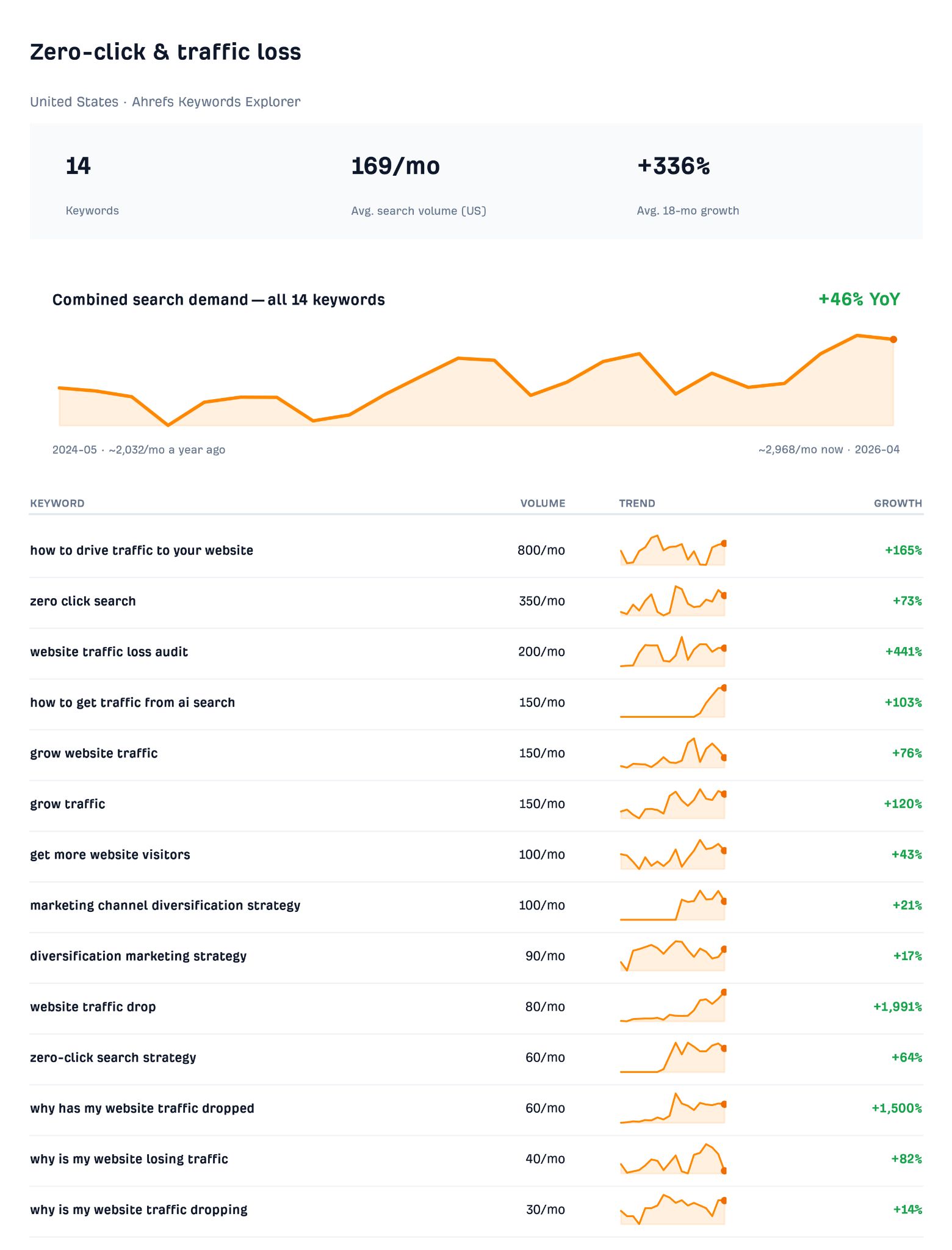
As AI search increasingly provides direct answers on search result pages, websites are experiencing a decline in organic clicks. Over the past year, this concern has evolved from widespread panic to a more strategic approach, with marketers actively seeking solutions. Searches for "zero-click search strategy," traffic loss audits, and queries like "why is my website traffic dropping" are on the rise as professionals look for ways to mitigate these losses.
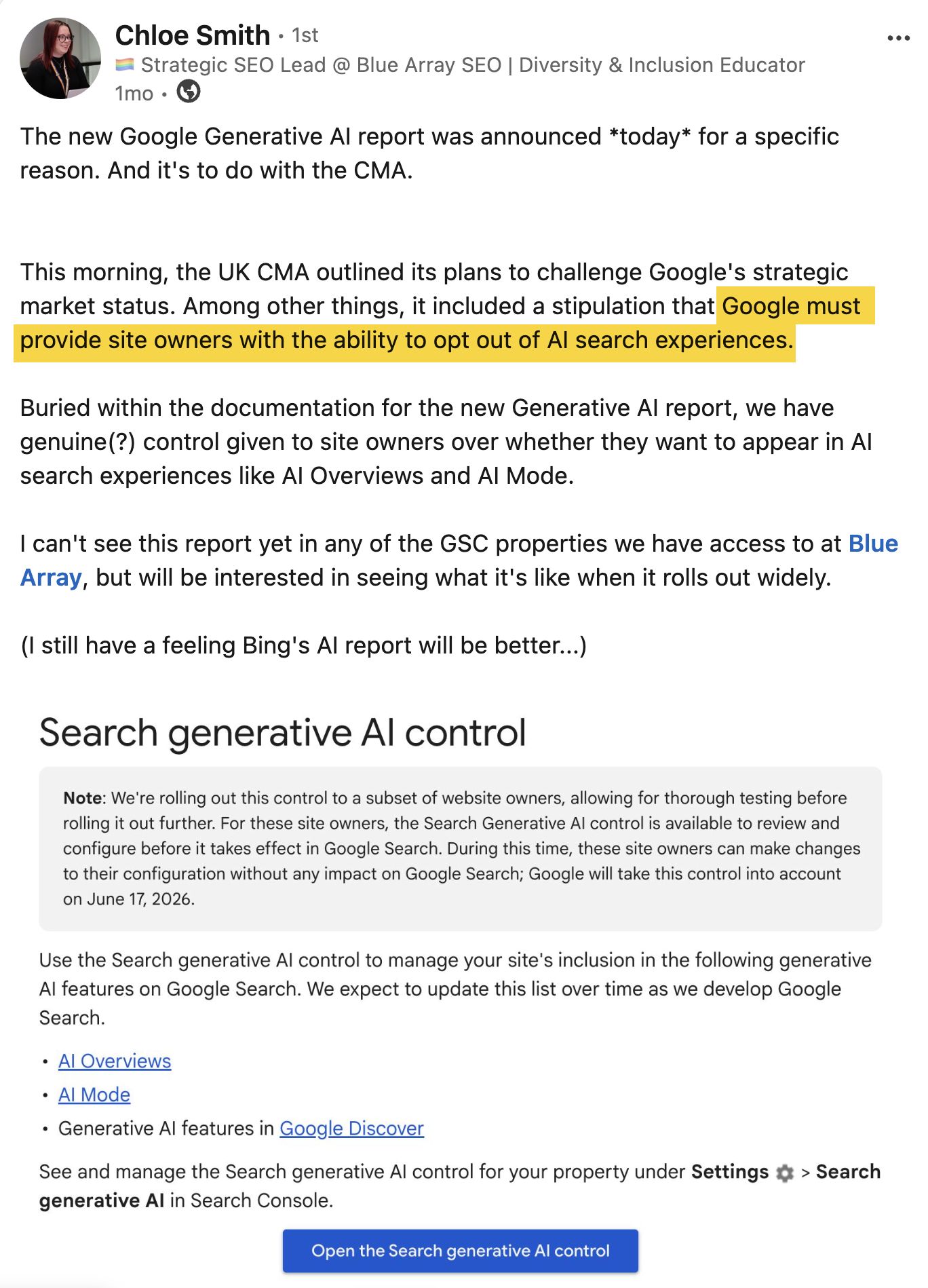
The one-sided arrangement where search engines leverage website content for AI answers without commensurate traffic returns is now facing scrutiny from regulators and legal bodies. Google’s recent introduction of a Generative AI performance report in Search Console coincided with the UK’s Competition and Markets Authority outlining plans to challenge Google’s market dominance, including a potential requirement for Google to allow site owners to opt out of AI Overviews and AI Mode. Google has responded by developing a toggle option within Search Console, though many view this as a reaction to regulatory pressure rather than a proactive measure.
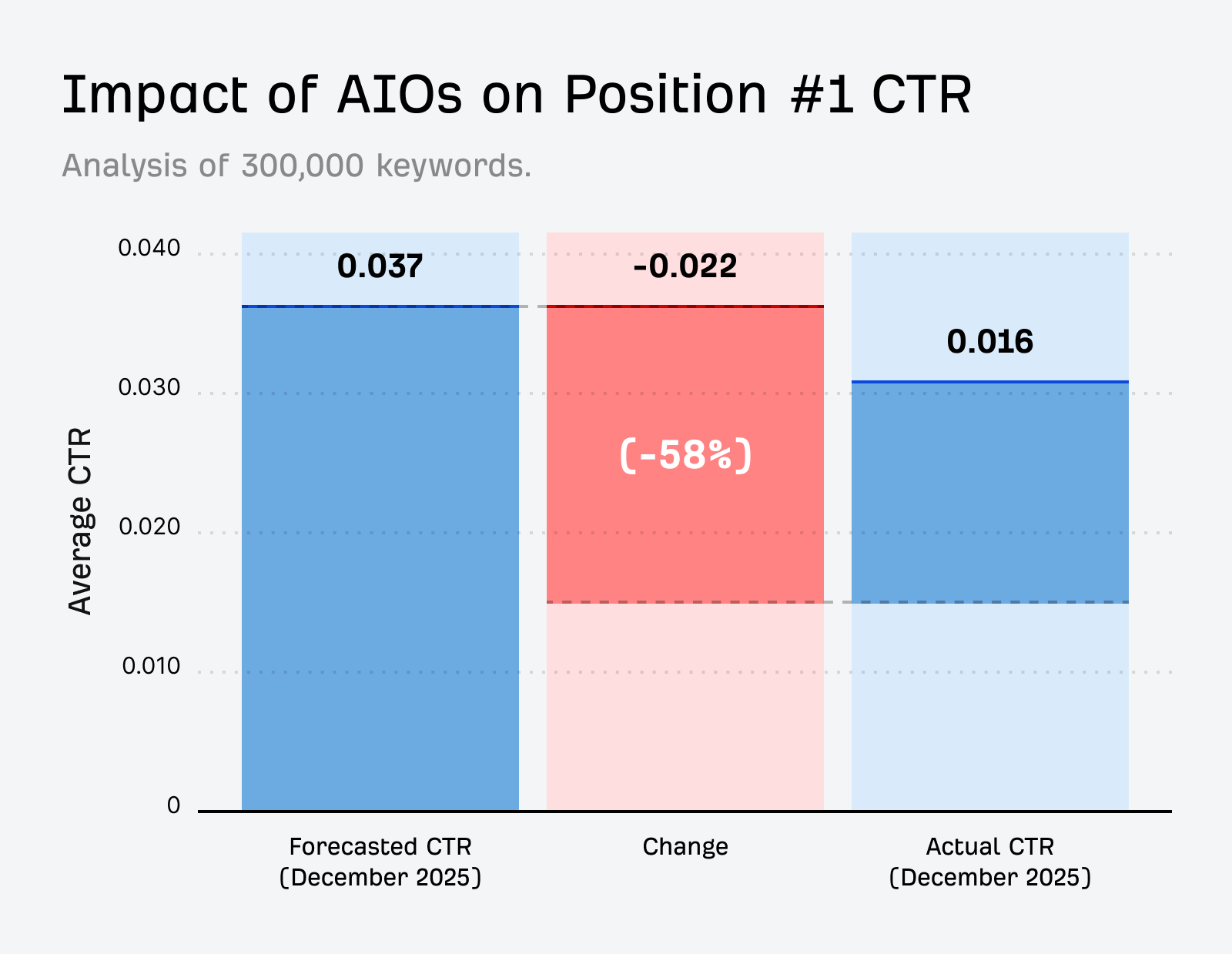
The fundamental challenge remains that opting out of AI search also means forfeiting potential traffic, the exact volume of which Google has historically withheld. Estimates suggest that AI Overviews can lead to a significant click loss, impacting visibility for top-ranking pages. The industry awaits further developments, particularly the incorporation of click-through rate (CTR) data into these reports, as mandated by the CMA, before definitive decisions on opting out can be made.
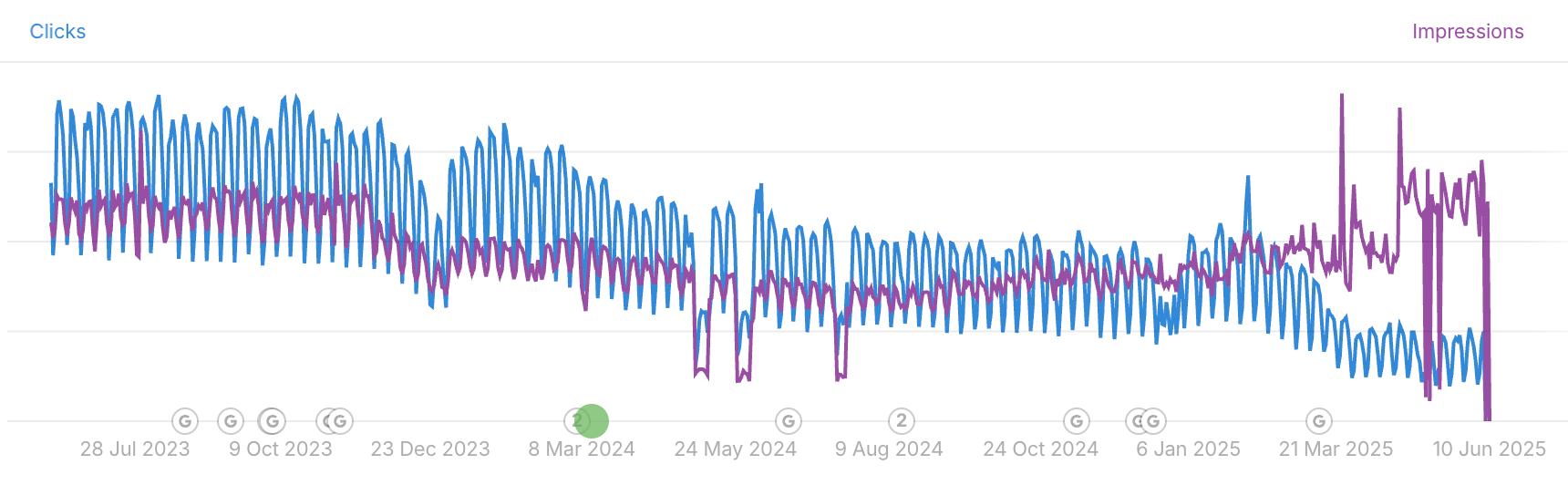
A landmark ruling in a Munich court declared that AI Overviews represent Google’s own content, not neutral search results, thereby holding the company liable for any inaccuracies. This ruling shifts the responsibility for the accuracy of AI-generated answers onto the search engine itself. While these developments offer a more hopeful outlook for organic traffic, the immediate challenge for marketers is to address the continuing decline in traffic. This involves diagnosing the extent of the loss and exploring strategies for recovery, such as marketing channel diversification. Tools like Ahrefs Site Explorer and Search Console data within Ahrefs can help identify pages that have experienced the most significant organic traffic decline. A key pattern to watch for is the "crocodile mouth" phenomenon, where rankings and impressions remain stable while clicks plummet, indicating that AI Overviews are absorbing traffic rather than a genuine ranking issue. These pages serve as a starting point for recovery efforts, whether through content updates, reimagining content for queries AI cannot fully answer, or repurposing content for other channels.
4. The Ongoing Debate Over AI Search Terminology
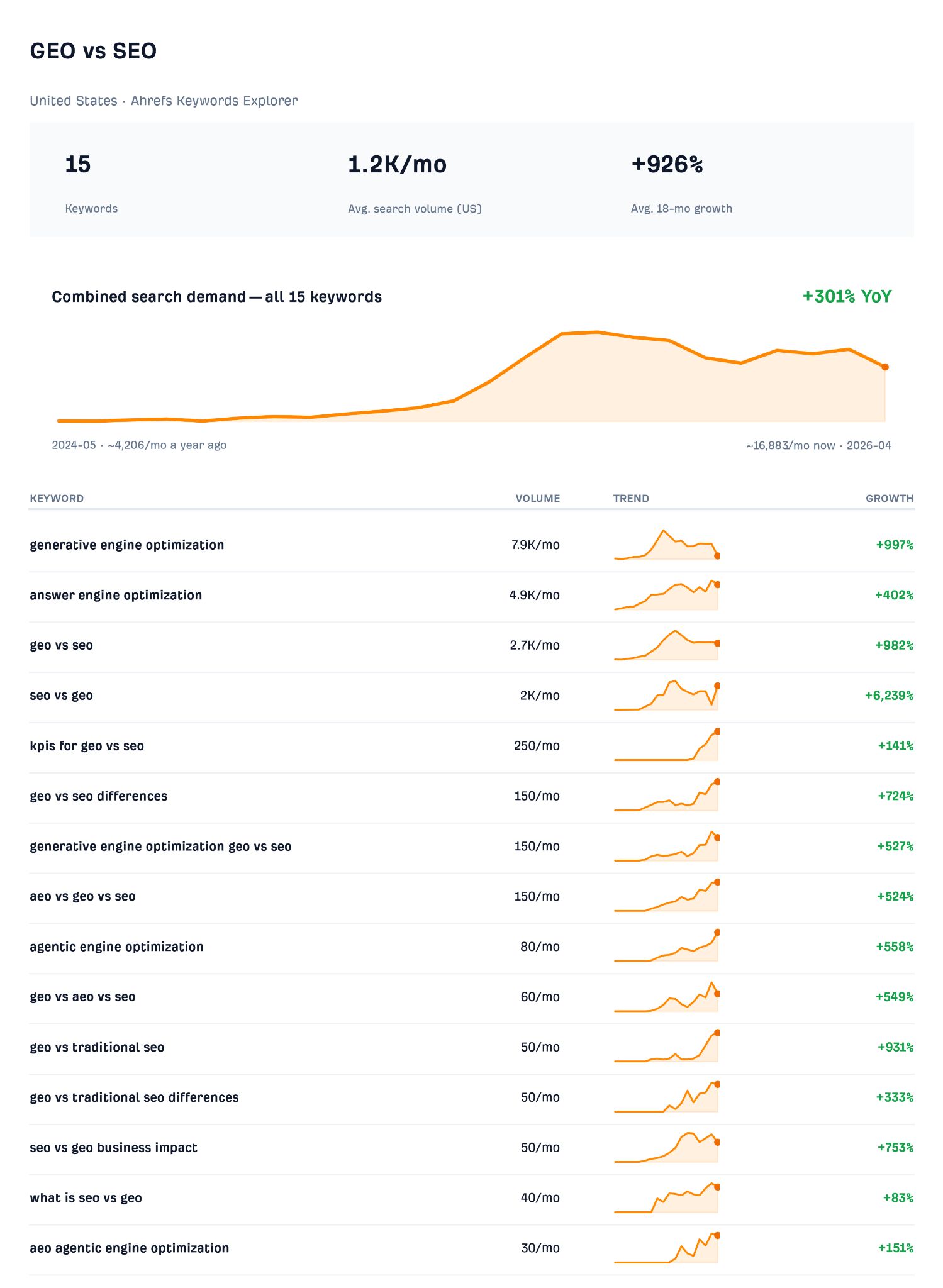
The discussion surrounding the terminology for AI-driven search visibility, such as GEO (Generative Engine Optimization) and AEO (Answer Engine Optimization), continues. Marketers are still divided on how to define and label efforts to achieve prominence in AI responses, leading to a splintering of vocabulary. For instance, Addy Osmani, Director at Google Cloud AI, has redefined AEO from "Answer Engine Optimization" to "Agentic Engine Optimization," a term now generating significant search volume.
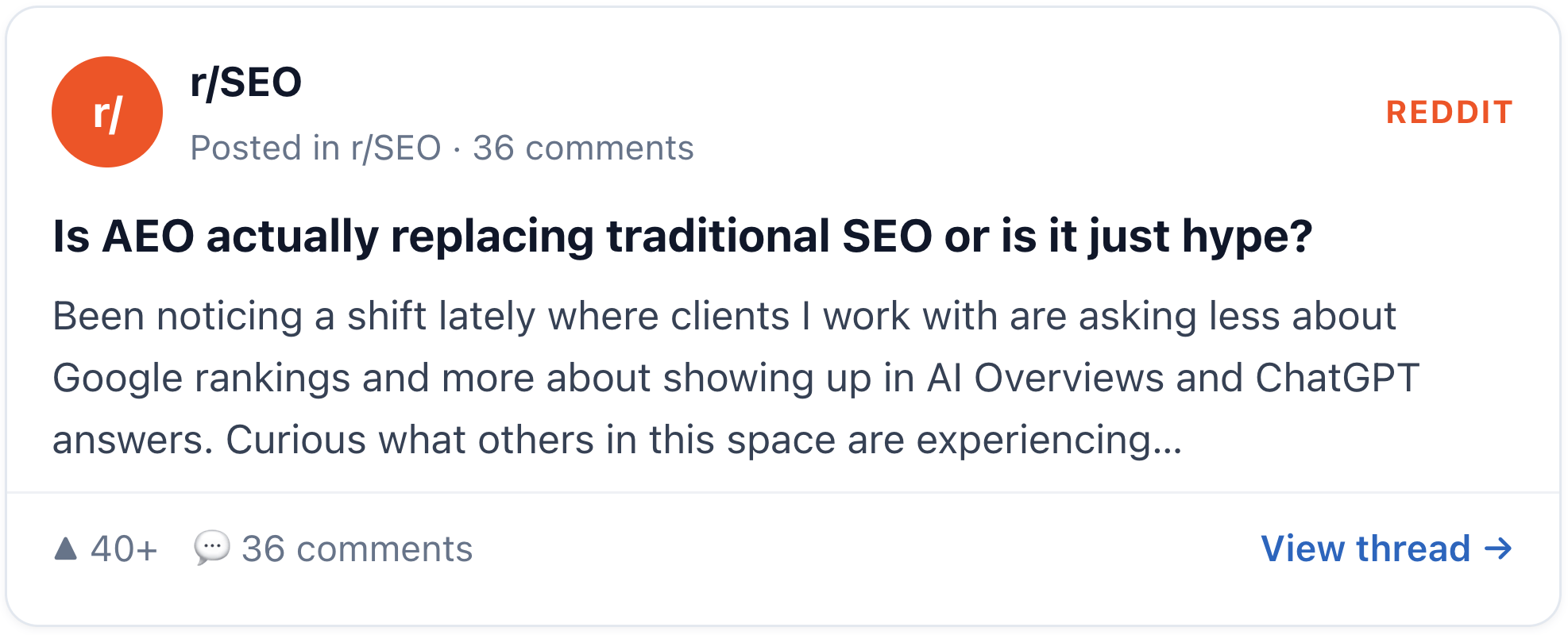
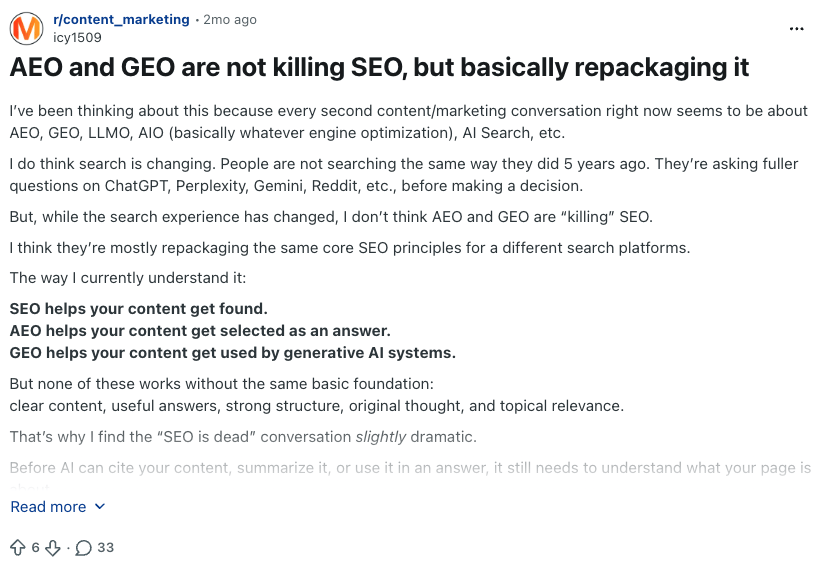
Regardless of the specific terminology or definition used, search volume for this cluster of terms is climbing. "Generative engine optimization" has seen a 997% increase over the last 18 months, while "geo vs seo" has grown by 982%. This indicates a widespread effort to understand and optimize for AI-driven search. Online forums, such as Reddit’s r/SEO, host active discussions questioning whether AEO is truly replacing traditional SEO or if it’s merely a trend. Other discussions suggest that AEO and GEO are essentially repackaging existing SEO principles.
Some experts argue that the novelty of GEO lies in its underlying protocols rather than a mere renaming of established practices. Conversely, some studies suggest that typical GEO tactics may not be effective, with one experiment showing that an untouched page achieved higher citation rates in AI engines than the same page treated with GEO optimization. As AI search continues to evolve, and marketers experiment with both novel and traditional strategies, the debate over SEO vs. GEO is likely to persist.
5. The Resurgence of Programmatic SEO
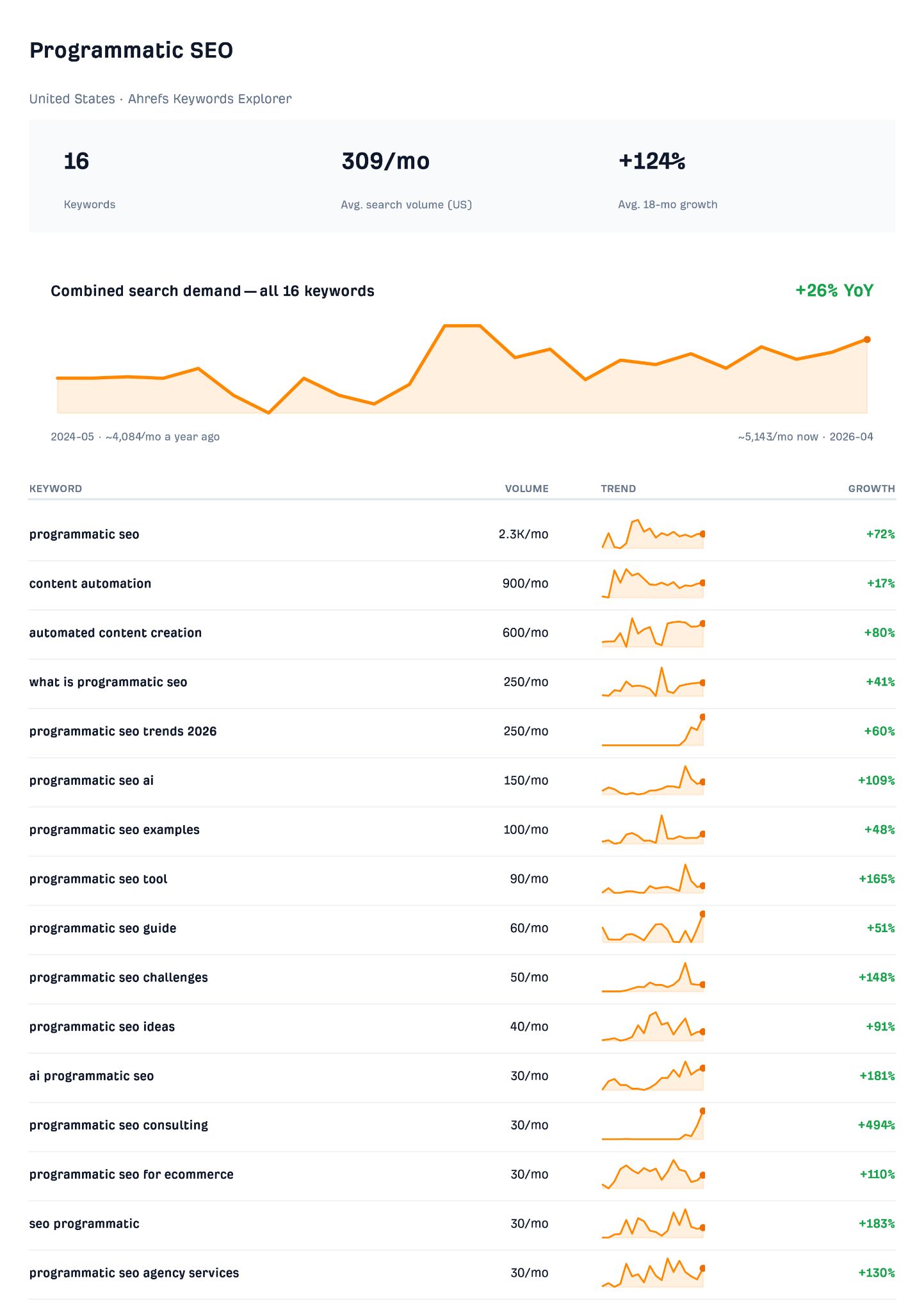
Programmatic SEO, a strategy focused on generating scaled content, is experiencing a renaissance thanks to advancements in AI. The ability to create large volumes of content quickly and cost-effectively has led to a renewed embrace of programmatic strategies. Search volume for the term "programmatic SEO" has increased by 124% over 18 months, with related terms like "content automation" and "automated content creation" also showing growth.
While this trend is not as pronounced as others, anecdotal evidence suggests a significant increase in discussions about programmatic content across social media platforms. However, much of the current discourse centers on warnings against its misuse. Google’s recent algorithm updates, including the March and June Spam Updates, which target content scaled for search engines rather than users, have prompted cautionary posts from industry professionals. Many have observed companies experiencing significant ranking drops after scaling their programmatic content to thousands of pages.
However, not all perspectives view programmatic SEO as inherently detrimental. Some advocate for scaling content beyond written articles, focusing instead on tools and calculators. These "tool pages" are often more resilient to AI summarization and can remain high-traffic assets. As Ryan Law, Ahrefs’ Director of Content, suggests, users are often more interested in "doing" than reading, making interactive tools a more durable strategy. The continued affordability of scaled content generation through AI suggests that programmatic approaches will persist, with ongoing success stories and cautionary tales shaping the ongoing conversation.
In conclusion, the overarching theme connecting these five AI search trends is the marketer’s demand for tangible proof. Proof that AI citations lead to conversions, that AI agents can effectively parse web pages, and that scaled content strategies will not jeopardize a website’s domain. Each of these trends originated from informal discussions on social media and forums before evolving into distinct search clusters. Monitoring these emerging topics is crucial, as they likely represent the key trends for the coming year.