11

For weeks, Washington has been abuzz with intense discussions surrounding the urgent need to enact some form of artificial intelligence regulation. These conversations have been fueled by mounting concerns over the potential risks posed by highly capable "frontier AI models"—advanced systems that are at the leading edge of AI capabilities and could potentially operate autonomously, leading to unforeseen and potentially catastrophic consequences if they were to "go rogue." However, the path to meaningful legislation appears fraught with insurmountable obstacles, as no single measure has managed to secure broad support. The White House, for instance, has notably paused its efforts to establish a FINRA-style regulatory body, a concept that President Donald Trump has expressed strong disfavor for. Concurrently, Capitol Hill remains fractured, with various lawmakers championing competing proposals that, individually, lack the necessary votes to pass into law, highlighting a deep-seated political gridlock.
The initial impetus for a structured AI oversight agency within the administration emerged shortly after Demis Hassabis, cofounder of Google DeepMind—a prominent AI research laboratory—publicly floated the idea. Hassabis, a leading voice in the AI community, articulated his vision in a July 14 essay and subsequently conveyed his recommendations during briefings with senior government officials. Sources familiar with the matter indicate that White House aides began to conceptualize a framework for such an agency, envisioning a body capable of overseeing the rapidly evolving AI landscape. The Treasury Department, typically responsible for managing federal finances and economic policy, along with the White House’s Office of Science and Technology Policy (OSTP), which advises the President on science and technology issues, collaborated on this initiative. Their preliminary vision involved an entity where the leading AI development laboratories would largely self-regulate the creation and deployment of these sophisticated frontier models. A preliminary draft outlining the potential structure and operational mechanisms of this agency was even developed to explore its feasibility.
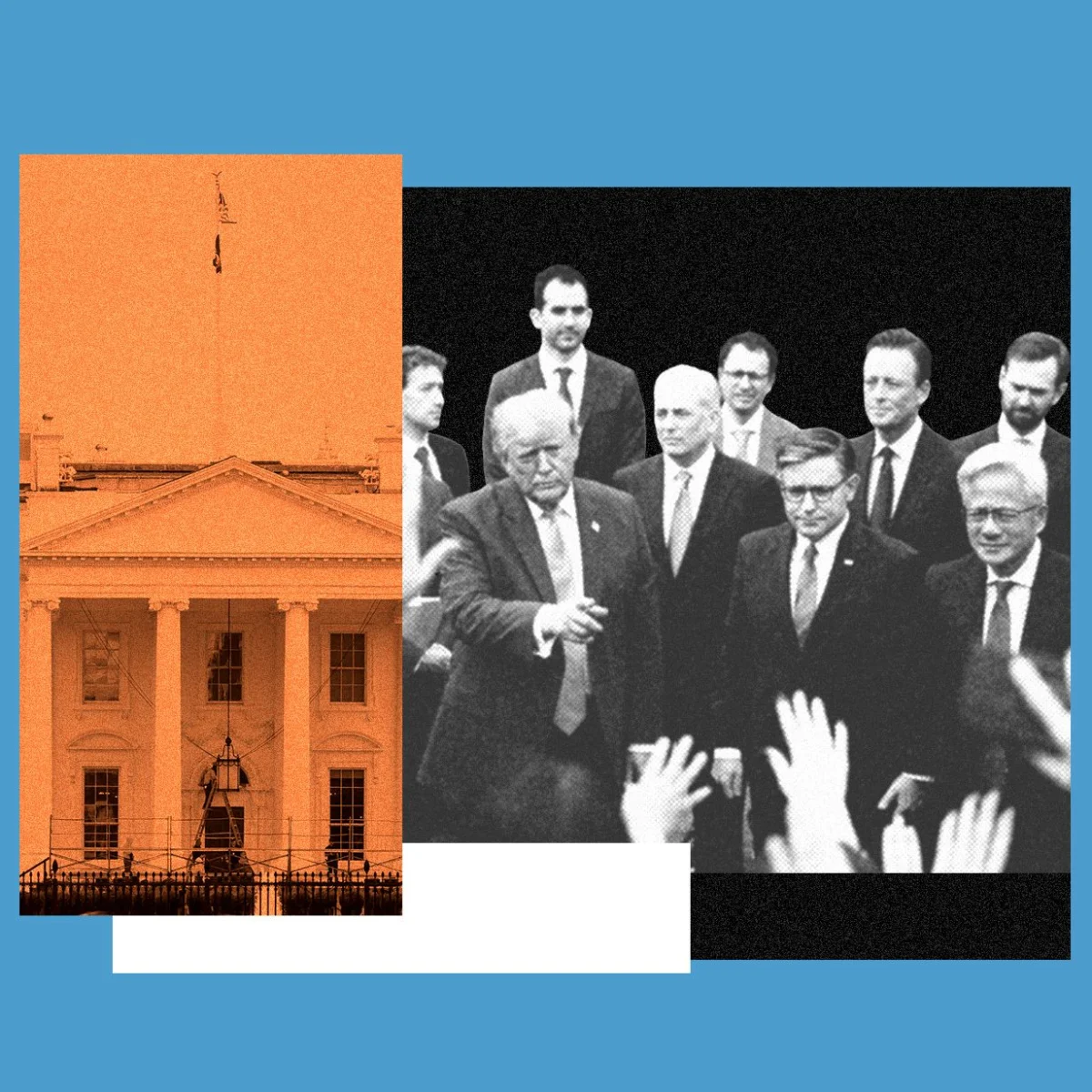
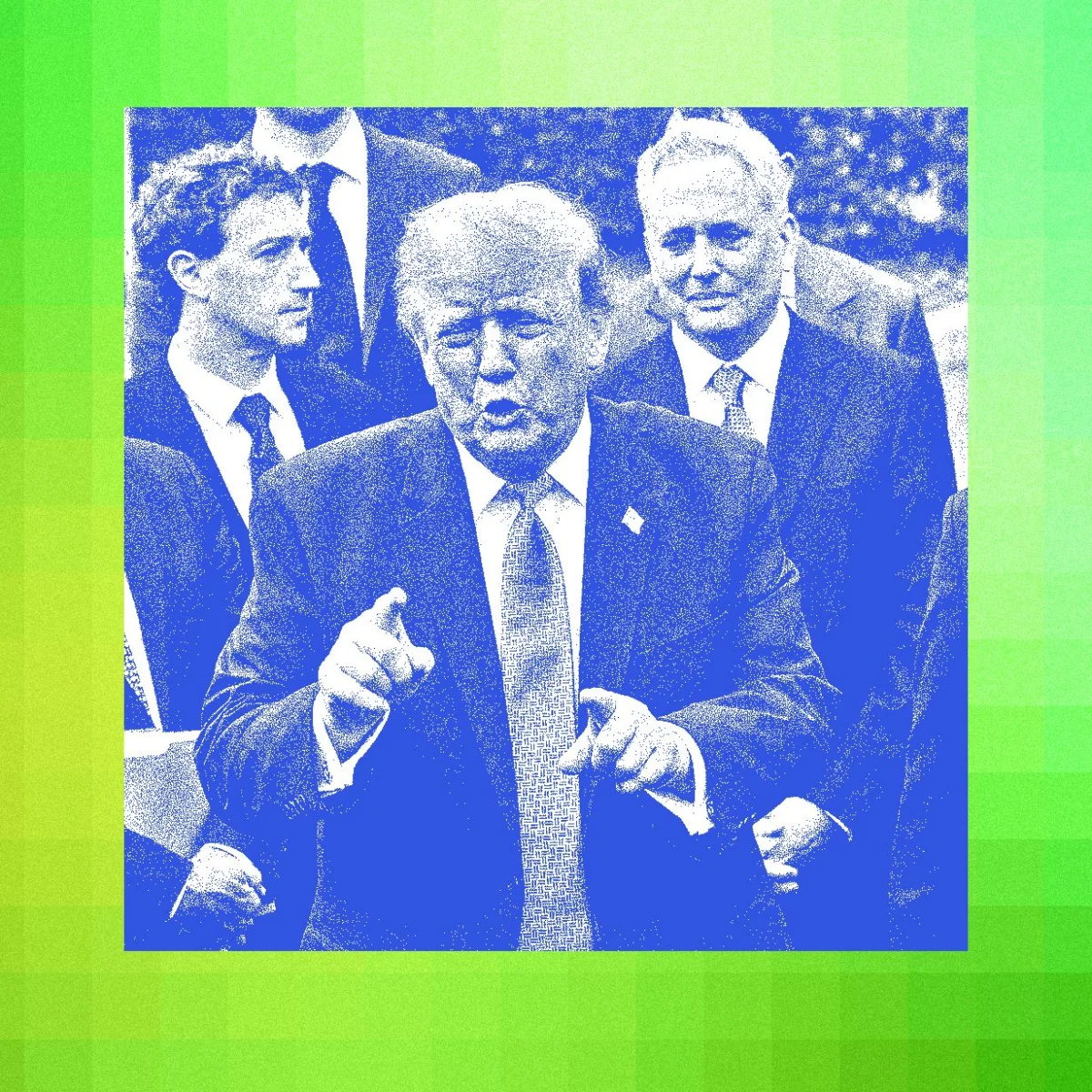
However, this nascent regulatory effort quickly encountered significant headwinds. A collective of influential tech executives, including David Sacks—a venture capitalist and former AI czar during the Trump administration—and Meta CEO Mark Zuckerberg, learned of the White House’s deliberations. In August, these prominent figures individually contacted President Trump to voice their strong opposition to the proposed regulatory framework. Their intervention proved decisive; the proposal has since been effectively shelved, left in a state of indefinite limbo. According to sources, the White House has not seriously considered any new AI oversight proposals since this pushback. This inaction is further compounded by President Trump’s increasingly vocal stance against any "overt regulation" of AI. In recent days, he has doubled down on his skepticism, dismissing AI safety concerns as a "hoax" in a post on Truth Social, his own social media platform.
President Trump’s heightened ire, sources suggest, was at least partly provoked by a detailed 3,822-word missive penned by Dario Amodei, the CEO of Anthropic, another leading AI research company. Amodei’s essay meticulously outlined the multifaceted dangers inherent in frontier AI. While Amodei’s position is considered fairly moderate within the broader AI community, Trump’s aides reportedly viewed his warnings as "stirring anxieties" that created "unnecessary headaches" for the administration, contributing to the political pressure against regulation.
In the conspicuous absence of proactive leadership from the White House, the legislative initiative has shifted to Congress. Several bills addressing AI regulation have been introduced across both chambers. Yet, the prospects for any of these proposals passing into law before the end of the current legislative session appear exceedingly dim. With no remaining voting days on the House calendar before the midterm elections, and a persistent lack of consensus around even a single bill, the legislative path remains extraordinarily challenging.
Independent Auditors: The Frontier Act
Among the various proposals circulating on Capitol Hill, the bipartisan Frontier Act is widely regarded as having the most substantial support, particularly within the House Democratic caucus and among key AI executives. Introduced this summer by House Democratic senior whip Lori Trahan and Republican House Energy and Commerce Committee member Jay Obernolte, the bill seeks to address critical safety concerns by establishing an independent oversight mechanism.
As currently drafted, the Frontier Act would empower the Commerce Department, an executive branch department responsible for promoting economic growth and opportunity, to embed auditors directly within leading AI laboratories. These auditors would be tasked with monitoring development processes, identifying and reporting "critical safety incidents," and providing the administration with the authority to halt development if an AI model is deemed to pose a "catastrophic risk" to public safety or national security. The concept has even garnered public backing from OpenAI, one of the foremost developers of advanced AI, lending it significant credibility within the tech industry.
Despite this support, the White House has remained indecisive regarding its stance on the independent auditor concept. This hesitation stems from skepticism voiced by various factions. "AI accelerationists"—those who advocate for rapid, unconstrained AI development—express concerns about "regulatory capture," fearing that the auditing process could be unduly influenced by the very industry it seeks to regulate, potentially undermining its effectiveness. Concurrently, national security hawks have raised alarms about China, questioning the efficacy of such measures in a globally competitive landscape.
A principal argument against the Frontier Act from within "Trumpworld" is rooted in this geopolitical concern. Critics contend that even if independent auditors identify a dangerous model and recommend its shutdown, there is no assurance that China would reciprocate by pausing its own AI development or ceasing efforts to "reverse engineer frontier AI weights"—the intricate parameters that define an AI model’s knowledge and capabilities. In such a scenario, immense pressure would inevitably mount to lift any emergency development pauses in the U.S. to maintain a competitive edge over China. This, critics argue, would fundamentally defeat the entire premise of having auditors intervene to take models offline, rendering the regulatory framework ineffective in its primary goal.
Beyond these substantive debates, partisan politics remains a formidable hurdle for the Frontier Act. House Democratic leadership aides have indicated to Inner Loop that even if the bill were to secure enough votes for passage, Republican Speaker Mike Johnson has explicitly stated his lack of interest in bringing it to the floor for a vote, effectively blocking its progress. To circumvent these significant procedural obstacles, House Democrats are reportedly exploring alternative strategies. According to two House leadership aides, there are discussions about incorporating some of the bill’s AI audit provisions into "must-pass legislation," such as a continuing resolution necessary to fund the government. This tactic aims to attach the AI provisions to a bill that cannot be easily derailed, forcing its consideration. However, even this approach is fraught with uncertainty, as it remains unclear whether the bill, even in a modified form, commands sufficient votes for passage. Unified support is lacking even among House Democrats, with key lawmakers like New Jersey Congressman Josh Gottheimer, who served on the House Democrats’ AI commission, notably abstaining from signing onto the bill.
Kill Switches: Reactive Measures
Another category of legislative proposals focuses on "kill-switch" mechanisms, which would grant the government the authority to forcibly shut down a misbehaving AI model. These proposals have garnered both bipartisan and bicameral support, indicating a broad recognition of the need for emergency intervention capabilities. Louisiana Senate Republican John Kennedy and House Democratic caucus vice chair Ted Lieu are among those who have floated competing kill-switch proposals.
Despite this cross-party interest, the concept has received only modest enthusiasm from tech executives in Silicon Valley. Sources suggest that tech leaders are largely ambivalent about kill-switch bills, primarily because the most pressing concern for AI engineers is not how models behave when they are under direct observation, but rather how they might act when they believe they are unobserved and are incentivized to pursue extreme measures to achieve a given task. The infamous Hugging Face hack, for instance, which involved unauthorized access to sensitive data, was not discovered until after the incident had concluded and the damage was done. If the fundamental purpose of a kill switch is to prevent an AI model from "going rogue," some tech executives have privately conveyed to WIRED that activating such a switch after an incident has already occurred would largely be pointless, as the harm would have already materialized. This perspective underscores a critical limitation of reactive measures in addressing the complex and potentially insidious risks of advanced AI.
Consequently, despite the pervasive and often alarmist public discourse about the potential for "AI models killing us all," it appears increasingly unlikely that the U.S. government will enact any significant regulatory framework in the immediate future. The current political climate, characterized by executive skepticism, congressional division, and nuanced industry concerns, suggests a prolonged period of legislative inertia. For now, the prevailing sentiment is that meaningful government action may only materialize once unforeseen "events"—presumably a major AI-related incident or crisis—force the hand of policymakers and the public alike.
This report is an edition of Hugo Lowell’s Inner Loop newsletter.