11

The marketing landscape has undergone a seismic shift in the past year, eclipsing changes seen in the preceding decade. This transformation, driven by the advent of generative AI, is fundamentally altering how marketing operates, from the buyer’s journey to the very nature of marketing roles. Consumers now increasingly utilize AI tools for research and purchasing, bypassing traditional search engine results pages. Simultaneously, marketing workflows are being redefined as AI capabilities enable generation, creation, and automation at an unprecedented scale, leading to the emergence of new job titles and the redefinition of existing ones. These shifts are not speculative but are demonstrably evident in search interest, tool adoption, and evolving industry demands.
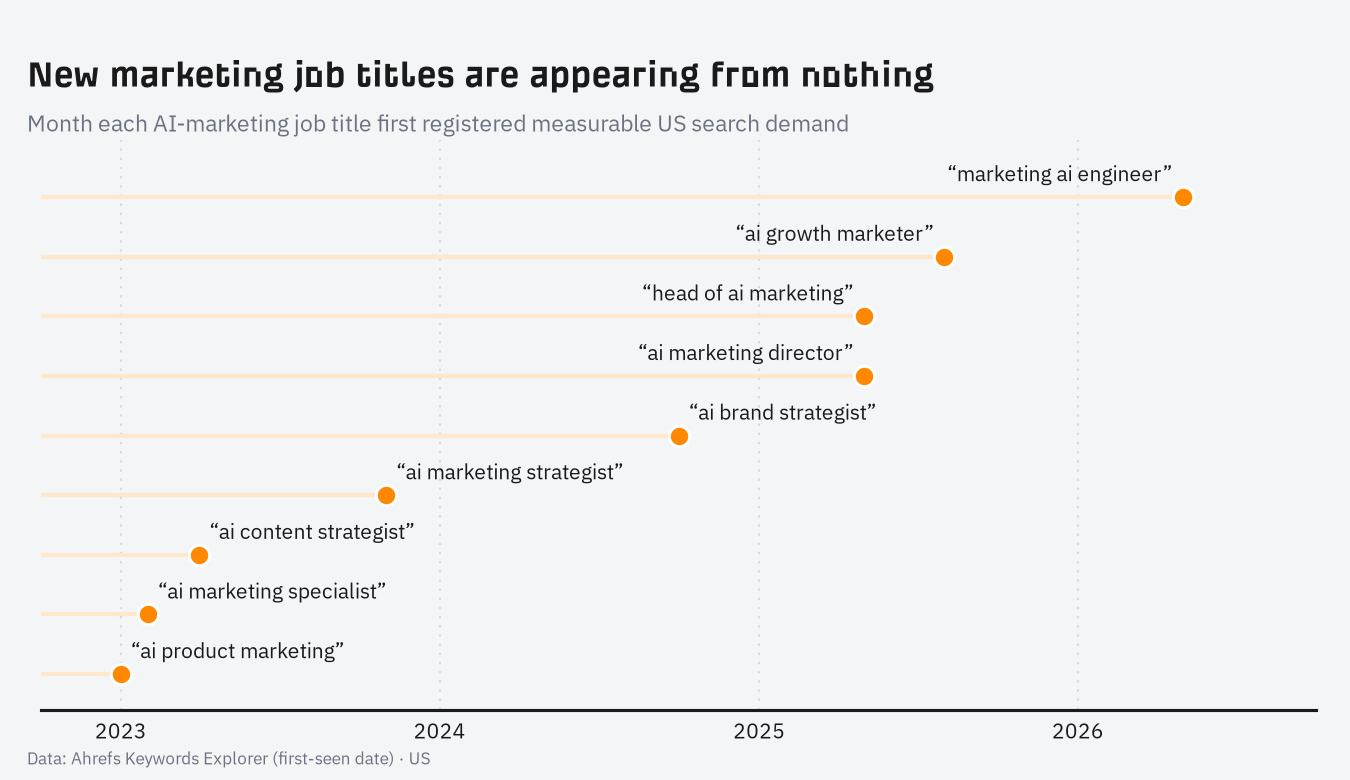
One of the most striking trends is the real-time invention of new marketing job titles. As new technologies and channels emerge, so do the roles required to navigate them. The definition of successful marketing is rapidly evolving, directly impacting the expectations placed upon marketing professionals and leading to the dynamic creation of new job titles. Key characteristics of these emerging roles include an AI-native approach, a focus on systematizing workflows, and a higher level of strategic thinking. A prime example is the evolution from content marketing to content engineering. Instead of solely focusing on content creation, professionals are now tasked with designing the systems that efficiently produce high-quality content. Search data reflects this phenomenon, with terms like "AI marketing director," "head of AI marketing," and "marketing AI engineer" appearing and gaining measurable search demand between 2025 and 2026. While current search volumes for these titles are modest, their emergence signifies a new vocabulary materializing within the industry. Notably, the "prompt engineer" role, prominent in 2023, is being integrated into broader titles, indicating a trend towards specialized AI skills becoming embedded within more comprehensive marketing functions. The enduring need will be for marketers capable of designing and systematizing their work, operating at a strategic level above direct execution.
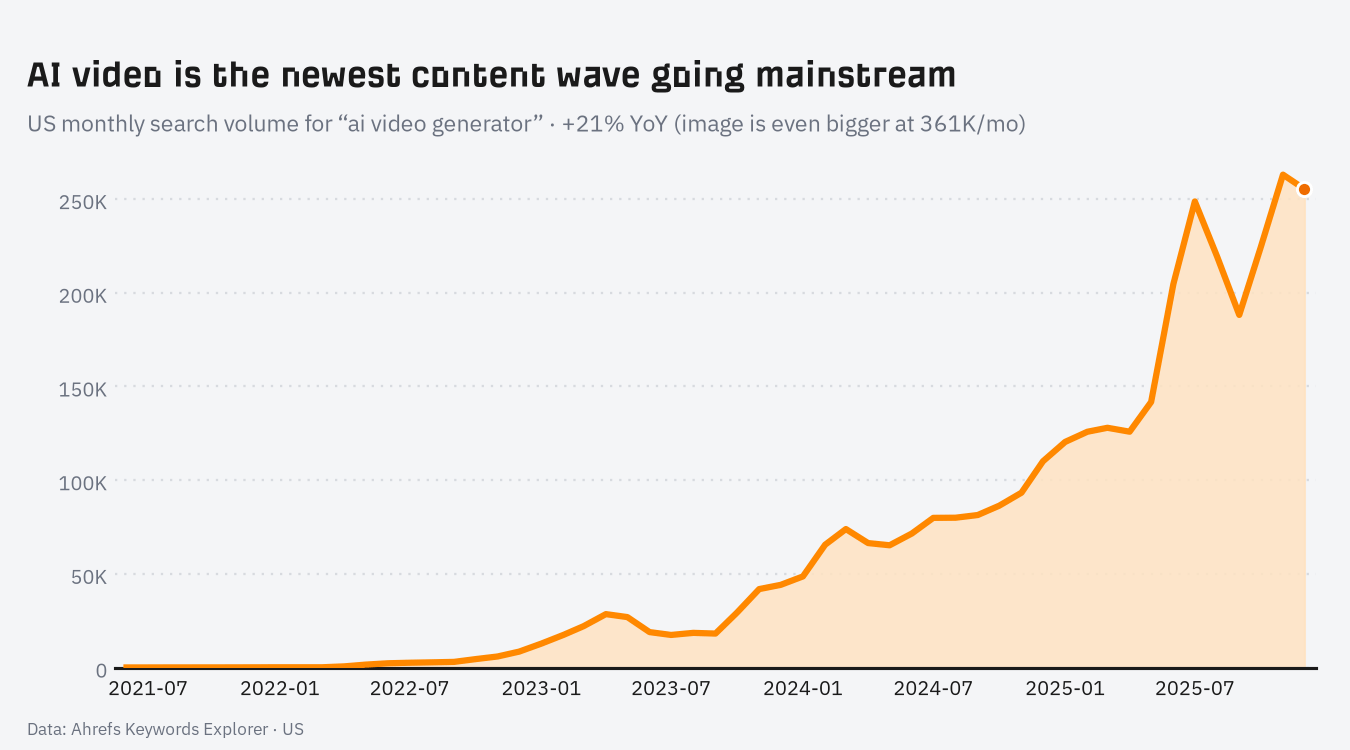
AI content generation has officially entered the mainstream. After a period of quiet adoption, it is now a standard component of most marketing operations. This widespread integration is attributed to two key factors: significant improvements in AI tools and a reduction in perceived risk. Advanced features like skill files and agentic models have enabled AI to produce high-quality outputs, moving beyond generic filler. Furthermore, major search engines like Google have clarified their stance, indicating acceptance of AI-generated content as long as it meets quality standards. The primary concern has shifted from AI generation itself to the risk of publishing low-quality content at scale, a challenge predating AI. Research analyzing one million pages across 100,000 search results confirms the widespread ranking of AI-generated content, including in top positions, with fully AI-written pages appearing at number one. While a slight correlation between heavier AI usage and marginally lower rankings exists, it appears to reflect a quality differential rather than an AI-specific penalty. The trend highlights that Google penalizes poor content, not AI authorship. Consequently, AI generation is now a versatile tool, extending beyond text to encompass image and video generation, which now commands the largest search interest in the AI content domain.
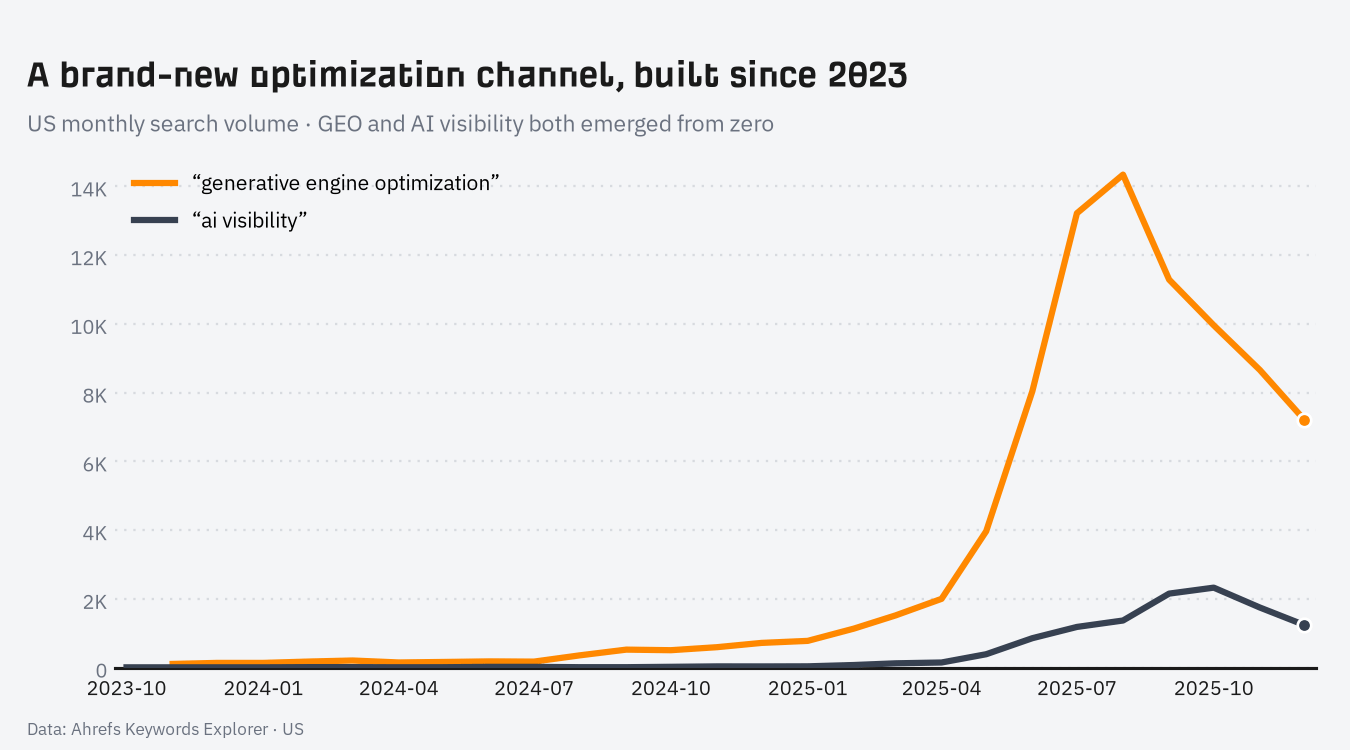
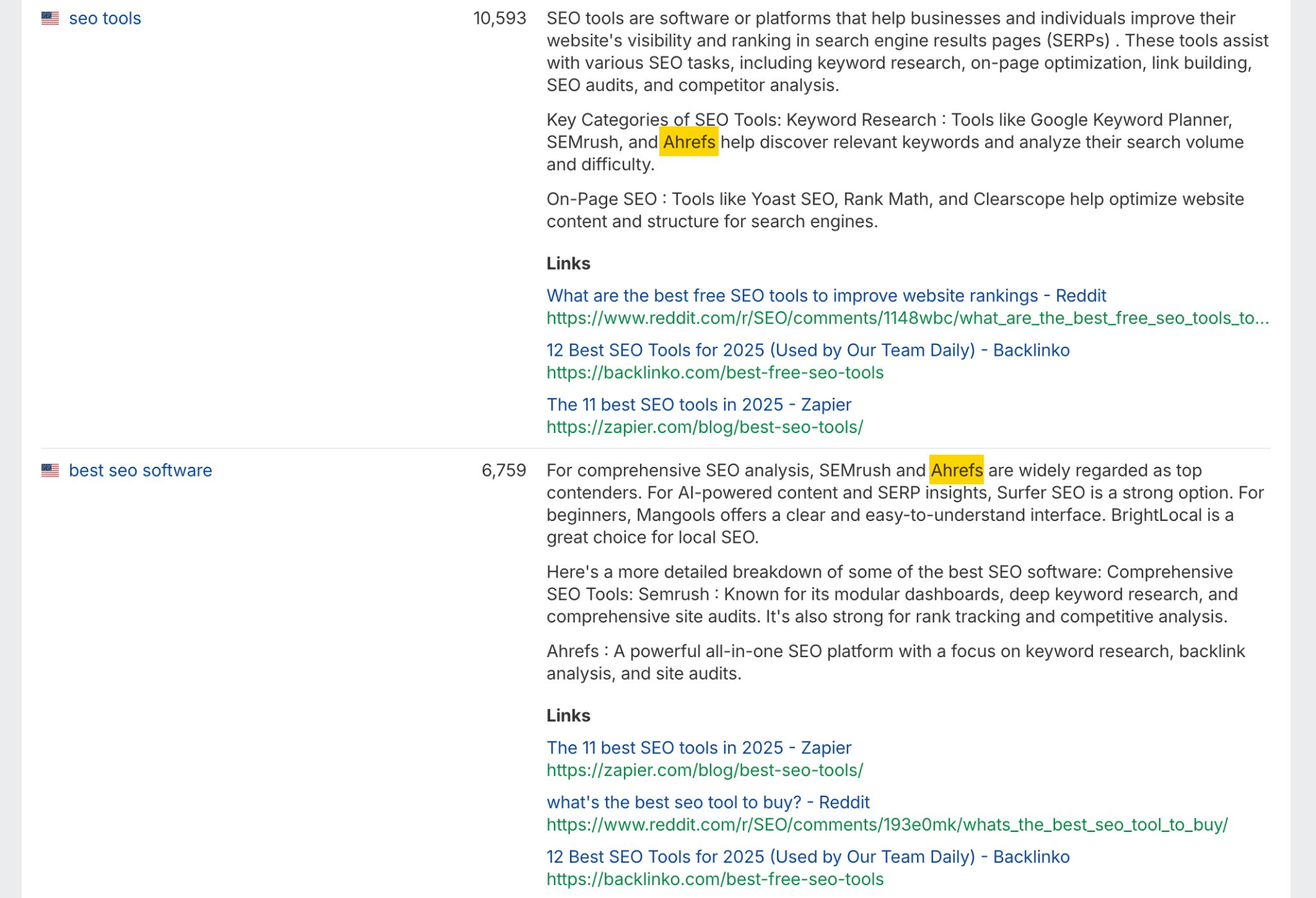
A new marketing channel has emerged: AI visibility, encompassing Generative Engine Optimization (GEO), Answer Engine Optimization (AEO), and Large Language Model Optimization (LLMO). AI-powered search engines have become integral to web navigation, with many users initiating their search journeys via platforms like ChatGPT or AI Overviews, rather than traditional blue links. This has created a distinct set of marketing channels focused on achieving visibility within these AI interfaces. The growing demand is evident in search data, with terms like "generative engine optimization" and "answer engine optimization" experiencing significant year-over-year growth. The emergence of specialized tools for AI visibility, such as Ahrefs Brand Radar, further underscores this trend, with substantial increases in search volume for terms like "AI visibility tools" and "AI visibility tracker." While traditional search engine traffic may be experiencing shifts, the proliferation of these new AI-driven channels presents a largely untapped opportunity for marketers.
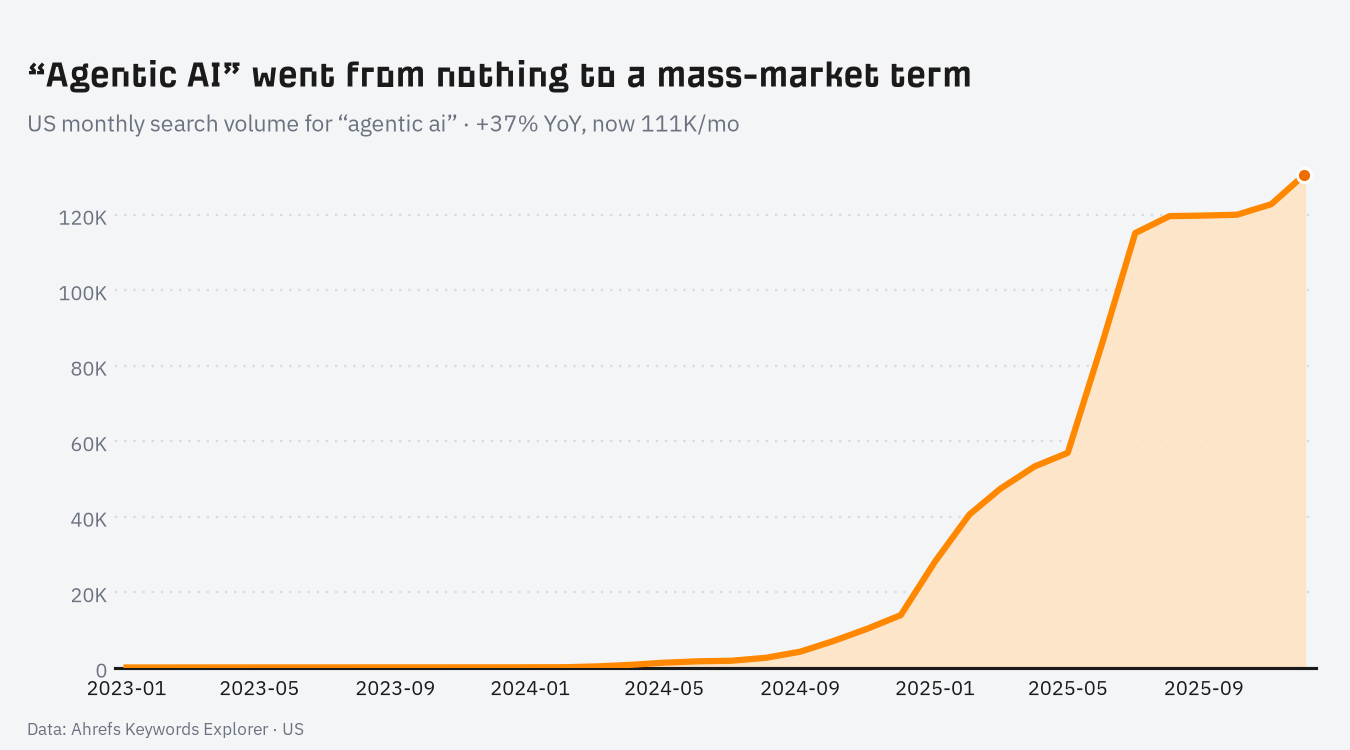
The advancement of agentic AI is revolutionizing marketing, commerce, and search by enabling autonomous action. With improved capabilities in agentic harnesses and skill files, AI agents are now capable of conducting research and making purchases on behalf of users. Major AI platforms are integrating browsers that allow models to navigate the web, compare options, and complete transactions without human intervention. Websites are adapting to accommodate these agents, optimizing for them similarly to how they optimize for human visitors. Search interest in "agentic AI" has surged, indicating a growing awareness and adoption of this technology. The concept of marketing specifically to AI agents is still nascent, with terms like "marketing to AI agents" and "agent experience optimization" just beginning to gain traction. This represents a frontier in marketing, largely unclaimed, where businesses will need to persuade both human consumers and the AI agents that influence their decisions.
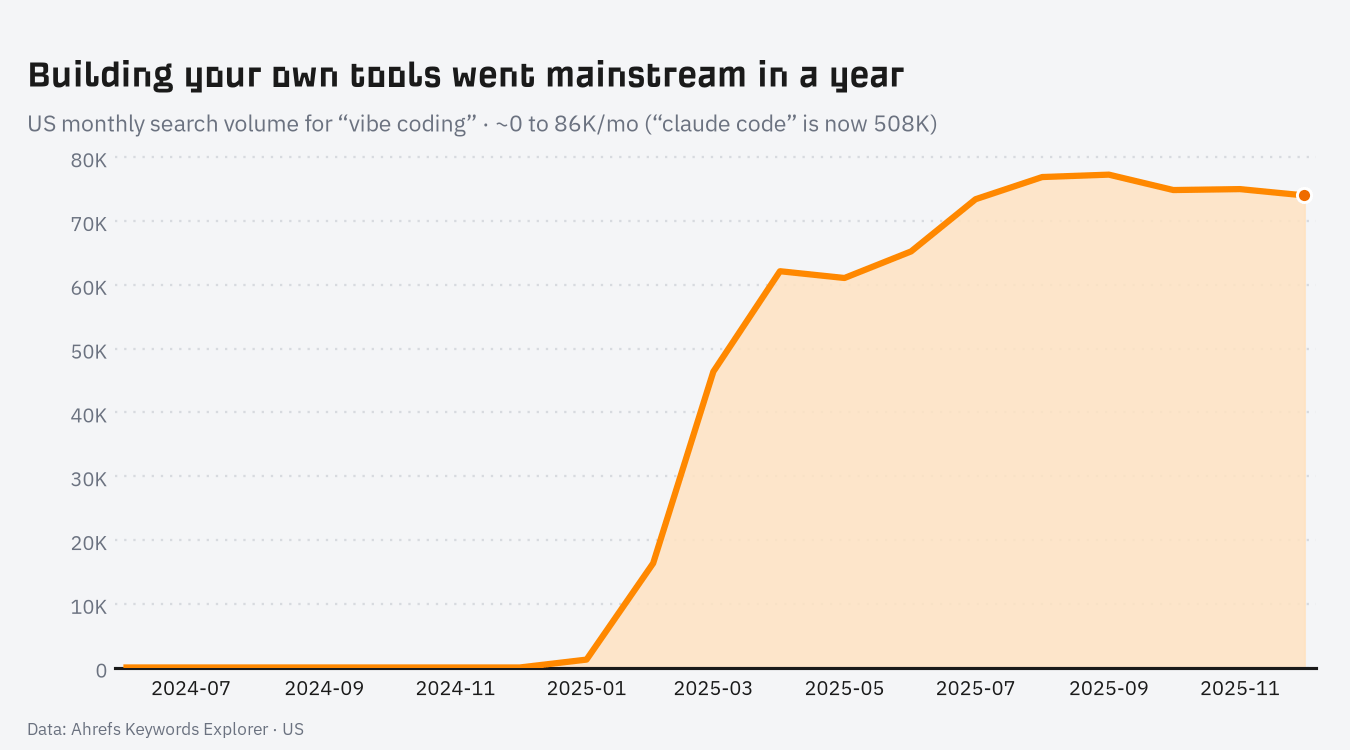
The build versus buy dilemma in marketing tool acquisition has been significantly altered by AI. Previously, building custom tools was often impractical due to development costs, maintenance, and support requirements. However, AI has made it increasingly feasible for individual marketers to create tailored tools without extensive developer involvement. Search interest in AI-assisted coding tools like "Claude code," "Vibe coding," and "Cursor AI" has exploded, indicating a shift towards non-developer users leveraging these technologies. At Ahrefs, custom tools have been developed, even replacing existing paid subscriptions. This trend necessitates a re-evaluation of software positioning; vendors must now offer compelling reasons to purchase beyond basic functionality, focusing on unique capabilities and seamless integration into existing AI-powered workflows.
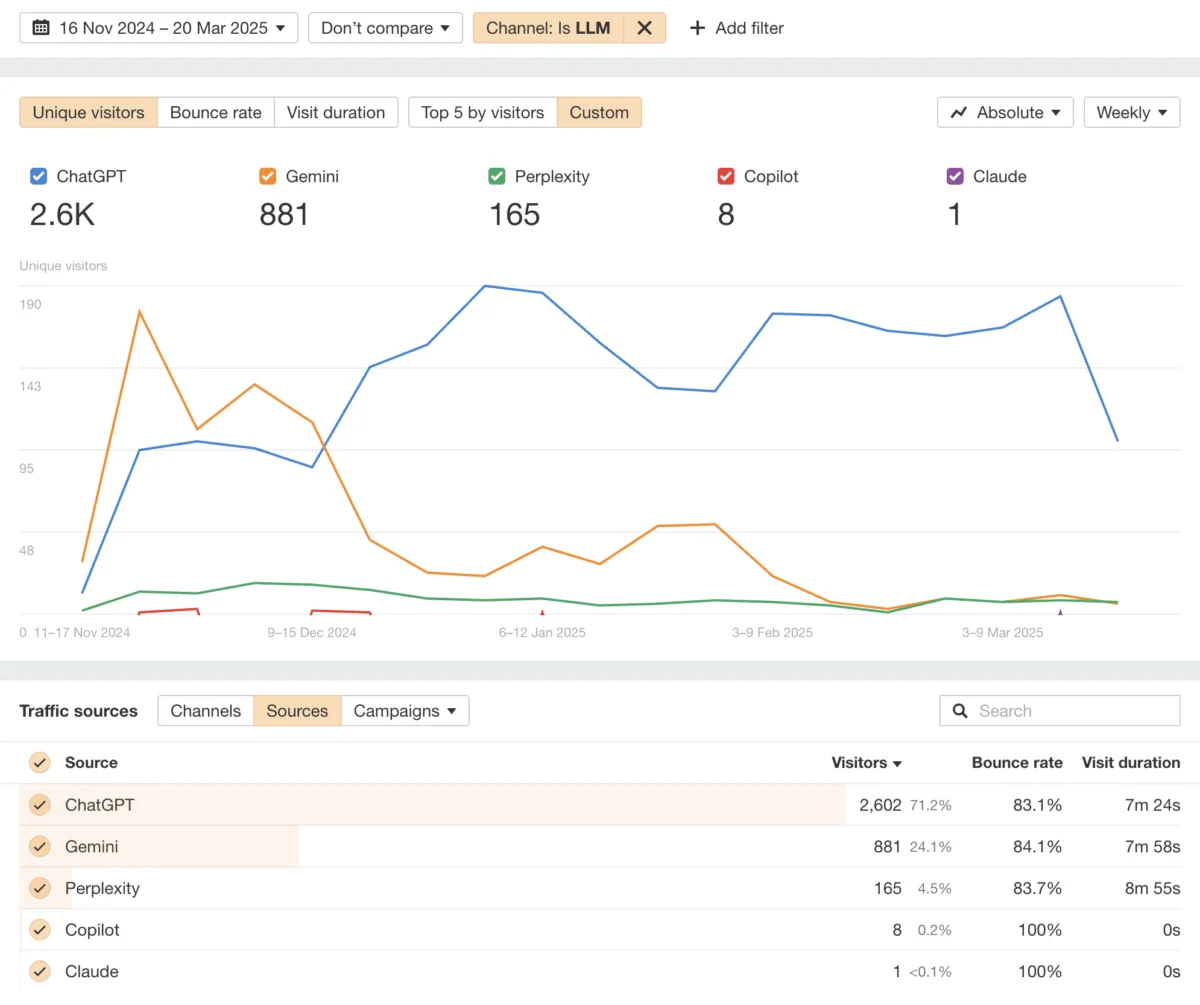
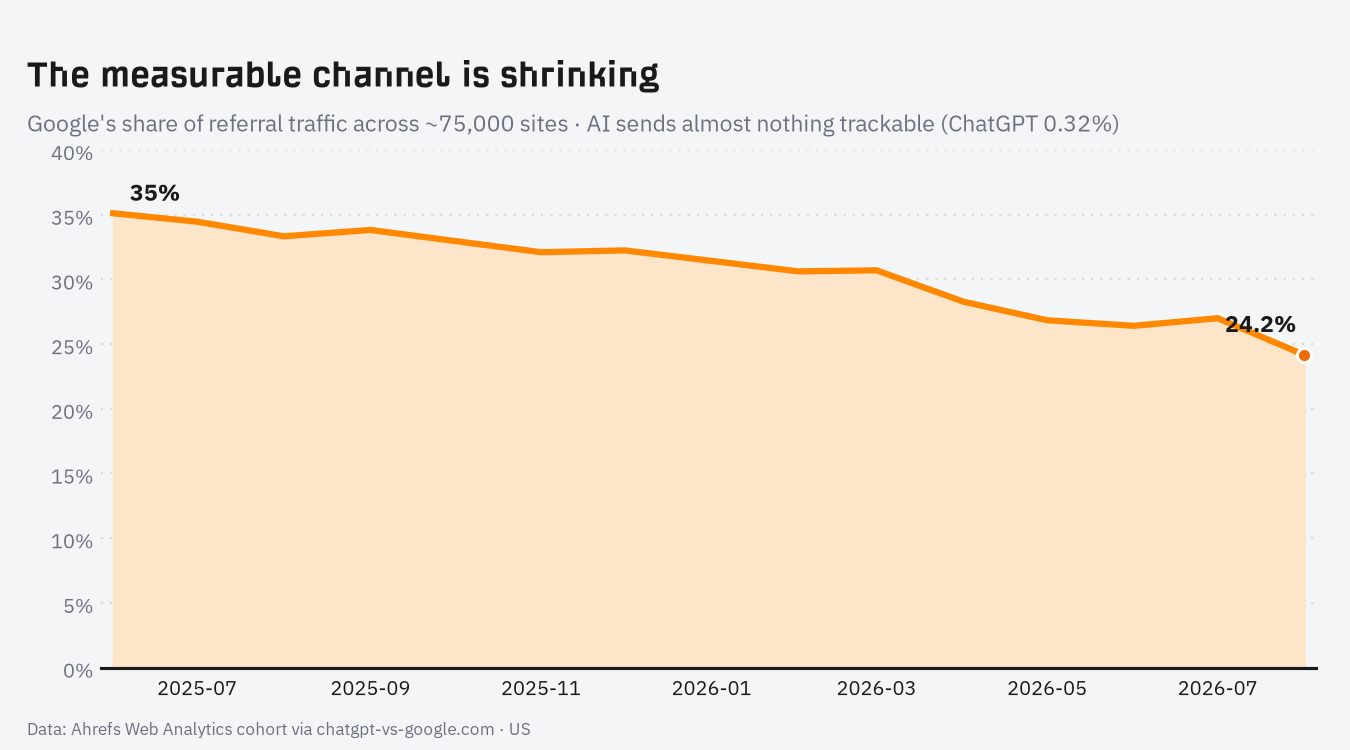
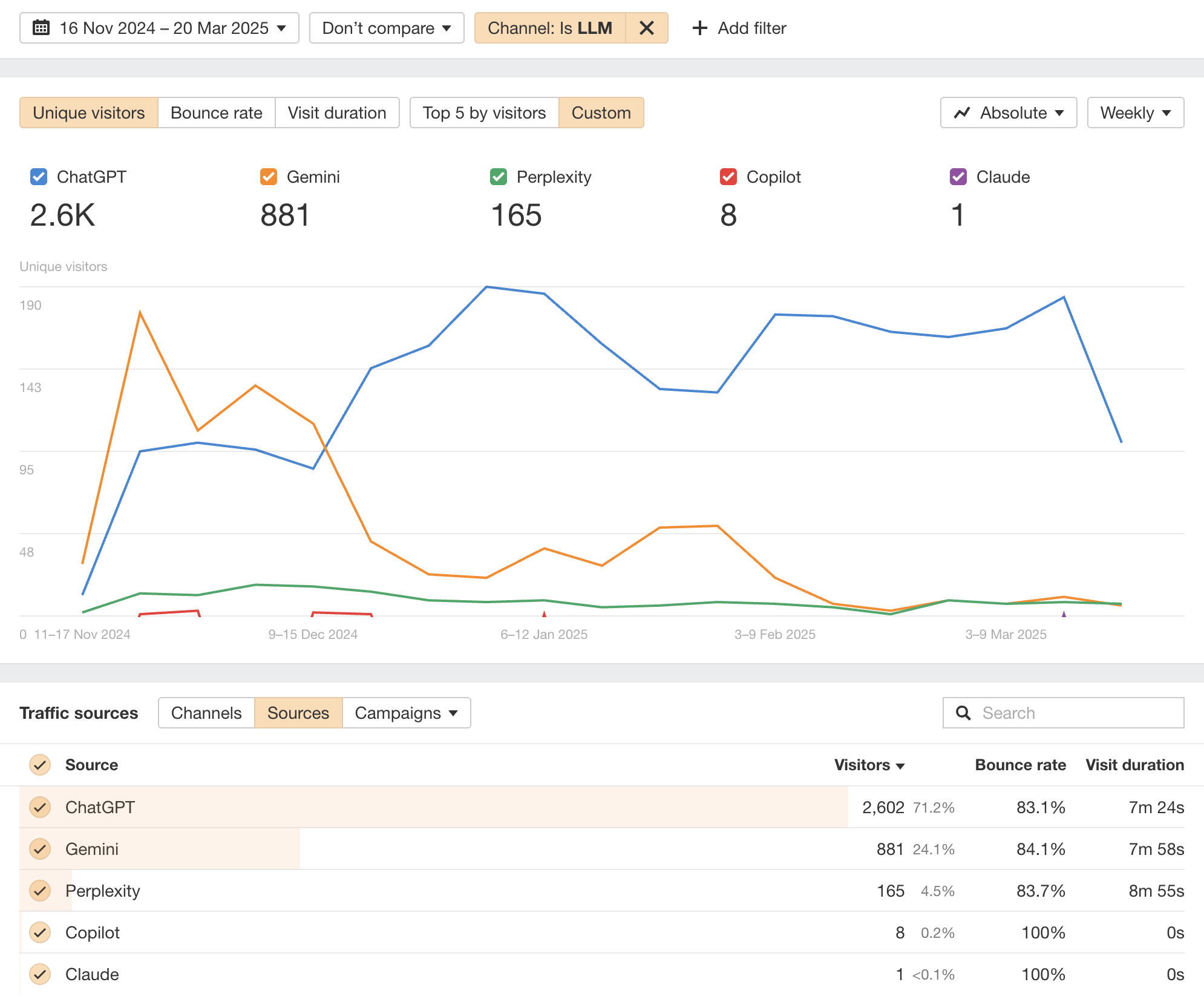
Attribution has become a more complex challenge as AI influences buyer decisions without always leaving a measurable trace. While marketing attribution has always faced inherent complexities, AI’s impact has further obscured the tracking of customer journeys. Google’s AI Overviews, for instance, have been shown to reduce clicks to top-ranking results by a significant margin, with AI engines like ChatGPT providing answers directly to users without attributing traffic to source websites. Analysis of a substantial cohort of websites reveals a decline in Google’s referral traffic share, while AI platforms contribute minimal trackable referrals. Despite this reduction in measurable data, consumer demand remains robust, potentially amplified by AI’s ability to streamline research and purchasing. Marketers must adapt by relying less on traditional attribution dashboards and more on judgment and an understanding of evolving consumer behavior, similar to the shift towards "vibe marketing." Tools like Ahrefs Web Analytics are emerging to provide some visibility into AI-driven traffic, allowing marketers to monitor engagement from LLM channels and identify content that earns AI referrals.
AI-native tactics, including synthetic user-generated content (UGC), avatars, and influencers, are gaining traction. Marketers are increasingly leveraging AI to create synthetic creators and user-style content at a near-zero marginal cost, shifting spend from traditional channels with diminishing returns to growing AI-driven avenues. Search interest in terms like "AI UGC," "AI avatars," and "AI influencers" indicates a steady upward trend. While these tactics are still in their early stages, the economic advantages are significant. The ability to generate on-brand creative content and synthetic brand representatives cost-effectively presents a compelling proposition for performance marketing teams. Experimentation with these AI-native tactics is recommended before they become commonplace.
Finally, generative AI is fostering greater cross-functional collaboration within marketing departments. AI visibility, whether through ChatGPT, AI Overviews, or other AI platforms, is not the product of a single team but a collective outcome of efforts traditionally siloed across different departments. Achieving AI visibility requires integrated efforts from content strategy, SEO, digital PR, paid media, brand marketing, and engineering. Each department plays a crucial role in ensuring a brand’s presence and authority within AI systems. As there is no established playbook for AI marketing, new roles and functions will continue to emerge and evolve. The immediate practical implication is the necessity for marketers to collaborate closely with counterparts in previously siloed teams. Brands that successfully align SEO, PR, paid media, content, and engineering efforts will be best positioned to achieve prominence in the AI-driven marketing landscape.