 11

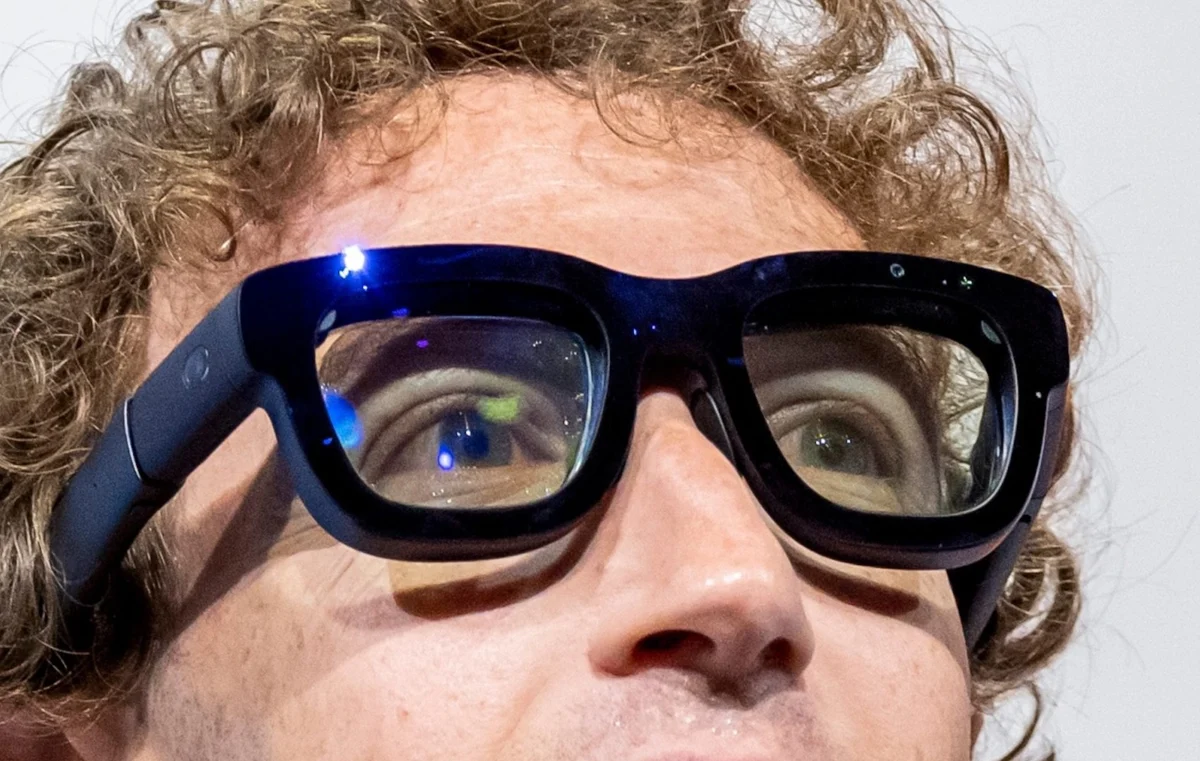
Menlo Park, California – September 16, 2026 – Meta Platforms Inc. is reportedly preparing to launch a new generation of smart glasses, code-named "Luna," that will notably omit integrated cameras. This strategic shift comes as the company navigates a wave of consumer backlash and privacy concerns surrounding its existing camera-equipped smart glasses, which have been criticized as invasive and likened to "pervert glasses." The forthcoming device is expected to focus primarily on advanced artificial intelligence capabilities, offering users a hands-free interface for Meta’s AI chatbot and its consumer agent, Muse.
The development of Luna marks a significant pivot for Meta in the evolving smart glasses market. While the company’s current camera-equipped smart glasses have demonstrated a degree of success compared to other market entrants, their widespread adoption has been hampered by deep-seated consumer apprehension regarding privacy. Critics have voiced strong objections, perceiving the devices as symbols of a "dystopian surveillance society run amok" due to their discreet recording capabilities. By removing the camera functionality, Meta appears to be directly addressing these public concerns, aiming to carve out a new niche for its wearable technology.
According to a report from The Information, the Luna smart glasses will be equipped with six built-in microphones, specifically designed to facilitate seamless communication with Meta’s burgeoning AI ecosystem. Users will be able to activate the AI system – including the company’s AI chatbot and Muse, its dedicated AI consumer agent – via a conveniently placed button on the side of the glasses. This configuration suggests a clear focus on voice-activated interaction and hands-free access to information and assistance, rather than visual capture. The emphasis on AI integration positions Luna as a personal AI companion, designed to enhance daily life through intelligent assistance and communication, without the controversial visual recording component.
The highly anticipated unveiling of the Luna model could occur as early as next week, during Meta Connect, the company’s annual hardware and developer event held in Menlo Park. This event traditionally serves as a platform for Meta to showcase its latest advancements in virtual reality, augmented reality, and other hardware initiatives, making it a logical venue for such a significant product announcement. While TechCrunch has reached out to Meta for official confirmation, the company has not yet provided further details regarding the report.

Meta’s journey into the smart glasses arena has been characterized by ambition and significant investment. The company has long viewed augmented reality (AR) and smart wearables as a crucial component of its metaverse vision, aiming to eventually provide a hands-free alternative to the ubiquitous smartphone. Early efforts, including partnerships to produce camera-equipped smart glasses, have positioned Meta near the forefront of a growing industry. However, this positioning has not come without substantial challenges. Beyond privacy, concerns over usability, the high cost of the devices, and general consumer uncertainty about the practical applications of smart glasses have persistently dogged the business. Many consumers remain unconvinced about the necessity or utility of these devices in their daily lives, contributing to a slower-than-anticipated market penetration.
The financial performance of Meta’s Reality Labs division, which is responsible for the development of its smart glasses and other AR/VR technologies, underscores the scale of the company’s investment and the hurdles it faces. As revealed in its April earnings report, Reality Labs continues to incur a "gargantuan amount" of financial losses. This substantial burn rate highlights the critical need for Meta to develop hardware products that not only resonate with consumers but also demonstrate a clear path to profitability. The introduction of Luna, with its distinct privacy-first approach and AI focus, could represent a strategic attempt to diversify its product line and tap into a segment of the market that has been hesitant to adopt camera-enabled wearables.
The decision to launch a camera-free smart glass model is a direct response to a vocal segment of the public that has expressed profound discomfort with the privacy implications of wearable recording devices. The "pervert glasses" moniker, while harsh, reflects a genuine fear among some consumers that such devices could be used for surreptitious recording, infringing upon personal privacy in public and private spaces. Traditional camera-equipped smart glasses often include indicator lights to signal when recording is active, but these are not always sufficient to alleviate public apprehension, especially in an age where digital surveillance capabilities are constantly expanding. By explicitly removing the camera, Meta aims to build trust and offer a product that caters to privacy-conscious individuals who still desire the convenience and advanced features of smart wearables, particularly those powered by AI.
The broader smart glasses industry, while showing signs of growth, continues to grapple with fundamental questions of consumer adoption. Analyst reports, such as those from Citigroup, have highlighted the potential of AI glasses as the "next fast-growing edge device." However, the path to widespread acceptance is fraught with challenges. Beyond privacy, factors such as battery life, design aesthetics, computational power, and the seamless integration with existing digital ecosystems all play a role in whether smart glasses will move beyond niche appeal. Meta’s approach with Luna suggests a willingness to experiment with different value propositions, seeking to unlock mass-market appeal by prioritizing specific functionalities like AI communication over potentially contentious features like integrated cameras.
In conclusion, the reported development of Meta’s Luna smart glasses represents a calculated strategic maneuver by the tech giant. By shedding the camera and doubling down on AI-driven voice interaction, Meta is directly addressing the most significant public relations and ethical challenge facing its smart glasses division: privacy. While Reality Labs continues to be a substantial financial drain, the introduction of Luna could be a crucial step in Meta’s long-term vision for ambient computing and the metaverse, potentially opening up a new market segment for smart wearables that prioritizes discreet functionality and intelligent assistance over visual recording. The industry will be closely watching the Meta Connect event for official confirmation and further details on what could be a pivotal moment for Meta’s hardware ambitions and the future of smart glasses.






