11

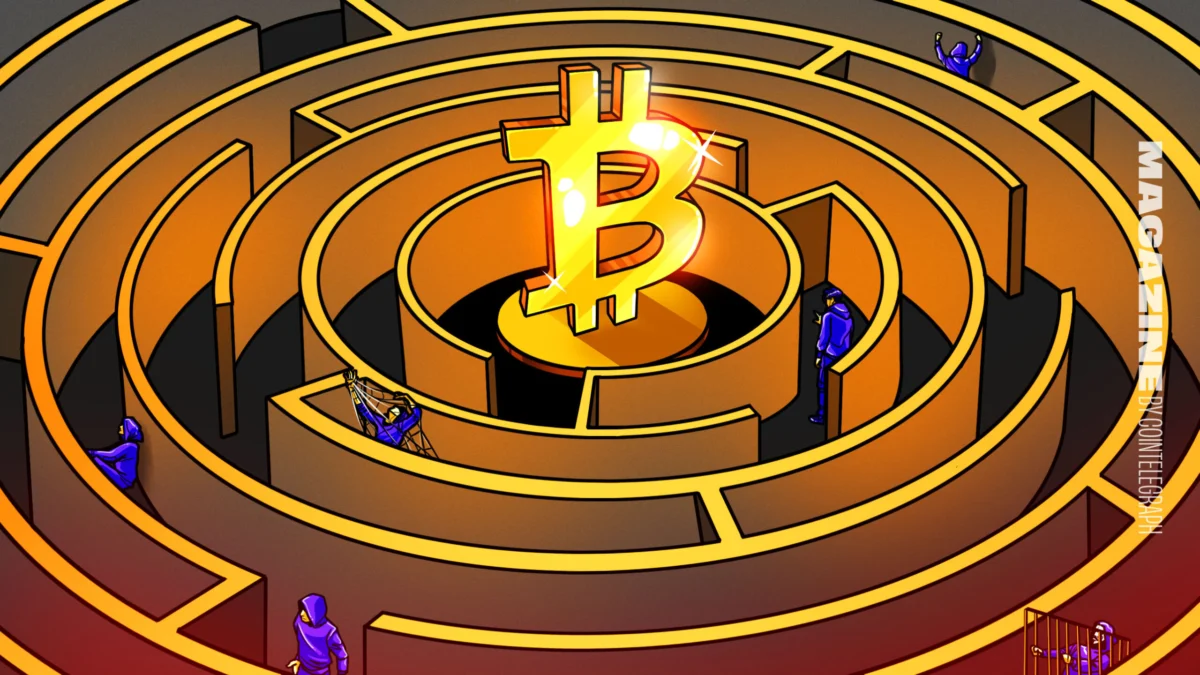
In 2021, Chris Brooks, founder and chief executive of Crypto Asset Recovery, received a peculiar call from a client named Rusty. Rusty claimed that he and two associates had triumphed in a court case, securing 5,000 Bitcoin, a sum then valued at approximately $53 million. The immediate next step was a Zoom call, during which one of the men showcased a phone displaying a Bitcoin address with an astounding $53 million balance. They asserted the ability to withdraw up to $300,000 weekly but expressed a desire to liquidate the entire fortune. Their proposition to Brooks and his son, Charlie, was enticing: fly to Georgia to assist in cracking the wallet, and they would be rewarded with millionaire status.
Intrigued, Brooks and his son promptly booked flights and journeyed to Georgia the following day. During lunch, Rusty, an Army veteran standing 6-foot-3, dropped a bombshell: the wallet contained not just Bitcoin, but also a staggering $1 billion in Ethereum (ETH). This revelation struck Brooks as highly unusual, prompting him to question the legitimacy of the situation. The men then escorted Brooks and his son to a strip mall owned by one of them. In a back office, they were presented with notebooks filled with numerous recovery seeds. The pair spent the day diligently attempting to access various wallets, only to discover a meager $10 in Bitcoin across them. Brooks never ascertained if the wallets presented had ever held the substantial BTC or ETH reserves Rusty had claimed. Furthermore, Brooks and his son were never reimbursed for their flight expenses.
Reflecting on the experience, Brooks now suspects that Rusty had likely fallen victim to scammers who had manipulated him into believing he possessed a vast cryptocurrency fortune that never truly existed. This encounter served as an early and significant lesson for their burgeoning crypto recovery business, highlighting that while crypto can be lost, wallets misplaced, or passwords forgotten, sometimes the fundamental issue is that the money was never there to begin with.
The Nuances of "Lost Crypto" for Recovery Specialists
For specialists in wallet recovery, the term "lost crypto" encompasses a spectrum of distinct scenarios. Their work does not involve extracting Bitcoin directly from the blockchain; rather, it focuses on recovering the necessary information to access an existing wallet. Whether a hardware wallet has been discarded, a password forgotten, or a portion of a seed phrase misplaced, these situations do not automatically signify the permanent disappearance of the underlying cryptocurrency.
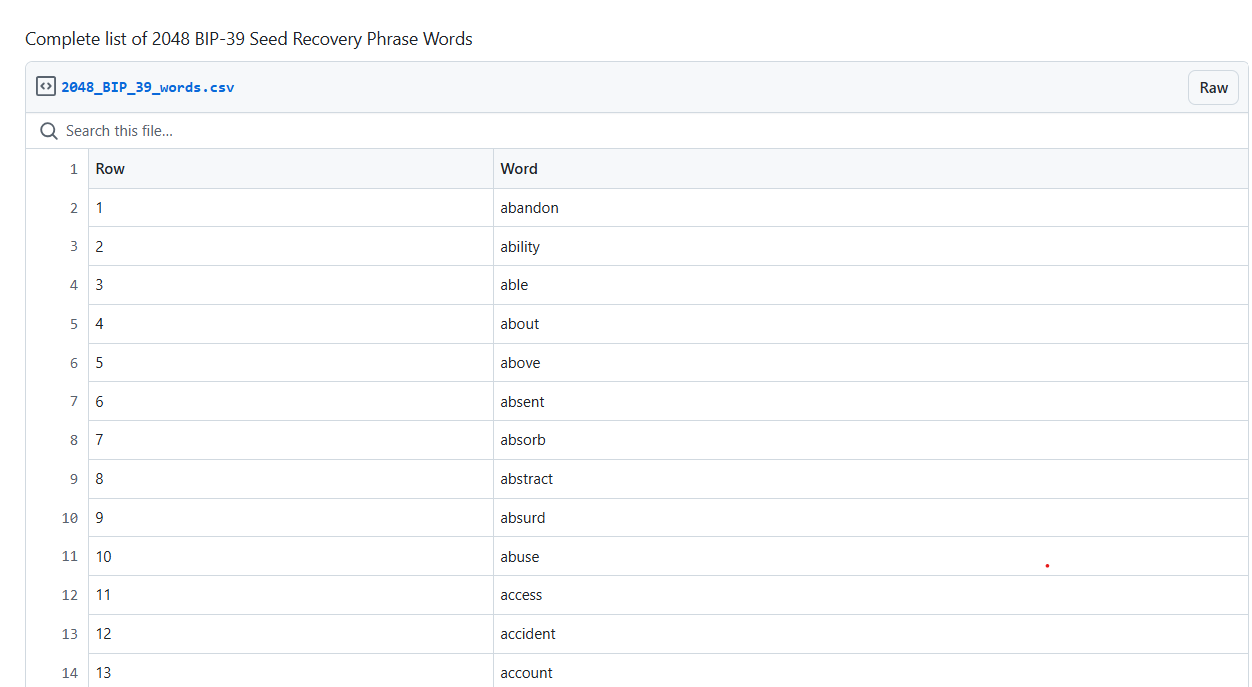
Bruno Krauss, co-founder and chief technical officer of recovery firm ReWallet, explained that even with some missing words from a seed phrase, recovery is often possible. The BIP39 standard for Bitcoin seed phrases utilizes a list of 2,048 words. If a client remembers most of these words, specialists can systematically explore the remaining possibilities. The fewer words missing, the more manageable the recovery puzzle becomes. Password recovery operates on similar principles.
Krauss shared an instance where ReWallet successfully recovered a 20-character password protecting approximately $3 million by reverse-engineering a flawed password generator. Other recovery cases rely less on technical exploits and more on understanding individual password generation habits. This involves probing clients for personal details such as favorite foods, memorable places, children’s names and birthdays, significant life events, or cherished memories. In one notable case, a client was adamant she had used her children’s names for her password, only to later recall it was a phone number associated with a local delivery service. The memory surfaced when she connected it to a day a package was delivered to her store, prompting her to think it would make a good password.
Passphrases: An Added Layer of Complexity and Potential Pitfalls
Tom Bennet, a Bitcoin educator with expertise in wallet security, identified passphrases as a particularly confounding category in crypto recovery. A passphrase acts as an additional layer of security atop a seed phrase. Crucially, entering an incorrect passphrase does not typically generate an error message; instead, it results in the successful display of a zero-balance wallet. This can lead users to mistakenly believe their Bitcoin has vanished, even when they have correctly entered their seed phrase.
Bennet emphasized that passphrases lack user-protection features such as a predefined list of valid words or a checksum. Consequently, if a passphrase is forgotten, the recovery hinges on its randomness. If the passphrase was sufficiently random, recovery often becomes impossible.
In cases involving lost or damaged hardware wallets, even possessing the compromised device may offer limited assistance. If the wallet’s backup seed phrase remains intact, the keys can generally be restored on a different device. This underscores why recovery specialists often prioritize acquiring sufficient information to reconstruct access to the keys rather than necessarily needing the original hardware.
Recovery services can also address errors, such as cryptocurrency sent to the wrong blockchain, for instance, BNB to Ethereum. If the receiving wallet is under the user’s control, retrieval may be feasible. Brooks reported that Crypto Asset Recovery has been engaged to crack over 3,000 wallets for approximately 1,500 individuals, with success in password recovery for about 63% of these cases.
The Irrecoverable: When Crypto is Truly Gone
Despite the advancements and expertise in recovery, a hard boundary exists. Bennet stated unequivocally that if a seed phrase is genuinely random and is completely lost, the Bitcoin associated with it is gone forever. This represents a fundamental trade-off inherent in self-custody; unlike traditional banking, a Bitcoin wallet lacks a centralized recovery system or administrator capable of verifying identity and restoring access.
Lucien Bourdon, a Bitcoin analyst at hardware wallet manufacturer Trezor, articulated this point with stark clarity: if a wallet backup is lost and the wallet containing the keys is inaccessible, "no recovery company can help." He cautioned that if such assistance were possible, it would fundamentally compromise the security of self-custody by enabling wallets to be cracked. The inherent randomness of crypto wallets makes guessing a private key practically impossible. A recent vulnerability in Bitcoin hardware wallet Coldcard, stemming from a firmware bug, weakened seed randomness on some devices, rendering their seeds brute-forceable without physical access. However, for genuinely random seeds or private keys that have been irrevocably destroyed, the sheer number of possibilities renders recovery infeasible.
Krauss noted that recovery specialists can occasionally discover technical pathways into wallets that owners had presumed permanently lost. Factors such as outdated wallet software, corrupted files, poorly generated passwords, and hardware vulnerabilities can create unexpected recovery opportunities. He advises, "Don’t give up on edge cases."
The Double-Edged Sword: Scammers in the Recovery Realm
An uncomfortable irony pervades the crypto recovery industry. The very individuals who might possess the means to help users regain access to their digital assets require the same sensitive information that grants complete control over those assets. A seed phrase is not akin to a password that can be reset; possession of the correct wallet backup typically confers ownership of the funds.
This reality elevates the selection of a recovery specialist into a critical security decision. Bourdon recommends thorough due diligence, advising users to seek firms with verifiable track records, traceable customer reviews, and a success-based fee structure rather than upfront payments. He strongly advises moving recovered funds to a new wallet with a fresh backup immediately after regaining access. Users should also be highly suspicious of unsolicited messages claiming to offer fund recovery.
Krauss identified further warning signs, including recovery agents pressuring users to communicate via WhatsApp or personal email addresses like Gmail, demanding upfront payments, or requesting the creation of accounts on exchanges. While recovery firms charging a percentage of successfully recovered funds are not uncommon, paying money upfront to an entity promising wallet recovery should trigger significant alarm.
The Rusty incident provided Brooks with another crucial lesson. Beyond the technical aspects, individuals who believe they possess immense wealth can inadvertently become security risks. Crypto Asset Recovery has since discontinued in-person client meetings, opting for remote case handling. Sensitive wallet information is now processed through automated and air-gapped systems. Brooks shared that approximately 71% of the wallets they successfully crack contain less than $100, and for these, the company waives its recovery fee.
Brooks’ most fervent wish for crypto users regarding asset recovery is simple: "Learn what in the world a recovery seed is and why they’re important. That’s the simplest way to make sure you never have to talk to us."