11

The automotive landscape in China, a market characterized by its intense competition and a rapid pivot towards electric-powered vehicles, is witnessing a reshuffling of brand loyalties and sales dominance. Recent industry data, particularly from Autohome, reveals a clear trend: new energy vehicles (NEVs), encompassing both battery-electric and hybrid models, are increasingly capturing the attention and wallets of Chinese consumers. However, this burgeoning sector is not without its challenges, as overall passenger car sales have experienced a significant downturn.
Leading the charge in consumer preference is Geely, a homegrown automotive giant. The company’s Xingyuan electric hatchback emerged as the undisputed bestseller among the top 10 most popular car models sold in China during the six months leading up to July. This affordable electric hatchback, priced just under 100,000 yuan (approximately $14,820), achieved an impressive sales volume of nearly 197,500 units. Geely has firmly established itself as a formidable competitor to BYD, securing the second position in overall China sales volume for 2025. The Hangzhou-based company maintains a diversified product portfolio, offering both traditional gasoline-powered vehicles and cutting-edge electric vehicles. Its premium electric brand, Zeekr, further bolsters its presence in the evolving market.
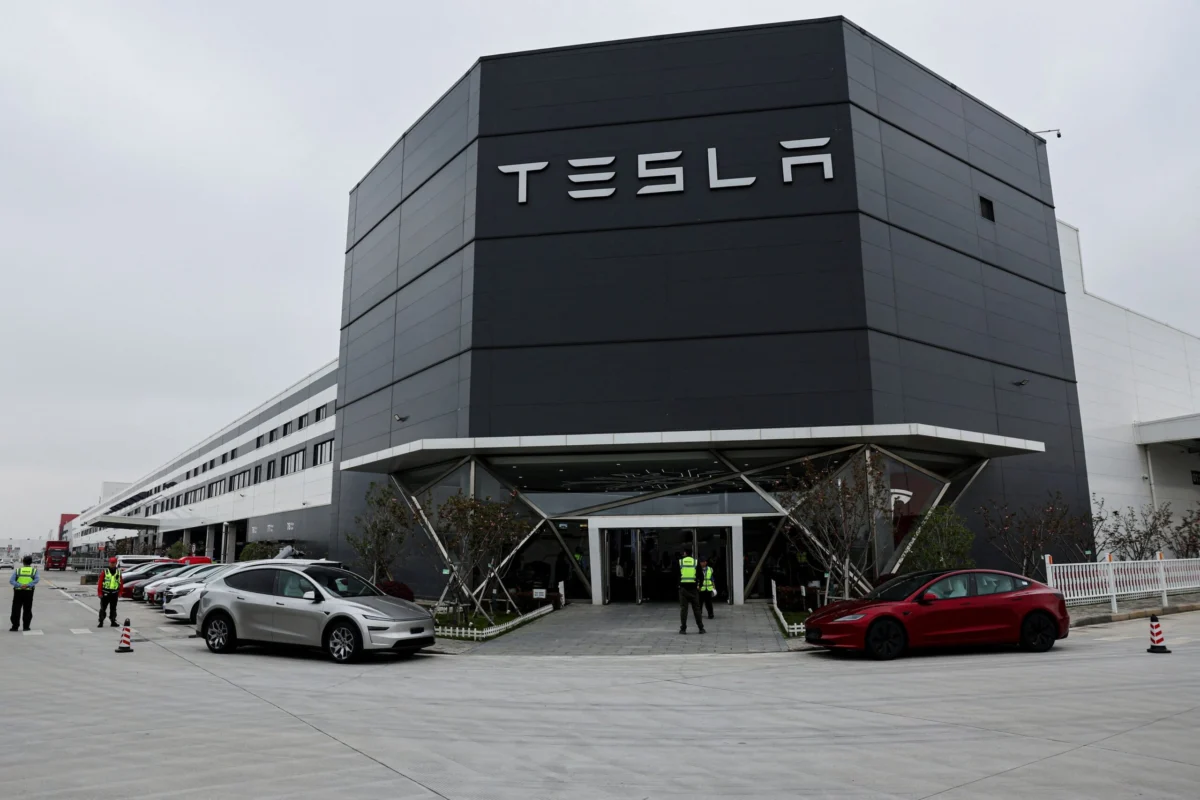
While Chinese brands are making significant inroads, American electric vehicle pioneer Tesla continues to demonstrate resilience and strong sales performance. The Tesla Model Y secured the second spot in popularity, with over 180,000 units of its electric SUV sold. Despite a premium price range of 263,500 yuan to 313,500 yuan, the Model Y’s appeal remained strong, outselling notable competitors such as Li Auto’s i6 SUV and Xiaomi’s SU7 sedan. This indicates a continued demand for Tesla’s established brand recognition and its high-performance electric vehicles, even in a market increasingly populated by domestic alternatives.
In contrast, BYD, a dominant force in the NEV sector, experienced a more nuanced performance in the top 10 rankings. While three of BYD’s models appeared among the best-selling cars in the period from February to July, their individual placements were not as high as anticipated. The most popular BYD offering, the modestly priced Yuan UP SUV, managed to secure only fifth place, with sales of nearly 97,700 units. Following closely behind were the Ti 7, from BYD’s dedicated off-road brand, and its Sealion 06 SUV, which claimed sixth and seventh positions respectively. The company’s overall performance has been impacted by a reported decline in passenger car sales. BYD’s official disclosures revealed a drop of more than 10% in its passenger car sales during the first half of the year, highlighting the intense competitive pressures and the fluctuating market dynamics.
Amidst the rise of domestic players and the established presence of Tesla, traditional foreign automakers are finding it increasingly challenging to maintain their market share. Volkswagen stands out as the sole traditional foreign car company to feature in the top 10 most popular models. Its compact gasoline-powered Lavida model secured ninth place, finding itself positioned between the emerging Leapmotor’s A10 electric SUV and Geely’s gasoline-powered Boyue L SUV. This placement underscores the growing dominance of NEVs and the challenging environment for conventionally powered vehicles from established international brands.
The overarching trend in China’s automotive market is the undeniable dominance of electric vehicles. Data from the China Passenger Car Association indicates a significant shift, with new energy vehicles accounting for a substantial 65.1% of all new passenger cars sold in July. This represents a considerable increase from the 54% market share recorded a year prior. This surge in NEV adoption reflects a growing consumer preference for sustainable transportation solutions, driven by government incentives, improving charging infrastructure, and advancements in electric vehicle technology. However, despite the impressive penetration of NEVs, the category as a whole experienced a sales decline of 12.5% for the year through July. This broader market contraction is mirrored in the overall passenger car segment, which saw a steeper drop of 20.3% during the same period. These figures suggest that while the future of the Chinese auto market is undeniably electric, the current economic climate and intense competition are creating a challenging environment for all manufacturers, regardless of powertrain. The ability to adapt to evolving consumer tastes, offer competitive pricing, and innovate in technology will be crucial for survival and success in this dynamic automotive arena.