 11
11
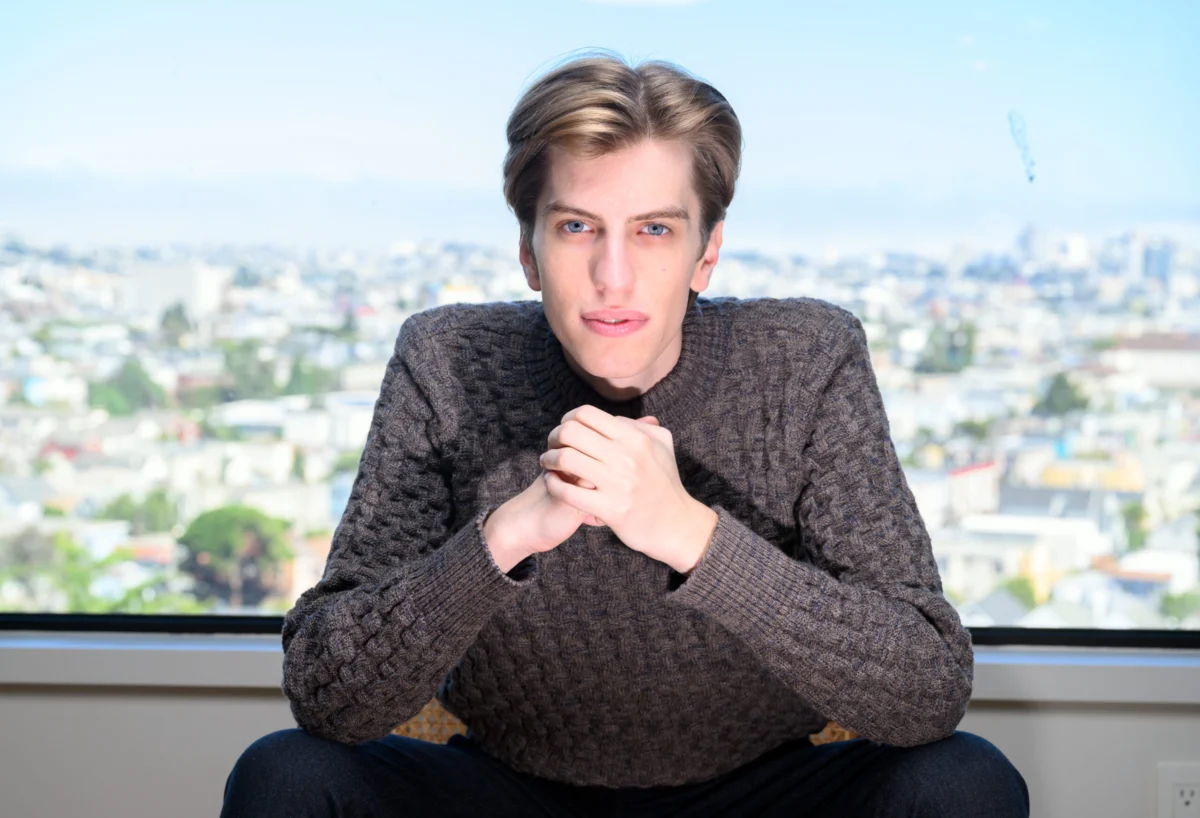
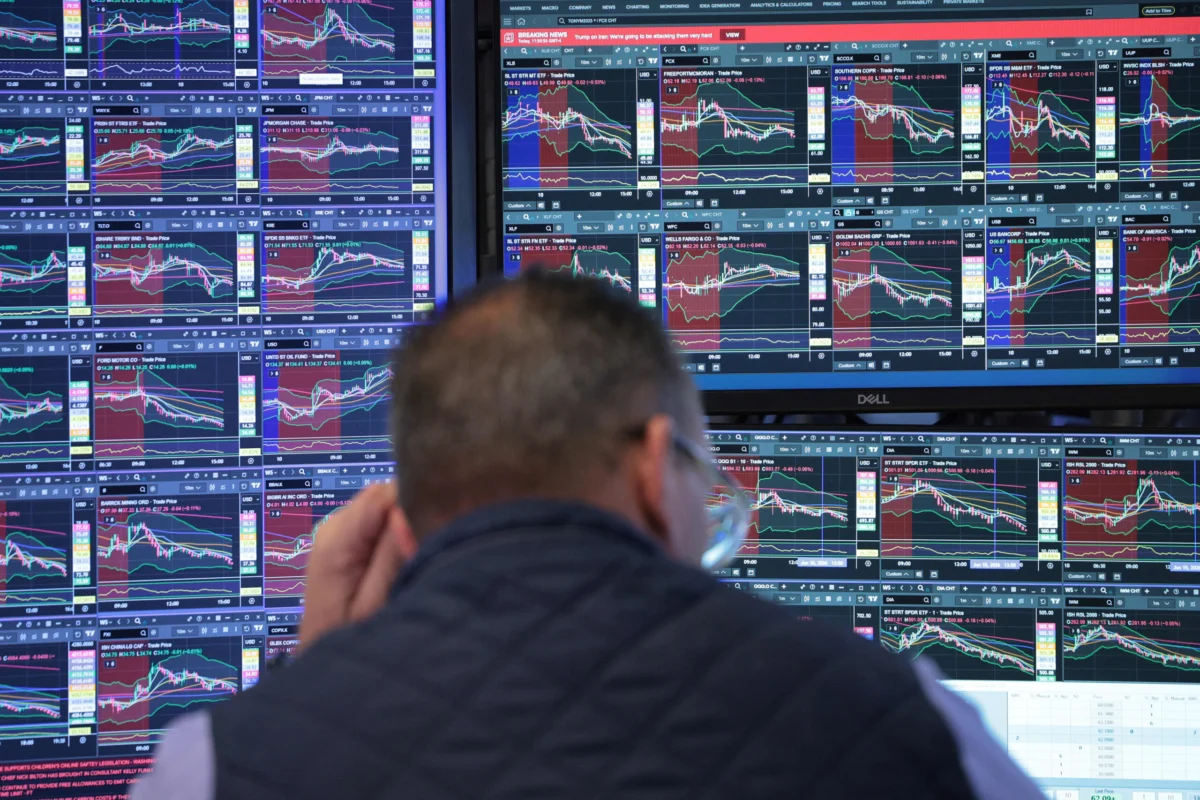
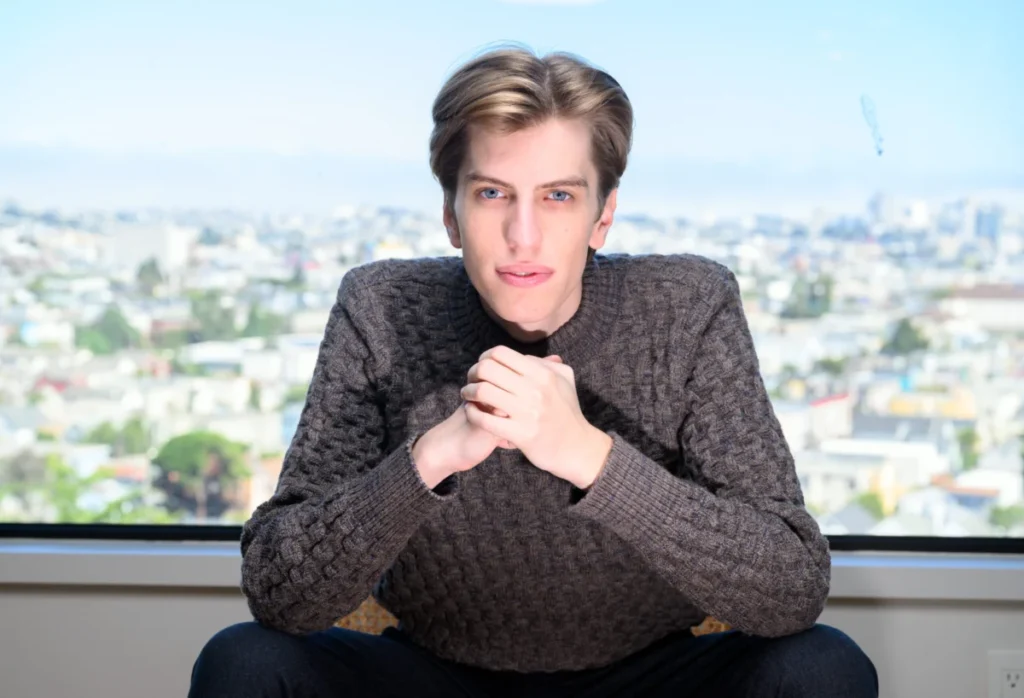
Two years ago, Leopold Aschenbrenner presented himself as one of a select few possessing a clear vision of the future. His extensive 165-page essay, which rapidly became essential reading within Silicon Valley, positioned him as a foreteller of the impending era of artificial superintelligence. However, this week, the limitations of Aschenbrenner’s foresight were starkly revealed when the AI-focused hedge fund he manages, aptly named Situational Awareness after his viral June 2024 manifesto, encountered the unforgiving realities of plummeting semiconductor stocks and aggressive Wall Street margin calls.
At its zenith earlier this month, Aschenbrenner’s fund commanded an impressive $45 billion in assets. By Thursday, however, the situation had drastically deteriorated. Forced to liquidate all of his leveraged stock positions, including heavily impacted companies like SK Hynix and CoreWeave, at a significant discount to Ken Griffin’s Citadel, the fund’s holdings plummeted to approximately $10 billion, according to individuals with direct knowledge of the matter. The dramatic trajectory of Aschenbrenner’s meteoric rise and subsequent sudden downfall has captured the attention of both the financial and technology sectors, marking him as the most prominent casualty to date of the inherent volatility characterizing the artificial intelligence boom.
A figure who elicits strong opinions, Aschenbrenner was perceived by his online followers as a visionary of the next technological frontier. A Columbia University valedictorian at the remarkably young age of 19, he cultivated a following eager to glean insights from his fund’s quarterly filings for clues on burgeoning AI stocks. Prior to this month’s market downturn, Situational Awareness had achieved staggering gains exceeding 1,000% since its inception, as reported by The Wall Street Journal last month, which also noted Aschenbrenner’s age at the time was just 24.
Conversely, critics highlighted Aschenbrenner’s lack of prior experience in fund management before launching his firm in July 2024, suggesting his success was more a product of luck than prescience. Some pointed to his early work experience at the now-defunct cryptocurrency exchange FTX, where he reportedly assisted founder Sam Bankman-Fried in managing a charity from a penthouse in the Bahamas. Other Wall Street observers, including former traders from major global investment banks, noted that with reports indicating Situational Awareness employed leverage up to 400%, the fund’s collapse was hardly surprising.
"Many people viewed this blow-up as a matter of not if, but when," commented Jerry Diao, who leads a Wall Street coaching firm. "Perhaps his long-term views on AI are accurate, but in the public markets, one must be prepared for short-term fluctuations." The hedge fund did not immediately respond to a request for comment from CNBC.
Earlier this week, preceding the sale to Citadel, approximately two-thirds of Situational Awareness’s holdings consisted of long and short positions in publicly traded equities, according to one source. The remaining portion comprised stakes in private companies, notably including a multi-billion dollar investment in Anthropic, the person added. The sources who provided this information requested anonymity to discuss non-public details.
The near-implosion of Situational Awareness coincides with the hedge fund manager’s planned wedding this weekend, sources informed CNBC’s David Faber. Aschenbrenner is engaged to Avital Balwit, who serves as chief of staff to Anthropic CEO Dario Amodei, according to a profile in Fortune.
"Weirdness" and "Disagreeableness": Aschenbrenner’s Intellectual Journey

Born in Germany to physician parents before relocating to the United States, Aschenbrenner displayed an early aptitude for mathematics and computer science, according to various profiles and podcast interviews. He accelerated through the German school system, graduating high school at 15. During his tenure at Columbia University as a teenager, he garnered attention for an academic paper titled "Existential Risk and Growth."
Sofia Montrone, a Columbia classmate, recalled not being aware of Aschenbrenner before meeting him virtually shortly before their 2021 graduation. "He wasn’t some prince emerging from the school," Montrone told CNBC. "He was just some guy." In their interactions, Montrone, who was the salutatorian, described her classmate as "child-like" and socially awkward. Aschenbrenner has since attributed his personality – which he characterized as his own intellectual "weirdness" and "disagreeableness" – as being stifled in German culture, later coming to view it as a source of his competitive edge.
While at Columbia, he co-founded the university’s chapter of Effective Altruism, a philosophy popular in certain tech circles that advocates for individuals to maximize their earnings to facilitate greater societal benefit. This network became his professional pathway, eventually leading him to collaborate with another proponent of effective altruism, Sam Bankman-Fried, after his graduation in 2021. He briefly worked for the Future Fund, the philanthropic arm of FTX, prior to the cryptocurrency firm’s collapse.
In 2023, Aschenbrenner joined OpenAI’s Superalignment team, working under Ilya Sutskever on the critical challenge of ensuring artificial intelligence remains aligned with human interests. Following a security breach of OpenAI’s internal systems, he authored a memo to the board expressing concerns about the company’s insufficient security measures against foreign espionage, specifically naming China. In 2024, OpenAI terminated Aschenbrenner’s employment, citing accusations of improperly sharing confidential information, a characterization he has contested, stating he was raising legitimate concerns about the company’s security practices.
"I liked Leopold while at OpenAI," Scott Aaronson, a computer scientist at the University of Texas at Austin who previously worked on AI safety at OpenAI, told CNBC via email. "I was sorry when he got pushed out because of sharing information in a way leadership didn’t approve of. It sounded like he was trying to do the right thing and they overreacted." An OpenAI spokesperson declined to comment, referring to previous company statements indicating disagreement with many of Aschenbrenner’s claims. Representatives for Columbia University and its Effective Altruism chapter did not respond to requests for comment.
Stripe and GitHub Investors
Weeks after his departure from OpenAI, Aschenbrenner articulated a comprehensive vision of the future trajectory of artificial intelligence and the world at large. His June 2024 essay posited that artificial general intelligence could emerge within years and that governments were significantly underestimating the pace of technological advancement. Admirers viewed this as evidence of Aschenbrenner’s prodigious talent and valuable insights into AI’s evolution, while critics argued it exaggerated both the technology’s near-term capabilities and his own certainty about the future.
By July of that year, Aschenbrenner leveraged his growing public profile to secure seed capital for his hedge fund, reportedly raising $225 million from Stripe co-founders Patrick and John Collison, former GitHub CEO Nat Friedman, and investor Daniel Gross. This marked the commencement of a two-year period of unprecedented performance in recent Wall Street history. "Before long, the world will wake up," Aschenbrenner wrote at the time, adding that only a few hundred individuals within the AI community comprehended the impending changes. "If they are seeing the future even close to correctly," he continued, "we are in for a wild ride."
CNBC’s Kate Rooney contributed to this report.