 11
11
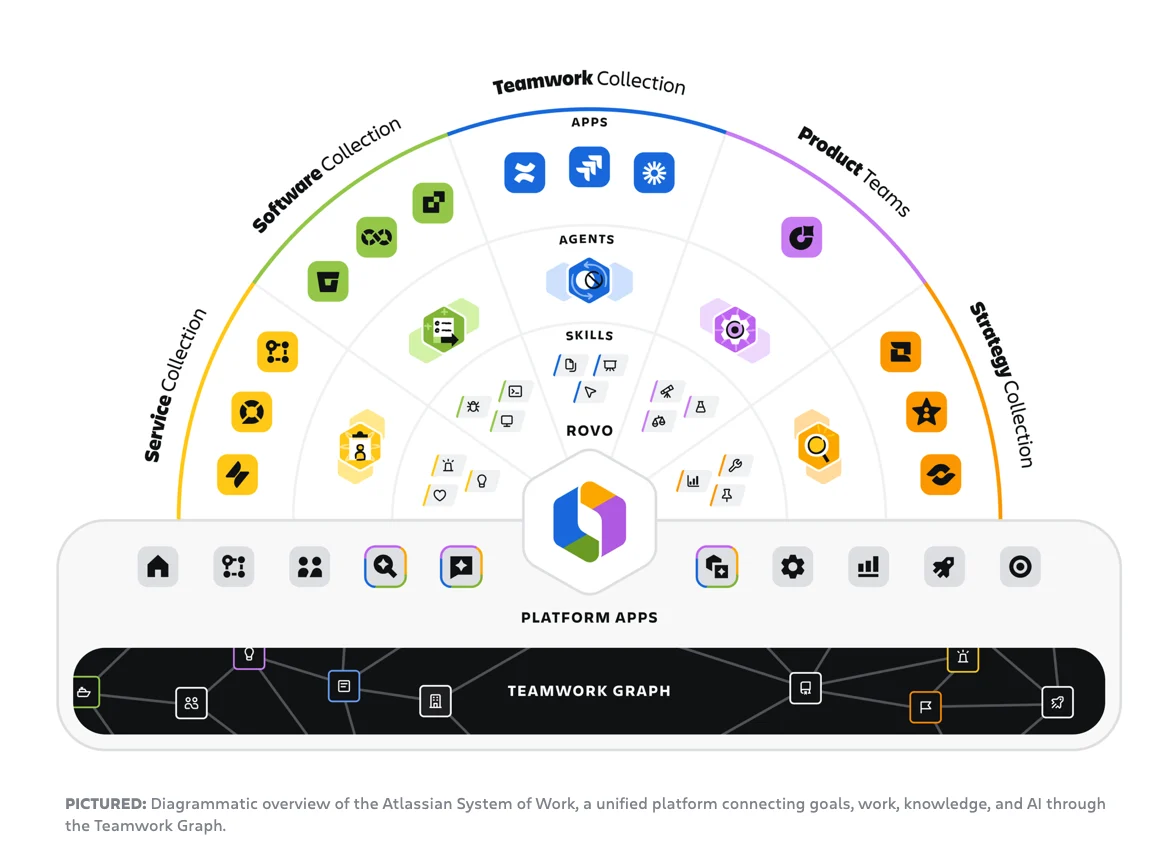
Atlassian Corporation has concluded its fourth quarter and full fiscal year with performance figures that highlight a significant acceleration in enterprise adoption and artificial intelligence integration. The company reported that its strategic focus on three core pillars—enterprise expansion, artificial intelligence, and the "system of work"—has resulted in durable, profitable growth. As organizations navigate the complexities of AI transformation, Atlassian has positioned itself as a primary partner for large-scale digital transitions, a trend reflected in the company’s recent Remaining Performance Obligations (RPO) and high-value deal volume.
The enterprise segment remains a primary engine for Atlassian’s growth. According to the company’s executive leadership, customers are increasingly committing to larger, multi-year agreements as they determine their long-term strategies for the AI era. This shift is evidenced by significant upgrades and deepened commitments from major global brands, including Warner Bros, Xero, Adobe, and Google Cloud. These organizations are moving toward the "Teamwork Collection," a suite of tools designed to unify fragmented workflows across large-scale operations.
A central component of Atlassian’s current success is the rapid adoption of Rovo, the company’s AI-powered search and knowledge discovery tool. Currently, over 80% of Fortune 500 companies utilize Rovo to some capacity. However, Atlassian management noted that the most critical metric is the depth of usage rather than simple adoption. Deep integration of Rovo within an organization has been shown to save significant time and accelerate innovation by providing employees with immediate access to institutional knowledge. This efficiency is supported by a disciplined financial approach that allows Atlassian to self-fund further investments in AI and enterprise sales while maintaining a clear path toward sustained GAAP profitability.
Atlassian’s competitive advantage in the crowded AI marketplace is rooted in what it calls the "Teamwork Graph." The company posits that while many organizations can "hire" intelligence through the purchase of AI tokens and frontier models, they cannot easily replicate or hire "context." The Teamwork Graph is a proprietary data structure that has been built over nearly 25 years. It serves as a unified map of how an organization functions, cross-referencing billions of objects across six distinct contexts to provide AI models with the specific information needed to produce accurate and actionable results.
The first of these contexts is "Knowledge," which encompasses every document, spreadsheet, and presentation an organization has generated. By integrating with tools like Confluence, Google Drive, SharePoint, and Box, the Teamwork Graph allows AI to generate project plans that account for specific historical architecture decisions and documented constraints rather than just providing generic templates. The second pillar, "Work Context," tracks every goal, task, and strategic initiative within Jira and other work management applications. This allows the system to prioritize tasks based on their impact on high-level revenue targets or leadership commitments recorded in CRMs like Salesforce.
The third pillar is "Communications Context," which captures the nuances of conversations, video calls, and chat threads. By indexing data from Loom, Gmail, Outlook, Microsoft Teams, and Slack, the Teamwork Graph can identify specific concerns raised in meetings or chat threads and prompt users to address them before executive reviews. The fourth pillar, "Code Context," provides a semantic understanding of the technology a company is building. By analyzing repositories in Bitbucket, GitHub, and GitLab, the system can advise developers on how to extend existing code patterns or avoid conflicts with current sprints, significantly reducing redundant work.
The fifth context, "Assets," focuses on the physical and digital objects a company manages, such as hardware, satellites, or infrastructure components. Sourced from Atlassian Assets and major CMDB providers, this data allows for highly specific troubleshooting. For instance, rather than offering general maintenance steps, the AI can identify a specific power transformer that has tripped multiple times and link it to an unaddressed service flag in ServiceNow. Finally, the "People Context" maps the human structure of a business, including skills, org charts, and relationships ingested from Workday and other HRIS applications. This ensures that work is directed to the correct individual, such as a specific on-call lead or a subject matter expert, rather than a generic department.
Atlassian emphasizes that its mission to "unleash the potential of every team" is supported by its massive scale. More than 350,000 organizations across every industry utilize the Atlassian System of Work to manage hundreds of millions of workflows every month. This creates a compounding advantage; as more applications and contexts are connected to the Teamwork Graph, the results delivered by AI agents become faster and more cost-effective. The company argues that the hardest problems in the modern enterprise are coordination problems—delays caused by waiting for decisions or clearing dependencies. By focusing on how human and AI teams move together, Atlassian aims to solve these orchestration challenges.
The fourth quarter also saw a rapid pace of product innovation, particularly within the Jira ecosystem. The company introduced "Agents in Jira," allowing teams to assign tasks directly to AI agents that possess full access to the goals and comment histories stored in the Teamwork Graph. Furthermore, integrations with Claude and Cursor allow these agents to read Jira issues, access code repositories, and open draft pull requests with full audit trails and permission controls.
A new "Jira Coding Agent," powered by frontier AI models, is designed to turn work items into ready-to-review pull requests without requiring local environment setups, facilitating rapid bug fixes. In the realm of communication, the "Jira Cloud for Slack" update features a @Jira agent that can transform Slack conversations into context-rich work items and sync threads as comments. To manage the increasing volume of AI activity, Atlassian launched "Agent Sessions," a centralized view that groups agent activities by priority, helping human supervisors track what has been completed and what requires manual review. Additionally, the "Create with Rovo in Jira" feature enables users to generate detailed work items from a simple description or a link in seconds.
To lead the next phase of this platform strategy, Atlassian has appointed Ken Exner as the Chief Product Officer for Enterprise and Emerging. Exner brings over 30 years of experience in building and scaling developer platforms through various technological shifts. His appointment is intended to accelerate the company’s ability to help large organizations navigate the transition from traditional workflows to agent-driven execution.
In summary, Atlassian’s fiscal year-end results demonstrate a company that is successfully transitioning from a traditional software-as-a-service model to an AI-centric platform. By leveraging the Teamwork Graph to provide the necessary context for AI models, the company is addressing the "coordination tax" that often slows down large enterprises. Management remains confident that the years of investment in a unified platform have created a structural advantage that is difficult for competitors to replicate. As the world moves toward a collaborative model involving both humans and AI agents, Atlassian’s focus on the "System of Work" is intended to ensure it remains the central control plane for modern business operations. The company’s leadership maintains a bullish outlook, citing a clear conviction in their long-term strategy and the continued execution of their enterprise and AI roadmaps.