 11
11
The rapid advancement of artificial intelligence in the realm of software engineering has transitioned from simple code completion to the deployment of autonomous coding agents capable of handling complex, multi-step tasks. However, as organizations attempt to scale these AI agents, they are encountering significant operational hurdles. Traditional methods of interacting with AI agents, which often rely on single-session Command Line Interface (CLI) workflows, are proving insufficient for enterprise-level demands. To address these challenges, a new integration between OpenAI Symphony and Atlassian Jira has been introduced, aiming to transform how teams orchestrate, govern, and observe AI-driven development.
The fundamental issue with current AI agent deployments lies in the friction of management. Even for an individual developer, running multiple agent loops in parallel quickly becomes unmanageable. Terminal states are frequently lost, the noise generated by constant context switching reduces efficiency, and critical follow-up tasks often fall through the cracks. When these individual inefficiencies are multiplied across an entire engineering team, the operational friction compounds, leading to a fragmented workflow where the benefits of AI automation are offset by the overhead of administration.
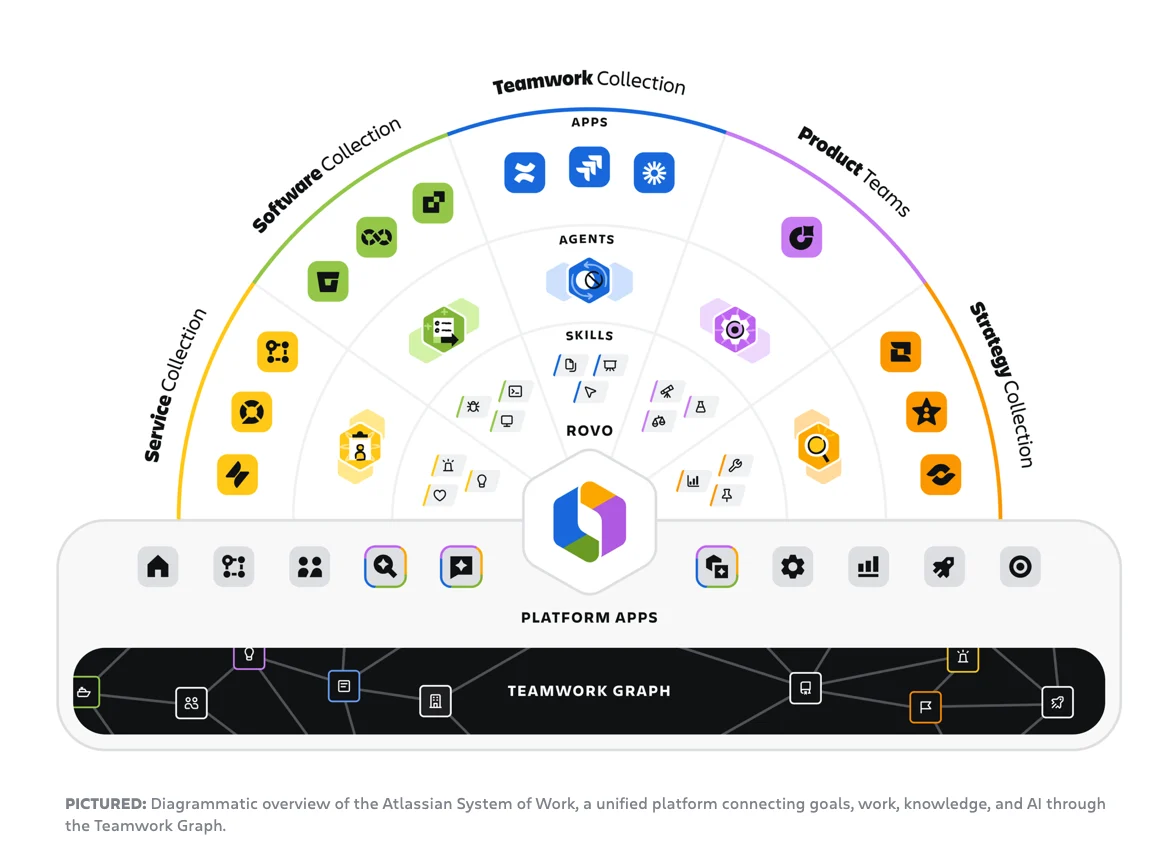
OpenAI Symphony serves as the orchestration layer for Codex, providing the necessary infrastructure to manage agentic workflows. By pairing Symphony with the "Teamwork Graph" context provided by Atlassian Jira, the industry is seeing a shift toward a more structured and scalable approach. In this model, Jira serves as the primary system of record, ensuring that all agent activity is anchored to specific work items rather than ephemeral sessions. While agent sessions and the sandboxes in which they operate remain temporary, the context—comprising intent, status, progress updates, code reviews, and follow-up tasks—is preserved within the existing Jira workflow.
This integration signals a broader move toward what is being termed an "AI-native SDLC" (Software Development Life Cycle). The core philosophy of this approach is to make work legible to AI agents without sacrificing human accountability. By starting with the work item rather than the session, the workflow ensures that every action taken by an AI agent remains visible, governed, and directly tied to a specific business outcome.
Under this new paradigm, Symphony identifies work items within Jira that are eligible for agent intervention. It then routes these items to dedicated agent sessions, maintaining a continuous link between the agent’s progress and the Jira work item. This connectivity allows engineers to maintain a high-level view of the entire automation pipeline. From a single interface, team members can see which tasks are currently queued, which agents are running, which outputs require human review, and what additional work has been discovered during the agent’s execution.
The importance of this observability cannot be overstated. Software development is an intricate process that extends far beyond the mere generation of code. It requires a deep understanding of technical constraints, a clear definition of "done," and a rigorous review process to ensure that any output is safe for production. When Symphony utilizes Jira as its control surface, the work performed by AI agents becomes significantly easier to inspect and hand off. Engineers are no longer required to monitor every live session in real-time. Instead, they can review the updates attached to a Jira ticket, assess the proposed plan, and make informed decisions about what should be merged or shipped.
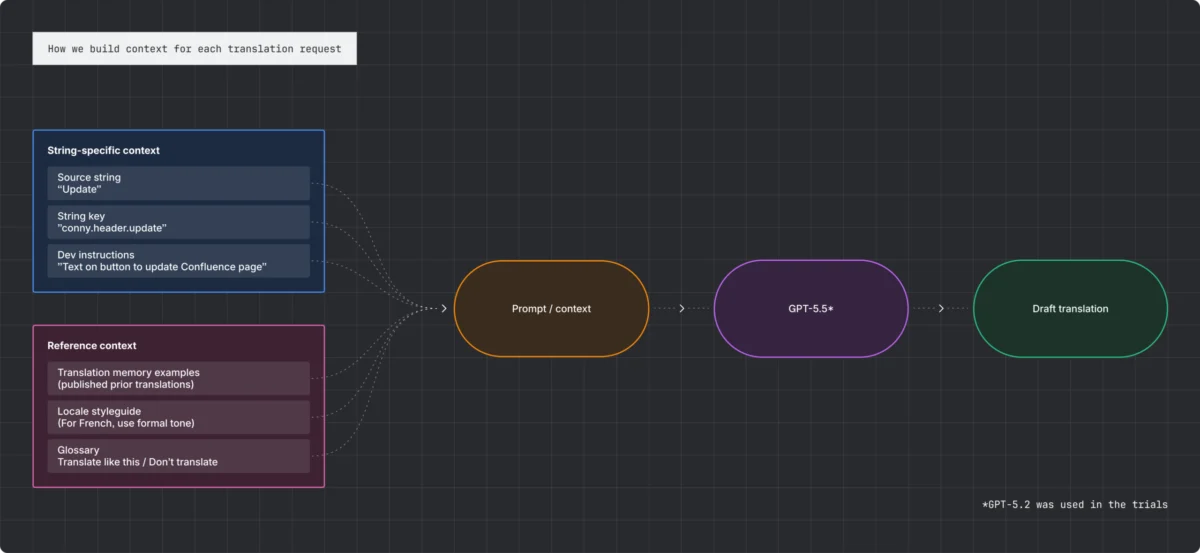
The mechanics of how this integration functions involve a seamless exchange of data between the orchestration layer and the project management tool. When a developer or manager assigns a task to an AI agent, the "Teamwork Graph" provides the agent with the necessary context regarding the project’s goals and existing codebase. As the agent works within its isolated sandbox, it pushes real-time updates back to Jira. This ensures that the history of the session is not lost once the sandbox is decommissioned. If an agent identifies a bug or a necessary refactor while completing its primary task, it can automatically flag these as follow-up items within Jira, ensuring that the scope of work remains comprehensive and transparent.
For teams looking to implement this technology, the transition involves moving away from decentralized CLI tools and toward a centralized workspace. The process begins with the configuration of the Jira workspace to support agentic workflows. This includes entering Jira credentials, fetching existing configuration settings from the specific Jira space, and providing details for the project repository. Once the environment is prepared, Symphony is launched—often from an Elixir-based directory—allowing Codex to take over the heavy lifting of startup commands and task execution.
The strategic implementation of AI agents is best handled through a gradual expansion. Industry experts suggest that teams should initially focus on tasks characterized by clear acceptance criteria and low dependency risks. This allows the team to validate the workflow and build trust in the agent’s outputs. As the process matures and the team becomes comfortable with the orchestration provided by Symphony and Jira, the scope can be expanded to include larger task queues, more complex review flows, and advanced levels of automation across the entire development pipeline.
One of the primary benefits of this anchored approach is the preservation of intent. In a typical CLI-based AI session, the "why" behind a specific code change can easily be lost if the developer does not manually document it. By forcing the agent to operate within the context of a Jira ticket, the intent is baked into the process. Every line of code generated by the agent is linked back to a requirement or a bug report, providing a clear audit trail that is essential for compliance and long-term maintenance.
Furthermore, the integration addresses the "black box" problem often associated with AI. Because agent activity is tied to the work item that initiated it, the autonomy of the AI remains observable. This allows for a "human-in-the-loop" model where the AI can operate independently on tedious or repetitive tasks, while humans provide the necessary oversight and final approval. This synergy ensures that the speed of AI-driven development does not come at the expense of software quality or security.
As teams scale, the ability to manage parallel agent loops becomes a competitive necessity. Without a robust orchestration system like Symphony and a system of record like Jira, the sheer volume of AI-generated data would overwhelm traditional management structures. The combination of these tools allows for a "fan-out" strategy where multiple agents can work on different components of a project simultaneously, with all their outputs being synthesized and organized within a single, familiar platform.
In conclusion, the integration of OpenAI Symphony and Atlassian Jira represents a significant milestone in the professionalization of AI coding agents. By moving past isolated, single-session workflows and anchoring agent work to the Jira Teamwork Graph, organizations can overcome the operational friction that has previously hindered the scaling of AI in software engineering. This approach not only enhances productivity but also ensures that AI-driven work remains accountable, transparent, and fully integrated into the modern software development life cycle. As this technology continues to evolve, the focus will remain on making work legible to both machines and humans, ultimately leading to more resilient and efficient engineering organizations.