11
11
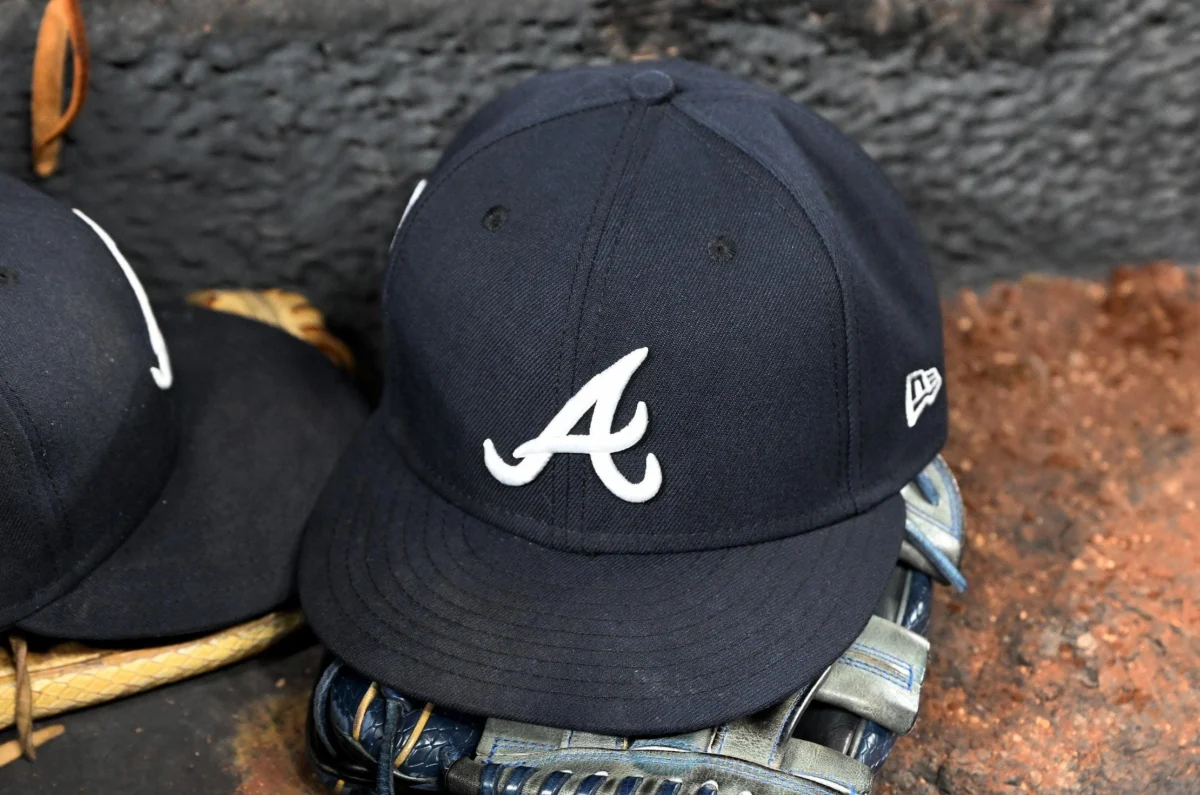
The baseball world is in mourning following the unexpected passing of former MLB pitcher Duane Ward, who died at age 62 in Toronto. While the Atlanta Braves are currently locked in a fierce battle for a first-place finish in the National League East Division after the All-Star break, the organization and the broader baseball community paused this weekend to remember one of the hardest-throwing pitchers to come through the franchise, whose career would ultimately lead him to become an All-Star and a pivotal reliever on two World Series championship teams with the Toronto Blue Jays. Ward’s untimely death occurred while he was in Toronto for a reunion celebration honoring the legendary 1992 and 1993 title teams, leaving teammates and fans heartbroken.
The Toronto Blue Jays officially confirmed Ward’s passing on Sunday, releasing a statement that underscored the profound sadness felt throughout the organization. "It is with profound sadness that the Blue Jays mourn the passing of pitcher Duane Ward," the team announced, as reported by Ben Nicholson-Smith of Sportsnet. The statement further clarified the circumstances, noting, "Duane arrived in Toronto on Friday alongside his 1992 and 1993 teammates but was absent from Saturday’s ceremony… He passed away in Toronto of natural causes." The revelation that Ward was in town to celebrate some of the greatest moments of his career, only to pass away before the festivities concluded, added a poignant layer of grief to the news.
Long before he etched his name into Blue Jays history as one of baseball’s elite relievers, Ward began his professional journey with the Atlanta Braves. Many long-time Braves fans might recall him as a promising prospect, a top draft pick with a powerful arm, or as a key piece in a pivotal trade that would have far-reaching implications for the franchise. The Braves had high hopes for Ward, selecting him ninth overall in the 1982 MLB Draft, a testament to his raw talent and potential. He was seen as a future cornerstone for a Braves team that, while having a strong showing in the early 1980s, was looking to build a sustainable contender.
Ward made his much-anticipated big-league debut and started the 1986 season with Atlanta. However, his initial stint in the majors proved challenging. As John Kennedy noted for the Society For American Baseball Research, "Ward was 0-1 record with a 7.31 ERA in 16 innings pitched before being optioned to Richmond in early June." The adjustment to major league hitting and the pressures of being a top prospect seemed to weigh on the young pitcher. A month later, on July 6, 1986, the 22-year-old Ward was traded to the Toronto Blue Jays for veteran right-handed pitcher Doyle Alexander. At the time, it seemed like a relatively minor move for both clubs, a swap of a struggling prospect for a seasoned arm. However, this trade would unexpectedly become a pivotal moment in the histories of both franchises, though for very different reasons.

The trade’s significance for the Braves became legendary in retrospect. Doyle Alexander, the pitcher acquired for Ward, had a brief but impactful tenure with Atlanta before being flipped to the Detroit Tigers in a separate deal that brought a young, promising pitcher named John Smoltz to Atlanta. Smoltz, of course, would go on to become a Hall of Famer and a central figure in the Braves’ dominant run of the 1990s, including their 1995 World Series championship. Ward himself was acutely aware of this historical ripple effect. He would later quip, as quoted by Kennedy, "I always joke about it because three or four months later the Detroit Tigers traded, straight-up, John Smoltz for Alexander. So, every time I run into John I say, ‘You know what, in a roundabout way, I was traded for you.’" This anecdote perfectly encapsulates the fascinating, interconnected nature of baseball history and how seemingly small transactions can lead to monumental outcomes.
Following his move to Toronto, Ward’s career took a dramatic turn. Free from the pressures of being a top draft pick in his original organization, he found his footing and began to develop into the dominant late-inning weapon the Blue Jays desperately needed. Ward evolved into one of the hardest throwers of his era, consistently hitting high velocities that made him a nightmare for opposing hitters. His powerful fastball, combined with a developing slider, allowed him to become a high-leverage specialist. He gradually carved out a role in the bullpen, building trust with his managers and teammates through consistent, lights-out performances.
His ascendancy culminated in a stellar career with the Blue Jays, highlighted by his crucial role in their back-to-back World Series championships in 1992 and 1993. In these historic seasons, Ward was an indispensable part of Toronto’s bullpen, frequently handling high-leverage innings, often setting up the legendary closer Tom Henke. His ability to come into difficult situations, shut down rallies, and maintain leads was paramount to the Blue Jays’ success, helping them become the first — and still only — Canadian franchise to win a World Series. The 1992 World Series saw the Blue Jays defeat the Atlanta Braves in a thrilling six-game series, adding another layer of ironic connection to Ward’s career trajectory. He delivered crucial outs against his former team, contributing to the very outcome that eluded the Braves in that era. In 1993, he stepped up even further, earning an All-Star selection that year, a testament to his individual brilliance and importance to the team. That season, he posted a remarkable 1.95 ERA over 79 appearances, registering 45 saves, which led the American League. His performance was instrumental in the Blue Jays’ repeat championship run, which famously concluded with Joe Carter’s walk-off home run in Game 6 against the Philadelphia Phillies.
Ward eventually succeeded Tom Henke as Toronto’s closer, a significant responsibility given Henke’s iconic status in the franchise. He embraced the role, showcasing composure and effectiveness under immense pressure. By the end of his MLB career, Ward had accumulated an impressive 121 saves, maintaining a solid 3.28 ERA across his tenure, and, most importantly, earned two coveted World Series championship rings. His impact on the Blue Jays, however, extended far beyond mere statistics. He was a beloved figure in the clubhouse and among the fan base, celebrated for his tenacity, his powerful arm, and his unwavering commitment to winning. He remained closely tied to the Blue Jays organization, reflecting the deep bond he forged with the team and its community, and was deservedly recognized as one of the most important relievers in franchise history.
For fans of the Atlanta Braves, Duane Ward’s passing also serves as a poignant reminder of one of baseball’s most fascinating "what-if" stories. What if Ward had developed with the Braves? What if he had overcome his initial struggles and found his dominant form in Atlanta? The narrative of a first-round draft pick who made only a brief stop in Atlanta before helping shape championship teams elsewhere, while the player he was traded for indirectly brought a Hall of Famer to his original team, is a compelling tale of baseball’s unpredictable nature. His legacy is therefore unique, bridging two franchises with distinct but intertwined histories. He left an indelible mark on the game, not just through his impressive statistics and championship rings, but through the narrative of his journey, a journey that began with one team’s hopes and ended with another’s glory, leaving a lasting memory across both organizations. His death is a profound loss for the baseball community, but his contributions and the story of his career will undoubtedly endure.