 11
11
The digital marketing landscape is abuzz with the declaration that "keywords are dead, topics are the new keywords." While this sentiment often boils down to a simplistic "write more content about related things"—essentially a rehash of content pillars and clusters—the reality is more nuanced. Keywords are far from obsolete, but the focus has shifted from optimizing for individual search queries to understanding and dominating entire conceptual spaces. This evolution is driven by modern search engines and AI systems that map meaning through semantic spaces, where concepts and their relationships are paramount.
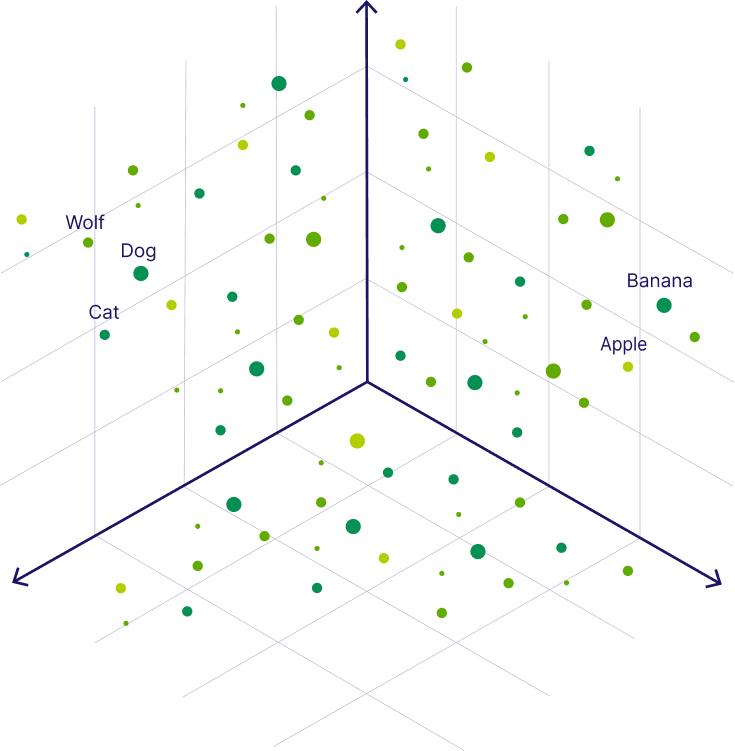
Search engines now operate within "semantic spaces," utilizing vector embeddings to understand how keywords, webpages, and other content relate to each other. Brands, too, exist within this space and can strengthen their association with topics through knowledge graphs. This shift in understanding means that search engines are increasingly looking to associate brands with entire subject areas, not just a few specific search terms.
To effectively navigate this evolving landscape, a three-tier approach to topic optimization is crucial, acknowledging that not all topics are created equal in size and complexity.
Tier 1: Clearly Defined Topics
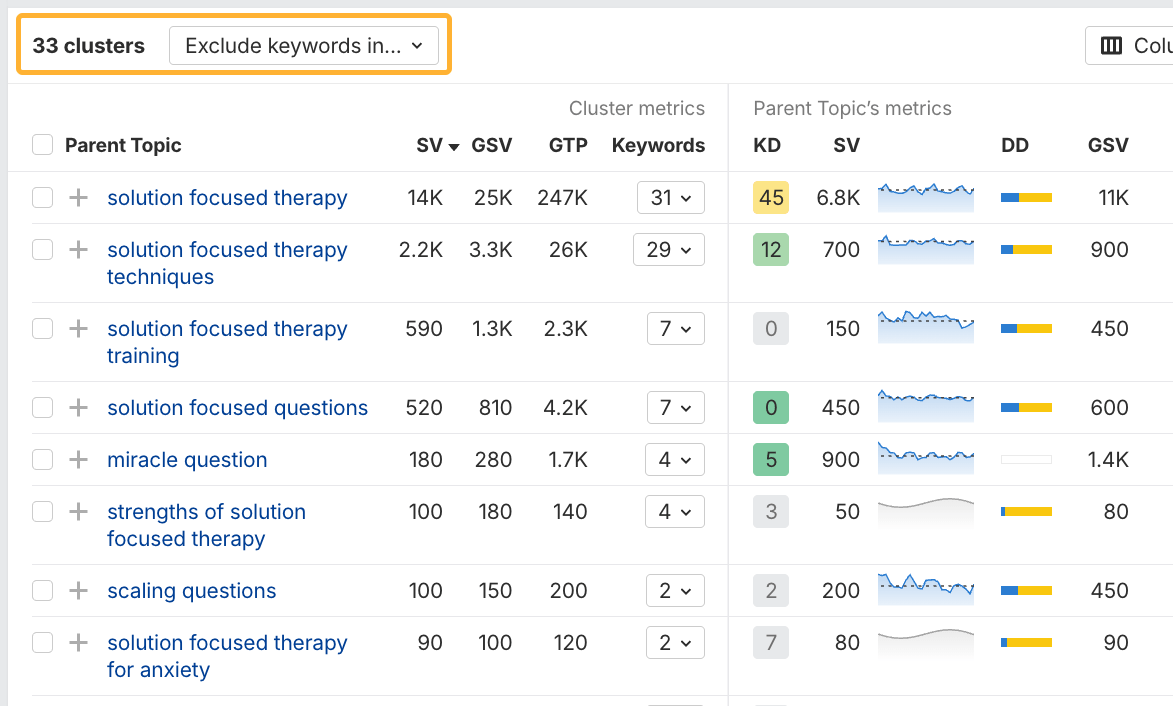
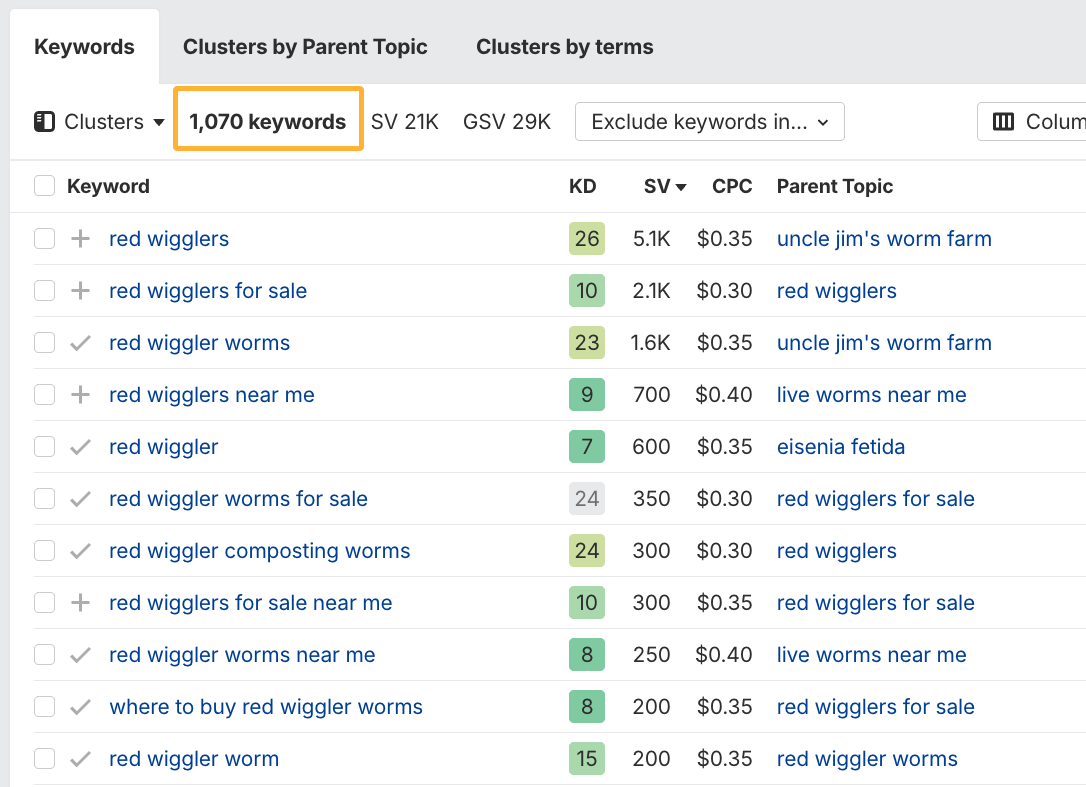
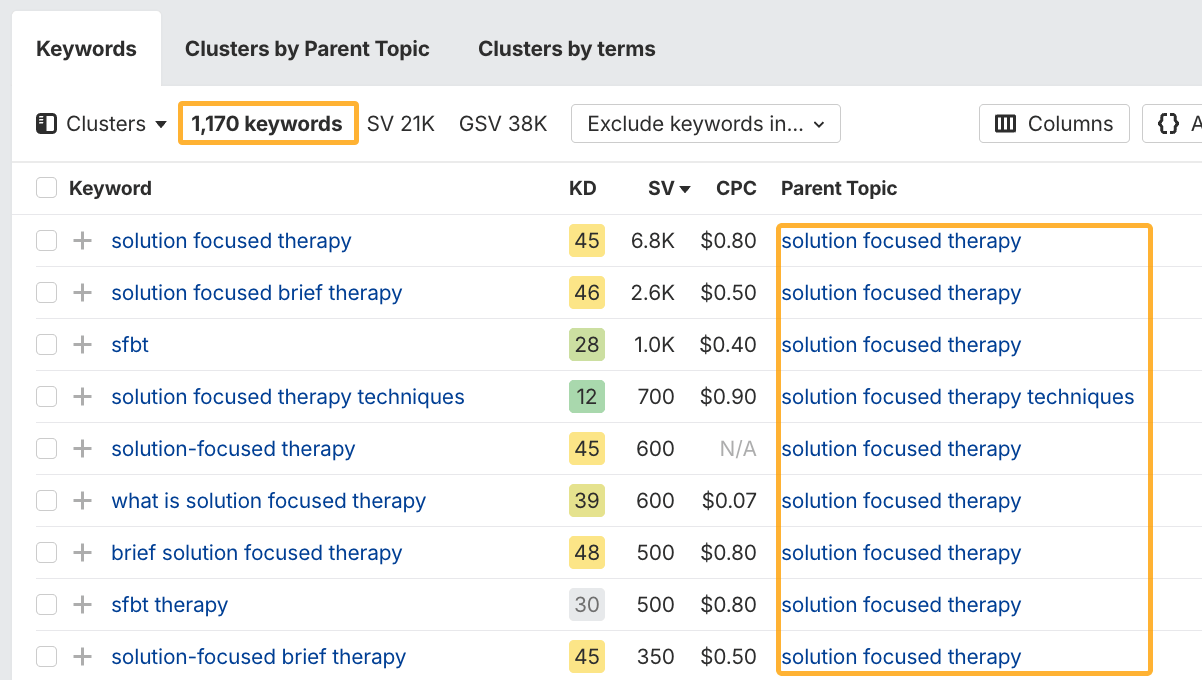
These are topics with clean, natural boundaries, characterized by a small number of relevant keywords, consistent user intent, and a scope that a single brand can realistically cover comprehensively. Analogous to a small, contained solar system, these topics are easy to map and manage. The key here is to avoid diluting focus by expanding into adjacent, less valuable topics. For instance, a specialized worm farmer focusing on red wigglers needs to address only a few thousand keywords, manageable with a dozen blog posts and relevant e-commerce pages. Similarly, a niche service like solution-focused brief therapy (SFBT) has a manageable keyword universe, achievable with around 33 content pieces. For these well-defined topics, traditional keyword research is effective, and success is measured by dominating the specific niche. The pitfall lies in unnecessary expansion, which dilutes topical focus and leads to fewer quality leads.
Tier 2: Ambiguous Topics
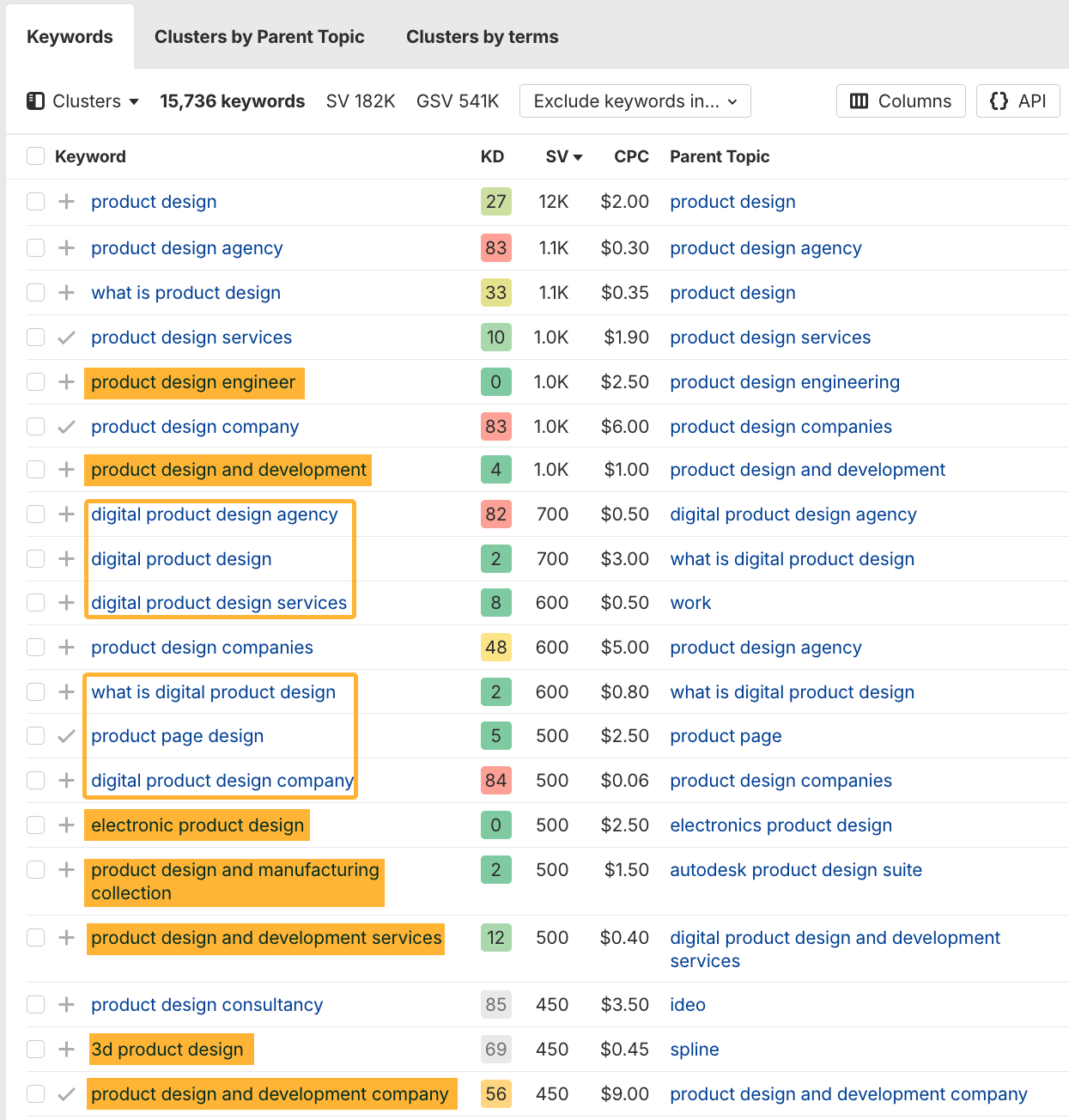
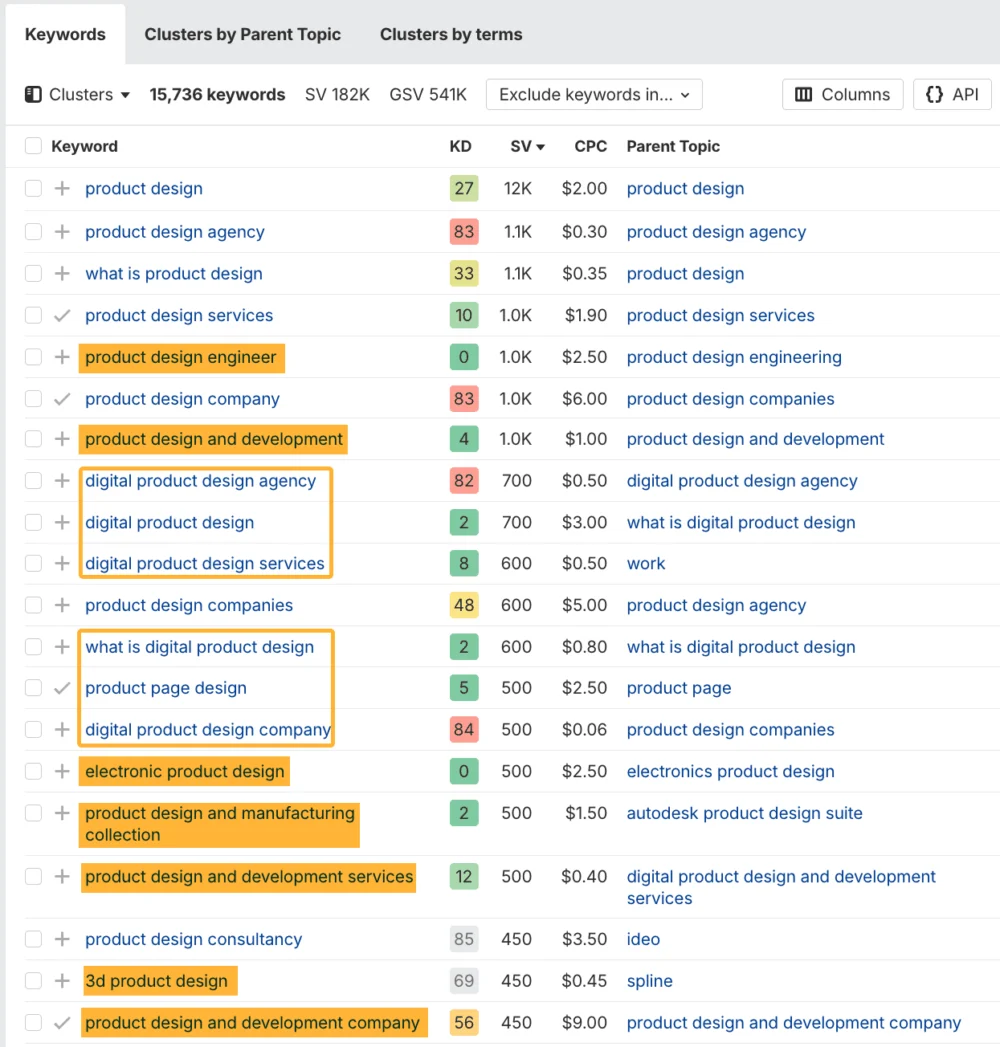
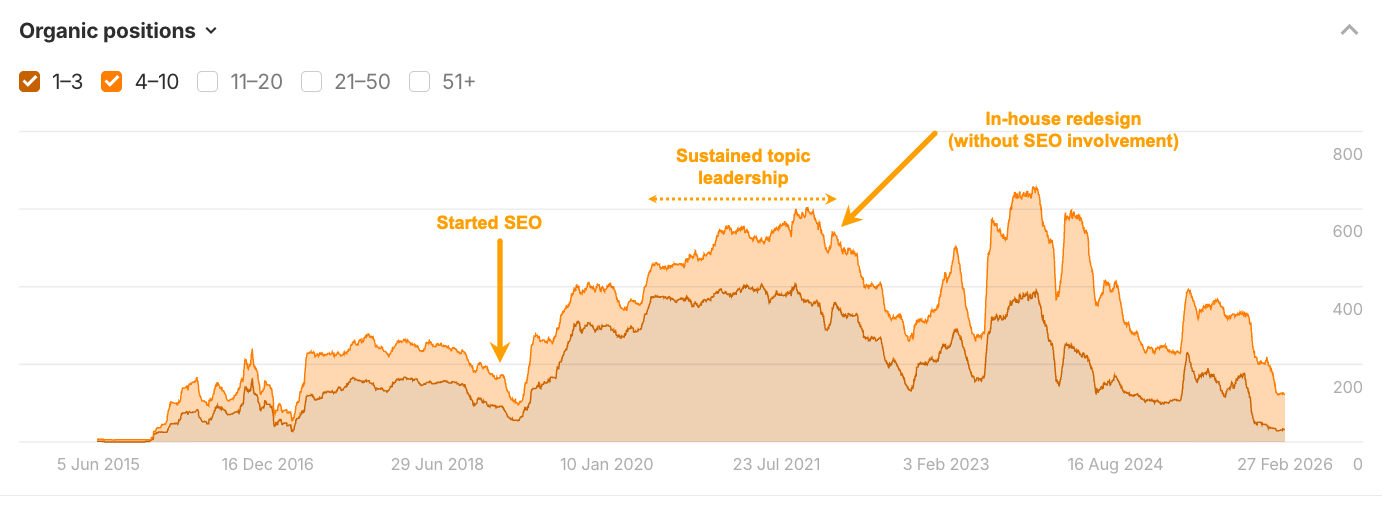
These topics appear straightforward but quickly become complex, featuring larger keyword lists, mixed user intent, and fuzzy boundaries. This tier is like a solar system with multiple orbiting bodies, where distinguishing between what belongs and what doesn’t requires careful analysis. "Product design" exemplifies this, encompassing both UX/Figma prototyping and physical manufacturing/industrial design. The ambiguity makes it challenging for both humans and machines to clarify intent, akin to the debate over Pluto’s planetary status. Brands cannot fully "own" such topics due to inherent ambiguity but can still achieve leadership within the relevant segments. Success here means disambiguating intent and building authority in specific sub-areas. A common mistake is approaching these topics solely based on keyword volume, leading to optimization for unrelated concepts and diluted topical authority.
Tier 3: Expansive Topics
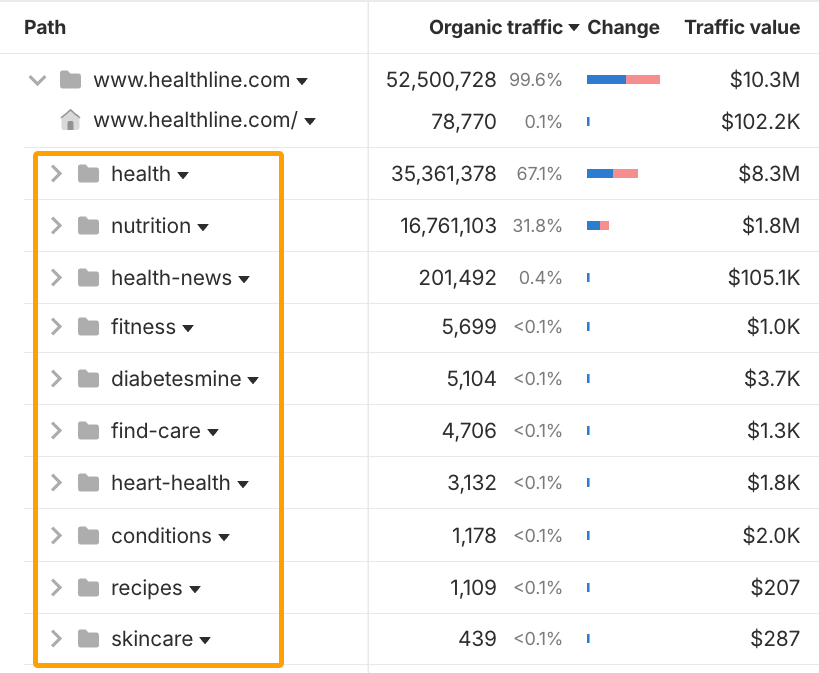
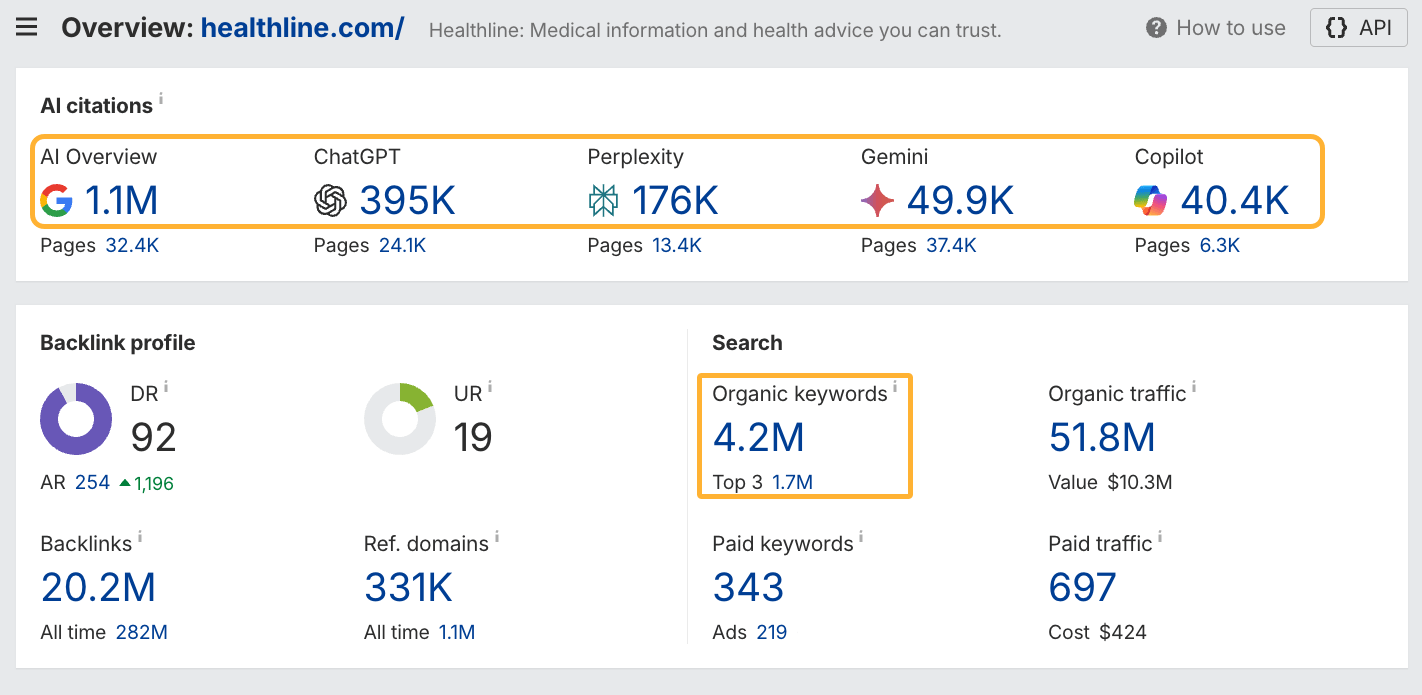
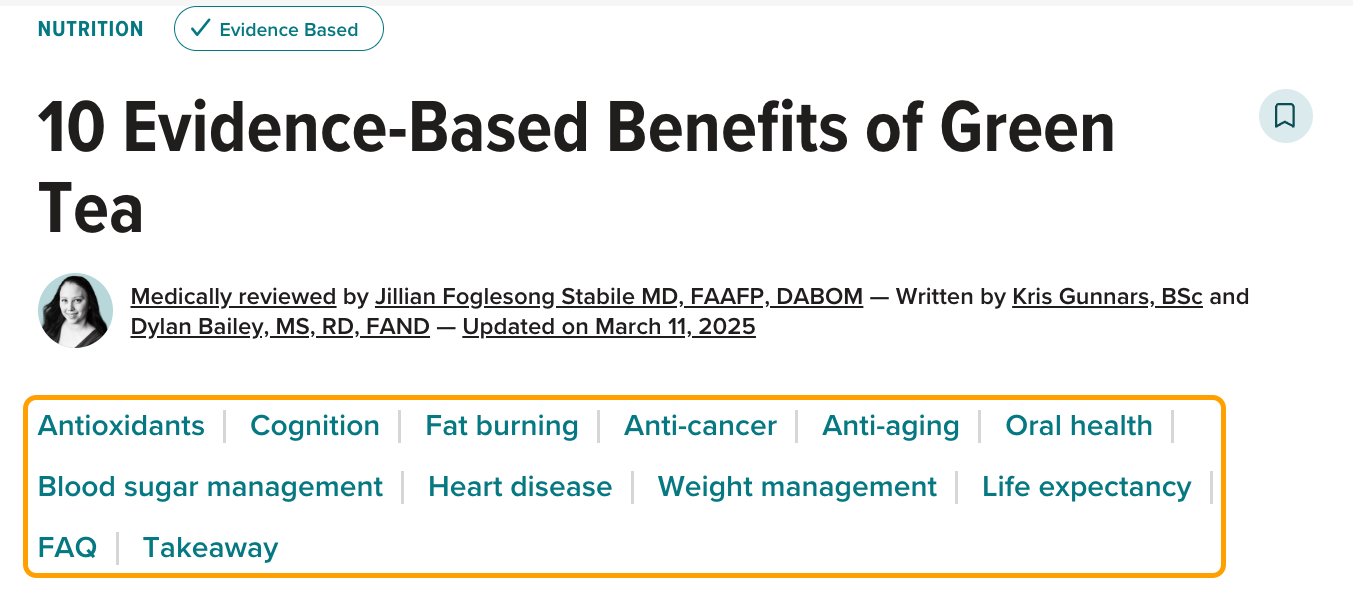
These topics lack clear boundaries and are perpetually growing due to evolving search queries and AI-driven content generation. They are akin to vast galaxies, encompassing hundreds of thousands, if not millions, of keywords. Manual mapping is impractical; instead, the focus shifts to recognizing patterns and structures within large datasets. Authority sites like Forbes or Hubspot, or marketplaces like Amazon, dominate these expansive topics by building comprehensive resources that search engines recognize as authoritative hubs. Healthline, for example, achieves broad visibility in health-related subjects not by targeting individual keywords obsessively, but by understanding structural patterns and building a robust content ecosystem. Their approach involves content pillars and repeatable formats that ensure comprehensive coverage, even if individual articles don’t rank for every possible keyword. This contrasts with strategies that create numerous pages for minor keyword variations, often resulting in less overall topical authority per page. For these expansive topics, pattern recognition and topical architecture are paramount, leveraging AI tools and large-scale data analysis.
Step-by-Step Optimization Process
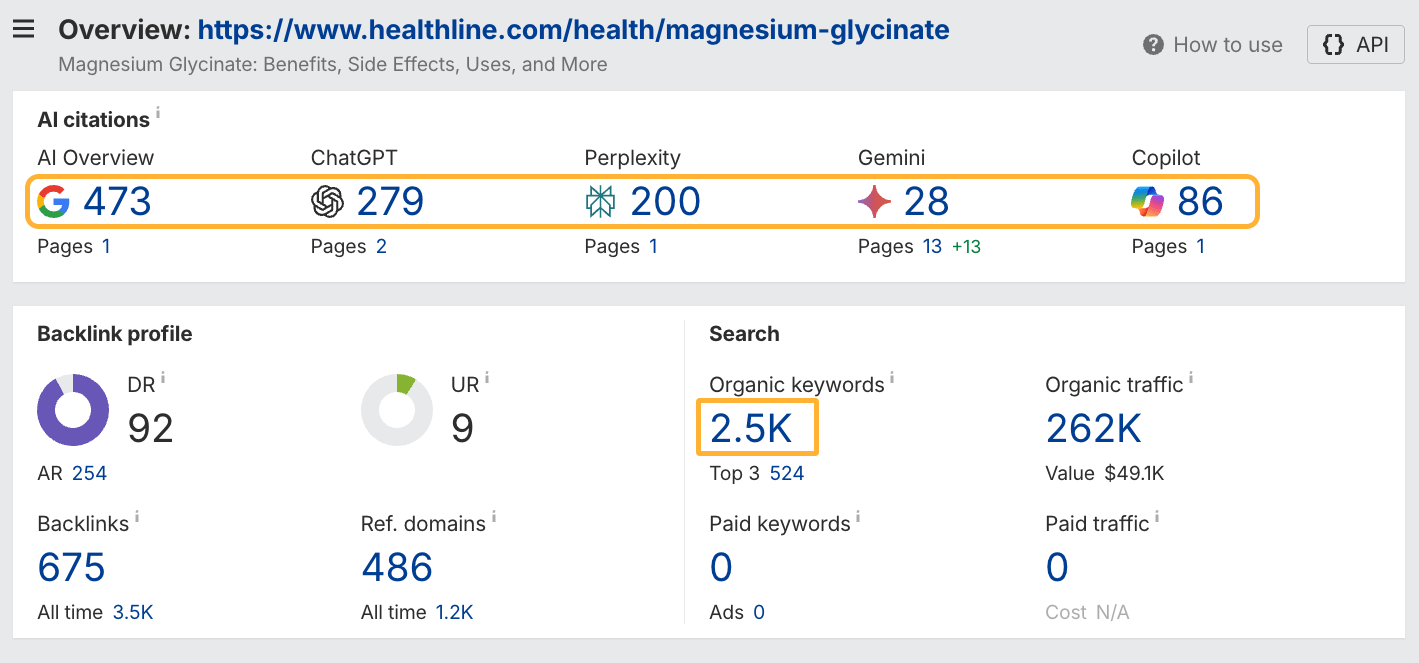
Start with your brand lens: Define the relevant topic territory before diving into keyword research. Audit existing performance using tools like Ahrefs Site Explorer to understand current brand associations. Layer this with business knowledge to identify gaps or misinterpretations by search engines. Tools like Ahrefs Keywords Explorer, with its filters and intent analysis, can help pressure-test topic boundaries and determine the appropriate optimization tier.
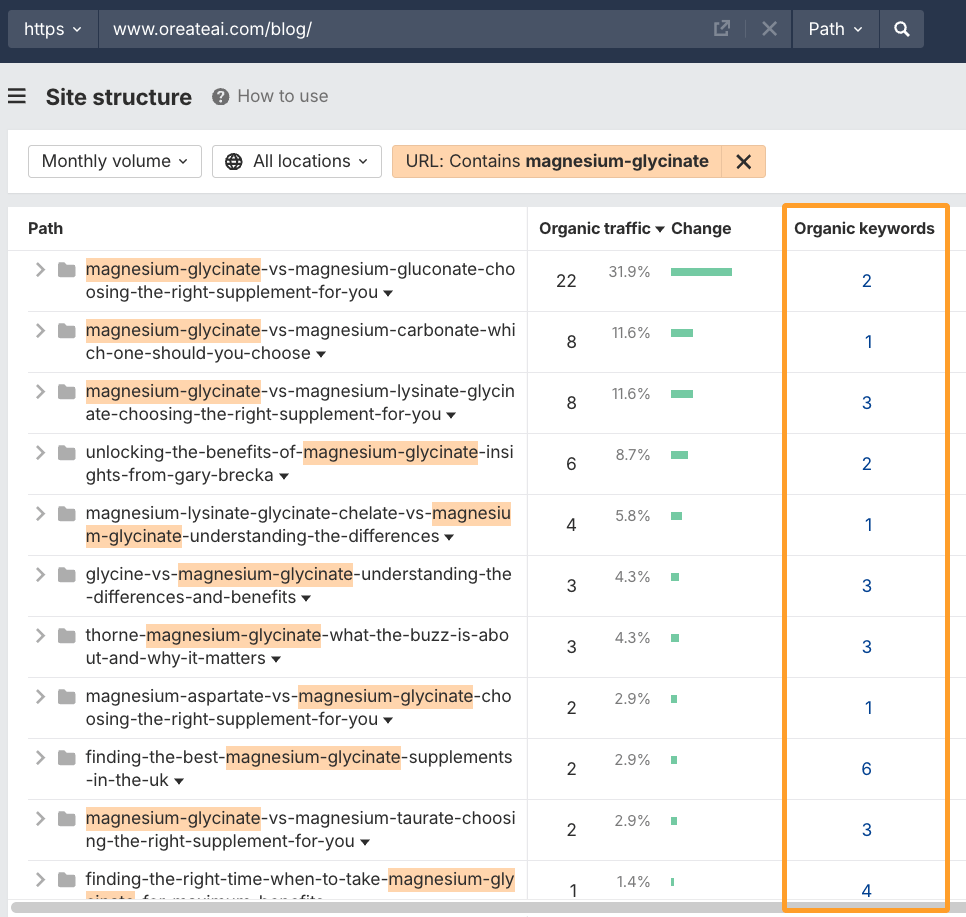
Choose your optimization approach: Based on topic complexity and brand goals, select the appropriate strategy:

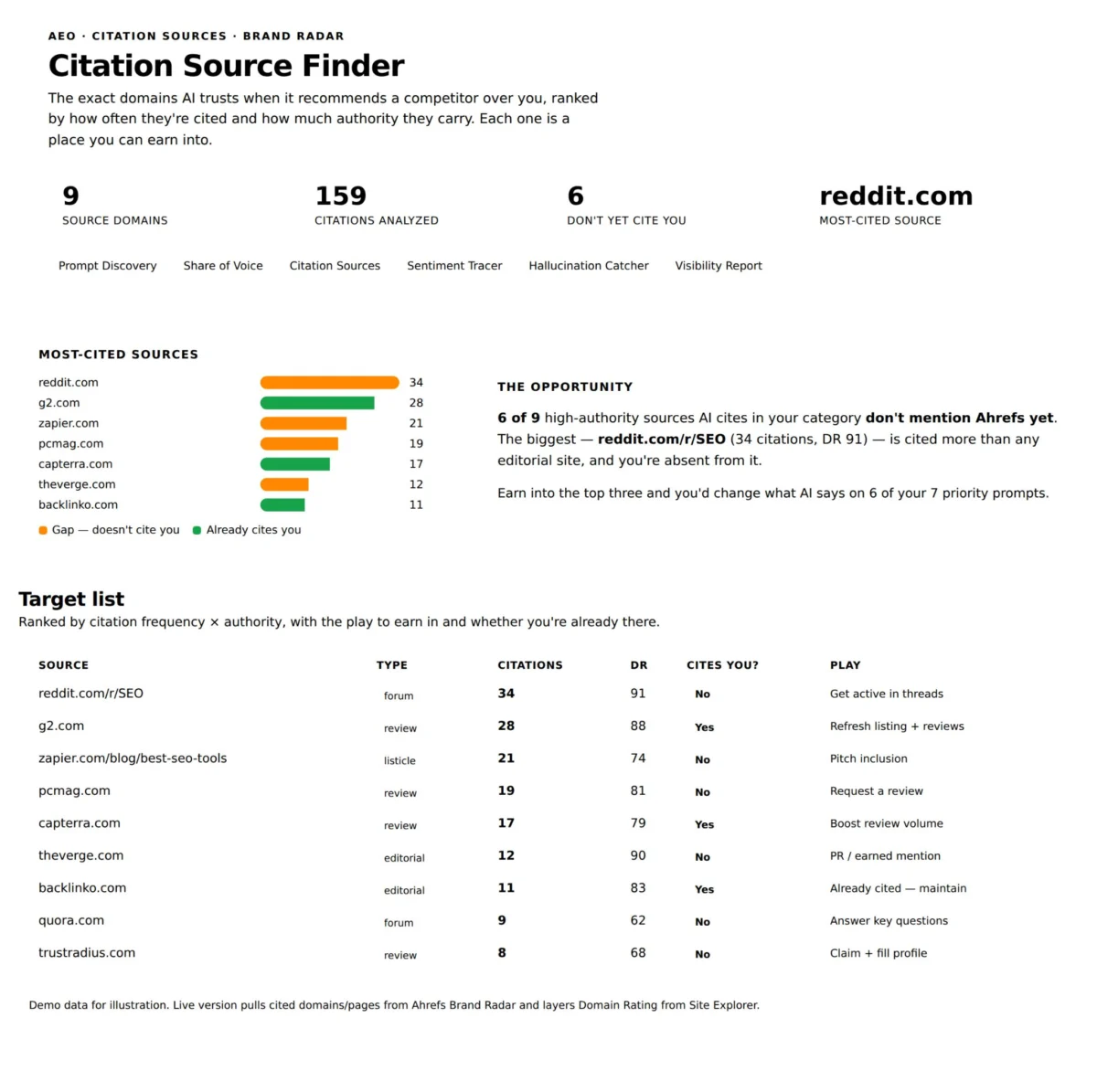
Measure your topic coverage: Move beyond individual keyword rankings to track broader topic ownership. Metrics like keyword breadth, Share of Voice, and AI Share of Voice are crucial. Tools like Ahrefs Brand Radar provide insights into how semantic and AI search systems associate brands with topics, helping to monitor progress and identify new sub-topics within a broader subject area. The goal is to become a recognized, authoritative source for relevant topics, rather than solely chasing top rankings for individual keywords.
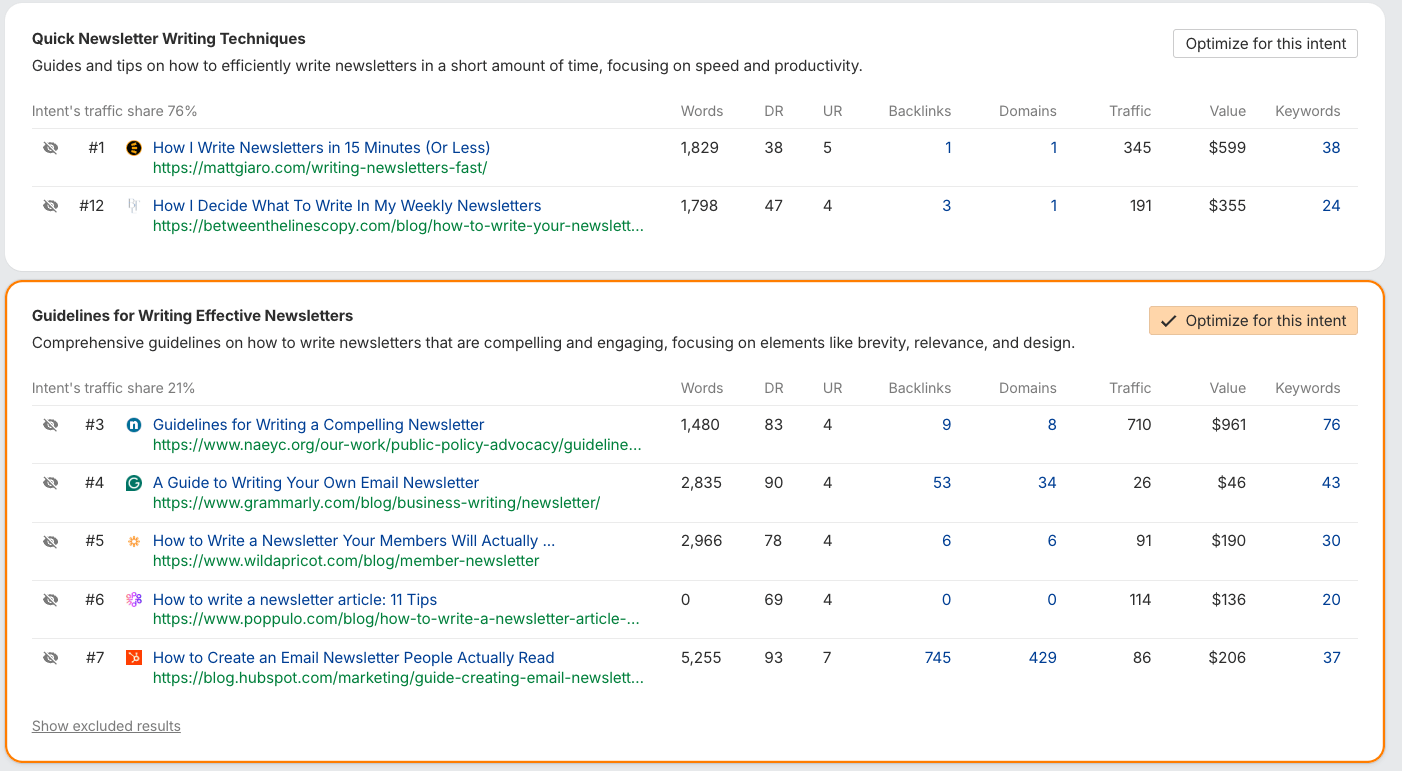
In conclusion, while keywords remain vital signals, the emphasis has decisively shifted to topic authority. Brands that effectively map, understand, and dominate their chosen topic galaxies, rather than just a few stars, will be the ones to achieve sustained visibility in an increasingly AI-driven search environment. Topic optimization transforms keyword research from a tactical task into a strategic endeavor for building long-term authority.