 11
11
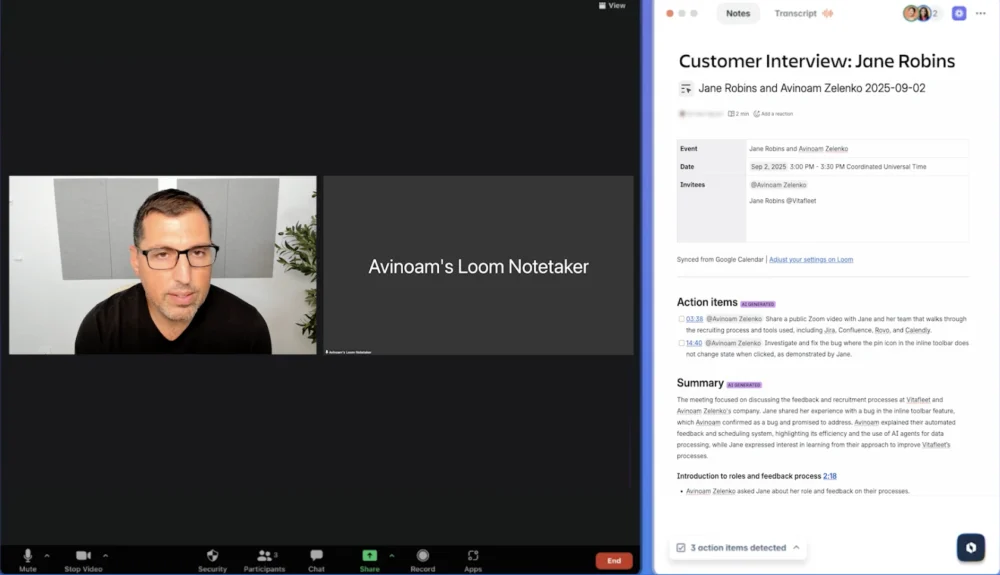
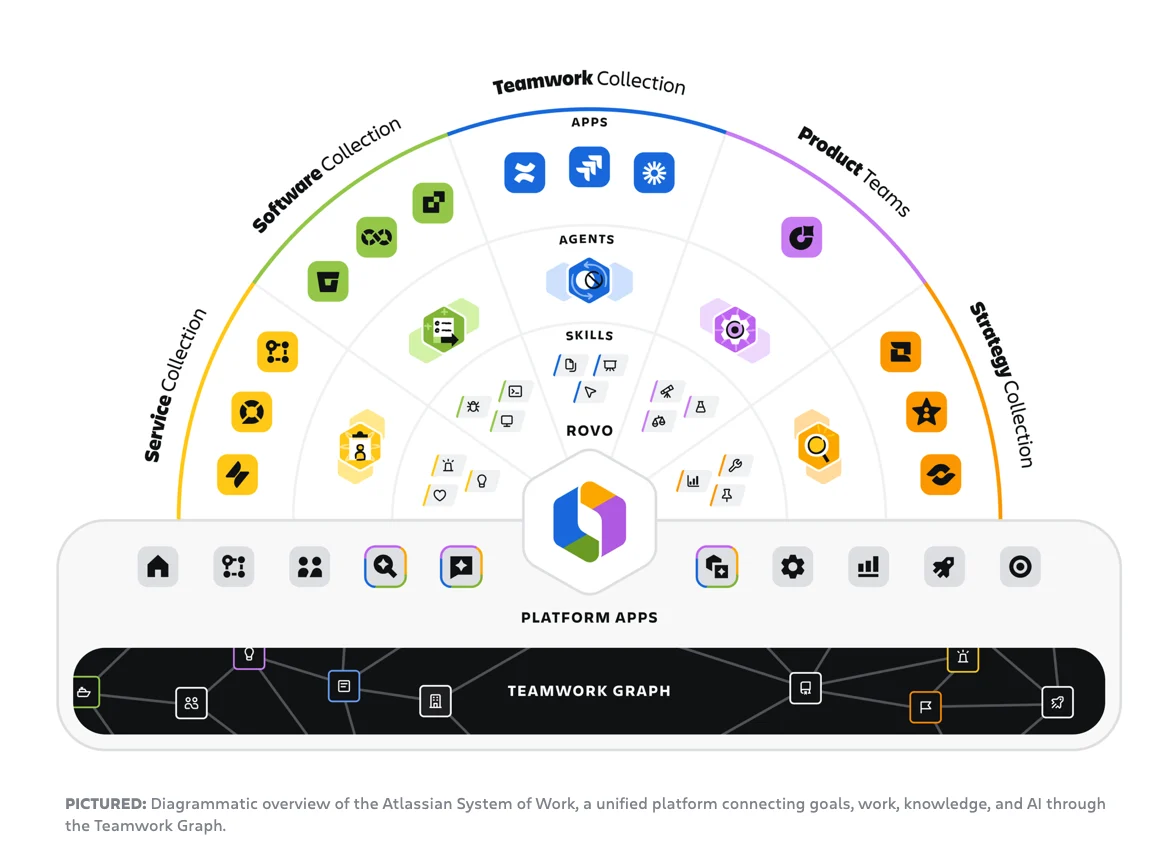
In an era where software development cycles are accelerating at an unprecedented pace, the ability to integrate authentic customer sentiment into the product roadmap remains a significant bottleneck for many technology organizations. Avinoam “Avi” Zelenko, a Principal Product Manager for Confluence at Atlassian, has recently unveiled a sophisticated, AI-powered workflow designed to bridge the gap between raw customer feedback and actionable team-wide insights. By utilizing a combination of Atlassian’s Rovo AI, the Teamwork Collection, and Slack, Zelenko has effectively transitioned customer discovery from a high-friction, manual process into a continuous, lightweight engine that operates at a scale previously considered unattainable for individual product leads.
The primary challenge addressed by this new system is the inherent "overhead" associated with high-quality customer engagement. For many product managers, the desire to maintain a human-centric approach to feedback is often thwarted by the administrative burden of scheduling, conducting, and synthesizing interviews. Historically, Zelenko noted that a single customer interview required approximately one hour of end-to-end effort. This hour was fragmented into several labor-intensive stages: identifying relevant feedback in Jira, coordinating schedules via manual email exchanges, conducting the interview while attempting to balance active listening with meticulous note-taking, and finally, synthesizing those notes into a format that could be shared with engineering and design teams.
Because of this significant time investment, customer calls were often treated as "heavy" events, occurring sporadically—typically averaging only two sessions per month. This lack of frequency created a secondary issue: information siloing. When insights were captured, they often remained trapped within the product manager’s personal notes or memory. Efforts to disseminate this information through formal readout sessions frequently failed to scale, as engineers and developers needed to prioritize building and shipping code over attending lengthy debriefs. The result was a disconnect where the people building the product were often several degrees removed from the lived experience of the users.

The catalyst for change occurred during Team US, Atlassian’s flagship conference. Following the announcement of the "Teamwork Collection"—a suite of integrated tools designed to facilitate collaboration—customers expressed a recurring concern regarding the practical application of these digital building blocks. The question was not whether the tools were powerful, but how they could be connected to form a cohesive, end-to-end operational workflow. In response, Zelenko set out to prove that these internal tools could be orchestrated to solve the very discovery friction he faced daily.
The resulting workflow is a multi-stage automation that requires no custom code, relying instead on the native integration of Atlassian’s ecosystem and third-party communication platforms. The process begins at the point of feedback collection. When a user leaves feedback within an Atlassian product, the data is automatically routed into Jira. At this stage, a Jira automation rule is triggered. The system identifies high-priority or relevant feedback and automatically generates a personalized outreach email to the customer. This email includes a Calendly link, allowing the customer to book a time directly on the Product Manager’s calendar. This initial automation eliminates the "back-and-forth" scheduling friction that often prevents discovery calls from ever being booked.
Once a customer selects a time, the process moves into the data capture phase. Zelenko utilizes Loom to record the video calls. This choice is strategic; Loom’s automated transcription services allow the Product Manager to focus entirely on the conversation rather than splitting their attention between the customer and a notepad. By delegating the recording and transcription to an automated service, the "listen versus take notes" tradeoff is removed, ensuring a more human-centric and empathetic interaction.
The most transformative aspect of the workflow occurs after the call has concluded. A Confluence automation rule monitors for the completion of the Loom transcript. Once the transcript is populated, the system verifies that the recording is indeed a customer discovery call. If confirmed, the automation triggers a Rovo agent—Atlassian’s specialized AI assistant. The Rovo agent is programmed to parse the entire transcript and perform several high-value tasks: it summarizes the core themes of the conversation, identifies specific "delighters" (features the customer loved), pinpoints "pain points" (areas of friction), and drafts a follow-up email that the Product Manager can send to the customer to close the loop.

To ensure these insights are not siloed, the automation then pushes the Rovo-generated summary into a dedicated Slack channel titled “Get Closer to Customers.” This public channel serves as a centralized hub for the entire organization. Engineers, designers, and stakeholders can view the high-level summaries in real-time. If a specific point of feedback piques the interest of a developer, the Slack post includes direct links to the full Confluence notes and the original Loom recording, providing a path to deeper context without requiring the Product Manager to act as a gatekeeper or a manual reporter.
The impact of this AI-integrated approach is quantifiable and profound. Under the previous manual system, the overhead of discovery limited Zelenko to roughly two calls per month. With the automated engine handling the logistics and synthesis, the frequency has surged to between one and three calls per day, totaling more than 30 customer interactions per month. Simultaneously, the actual time investment for the Product Manager has been halved; because the scheduling, note-taking, and synthesis are handled by Rovo and Jira automation, the only manual requirement is the 30-minute conversation itself.
Beyond the metrics of time and volume, the qualitative shift in team culture is equally significant. By democratizing access to customer feedback through Slack and Confluence, the entire team gains a shared understanding of user needs. This visibility allows for faster pivoting and more informed decision-making across the development lifecycle. When engineers can see a summary of a customer’s frustration or success within minutes of a call ending, the motivation to address those issues becomes more immediate and grounded in reality.
Furthermore, the customer experience has been revitalized. Despite the use of AI in the backend, the frontend interaction remains deeply personal. Customers who leave feedback are often surprised and pleased to receive a direct invitation from a Principal Product Manager. The automated follow-up emails, while drafted by AI, are reviewed by a human and serve to reinforce the idea that the customer’s voice has been heard by a person who has the power to effect change. As Zelenko noted, the ultimate goal of these sophisticated "building blocks" is to remove the mechanical barriers to human connection. By automating the administrative "drudgery," product leaders can return to the most vital part of their role: meeting customers as human beings to understand their challenges and aspirations.
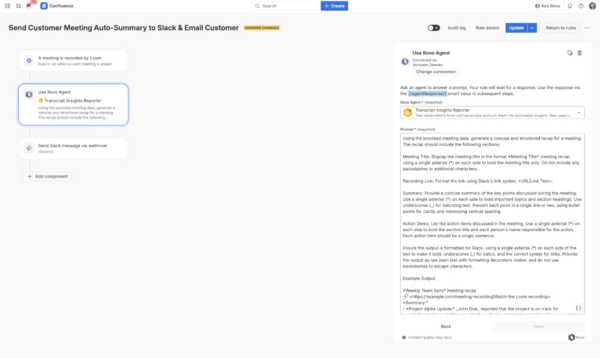
This implementation serves as a blueprint for the future of product management in an AI-augmented landscape. It demonstrates that the value of artificial intelligence lies not in replacing the human element of discovery, but in providing the infrastructure necessary to make human-centric discovery sustainable at scale. By connecting Jira, Loom, Confluence, and Rovo into a seamless loop, Atlassian has showcased how the "Teamwork Collection" can transform a high-friction necessity into a continuous competitive advantage. The transition from "ad hoc and manual" to "automatic and human-centric" represents a significant milestone in the evolution of how modern software teams listen to, and build for, their global user base.