 11

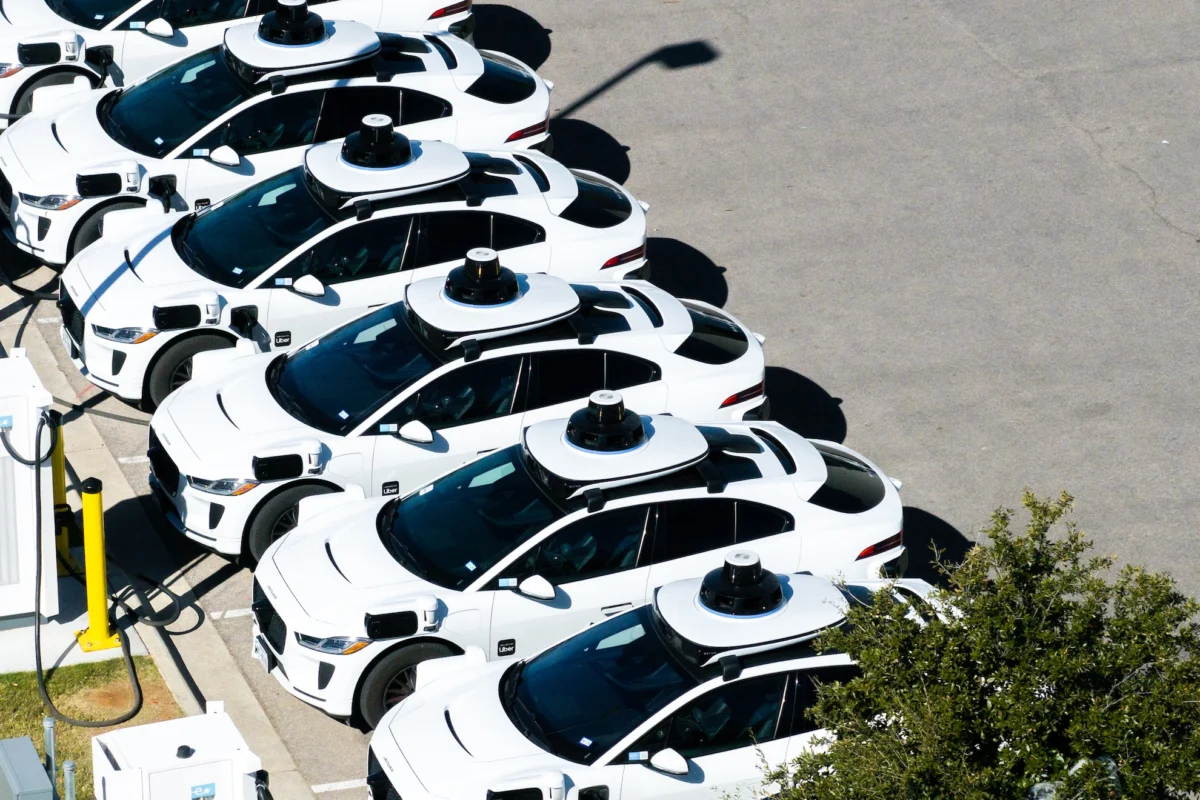
Waymo, the autonomous vehicle subsidiary of Alphabet, is executing an expansive commercial robotaxi ramp-up that, on the surface, appears to be broad in both its geographic reach and its burgeoning ridership. However, a closer examination reveals a highly concentrated deployment strategy, with the bulk of its growing fleet focused predominantly in just two U.S. states. This targeted approach, while seemingly paradoxical to a wide-ranging expansion, underpins Waymo’s strategy for achieving scale and eventual profitability in the burgeoning but challenging autonomous ride-hailing market.
The company’s growth trajectory over the past two years underscores the kind of aggressive commercial rollout one would anticipate from a deep-pocketed entity like Waymo, which emerged from Google and continues to benefit from Alphabet’s majority ownership and significant investment. In September 2024, Waymo’s commercial robotaxi service was operational in a mere three cities: Phoenix, Arizona; Los Angeles, California; and San Francisco, California. Fast forward to today, and that footprint has expanded dramatically, with Waymo now offering its driverless ride service in an impressive 15 U.S. cities. The majority of these commercial launches have occurred within the past year, signaling an accelerated phase of market penetration. Correspondingly, ridership figures have experienced a meteoric rise, with Waymo currently averaging an astounding 500,000 paid robotaxi rides every single week. This volume not only demonstrates robust consumer adoption but also positions Waymo as a leading player in the commercialization of autonomous mobility.
Despite this impressive overall expansion, a granular analysis of Waymo’s operational fleet reveals a company strategically concentrating its significant resources. Approximately 80% of Waymo’s current fleet, estimated at roughly 4,000 robotaxis, is deployed across California and Texas. Among these two pivotal states, Texas has emerged as the epicenter of Waymo’s most recent and aggressive expansion efforts. The company’s fleet in Texas has seen a nearly 50% increase in just the past three weeks, a surge primarily fueled by the introduction of a new, Chinese-built minivan that Waymo is banking on to drive its scaling ambitions, even as prevailing U.S. tariffs on imported goods from China drive up acquisition costs.
The remaining 800 or so vehicles are distributed across a handful of cities in other states, including Arizona, where Waymo first launched its public service, and Florida, which is rapidly developing into another significant growth market for the company. While a substantial portion of Waymo’s existing fleet comprises the familiar white Jaguar I-Pace electric SUVs, an increasing number of the new minivans, a modified Zeekr RT model branded by Waymo as "Ojai," are now joining the ranks, signaling a shift in the company’s preferred vehicle platform for mass deployment.
Waymo’s sustained focus on California is hardly surprising given its historical context and strategic importance. The company is headquartered in Silicon Valley, and a significant portion of its foundational research, development, and early-stage testing was conducted on California’s diverse road networks. Furthermore, California, particularly its major urban centers, boasts a demographic segment that is typically highly inclined to adopt cutting-edge technology at its earliest stages, providing a fertile ground for new services like robotaxis. The state’s regulatory environment, while complex, has also played a critical role in shaping the development and deployment of autonomous vehicles, with California’s Department of Motor Vehicles (DMV) issuing some of the earliest permits for driverless testing and commercial operations.
However, the recent, dramatic growth observed in Texas represents a more intriguing and potentially transformative development for Waymo. According to state vehicle registrations and data meticulously compiled by the Texas Autonomous Vehicle Fleet Tracker, Waymo’s Texas fleet has swelled by an impressive 49% in the past three weeks alone. As of September 24, the company had 1,102 autonomous vehicles registered in the state, making it a critical hub for Waymo’s operations.
Waymo first initiated its commercial service in Austin, Texas, in March 2025, through a strategic partnership with ride-hailing giant Uber. This collaboration allowed riders to conveniently hail Waymo’s robotaxis directly through the ubiquitous Uber app, providing immediate access to a vast user base and integrating Waymo’s service into an established transportation ecosystem. Since that initial launch in Austin, Waymo has aggressively expanded its robotaxi services to other major metropolitan areas across Texas, including Dallas, Houston, and San Antonio, capitalizing on the state’s expansive road networks, favorable regulatory climate, and rapidly growing urban populations.
The growth of Waymo’s Texas fleet had remained relatively consistent for most of the summer, gradually increasing from approximately 600 vehicles in June to over 700 by the end of August. This steady progression, however, gave way to an exponential surge in September, primarily driven by a substantial influx of the new Ojai minivans. These purpose-built vehicles now constitute approximately one-third of Waymo’s entire Texas fleet, and all indicators suggest that this share is poised for continued growth.
The Ojai robotaxi is designed to be a cornerstone of Waymo’s strategy to achieve mass scale and widespread adoption. Equipped with Waymo’s advanced sixth-generation self-driving system, the Ojai represents a significant leap in autonomous vehicle technology. Its interior has been specifically engineered to withstand the rigors of heavy commercial use, prioritizing durability and ease of maintenance. Riders benefit from an upgraded interface, enhancing the user experience, and the integration of Google’s Gemini AI, which functions as an intelligent in-car assistant, providing support and information throughout the journey.
Beneath Waymo’s proprietary self-driving technology and custom branding, the Ojai is fundamentally a minivan manufactured by Zeekr, a rapidly emerging brand under the umbrella of China’s Geely Holding Group, which also owns renowned automotive marques such as Volvo. The Ojai is built upon Zeekr’s SEA-M platform, a highly versatile and modular shared vehicle architecture specifically engineered for commercial applications such as robotaxis and delivery vans. Crucially, the base Zeekr vehicles are shipped to the United States without any Chinese connected-car technology onboard, a deliberate measure to address potential data security and privacy concerns. Upon their arrival in the U.S., these vehicles are transported to Waymo’s specialized factory in Arizona, where they are meticulously outfitted with Waymo’s comprehensive suite of self-driving hardware and software systems, transforming them into fully autonomous robotaxis.
The introduction of the Ojai is intended to significantly drive down operational costs for Waymo, ultimately paving the way for the company to achieve profitability in its commercial robotaxi services. However, this cost-saving potential is currently being mitigated by existing U.S. trade policies. Under current regulations, vehicles manufactured in China are subject to steep import tariffs, which directly increase Waymo’s acquisition costs for every Ojai minivan it brings into the country. This economic reality presents a considerable financial hurdle that Waymo appears willing to absorb as a strategic investment in its long-term growth and market dominance.
New York-based research firm MoffettNathanson, which diligently tracks Ojai imports using detailed shipping records, highlighted in its September report that Waymo is on course to import a substantial 5,100 of these vehicles into the United States by the end of the year. This aggressive import schedule underscores Waymo’s commitment to scaling its fleet despite the added tariff costs.
The strategic deployment of this massive incoming fleet of Ojai vehicles will be crucial to Waymo’s future expansion. While Texas is undoubtedly a primary destination for these new robotaxis, other burgeoning markets are also expected to see a significant influx. Florida, where Waymo currently operates in three cities, and newer markets like Las Vegas, which offers unique operational environments and high tourist volumes, are likely candidates to receive a substantial number of these advanced minivans, further solidifying Waymo’s presence and expanding its reach across key U.S. metropolitan areas. This multi-pronged deployment strategy, while concentrated, is a clear indicator of Waymo’s methodical approach to dominating the autonomous ride-hailing sector.






