 11

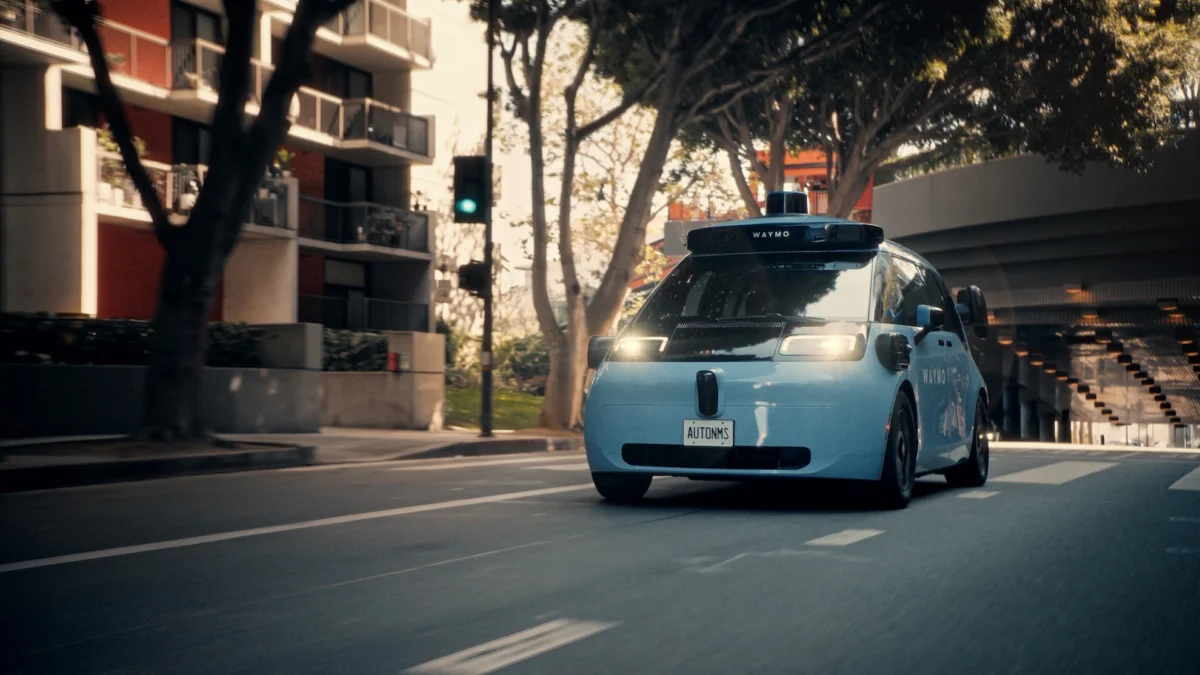
Waymo, the pioneering autonomous driving subsidiary of Alphabet, has officially launched its next-generation robotaxi, dubbed the Ojai (pronounced oh-hi), making it available to all riders across its key operational markets of Los Angeles, Phoenix, and San Francisco. This significant rollout marks a pivotal milestone for the company, signaling a decisive push towards expanding its autonomous fleet with vehicles specifically engineered for enhanced cost-efficiency in terms of construction, operation, and maintenance.
For the immediate future, customers requesting a ride in these three major metropolitan areas may find themselves matched with the innovative Ojai robotaxi. This integration represents a strategic phasing-in process. Waymo’s long-term vision includes offering riders the choice between the new Ojai and the existing Jaguar I-Pace robotaxi once a sufficient number of the purpose-built Ojai vehicles have been integrated into its growing fleet. As of the current announcement, Waymo reports approximately 300 Ojai robotaxis are already part of its commercial service fleet, indicating a substantial initial deployment.
Looking ahead, Waymo has outlined ambitious expansion plans for the Ojai. The company confirmed on Wednesday its intention to introduce the new robotaxi service to additional U.S. cities later this year, specifically targeting Denver, Las Vegas, and San Diego. This planned geographical expansion underscores Waymo’s commitment to broaden its operational footprint and solidify its position as a leader in the nascent but rapidly evolving autonomous ride-hailing industry.
For several years, Waymo’s commercial robotaxi operations have predominantly relied on a fleet of modified, all-electric Jaguar I-Pace vehicles. These distinctive white, sensor-laden autonomous hatchbacks have become a familiar sight in cities like San Francisco, symbolizing Waymo’s presence and technological capabilities. However, despite their operational success, the Jaguar I-Pace fleet has largely served as a transitional solution, a "stopgap" in Waymo’s more extensive and ambitious strategy for achieving mass scale and, ultimately, sustainable profitability. The Ojai robotaxi is explicitly designed to fulfill this long-term ambition, representing a shift from retrofitted consumer vehicles to a purpose-built autonomous platform.
The Waymo Ojai robotaxi is engineered from the ground up to address the critical economic and operational challenges inherent in scaling an autonomous ride-hailing service. At its technological core, the Ojai is equipped with Waymo’s sixth-generation self-driving system. This advanced system is not only robust and highly capable but is also modular in its design, a feature deemed essential to the company’s overarching commercial strategy. The modularity allows the self-driving technology to be seamlessly integrated across various vehicle types, providing Waymo with greater flexibility and efficiency in future deployments. Beyond its sophisticated autonomous driving capabilities, the Ojai also features a redesigned user interface tailored for an intuitive rider experience and incorporates Google’s Gemini AI, which functions as an intelligent in-car assistant, further enhancing passenger convenience and interaction.
While packed with Waymo’s cutting-edge autonomous technology, the underlying vehicle platform of the Ojai is a minivan manufactured by Zeekr, an automotive brand under the umbrella of China’s Geely Holding Group. The collaboration between Waymo and Zeekr dates back to 2021, a partnership that has involved extensive development and rigorous testing. This multi-year process included evaluating numerous prototypes and later a production-intent version of the vehicle to ensure it met Waymo’s stringent standards for safety, reliability, and performance. The Ojai is built upon Zeekr’s SEA-M platform, which is an advanced iteration of the automaker’s "Sustainable Experience Architecture." This particular platform was specifically engineered by Zeekr with dedicated applications in mind, such as robotaxis and commercial delivery vans, prioritizing attributes crucial for these demanding uses. The overarching design philosophy behind the Ojai was to create an autonomous vehicle that is not only visually appealing and easily accessible for riders but also characterized by its low manufacturing cost, ease of maintenance, and exceptional durability to withstand the rigors of near-constant commercial operation.
Despite the Ojai’s inherent design advantages aimed at cost-efficiency, its path to market has not been entirely devoid of financial hurdles. Tariffs imposed on imported vehicles, particularly those manufactured in China, have added a layer of complexity and cost to Waymo’s deployment strategy. Under the current U.S. trade policy framework, vehicles produced in China are subject to substantial import tariffs, which directly increases the per-unit cost for every Ojai Waymo brings into the United States. To navigate these trade regulations and ensure compliance, the base Zeekr vehicles are shipped without any Chinese connected-car technology pre-installed. Upon their arrival in the U.S., these chassis are then transported to Waymo’s dedicated factory in Arizona, where they undergo the final integration process, being meticulously outfitted with Waymo’s proprietary self-driving system and other essential components.
The scale and pace of Waymo’s Ojai deployment are significant indicators of its long-term ambitions. MoffettNathanson, a New York-based research firm renowned for tracking detailed shipping receipts of imported goods, has provided insights into Waymo’s aggressive expansion strategy. According to their analysis, Waymo is on track to import a formidable fleet of 5,000 Ojai vehicles into the United States by the close of 2026. This projected figure would represent more than double the size of Waymo’s current Jaguar I-Pace fleet, signaling a rapid acceleration in the company’s operational capacity. The sheer volume of recent imports further underscores this momentum; in July alone, an impressive 725 Ojai vehicles entered the country, illustrating the rapid scale and consistent pace of Waymo’s expansion efforts as it prepares to significantly broaden its commercial service offerings.
The strategic shift to the Ojai from the Jaguar I-Pace fleet highlights Waymo’s maturation from a research and development-focused entity to a commercially driven enterprise. The Jaguar I-Pace, while an excellent electric vehicle, was fundamentally a passenger car retrofitted with autonomous technology. This meant compromises in interior design for rider experience, potentially higher operational and maintenance costs due to non-purpose-built components, and limitations in optimizing the vehicle’s lifespan for continuous commercial service. The Ojai, as a purpose-built robotaxi, addresses these limitations directly, offering a platform designed for longevity, cost-effectiveness, and an optimized passenger environment from its inception.
This comprehensive rollout and ambitious expansion plan are central to Waymo’s overarching vision for autonomous mobility. As an Alphabet company, Waymo benefits from substantial backing and a long-term strategic outlook, enabling it to make significant investments in technology and fleet expansion. The Ojai represents not just a new vehicle, but a critical step towards realizing the economies of scale and operational efficiencies necessary for autonomous ride-hailing to become a widespread, profitable, and transformative mode of transportation.
The news was reported by Kirsten Korosec, a distinguished reporter and editor with over a decade of experience covering the future of transportation, including electric and autonomous vehicles, urban air mobility, and in-car technology. She currently serves as the transportation editor at TechCrunch and co-hosts TechCrunch’s Equity podcast, in addition to being a co-founder and co-host of "The Autonocast" podcast. Her extensive journalistic background includes contributions to Fortune, The Verge, Bloomberg, MIT Technology Review, and CBS Interactive, lending considerable authority to the reporting on Waymo’s latest developments.






