 11

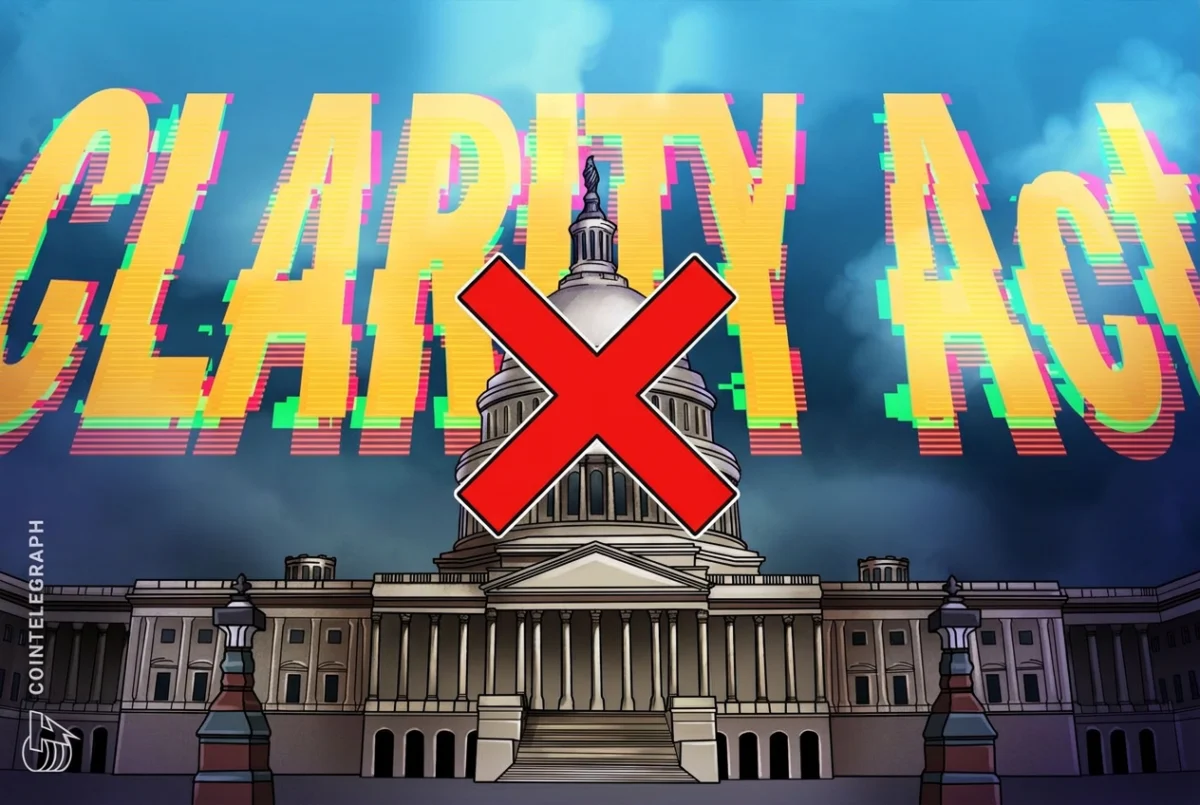
In a significant setback for the burgeoning digital asset industry, the United States Senate has failed to pass a cloture motion on the Digital Asset Market Clarity (CLARITY) Act. The procedural vote, which aimed to advance the legislation to a full floor debate, fell short of the necessary 60 votes, receiving only 49 in favor and 50 against. This outcome effectively halts any further progress on the CLARITY Act for the remainder of the current congressional session, casting a shadow of uncertainty over the future regulatory landscape for cryptocurrencies and other digital assets in the United States.
The failure to advance the CLARITY Act comes at a critical juncture, with less than 36 legislative days remaining before the scheduled swearing-in of a new session of Congress in January 2027, following the upcoming November midterm elections. This tight timeline means the bill is highly unlikely to see any further consideration or action before the end of the year. The immediate consequence of this legislative impasse is the continued lack of a comprehensive federal regulatory framework for the digital asset sector. This leaves crucial questions unanswered regarding the oversight responsibilities of key regulatory bodies, specifically the Commodity Futures Trading Commission (CFTC) and the Securities and Exchange Commission (SEC), and their respective roles in policing the evolving digital asset market.
The CLARITY Act had been a focal point of discussion and negotiation for months, representing the first concerted effort by Congress to establish clear rules of the road for digital assets. However, the bill encountered significant hurdles that ultimately led to its downfall. Prior to Congress’s August recess, the legislation stalled due to contentious proposed ethics provisions. These provisions sought to impose stringent restrictions on government officials and their immediate families, prohibiting them from issuing or profiting from digital assets while serving in their official capacities.
While President Donald Trump had reportedly agreed to most of a bipartisan proposal aimed at strengthening these ethics restrictions in the lead-up to Tuesday’s vote, new opposition emerged just days before. On Monday, a coalition of 18 state attorneys general voiced their strong objections to the CLARITY Act. Their primary concern was that the bill, as it stood, would undermine the existing authority and capabilities of state-level regulators to effectively combat crypto fraud and misconduct. The attorneys general argued that the proposed federal framework could inadvertently create loopholes or diminish the states’ ability to protect their citizens from illicit activities within the digital asset space. This late-stage opposition from a significant group of state law enforcement officials appears to have been a pivotal factor in swaying enough votes to block the cloture motion.
The market reaction to the Senate’s failure to advance the CLARITY Act was swift and negative. Digital asset prices experienced a noticeable decline following the procedural vote. Bitcoin, the flagship cryptocurrency, briefly dipped below the $75,000 mark, recording a daily decrease of more than 5%, according to data compiled by CoinMarketCap. This price volatility underscores the market’s sensitivity to regulatory developments and the persistent demand for clarity in the digital asset space. The lack of a defined regulatory path can foster uncertainty, which often translates into increased risk aversion among investors and traders.
The CLARITY Act was designed to address a multifaceted set of issues within the digital asset ecosystem. Proponents argued that a clear regulatory framework would foster innovation, attract institutional investment, and provide greater consumer protection. They envisioned a system that would clearly delineate between different types of digital assets, specify which agencies have jurisdiction over them, and establish rules for trading, custody, and disclosure. The proposed legislation also aimed to enhance the integrity of the market by addressing concerns related to market manipulation and illicit finance.
The ethics provisions, which proved to be a significant point of contention, were intended to prevent potential conflicts of interest and ensure that public officials do not leverage their positions for personal gain in the rapidly evolving digital asset market. The debate surrounding these provisions highlighted the inherent tension between the desire to foster innovation and the imperative to maintain public trust and ethical standards in government. The compromise that was reportedly nearing fruition with President Trump’s agreement indicated a willingness from the executive branch to address these concerns, but the objection from the state attorneys general introduced a new layer of complexity.
The attorneys general’s argument centered on the idea that states have unique insights and established mechanisms for policing financial fraud and misconduct within their borders. They expressed concern that a broad federal preemption of certain regulatory powers could dilute their ability to act swiftly and decisively against bad actors operating within their jurisdictions. This perspective underscores the ongoing debate about the appropriate balance of federal and state authority in financial regulation, a debate that is particularly relevant in the context of a nascent and borderless technology like digital assets.
The failure of the CLARITY Act leaves the United States in a position where it lags behind some other major economies in establishing a comprehensive digital asset regulatory framework. This could have implications for the United States’ competitiveness in the global digital asset market and its ability to attract and retain talent and investment in this sector. The absence of clear rules can also create a less predictable environment for businesses operating in the digital asset space, potentially hindering their growth and expansion.
Moving forward, the path to regulating digital assets in the United States remains uncertain. Lawmakers will likely need to revisit the issue in the next congressional session, potentially addressing the concerns raised by state attorneys general and finding a more broadly acceptable approach to ethics provisions. The debate over the respective roles of the CFTC and the SEC in overseeing digital assets is also likely to continue, with ongoing discussions about whether a new, dedicated agency or a clearer division of responsibilities between existing regulators is the most effective solution.
The market’s reaction, with its immediate price correction, serves as a reminder of the significant impact that regulatory clarity can have on the digital asset industry. Investors and industry participants will be closely watching for future legislative efforts and regulatory pronouncements that could shape the future of digital assets in the United States. The CLARITY Act’s failure is not necessarily the end of the road for digital asset regulation, but it represents a significant detour, leaving the industry to navigate a period of continued regulatory ambiguity.
Cointelegraph remains committed to providing independent and transparent journalism. This news article has been produced in accordance with Cointelegraph’s Editorial Policy, aiming to deliver accurate and timely information. Readers are encouraged to conduct their own independent verification of all information presented.






