 11
11 1
1 2
2 3
3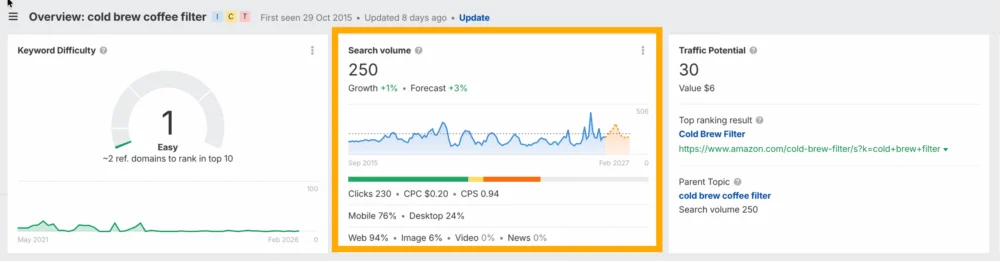
For anyone navigating the complexities of Search Engine Optimization (SEO), particularly those using plugins like Yoast or Rank Math, the "focus keyword" field is a familiar sight. While it might seem like a simple checkbox to turn an indicator green, a deep understanding of its significance is paramount for effective on-page SEO strategy. Choosing the right focus keyword is not merely about satisfying a plugin’s requirement; it’s the bedrock upon which successful online visibility is built. An incorrect choice can lead to optimizing for terms with little to no search interest or terms for which ranking is an insurmountable challenge. Conversely, a well-selected focus keyword targets genuine search traffic from users actively seeking the content or solutions provided. This comprehensive guide delves into the essence of focus keywords, offering insights into their definition, selection process, strategic placement, and performance tracking.
Defining the Focus Keyword

A focus keyword, also known as a focus keyphrase, is the primary search term that a specific webpage is intended to rank for in search engine results. It serves as the central identifier of the page’s content, answering the fundamental question: "If a user searches for a particular term and lands on this page, what should that term be?" Synonymous terms such as target keyword, primary keyword, or main keyword all refer to this core concept – the central term around which optimization efforts are concentrated.
Consider, for instance, a webpage dedicated to instructing users on home coffee brewing. A suitable focus keyword might be "how to make pour over coffee." This phrase is more effective than a broad term like "coffee" or a vague term like "brewing" because it precisely matches the page’s specific content.
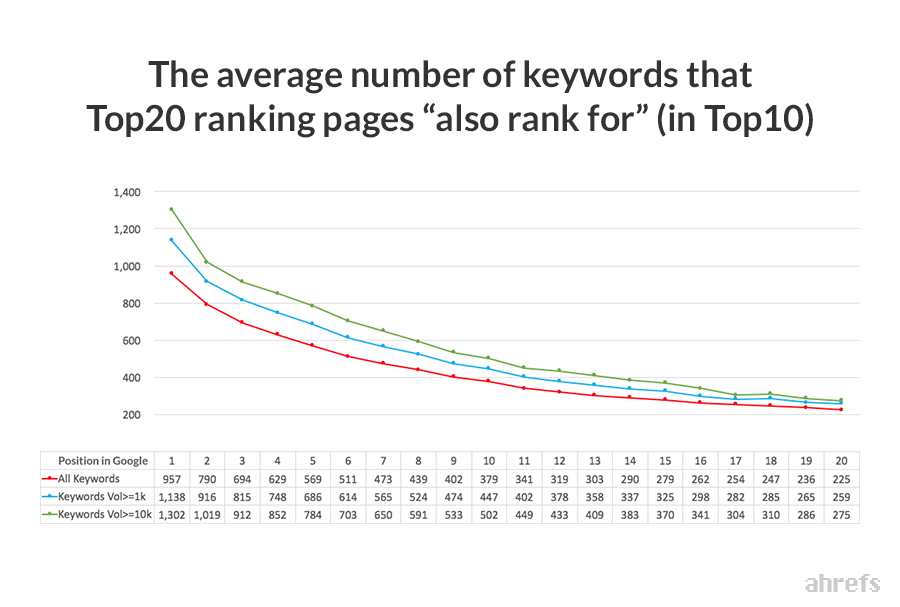
It is important to distinguish that a focus keyword is not the sole term a page will rank for. Research from Ahrefs, analyzing three million search queries, revealed that a page ranking in the first position also ranks within the top 10 for nearly 1,000 other relevant keywords. The focus keyword acts as the guiding principle, the primary objective, while rankings for variations, related terms, and long-tail phrases are often acquired naturally as a result of thorough content optimization. This guiding principle dictates the direction of all subsequent optimization activities.
Focus Keyword vs. Related Terms
The landscape of SEO is characterized by overlapping terminology, which can sometimes lead to confusion. To clarify, a focus keyword is the principal search term a page is optimized for. Terms like "target keyword" and "primary keyword" are interchangeable with "focus keyword." "Secondary keywords" are related terms that should be incorporated naturally within the content. "Long-tail keywords" are more specific, lower-volume variations of primary keywords. The concept of "LSI keywords" (Latent Semantic Indexing), while historically relevant, is now considered somewhat outdated. The crucial point is to select one primary focus and be deliberate in its application.
The Importance of Focus Keywords
Focus keywords are critical for several key reasons:
Content Clarity: Defining a focus keyword compels content creators to pinpoint the exact subject matter of a page. Without this anchor, content can become unfocused, attempting to cover too much and ultimately failing to rank for anything specific. A clear focus keyword ensures that every element of the content, from sections and headings to examples, remains aligned with the central theme.
Optimization Guidance: Once a focus keyword is established, it provides a clear roadmap for on-page optimization. This includes strategic placement in the title tag, headings, URL, and introductory paragraphs. It shifts on-page SEO from random keyword insertion to a targeted and structured approach.
Measurement Baseline: The ability to track rankings for a specific focus keyword provides a measurable benchmark for assessing SEO performance. It offers a tangible goal to monitor over time, indicating the success of optimization efforts.
It is crucial to note that search engines like Google do not have a specific "focus keyword" meta tag. Google’s algorithms understand topics, entities, and context, rather than a manually designated primary term. The focus keyword serves as an organizational tool for human content creators and optimizers.
Selecting an Effective Focus Keyword
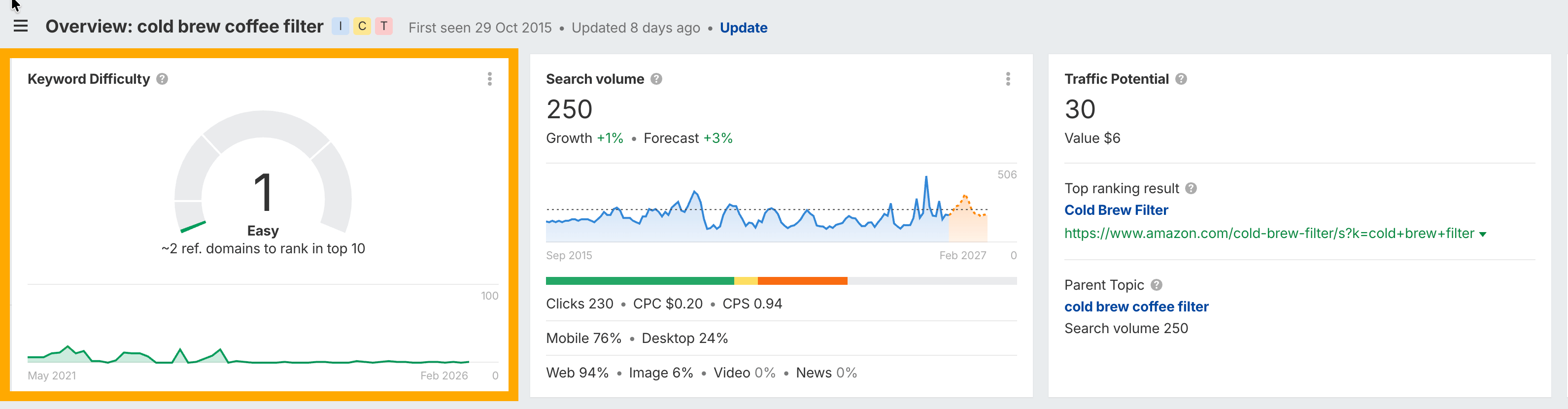
The process of choosing a focus keyword can be a point of contention. A systematic four-step approach can ensure the selection of an optimal term:
Step 1: Generate Keyword Ideas
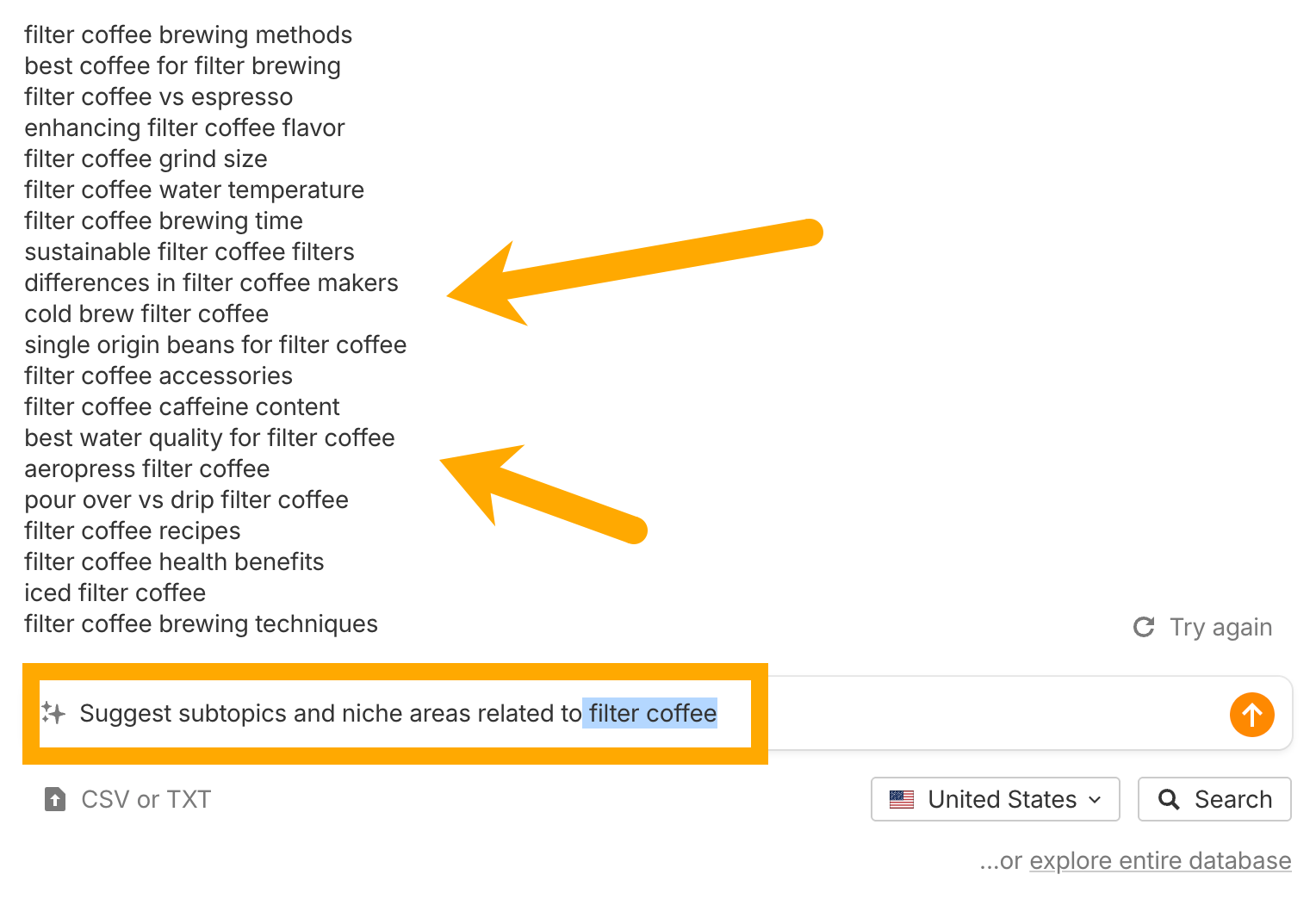
Begin by brainstorming a comprehensive list of potential focus keywords. The initial stage is about quantity, not quality, with the aim of gathering a robust selection for later evaluation. Methods for idea generation include using keyword research tools, analyzing competitor keywords, exploring related searches on search engines, and reviewing customer feedback or frequently asked questions.
Step 2: Analyze Keyword Metrics
Each potential focus keyword should be assessed based on four critical metrics:
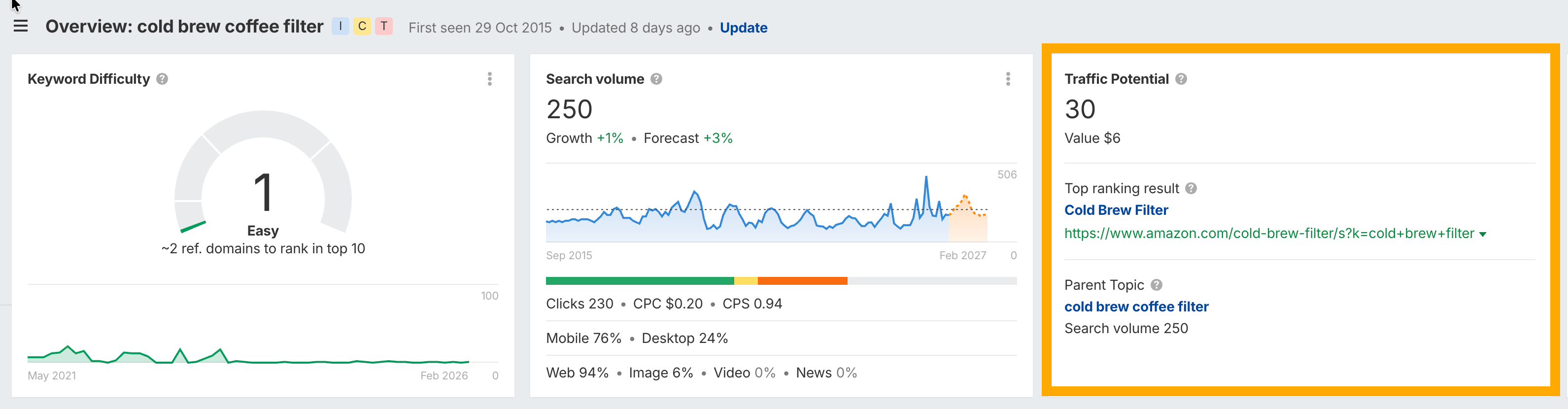
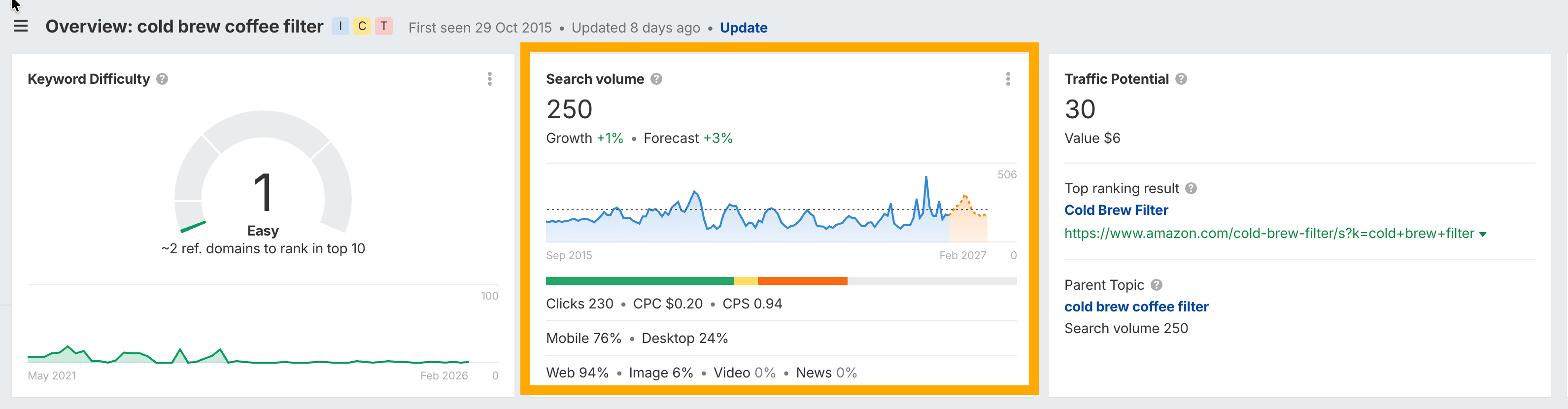
Tools like Ahrefs provide a consolidated view of these metrics, including intent badges, simplifying the evaluation process.
Step 3: Validate Against the SERP
Before committing to a focus keyword, it is essential to perform a Google search for the term to examine the Search Engine Results Page (SERP). This analysis reveals what Google perceives as relevant to the search query. Key aspects to observe include:
Step 4: Confirm Site Relevance
The final step involves ensuring the chosen focus keyword is appropriate for the specific website:
One Focus Keyword Per Page
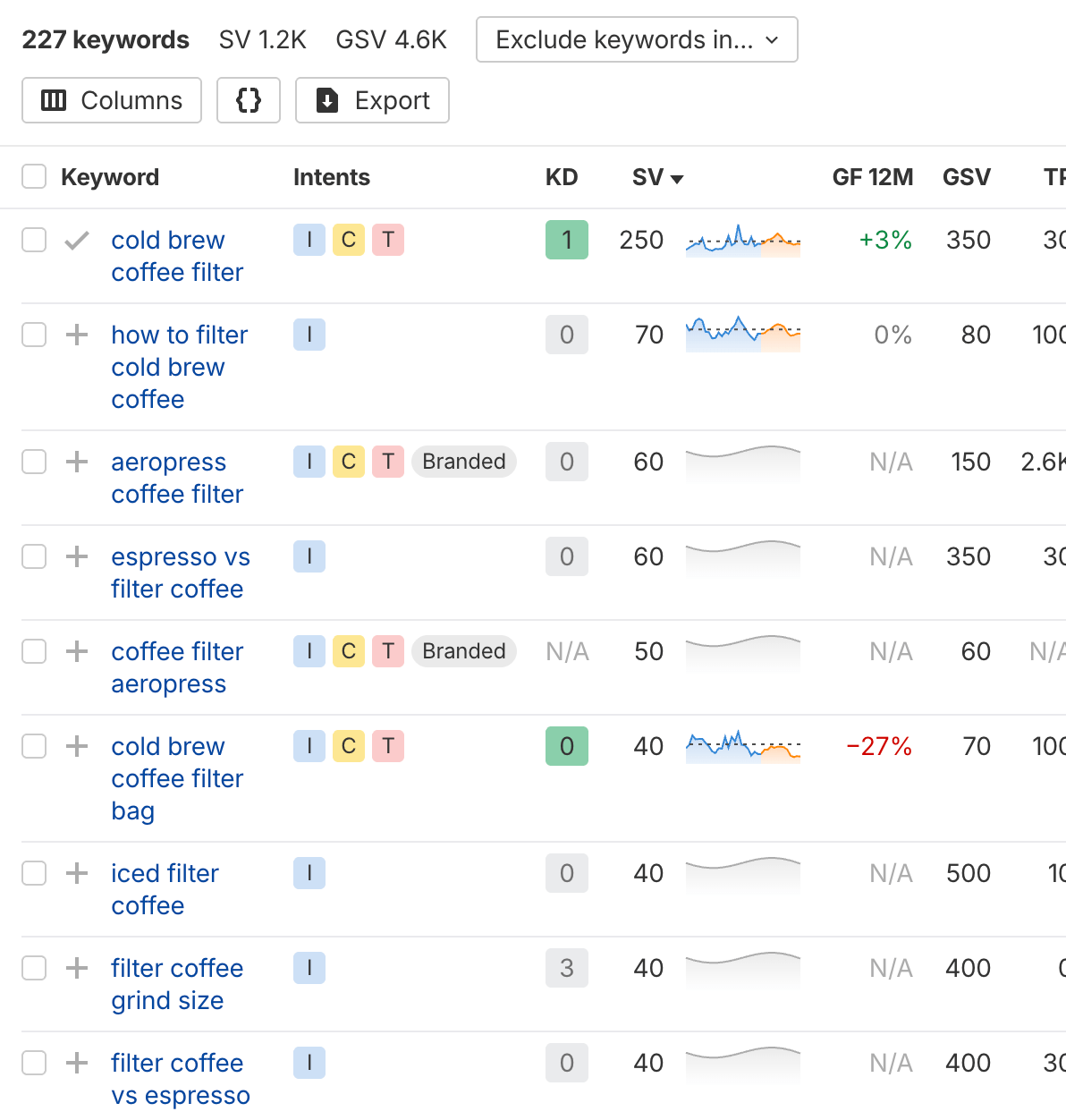
Each webpage should ideally target a single primary focus keyword. While variations and related terms will naturally be incorporated, concentrating optimization efforts on one main target prevents dilution of message and structural confusion. Very similar keywords, such as singular and plural forms of the same term (e.g., "focus keyword" vs. "focus keywords"), can often be grouped under a single page as they share the same parent topic and search intent. However, distinct topics, like "focus keywords" and "long-tail keywords," necessitate separate pages.
Strategic Placement of Focus Keywords
Once a focus keyword is selected, its strategic placement is key:
/focus-keywords/).It is vital to avoid "over-optimization," which means avoiding keyword stuffing. Modern search engines understand synonyms and context, so prioritizing natural language and comprehensive topic coverage is paramount.
Common Focus Keyword Mistakes
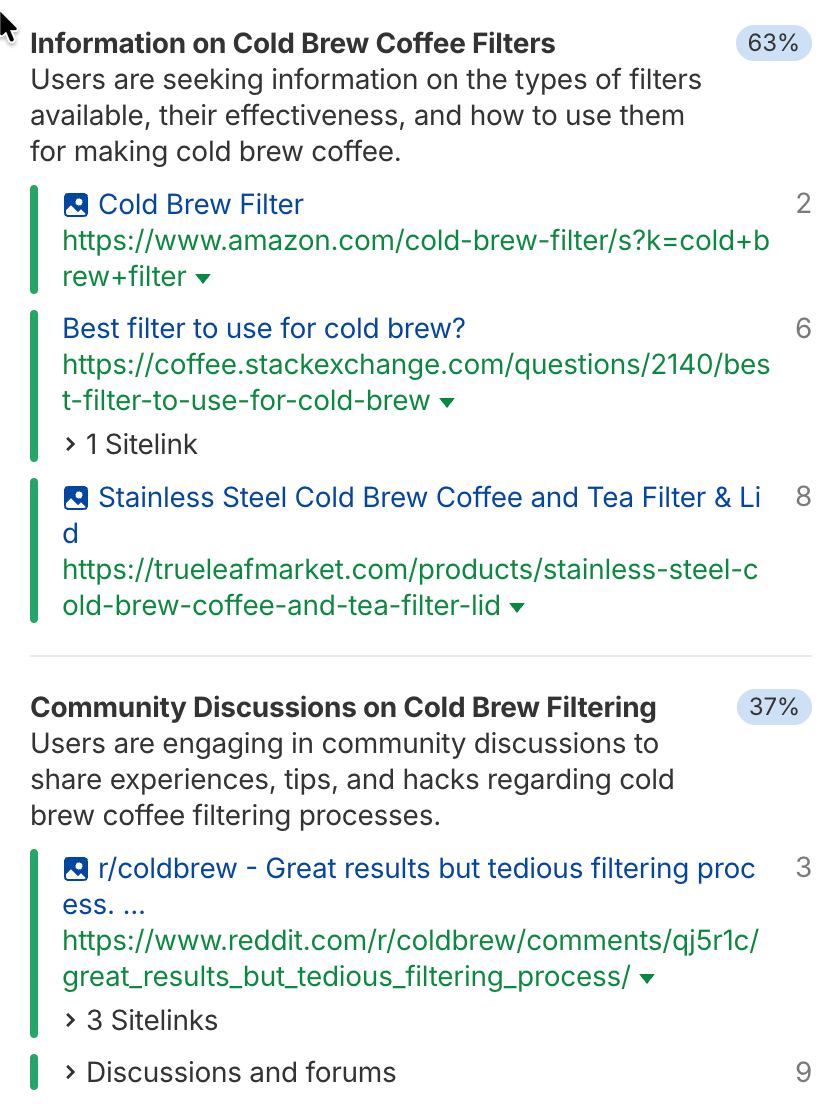
Several pitfalls can undermine focus keyword strategy:
Tracking Focus Keyword Performance
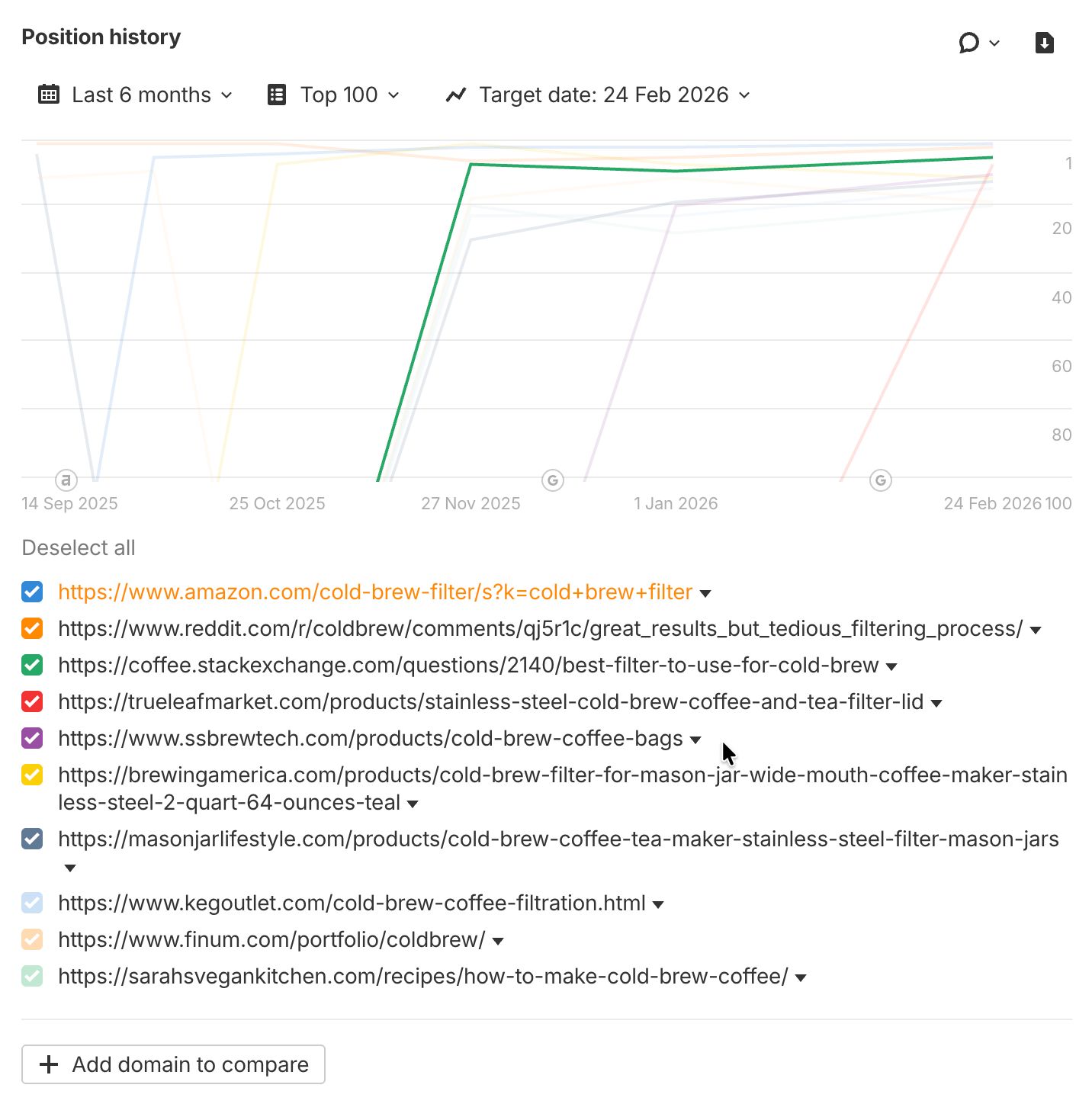
Monitoring performance is an ongoing process. Key metrics include:
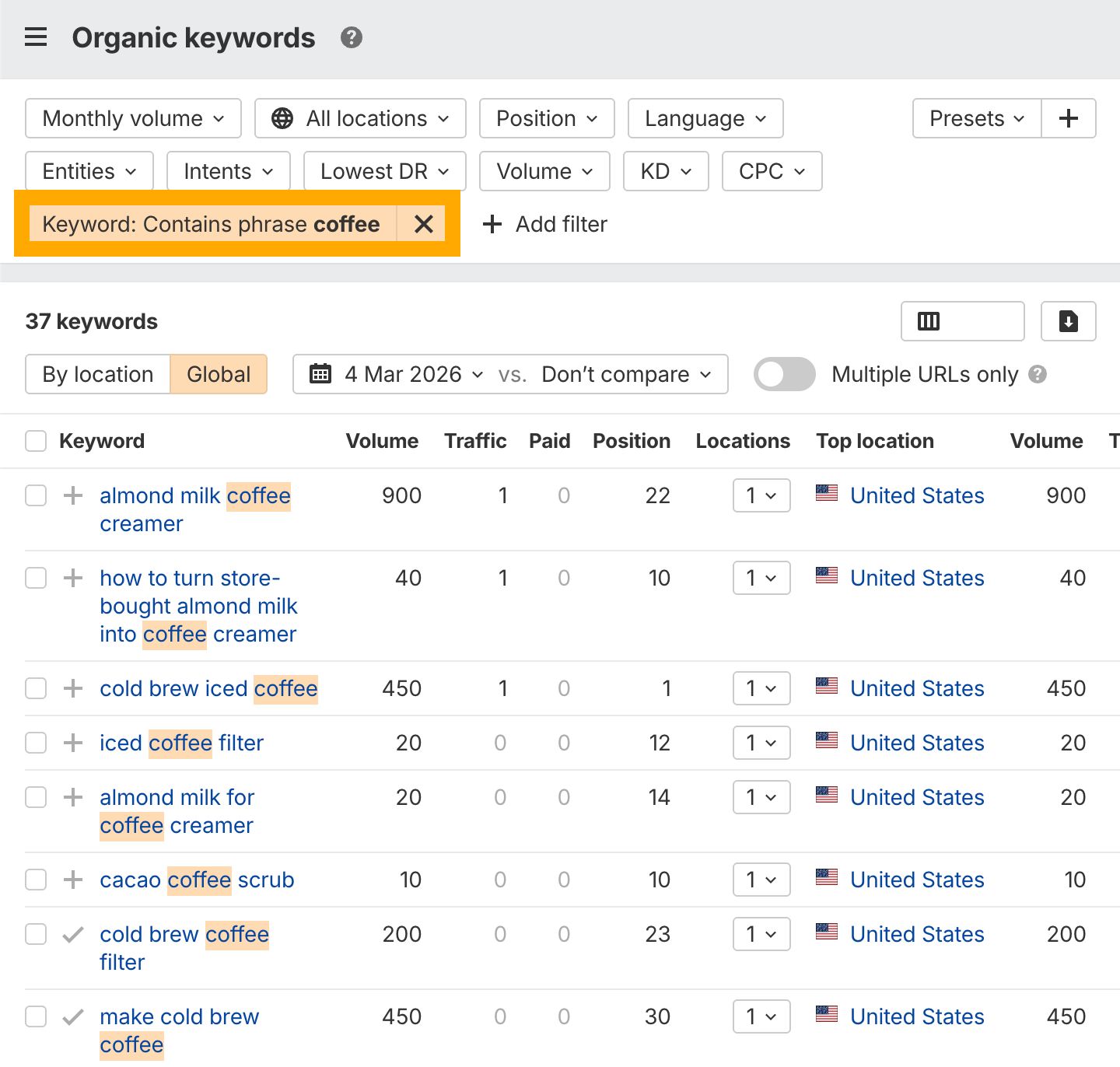
Regular reviews of content performance, with adjustments made as needed based on ranking fluctuations, traffic trends, and competitor analysis, are essential.
Focus Keywords in the Age of AI Search
The advent of AI-driven search, including AI Overviews and conversational interfaces, is reshaping the search landscape. While focus keywords remain a valuable tool, their application is evolving. Comprehensive topic coverage is increasingly critical, as AI systems often synthesize information from authoritative sources. While direct clicks may decrease due to AI Overviews, the content’s role as a source for these overviews highlights the enduring importance of high-quality, thoroughly researched content. Search is becoming more conversational, emphasizing the need for focus keywords that reflect natural language queries. The focus keyword serves as an entry point, but overarching topic coverage is essential for sustained ranking success.
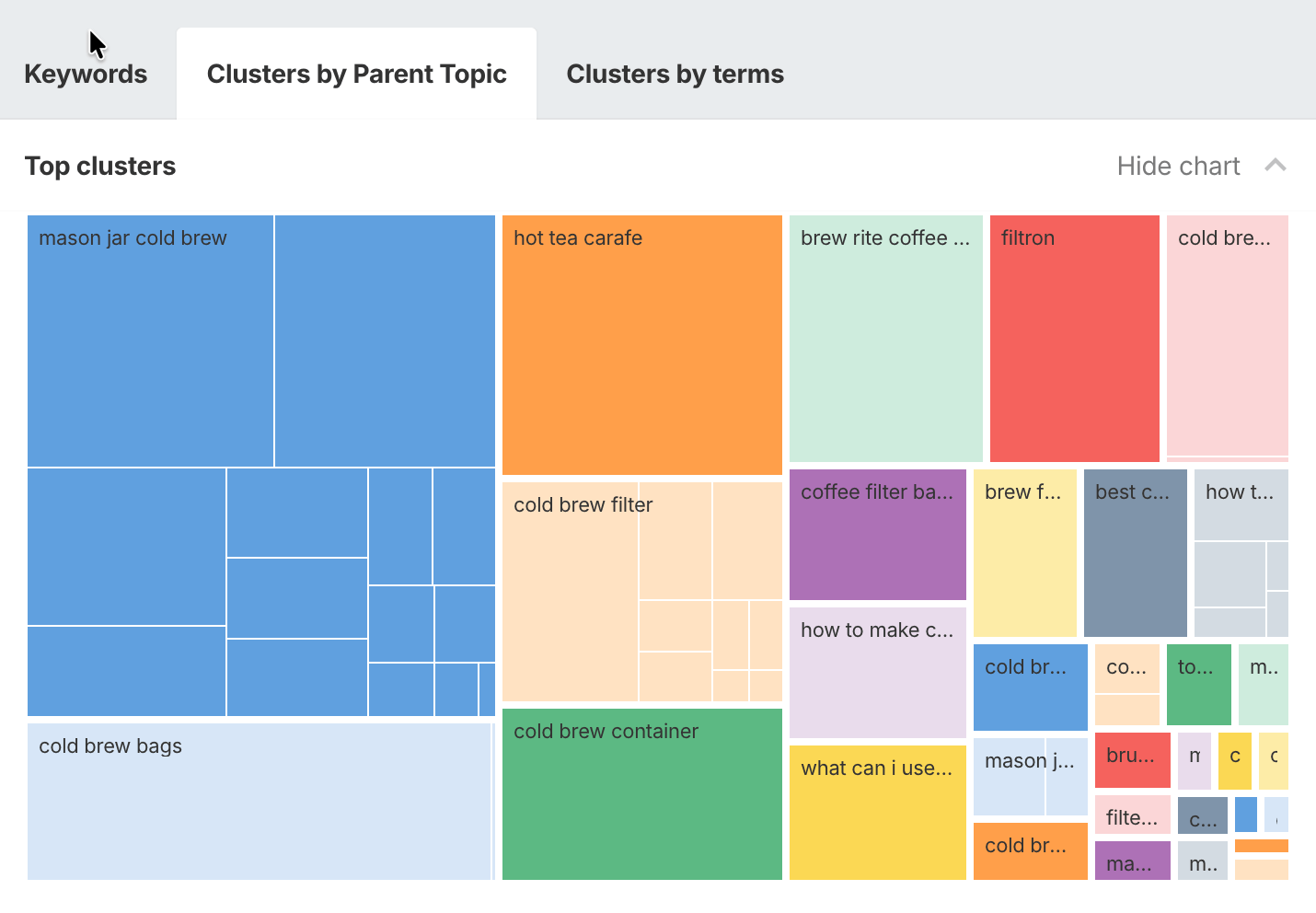
In conclusion, a focus keyword is the guiding principle for on-page SEO, dictating content creation and optimization. By understanding its definition, selecting wisely based on data and SERP analysis, placing it strategically, and tracking performance diligently, website owners can effectively target the right audience and achieve sustainable search engine visibility.