 11
11 1
1 2
2 3
3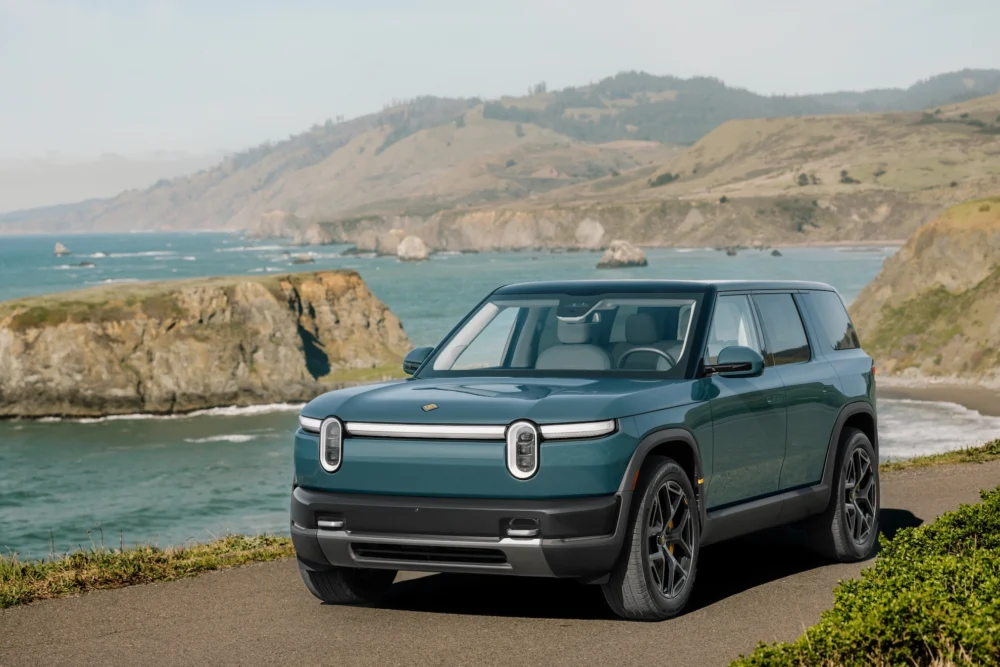
Two years after first teasing its vision for an affordable, next-generation electric vehicle, Rivian has finally lifted the veil on the full spectrum of pricing, colors, and performance specifications for its eagerly anticipated R2 SUV. The reveal, while long-awaited, presents a multi-layered strategy that, like many new car releases in the evolving EV landscape, proves to be intricate and multifaceted. Rivian’s ambitious bid to introduce a more accessible EV to a broader market segment will see the R2 priced between $45,000 and $57,990, with these figures fluctuating based on chosen performance tiers, interior enhancements, and exterior finishes. This staggered introduction and varied pricing reflect a strategic balancing act by the automaker, aiming to capture different consumer segments while navigating the challenging path to profitability.
Rivian’s rollout plan for the R2 mid-sized SUV is deliberately phased, beginning with its most premium offering before progressively introducing more economical variants. The very first R2 model slated for consumer availability this spring is the R2 Performance with the Launch Package trim, positioned at the upper end of the price spectrum with a starting price of $57,990. This high-performance variant boasts an all-wheel-drive (AWD) dual-motor configuration, delivering an impressive EPA-estimated range of up to 330 miles. As the "Launch Package" suggests, this initial offering is likely a limited edition designed to reward early adopters with a fully-equipped, top-tier experience. Rivian has indicated that it will eventually transition from the "launch edition" label to simply a "performance trim," though specific pricing details for this subsequent non-launch performance model have yet to be disclosed.
Following the initial high-performance launch, Rivian plans to commence production and deliveries of a premium version of the R2 in late 2026. This model, also a dual-motor AWD SUV, will offer a slightly toned-down performance profile compared to the launch edition but will maintain the respectable 330-mile range. Priced starting at $53,990, this premium trim aims to offer a robust balance of capability and features for a discerning market segment.
The automaker’s strategy then shifts towards broader market accessibility with the introduction of two different standard versions of the R2, primarily differentiated by their battery ranges. The "long range" standard R2 is projected to enter production in early 2027, offering an even greater estimated range of 345 miles and a starting price of $48,490. This model represents a significant step towards a more budget-conscious consumer base, positioning the R2 just below the critical $50,000 threshold. The most affordable variant, a standard R2 with an estimated range of 275 miles and a projected starting price of $45,000, is slated for production sometime in late 2027. However, Rivian has acknowledged that the ultimate production of this entry-level $45,000 version remains somewhat uncertain, highly dependent on the market reception and success of its more expensive predecessors. This cautious approach underscores the inherent risks and complexities of bringing a truly mass-market EV to fruition while balancing production costs and consumer demand.

A cornerstone of the R2’s appeal across all its trims is the underlying technology and platform. Every R2 variant is built upon Rivian’s brand-new mid-sized platform, a crucial development designed to optimize manufacturing efficiency and cost control compared to its larger R1 siblings. This new architecture underpins the vehicle’s structural integrity, packaging efficiency, and dynamic performance. Complementing this platform are motors that are developed and manufactured entirely in-house by Rivian. This vertical integration is a significant strategic advantage, allowing the company greater control over performance characteristics, supply chain stability, and cost reduction, which are vital for achieving profitability in the competitive EV market.
Powering all R2 trims is a standardized 87.9 kilowatt-hour battery pack. This consistent battery capacity across the range simplifies production and inventory management while offering a robust foundation for varied performance and range outputs. A particularly noteworthy feature across all R2 models is the inclusion of a native North American Charging Standard (NACS) port. This decision positions Rivian at the forefront of the industry’s shift towards Tesla’s charging standard, promising enhanced convenience and broader access to charging infrastructure for R2 owners as the NACS network continues to expand rapidly. This move also simplifies the charging experience, eliminating the need for adapters that many other EV manufacturers currently require for Tesla Supercharger access.
While the core platform and battery remain consistent, the performance metrics diverge significantly across the various R2 trims, allowing consumers to choose a vehicle tailored to their driving preferences. The R2 Performance with Launch Package, as the name suggests, is the most powerful and agile. Its dual-motor all-wheel-drive system unleashes a formidable 656 horsepower and 609 pound-feet of torque, propelling the SUV from 0 to 60 miles per hour in a blistering 3.6 seconds. This level of acceleration, while perhaps exceeding the practical needs of a typical mid-sized SUV driver, underscores Rivian’s commitment to delivering exhilarating performance even in its more mainstream offerings.
Stepping down slightly, the R2 Premium trim, still a dual-motor AWD configuration, produces a substantial 450 horsepower and 537 lb-ft of torque. This results in a still-impressive 0-60 mph acceleration time of 4.6 seconds, offering a robust and responsive driving experience without the extreme edge of the performance variant. Finally, the standard long-range version adopts a rear-wheel-drive configuration, producing 350 horsepower and 355 lb-ft of torque. While its 0-60 mph time of 5.9 seconds is slower than its AWD counterparts, this variant compensates with its longest estimated range of 345 miles, prioritizing efficiency and distance over raw acceleration. Rivian has not yet released the specific performance specifications for the most affordable $45,000 R2 variant.
Beyond performance, Rivian is offering a comprehensive suite of features and customization options, particularly for its higher-tier R2 models. All R2 EVs come standard in a sophisticated new color called Esker Silver. However, buyers seeking more personalization can opt for a range of alternative paint colors, including the exclusive "Launch Green" for the launch edition, a vibrant metallic blue dubbed Catalina Cove, and a sleek metallic grey called Half Moon Grey. Rivian will also make its existing palette of colors available, allowing customers to truly individualize their vehicle.

The interior experience is also thoughtfully curated, with the more expensive performance launch edition and premium models receiving a host of "extra items" as standard. These include a premium 9-speaker audio system complemented by two mid-woofers for rich sound, heated and ventilated front seats for year-round comfort, heated rear outboard seats for passenger warmth, and a heated steering wheel. Furthermore, these trims boast 12-way adjustable seats, allowing for optimal driving positions. Both the performance launch and premium models will also feature a new interior design accented with elegant birch wood, adding a touch of natural sophistication. A nostalgic nod to Rivian’s flagship R1 truck and SUV, these premium R2s will also include a torch flashlight cleverly integrated into the driver’s door, a signature "fun surprise" for owners.
In terms of safety and driver assistance, every new R2 will come equipped with standard advanced driver assistance features, encompassing a baseline of modern safety technologies expected in contemporary vehicles. For those desiring an elevated level of automated driving, Rivian offers "Rivian Autonomy+." This optional package provides hands-free driving capabilities on specific highways and is available as a one-time purchase of $2,500 or through a monthly subscription of $49.99. Notably, this advanced autonomy feature is included as standard for customers who opt for the performance launch edition, further enhancing its value proposition.
The Rivian R2 SUV represents an existential vehicle for the automaker. Its success is critical for Rivian’s long-term viability and its ambitious goal of achieving profitability. The company has set considerably high sales targets for this vehicle, emphasizing the pressure on the R2 to be compelling enough to attract a wide consumer base without alienating potential buyers with an prohibitive price tag. Crucially, the R2 must also prove to be significantly cheaper to build than Rivian’s larger, luxury-focused R1 models to pave the way for sustainable financial health.
Rivian’s "sweet spot" for the R2, as evidenced by its initial pricing strategy, largely hovers above the $50,000 mark. Whether this aligns with the sweet spot for the broader consumer market, however, remains a key question. According to data from Kelly Blue Book, the average new car buyer paid $49,191 in January. This places the R2’s initial offerings slightly above that national average, and critically, before any additional bells and whistles or optional upgrades are factored into a buyer’s configuration. This positioning highlights the challenge Rivian faces in balancing its premium brand identity with the need for mass-market appeal. With plenty of opportunities for buyers to add upgrades and personalize their R2, the final transaction price for many customers is likely to push further past the average, making the initial sticker price a starting point rather than an endpoint. The success of the R2 will ultimately depend on Rivian’s ability to convince consumers that its unique blend of performance, technology, design, and brand ethos justifies its premium over the average new vehicle price.