11

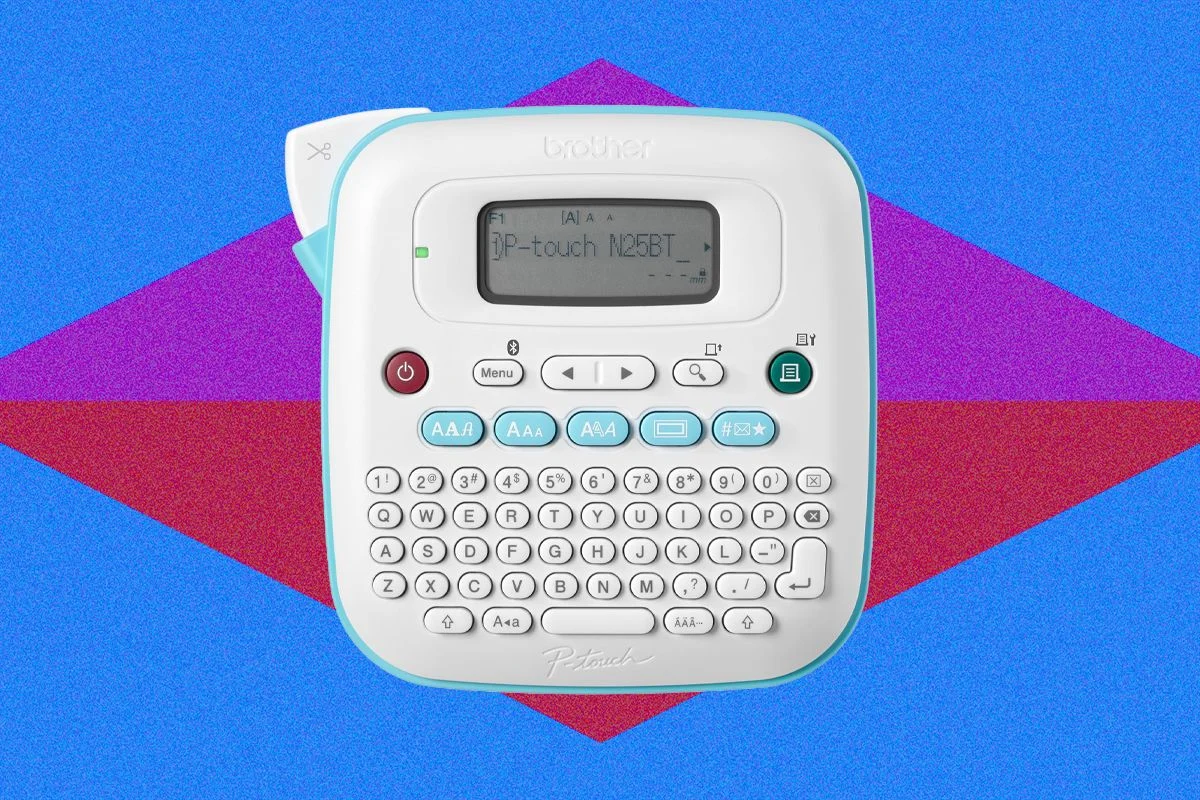
The pursuit of order within one’s living space often yields a profound sense of satisfaction, a feeling particularly amplified by the precision of a perfectly labeled spice rack or a pantry meticulously arranged with bins clearly indicating their contents. Even when the "pasta" bin undeniably holds boxes of dried penne, the act of labeling provides an invaluable layer of organization and clarity. This methodical application of a label maker to the most often-cluttered corners of a home serves not merely as a tidying exercise but as a conduit to an external sense of order that frequently translates into internal tranquility.
The intrinsic link between physical environment and psychological well-being is well-documented. A cluttered space can contribute to mental clutter, increasing stress levels, diminishing focus, and creating a subconscious burden. Conversely, an organized environment, where items have designated places and are easily identifiable, can foster a sense of control, reduce decision fatigue, and promote a more peaceful state of mind. The visual cues provided by clear labels are instrumental in maintaining such order, simplifying daily routines, and reducing the time spent searching for misplaced items. This foundational principle underscores the growing utility and appeal of home label makers in contemporary households.
Recognizing the burgeoning interest in practical home organization solutions, a comprehensive evaluation of leading home label makers was undertaken. The objective was to assess their usability, performance, and overall effectiveness in various domestic applications. This research involved identifying prominent models available in the market, considering factors such as brand reputation, user reviews, feature sets, and price accessibility, to select a representative sample for hands-on testing. The subsequent testing phase focused on critical aspects: the intuitiveness of each device’s operation and the adhesive quality and durability of its labels across a range of common household surfaces.
The criteria for evaluating intuitiveness were multifaceted. Testers assessed the ease of initial setup, the clarity of the user interface, the ergonomic design of the keyboard (whether QWERTY or ABC), and the simplicity of text input and editing functions. Key considerations included the readability of the display screen, the straightforwardness of tape loading and replacement, and the availability of features such as font styles, sizes, symbols, and frame options. A truly intuitive label maker allows users to create professional-looking labels quickly and efficiently, minimizing the learning curve and maximizing the satisfaction derived from the organizing process.
Label adhesion, a paramount factor for long-term organizational success, was rigorously tested across diverse and challenging surfaces typically found in a family home. The chosen test subjects—kids’ dresser drawers, toy bins, water bottles, and lunchboxes—represent a spectrum of materials and environmental conditions. Dresser drawers, often made of wood or laminated particle board, present a relatively stable surface but can be subject to friction and occasional moisture. Toy bins, typically constructed from various plastics, endure frequent handling, knocks, and sometimes rough treatment. Water bottles, made of plastic or metal, are routinely exposed to condensation, washing, and changes in temperature. Lunchboxes, similarly, face daily washing, temperature fluctuations, and constant handling, making them a stringent test for label durability and resistance to peeling or fading. These tests were designed to simulate real-world usage, ensuring that the recommended devices could withstand the rigors of an active household. The longevity of a label’s adhesion is crucial; a label that peels or fades quickly negates the organizational effort, turning a solution into a new source of frustration.
Beyond the specific items targeted in the tests, modern home label makers offer an expansive range of applications that can revolutionize household management. In the home office, they can bring order to file folders, document storage boxes, stationery, and even complex cable management systems, reducing visual clutter and improving efficiency. Garages and workshops benefit immensely from clearly labeled storage bins for tools, hardware, and seasonal items, making retrieval effortless. Craft rooms, often overflowing with small components and materials, become more manageable with labels categorizing fabrics, threads, beads, and art supplies. In the laundry room, labels can distinguish between various detergents, cleaning agents, and storage containers, promoting safety and ease of use. Seasonal decor, often stored away for months, can be easily identified when boxes are clearly marked. The versatility of label makers extends to pantry items, freezer contents, bathroom toiletries, and even outdoor equipment, ensuring that every item has a place and can be found without hassle.
The market for home label makers presents a variety of options, each with distinct features catering to different user needs. Entry-level models are typically handheld, battery-operated, and offer basic text input with a limited selection of fonts and symbols. Mid-range devices often provide larger displays, more extensive font and symbol libraries, and sometimes the ability to print multiple lines or frames. Advanced models may feature QWERTY keyboards, rechargeable batteries, PC connectivity for custom label design via software, or even Bluetooth connectivity for smartphone app integration. The type of tape compatible with the machine is also a significant consideration; options include standard paper labels, laminated labels for enhanced durability against water and abrasion, flexible labels for cables, and even iron-on fabric labels for clothing. The cost and availability of these consumable tapes are important long-term factors for consumers to consider.
One observation frequently noted by users is the surprisingly "addictive" nature of household organizing once a label printer is introduced. This phenomenon can be attributed to several psychological factors. The immediate visual gratification of transforming a chaotic space into an orderly one provides a powerful sense of accomplishment. Each successfully labeled item reinforces a positive feedback loop, motivating individuals to seek out new areas for organization. The reduction in daily friction—no longer searching for spices, toys, or specific files—contributes to a calmer living environment, which in turn encourages further organizational endeavors. The act of labeling itself, with its structured, precise nature, can be therapeutic, offering a tangible means to exert control over one’s surroundings. This cycle of organization, immediate reward, and sustained benefit often leads individuals to embrace labeling as an integral part of their home management routine, creating joy-inducing clean spaces.
For those contemplating the acquisition of a home label maker, several recommendations emerge from the testing process. Prioritize devices that balance user-friendliness with robust label adhesion, particularly if labels are intended for high-use items or environments subject to moisture. Consider the range of label tape options available for the chosen model, ensuring compatibility with various materials and desired levels of durability. Evaluate the overall cost of ownership, factoring in the price of replacement tapes, which can vary significantly between brands. Ultimately, the best machine is one that aligns with an individual’s specific organizational needs, frequency of use, and budget, providing a reliable tool for maintaining order and enhancing daily life.
In conclusion, the simple act of labeling, facilitated by a reliable home label maker, transcends mere aesthetics. It is a powerful tool for streamlining household operations, reducing mental burden, and fostering a sense of peace and control within the home. The systematic evaluation of these devices underscores their potential to transform clutter-laden corners into functional, visually appealing, and easily maintained spaces.
For readers seeking further recommendations to enhance their home life, WIRED offers comprehensive guides on a range of essential products, including the best Cordless Vacuums, ergonomic Office Chairs, and top-performing Coffee Makers. To ensure continued access to insightful content from WIRED, readers are encouraged to add the publication as a preferred source on Google.