 11

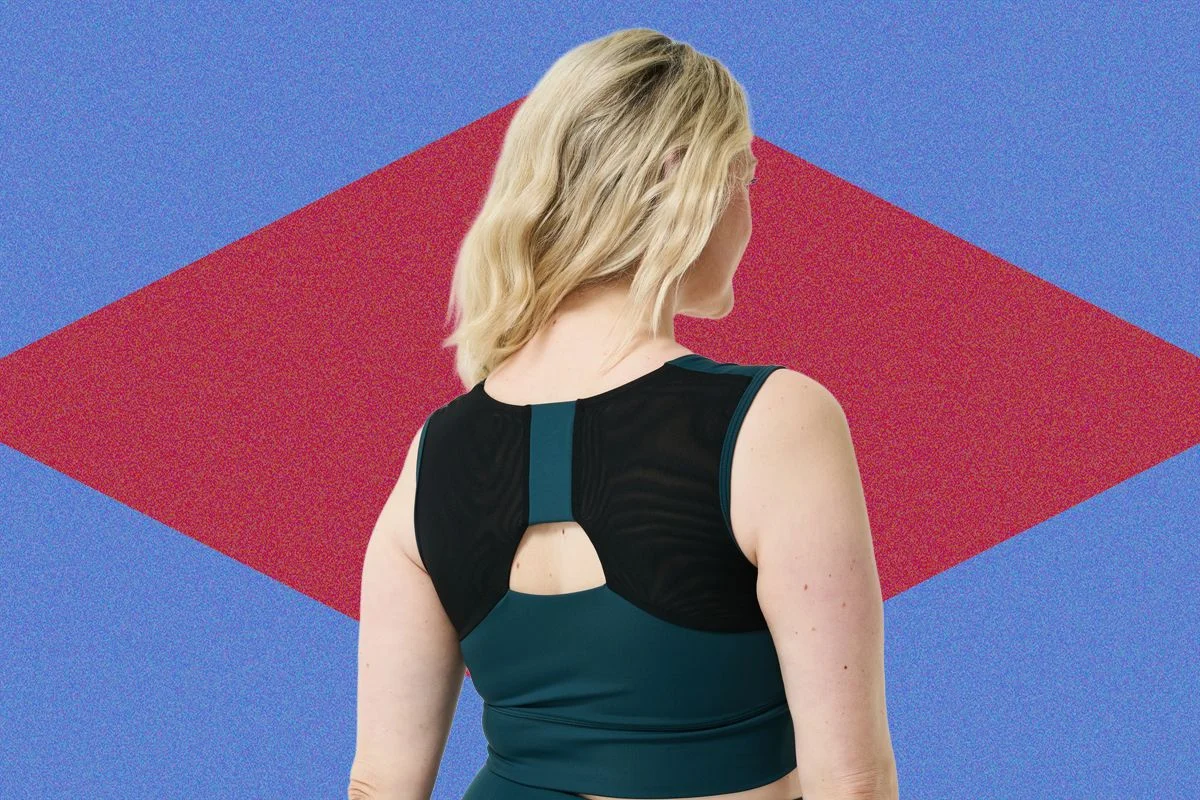
After nearly two years of comprehensive testing and experimentation, involving daily wear and even a few accidental naps (though sleeping in them is not recommended), one fundamental truth has emerged regarding posture correctors: consistency is paramount. These devices are not a miraculous solution to long-standing postural issues, and a significant transformation will not occur overnight. However, when chosen correctly and used diligently, the appropriate posture corrector can effectively train individuals to sit taller, stand straighter, and cultivate the kind of muscle memory that endures, even after the device has been removed.
The most effective posture correctors do not force the body into an unnatural or uncomfortable position. Instead, their primary function is to serve as gentle, constant reminders, prompting the user to adopt more mindful sitting and standing habits. This approach fosters a gradual, sustainable improvement in posture. Alongside dedicated posture-correcting devices, a holistic approach to wellness often includes ergonomic adjustments to one’s environment. For those serious about improving their posture and overall well-being, exploring resources on the Best Laptop Stands, Best Walking Pads, and comprehensive guides for Your Yoga Practice can provide valuable supplementary support.
This report reflects the latest insights, having been updated in August 2026. Recommendations have been refined, product information has been thoroughly reviewed, and the Frequently Asked Questions section has been expanded to offer deeper clarity. All prices and links have been verified, and any discontinued products have been removed to ensure the information remains current and relevant.
How Posture Correctors Are Tested

To ensure the integrity and practical utility of these recommendations, each posture corrector undergoes rigorous, real-world testing. Devices are worn through the full spectrum of daily life routines, encompassing extended periods at a desk, running errands, and even during workouts. This testing spans both short durations and prolonged periods over several months, providing a comprehensive understanding of each product’s performance and comfort.
The evaluation process focuses on several critical aspects:
Featured Posture Correctors
Based on extensive testing, two products stand out for their effectiveness in fostering lasting postural change:
Honorable Mentions: Expanding Your Options

Beyond the top picks, several other products offer notable benefits and cater to specific preferences or needs:
More Accessories to Complement Your Posture Journey
Improving posture extends beyond wearing a corrective device; it often involves optimizing your daily environment and incorporating supportive practices. Several accessories can significantly contribute to this holistic approach:
Frequently Asked Questions
What is proper posture?
Proper posture is essentially the correct alignment of your body’s segments, minimizing strain on muscles and ligaments. Your spine naturally features three distinct curves: the cervical spine (neck), the thoracic spine (mid-back), and the lumbar spine (lower back). Ideal alignment ensures that no additional, unnatural curvature is introduced to any of these sections. In practical terms, this means standing or sitting with your shoulders relaxed and pulled slightly back, your chest open, your head balanced directly over your spine (not jutting forward), and your core muscles gently engaged. Your feet should be flat on the ground when sitting, with knees and hips ideally at a 90-degree angle. This alignment distributes weight evenly, reduces stress on joints, and allows your organs to function optimally.

What causes poor posture?
Poor posture is often a byproduct of modern lifestyles and habits. As explained by the writers at The Natural Posture, habitually sitting with shoulders hunched forward causes the chest muscles to tighten, making it physically uncomfortable to sit or stand upright. However, bad posture isn’t solely about slouching. It can also stem from genetic predispositions, past injuries, or repetitive movements that create muscle imbalances. As physician Matthew Smith of the Northwestern University Feinberg School of Medicine aptly puts it, "A wrong posture is anything for too long." This highlights that prolonged static positions, even seemingly neutral ones, can contribute to poor alignment over time. We frequently slouch over digital screens, carry heavy bags predominantly on one shoulder, or habitually lean on one hip while standing. A poorly configured workstation often exacerbates postural issues, as does incorrect sitting form—for instance, tucking one leg under the other instead of keeping feet flat on the ground with knees and hips at a 90-degree angle. Over time, these ingrained habits throw the body out of its natural balance, leading to discomfort and potential long-term issues. Understanding how to set up your desk ergonomically for working or gaming is a crucial step in preventing these problems.
Do Posture Correctors Really Work?
Posture correctors are not a universal panacea for slouching or hunched backs. Instead, it’s more accurate to view them as gentle "wake-up calls" for muscles that have become lax due to poor habits, such as hunching over a laptop. These tools come in a myriad of shapes and designs, but the most effective ones target the muscle imbalances that accumulate from our daily routines. It’s crucial to understand that they are not designed to rigidly hold you in place; if a corrector does so, it’s a significant red flag. Overly stiff or restrictive correctors can actually be detrimental, weakening your intrinsic postural muscles by performing all the work for them.
Rather, posture correctors function more like "training wheels." They provide subtle guidance, nudging your body towards better alignment, and then allow your own muscles to take over and gradually strengthen. Dr. Smith likens it to a childhood memory: "I would compare it to when you were a kid, and your mom poked you to sit up straight at the dinner table." He emphasizes the ultimate goal: "The goal is not to wear this forever. The goal is to be able to change your posture on your own from here on out." They are tools to facilitate learning and muscle re-education, not lifelong crutches.
Are Posture Correctors Safe to Use Daily?
The answer to whether posture correctors are safe for daily use is "yes(ish)," but with an important caveat: not all day, and in most cases, you wouldn’t want to. Posture correctors are generally designed for short-term, intermittent use. Wearing one constantly throughout the day can be counterproductive, potentially weakening your core muscles and fostering an unhealthy reliance on an external support system. Dr. Smith advises, "I would only pop it on for a few minutes here and there as a reminder."
While some posture-correcting bras and certain wearable devices are engineered to be gentler and thus more suitable for longer periods, these are often exceptions to the rule. To ensure safety and maximize effectiveness, always refer to the specific product’s instructions for recommended wear times. Personal experience has shown them to be most beneficial in short bursts—for example, while seated at a desk or engaged in tasks like cooking dinner. As Dr. Smith succinctly puts it, "We’re just trying to remind ourselves to come back and fight against gravity," emphasizing their role as a reminder rather than a continuous support system.

Power up with unlimited access to WIRED. Get best-in-class reporting and exclusive subscriber content that’s too important to ignore. Subscribe Today.






