 11
11
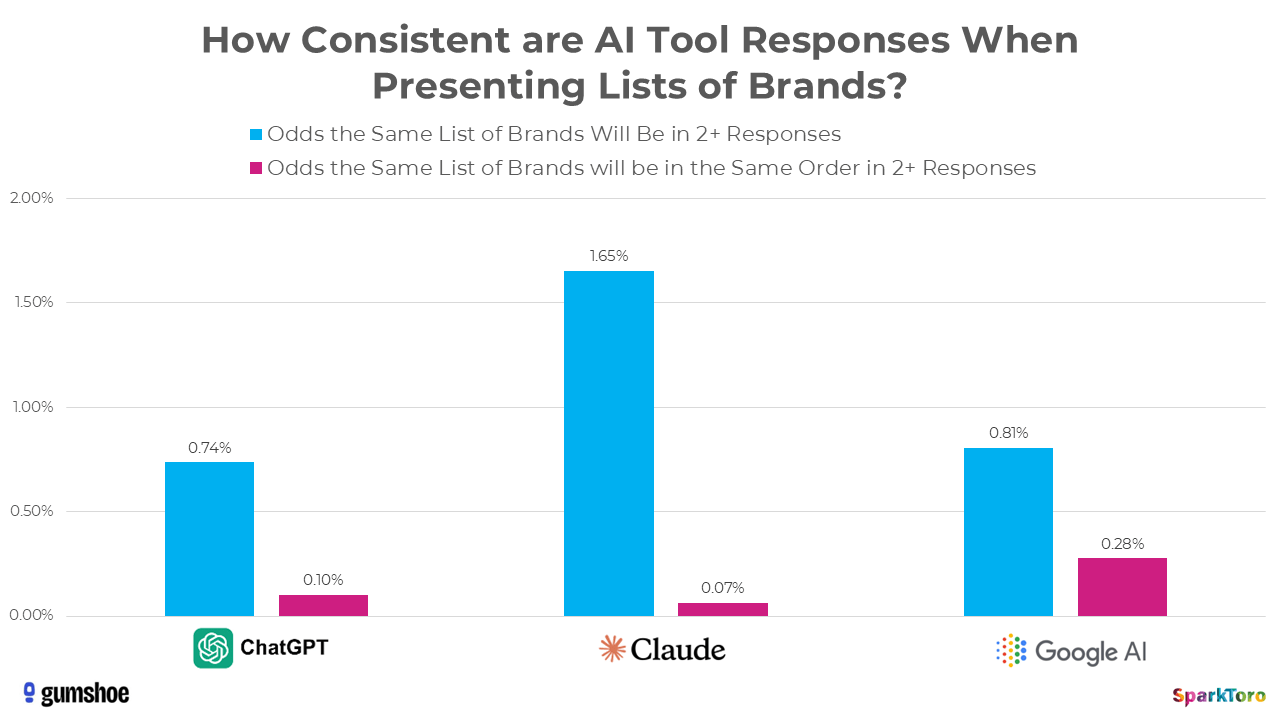
In an era where consumers increasingly turn to AI chatbots like ChatGPT for product recommendations and information, brands that fail to appear in these AI-generated responses risk becoming invisible. Unlike traditional search engines with clear ranking systems, ChatGPT’s responses are probabilistic, meaning brand mentions can fluctuate significantly between queries. Research from SparkToro indicates a less than 1 in 100 chance that ChatGPT will provide the same list of brands in two separate responses when asked 100 times. This inherent inconsistency means traditional SEO ranking strategies are not directly applicable to AI chatbots. However, brands can significantly increase their visibility by ensuring their brand is mentioned in relevant queries and that their pages are cited by the AI.
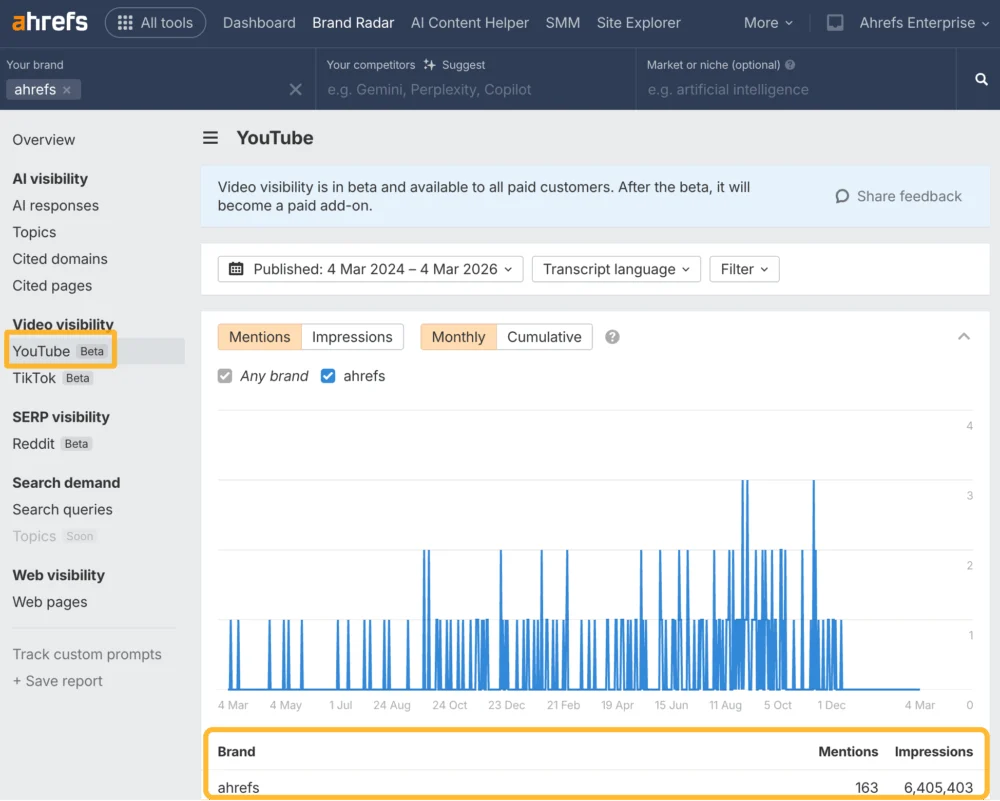
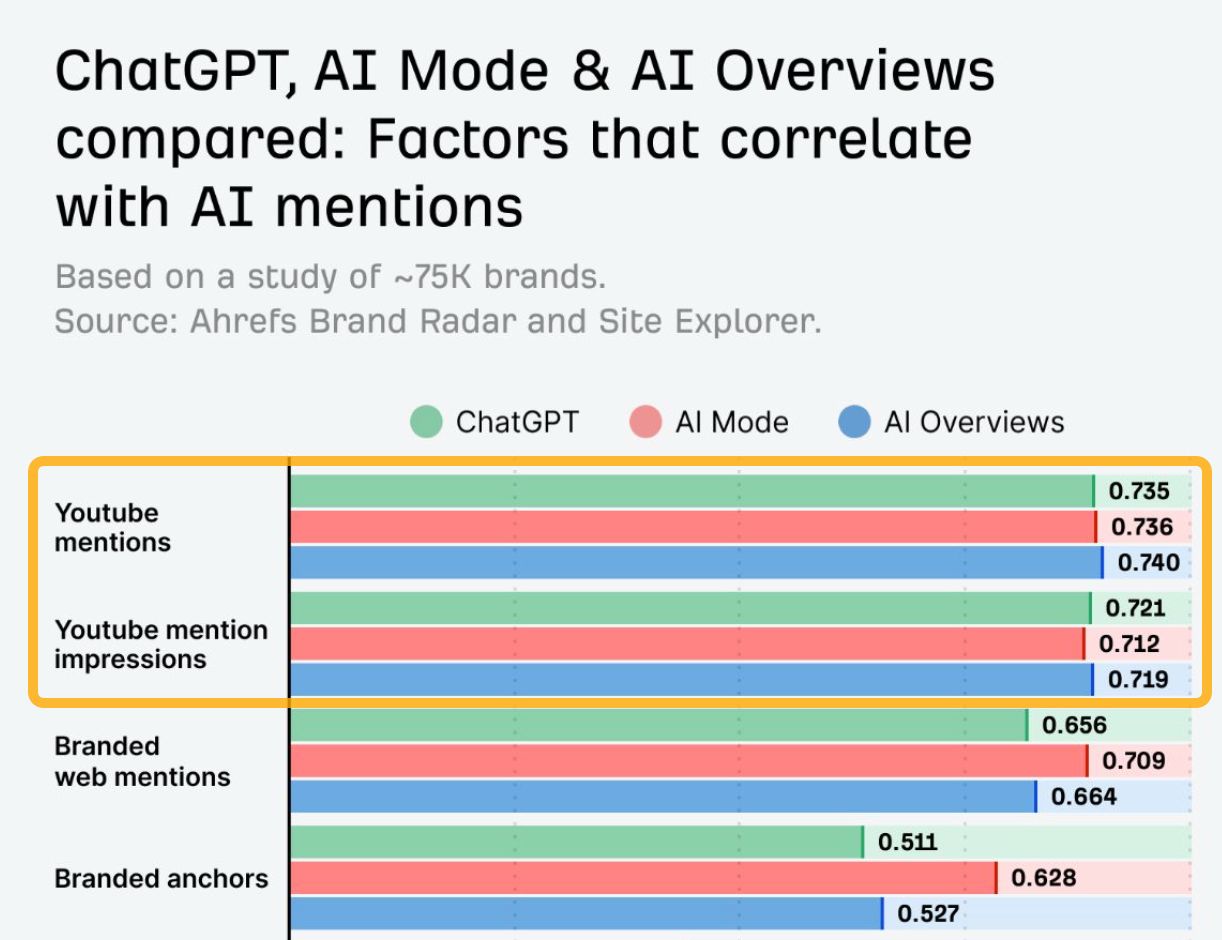
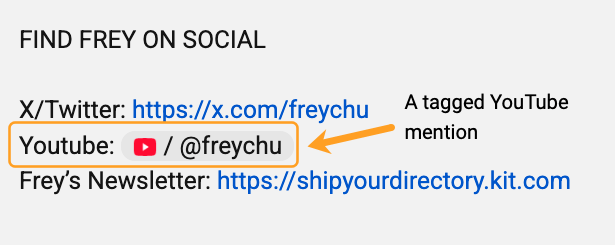
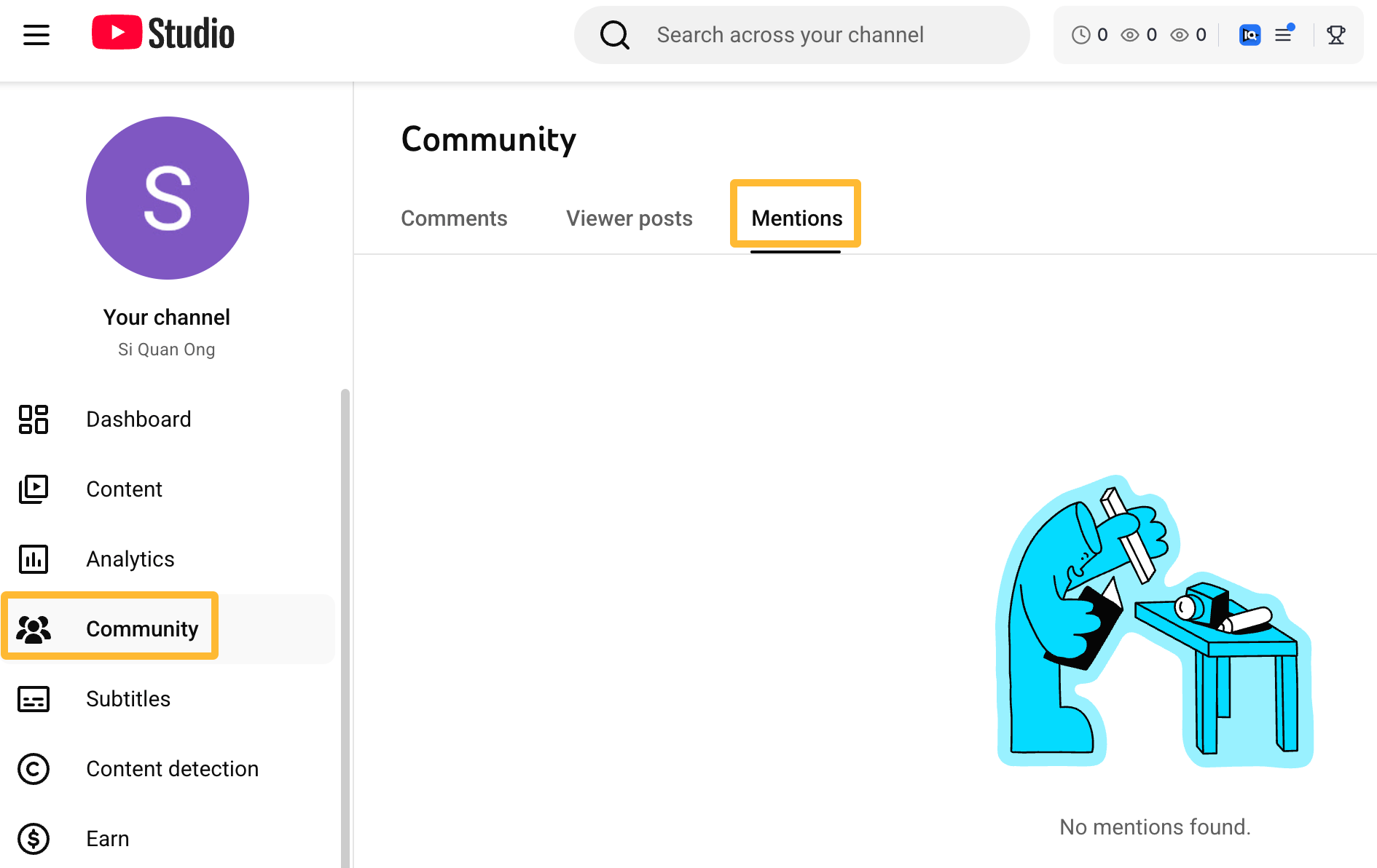
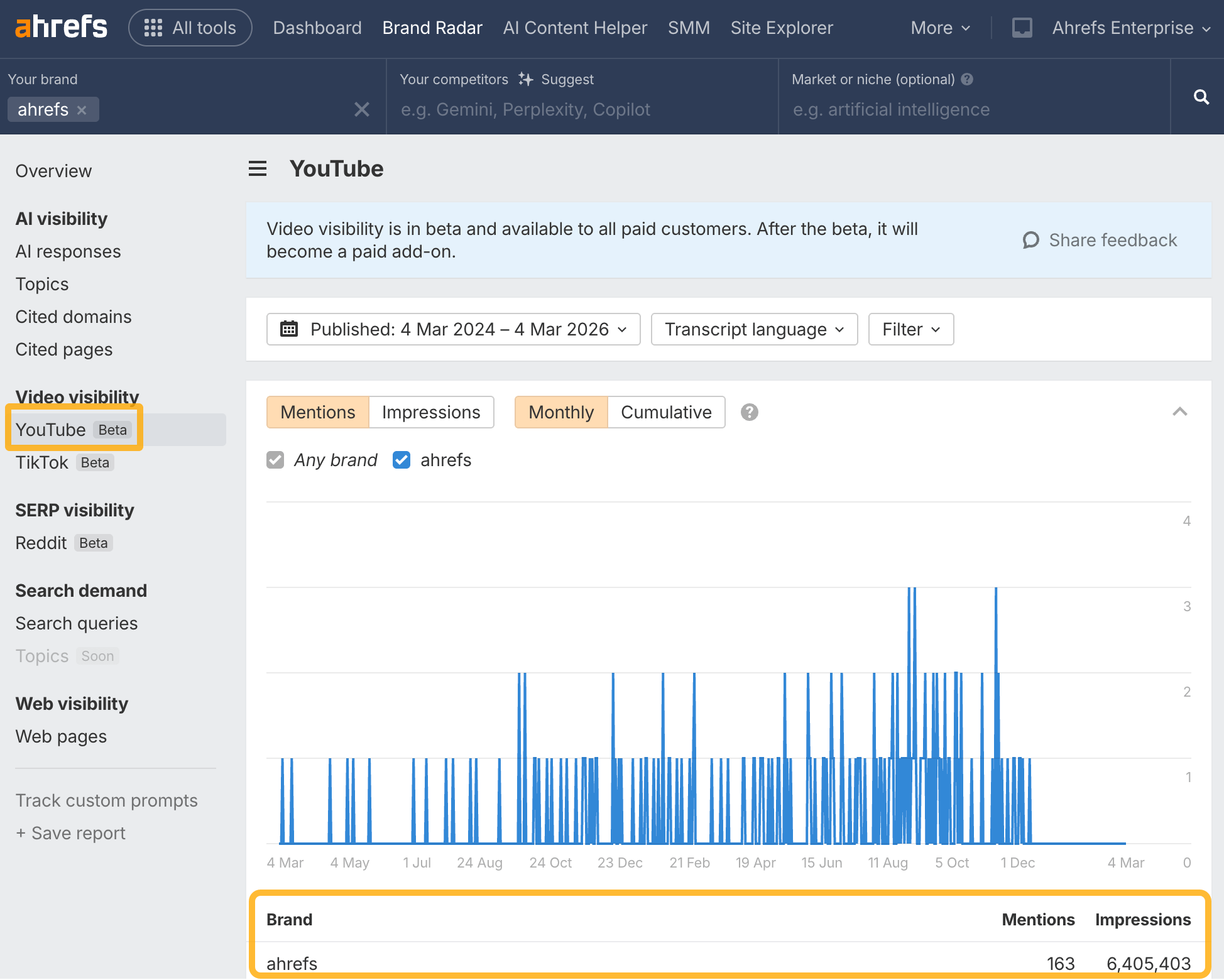
A comprehensive analysis of 75,000 brands, combined with a review of third-party studies, has identified key factors that influence brand mentions within ChatGPT. The findings reveal that optimizing a brand’s presence on YouTube is paramount, showing the strongest correlation with ChatGPT visibility. YouTube mentions and mention impressions outperformed all other factors in the study. This prominence is attributed to YouTube serving as a crucial training data source for Large Language Models (LLMs). OpenAI’s GPT-4, for instance, was reportedly trained on over a million hours of YouTube transcriptions. When brands are mentioned in YouTube videos, these mentions become part of the corpus that ChatGPT learns from. Furthermore, LLMs cannot generate video content independently, making YouTube a preferred source when video is requested in a prompt. A YouTube mention encompasses any instance of a brand name appearing in a channel name, title, description, transcript, or link. Brands can track tagged mentions within YouTube Studio’s Community tab. For untagged mentions, tools like Ahrefs’ Brand Radar are necessary. To increase YouTube mentions, brands should actively publish content on their channels and consider sponsoring relevant YouTube creators. Tools like Brand Radar can help identify potential creators by filtering for those active in specific niches, such as the "AI marketing space." Partnerships can range from offering product reviews in exchange for mentions to paid sponsorships or guest appearances.
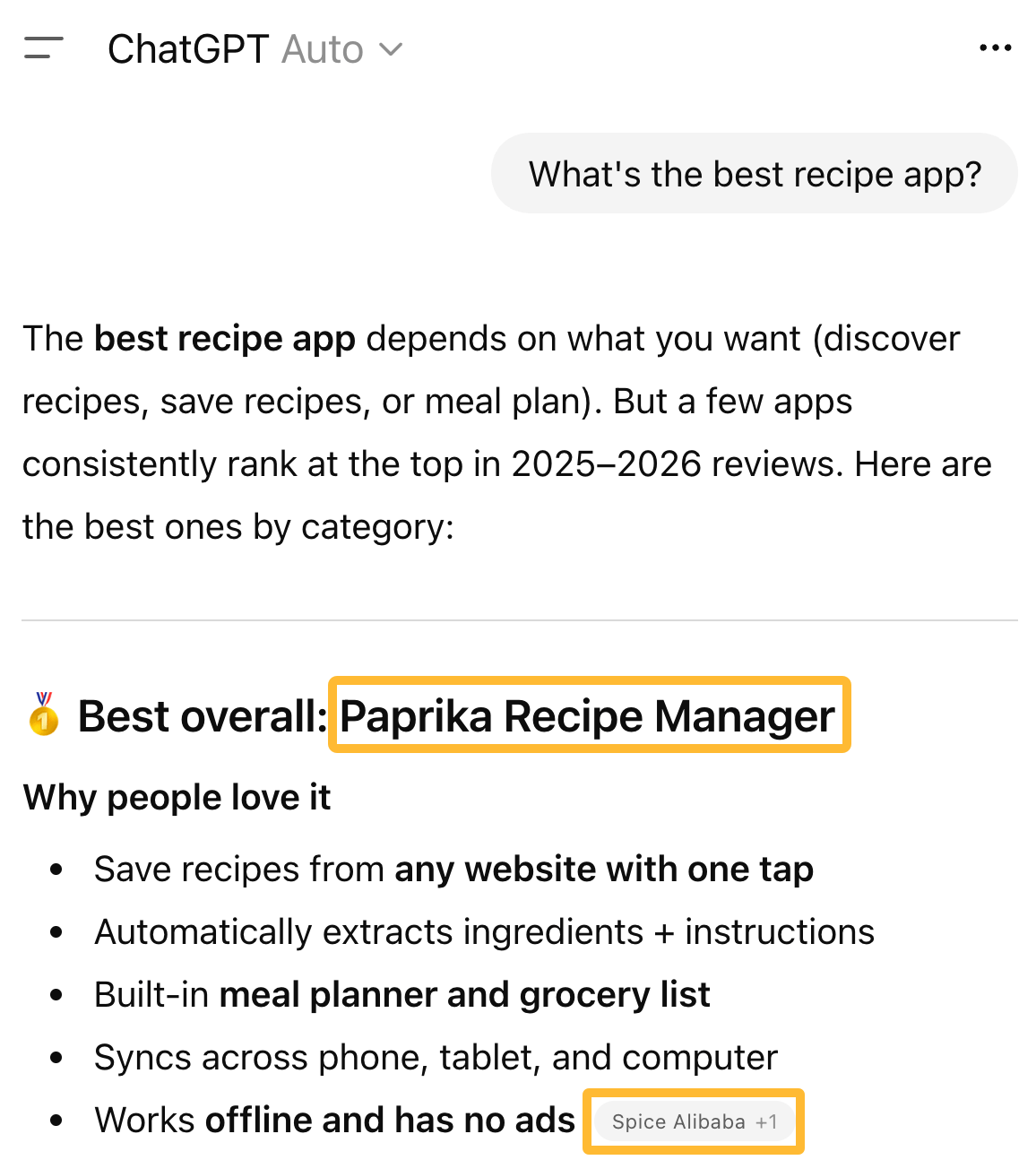
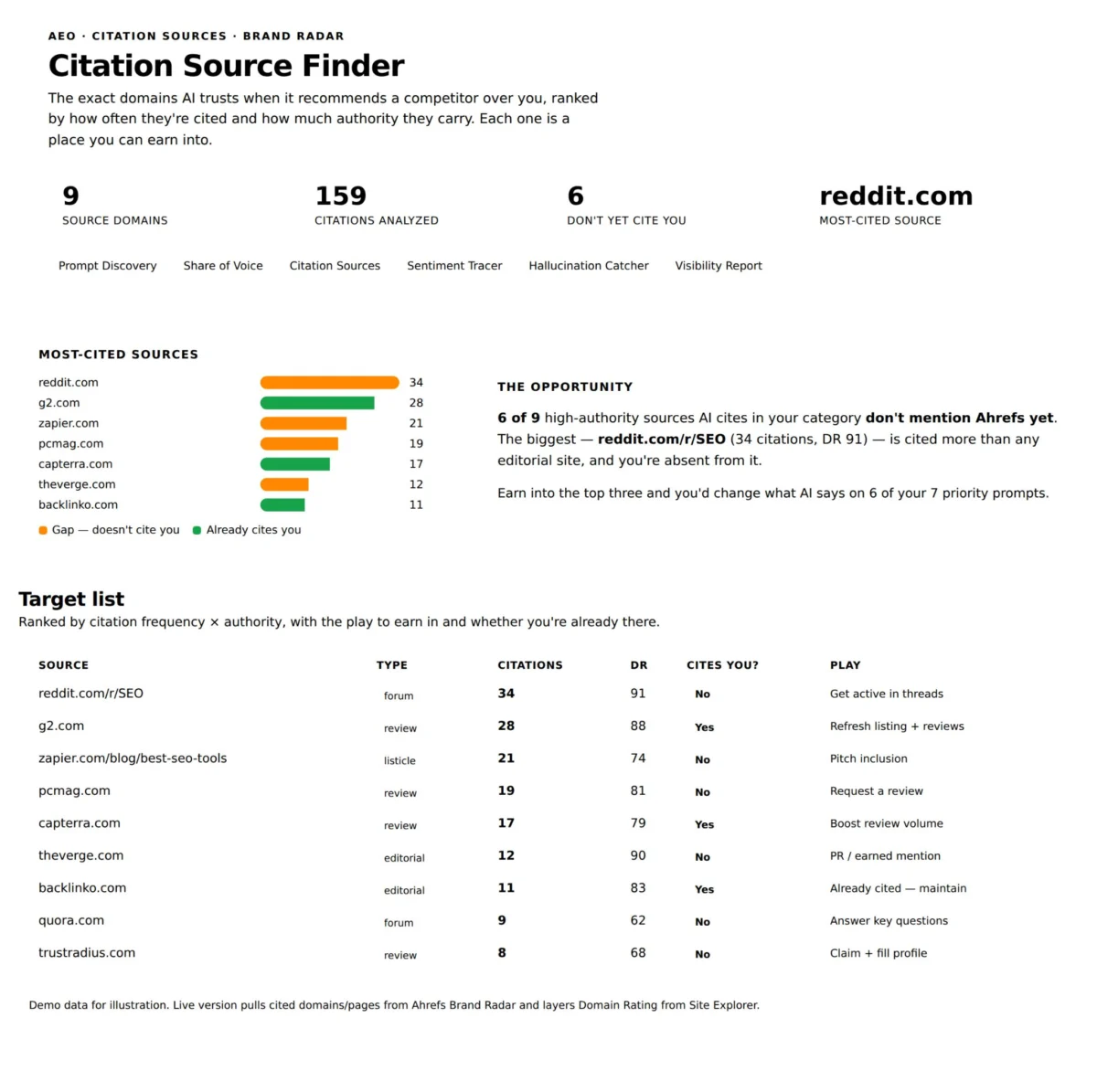
Beyond YouTube, branded web mentions across the internet also demonstrate a strong correlation with ChatGPT visibility. Unlike backlinks, these are instances where a brand name appears on a webpage, with or without a hyperlink. The logic is that LLMs seek consensus; when multiple reputable sources consistently mention a brand as a viable solution, the AI is more likely to reflect this consensus in its responses. Analysis of top sources cited by ChatGPT for brands like Ahrefs reveals a dominance of third-party sites. To proactively build these off-site mentions, brands should focus on appearing on sites that ChatGPT frequently cites. Brand Radar can identify these influential domains by analyzing cited domains within a specific industry.
Targeting "best of" lists strategically can also boost visibility. Research indicates that blog lists constitute a significant portion of ChatGPT citations for specific types of queries. However, a more effective approach than pitching for inclusion in existing lists is to collaborate with authoritative sites to create new "best of" content. This involves pitching content creation opportunities rather than directly asking for a brand mention, offering data or expertise to support the article. This strategy creates new citable content that ChatGPT may reference in the future. Identifying where brands are missing mentions is also crucial. By analyzing competitor mentions on relevant pages, brands can identify opportunities to be added to existing content. This involves using tools like Ahrefs’ Site Explorer to check for AI citations on pages that mention competitors but not the brand in question.
Authentic engagement on Reddit, ChatGPT’s most-cited domain, is also vital. Reddit discussions provide the conversational context and authentic user opinions that LLMs are trained on. However, overt marketing is strongly discouraged by the Reddit community. The most effective way to engage is by contributing genuinely to discussions, building reputation within relevant subreddits, and identifying specific threads that ChatGPT already cites. Beyond direct subreddits, thinking like a PR professional to find angles for broader appeal in larger communities can be highly effective. This requires identifying connections between a brand’s offering and the interests of diverse subreddits, even those not immediately obvious. For example, a fitness-related post could find an audience in a gaming subreddit if framed around the physical demands of long gaming sessions.
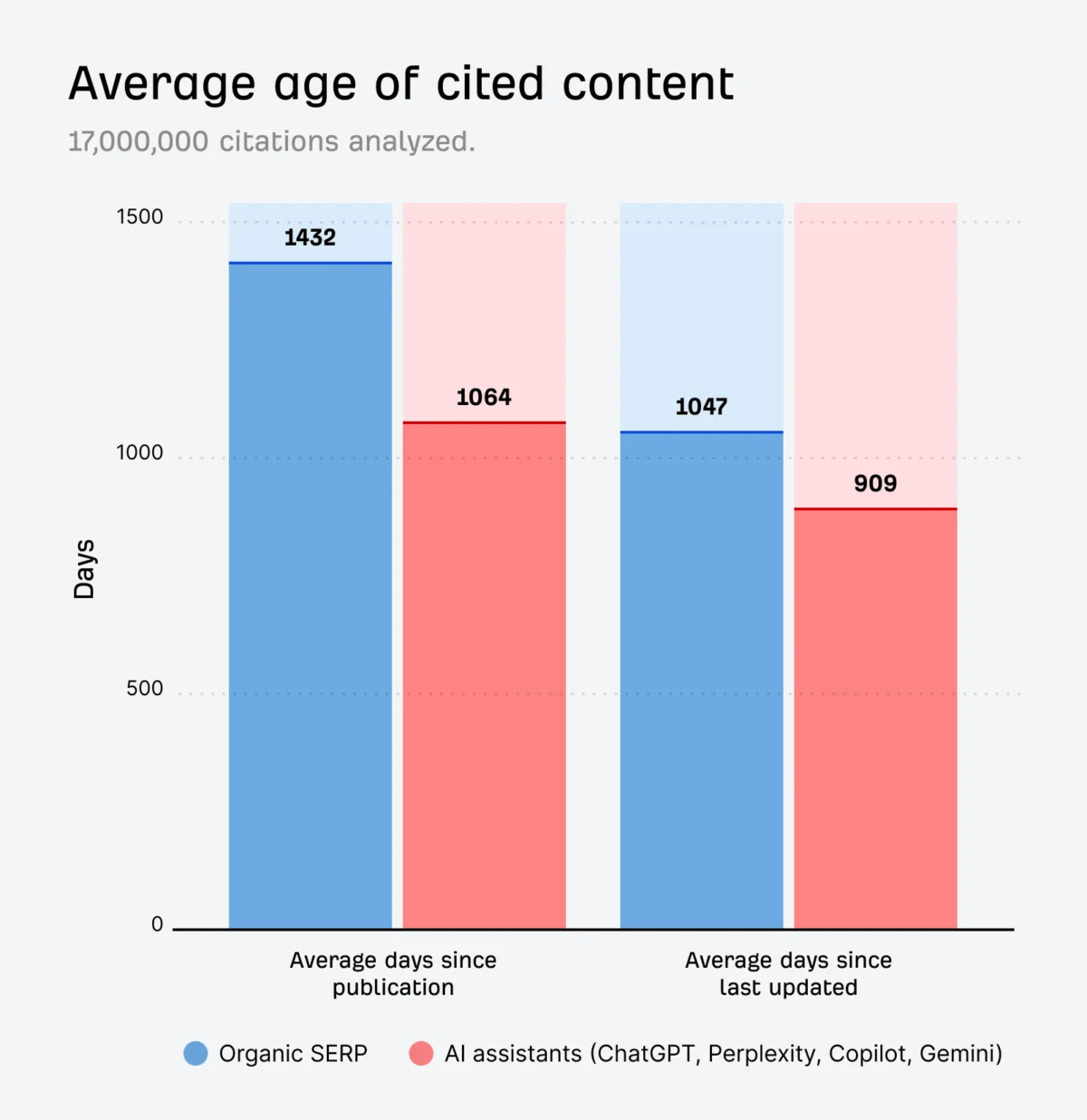
Structuring content for LLM extraction, rather than solely for human readers, is another key strategy. Recent research indicates that ChatGPT citations are heavily concentrated in the initial 30% of content, with the middle sentence of paragraphs being particularly influential. This suggests that crucial information should be placed prominently within the content. Furthermore, AI assistants show a preference for fresher content. A study found that AI assistants prefer content that is, on average, 25.7% newer than that cited by organic Google results, with ChatGPT exhibiting a strong preference for significantly newer URLs. This does not imply simply changing publish dates; substantive updates that add new information and value are essential. Faking freshness can erode trust.
Finally, ensuring technical accessibility is fundamental. Brands must verify that their websites are crawlable by AI bots. This involves checking robots.txt files for any directives blocking AI user agents like GPTBot or ChatGPT-User, and reviewing Cloudflare settings, which may have default features that block AI training bots. If content is not directly accessible for AI training, models will rely on third-party sources, diminishing a brand’s control over its narrative within the AI’s knowledge base. In conclusion, visibility in ChatGPT is not a matter of random chance or solely traditional SEO authority. It hinges on being actively discussed across platforms like YouTube and Reddit, producing fresh, cite-worthy content, and ensuring technical accessibility. This approach aims to increase brand mentions on platforms ChatGPT favors, thereby enhancing overall AI visibility.