 11
11
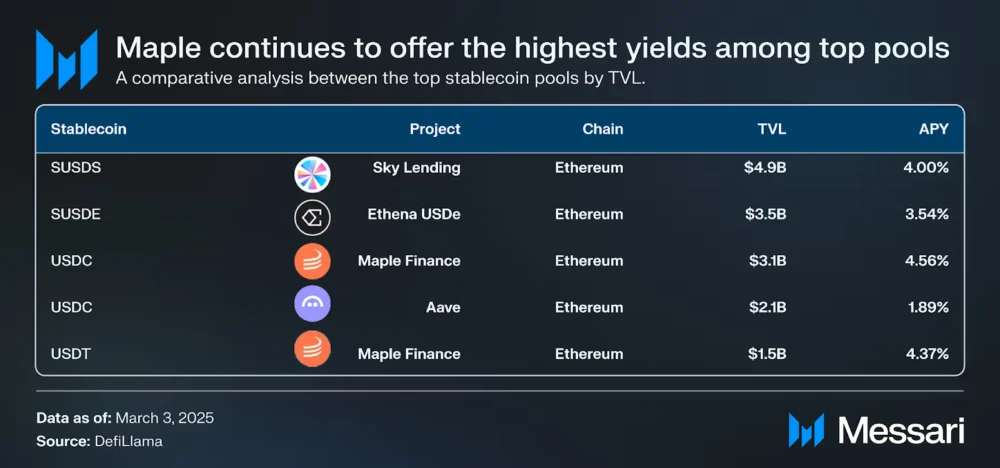
Weekly net stablecoin inflows experienced a dramatic resurgence last week, climbing by an impressive 414.5% to reach $1.7 billion. This significant rebound in stablecoin adoption coincides with a notable uptick in on-chain activity, even as U.S. lawmakers and banking industry groups continue to engage in a heated debate over the permissibility of third parties offering yield on stablecoins. This dynamic landscape was detailed in a recent report published by Messari, a prominent cryptocurrency analytics firm.
The acceleration of weekly net stablecoin inflows, as reported on Wednesday, signifies a marked shift from earlier trends. This surge not only reversed a period of net outflows but also pushed the 30-day average into positive territory, averaging $162.5 million in daily inflows. Accompanying this growth in stablecoin demand, transaction volumes across the network saw a healthy increase of 6.3%. However, the average transaction size continued its downward trend. Messari attributes these developments to renewed demand for stablecoin issuance and a perceived strengthening of on-chain activity, particularly among retail investors. Stablecoin inflows are calculated as the net accumulation of new stablecoins entering circulation after accounting for any redemptions.
This recent surge stands in stark contrast to the preceding weeks. Messari data from two weeks prior indicated weekly inflows of only $249 million, and the 30-day period leading up to February 18th saw substantial net outflows totaling $4.4 billion. The current recovery suggests a renewed confidence and engagement with stablecoins within the broader cryptocurrency ecosystem.

The timing of this stablecoin recovery is particularly noteworthy given the intensifying regulatory scrutiny surrounding "yield-bearing" stablecoins in Washington D.C. The banking sector has voiced significant concerns, arguing that allowing stablecoin issuers to offer yield could create a competitive disadvantage for traditional financial institutions. Specifically, banking groups contend that such practices could incentivize a migration of deposits away from banks, thereby creating a "loophole" that undermines the stability of the existing banking system. Consequently, they have been actively lobbying lawmakers to impose restrictions on this practice as part of ongoing negotiations for a broader cryptocurrency market structure bill.
The legislative process has been directly impacted by this contentious issue. The Senate Banking Committee’s markup of a key piece of legislation, initially slated for mid-January, has been indefinitely postponed. This delay is a direct consequence of the unresolved disputes surrounding the regulation of stablecoin yield. The inability to reach a consensus on this specific aspect of stablecoin regulation has effectively stalled progress on the broader crypto market structure bill.
Adding another layer to the ongoing debate, former U.S. President Donald Trump recently voiced his criticism of the banking industry’s role in obstructing the Senate’s legislative efforts. In a post on the Truth Social platform on Tuesday, Trump directly accused banks of "threatening and undermining" the bill, labeling their actions as "unacceptable" and vowing to prevent such interference. This intervention highlights the high-profile nature of the stablecoin regulation debate and the divergent interests at play.
At the heart of the legislative discussions is the GENIUS Act, a proposed federal framework designed to govern stablecoin issuers. A key provision of this act explicitly prohibits stablecoin issuers from offering interest or yield solely for the act of holding a payment stablecoin. However, the legislation does allow for third-party platforms to continue offering rewards programs that are indirectly tied to users’ stablecoin balances. This distinction between direct issuer yield and third-party rewards is a critical element of the proposed regulatory approach.

In parallel, another significant piece of legislation, the Digital Asset Market Structure Clarity Act, commonly referred to as the CLARITY Act, is also making its way through Congress. This bill aims to establish a more comprehensive regulatory framework for digital assets in general, moving beyond the specific focus on stablecoins. The House of Representatives passed the CLARITY Act on July 17, 2025, and it is currently under consideration and debate in the Senate. The progression of both the GENIUS Act and the CLARITY Act underscores the growing legislative intent to bring greater clarity and structure to the rapidly evolving cryptocurrency market.
The renewed interest in stablecoins, as evidenced by the surge in inflows, suggests that market participants are adapting to the evolving regulatory landscape. While the debate over yield continues, the fundamental utility of stablecoins for facilitating on-chain transactions and providing a stable store of value remains strong. The increased on-chain activity indicates a growing use of stablecoins for trading, payments, and other decentralized finance (DeFi) applications.
The report from Messari, coupled with the ongoing legislative battles, paints a clear picture of a dynamic and critical juncture for stablecoins in the United States. The interplay between market demand, technological innovation, and regulatory oversight will undoubtedly shape the future trajectory of this important segment of the digital asset economy. As lawmakers grapple with defining the rules of engagement for stablecoins, the market’s response, with its fluctuating inflows and transaction volumes, provides real-time feedback on the effectiveness and impact of proposed regulations. The industry will be closely watching to see how these legislative efforts ultimately define the boundaries and opportunities within the stablecoin ecosystem.