 11
11
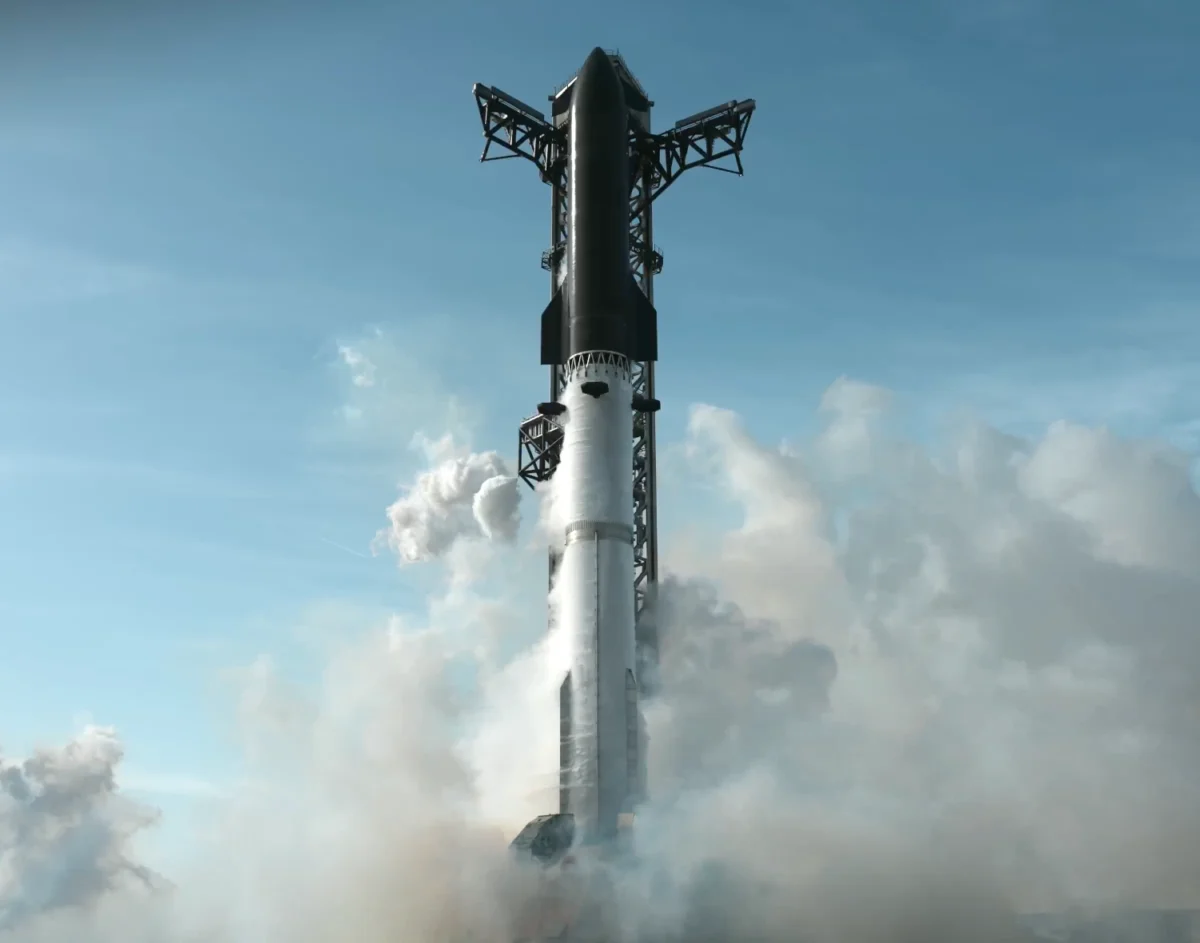
SpaceX abruptly aborted the second attempted launch of its upgraded Starship rocket system on Thursday, just moments after the booster ignited at the company’s sprawling complex in South Texas. The highly anticipated test flight, intended to advance the colossal rocket’s development and deploy next-generation Starlink satellites, was halted by an automated system following an issue with several of the powerful Raptor engines.
The dramatic abort occurred during the final seconds of the countdown, a critical phase where all systems are brought online for liftoff. SpaceX CEO Elon Musk quickly took to his social media platform, X, to confirm the reason behind the sudden shutdown. He stated, "Some of the engines didn’t start, triggering an automatic launch abort," adding that the company plans to replace two of the problematic engines. Musk further indicated that SpaceX would not attempt to launch Starship again until "next week," signaling a rapid turnaround if the identified issues are straightforward to address.
An automatic launch abort system is a crucial safety mechanism designed to prevent a launch if pre-set parameters are not met, such as insufficient engine thrust or critical system failures detected just before liftoff. In this instance, the system detected a failure in a subset of Starship’s Raptor engines, preventing what could have been a dangerous or unsuccessful flight. The abort sequence is designed to cut power to the engines and halt the countdown, protecting the vehicle, launchpad, and personnel. Following such an event, a complex and time-consuming process of detanking the propellants from both the Super Heavy booster and the Starship upper stage must be initiated before engineers can safely access the vehicle for inspection and repairs. This procedure alone can take several hours, underscoring the complexity of modern rocket operations.
Visuals from SpaceX’s live broadcast of the launch attempt appeared to corroborate Musk’s statement. As the countdown expired, the launchpad’s massive water deluge system, designed to suppress acoustic energy and heat, roared to life. Simultaneously, the Super Heavy booster stage visibly began to ignite its array of engines, unleashing a torrent of fire and smoke. However, this fiery spectacle was short-lived, as the entire system abruptly shut down. Graphics displayed on the broadcast suggested that four of the company’s new Raptor engines failed to fire upon ignition, a critical anomaly that would inevitably trigger an abort. The Raptor engines, known for their innovative full-flow staged combustion cycle, are central to Starship’s design, providing immense thrust while also being designed for reusability. Each Super Heavy booster is equipped with 33 Raptor engines, making even a partial failure a significant event for the complex launch sequence.
Beyond the immediate technical setback, the aborted launch carries significant implications for SpaceX, particularly concerning its commercial endeavors and recent financial performance. This was the company’s first Starship test launch attempt since its historic initial public offering (IPO) on June 12. The IPO, which was the largest in history, saw SpaceX raise more than $85 billion, briefly propelling its valuation to rival technology giants like Amazon and Microsoft. However, in the month following its public debut, SpaceX’s stock has experienced a steady decline.
The market’s reaction to the abort was swift and negative. On Thursday, SpaceX’s stock price closed below its IPO price of $135. In after-hours trading, following the news of the aborted launch, the stock sank more than 4%, reflecting investor anxiety over the technical challenges inherent in rocket development and the potential delays to Starship’s operational timeline. The financial performance of SpaceX, especially Starlink, is increasingly under scrutiny by public investors, making successful test flights critical for maintaining market confidence.
The mission objectives for Thursday’s attempt were ambitious, even for an experimental flight. SpaceX was hoping to launch its first batch of third-generation (V3) Starlink satellites into space. These advanced satellites are crucial for enhancing the capacity and capabilities of the Starlink constellation, which provides global satellite internet service. The V3 satellites are expected to feature significant upgrades, including inter-satellite laser links for faster data transmission and higher throughput, enabling Starlink to serve a larger user base with improved performance. However, due to Starship’s current developmental status and its inability to reliably reach Earth orbit, these V3 satellites were designed to burn up harmlessly in the atmosphere approximately 20 minutes after deployment. This measure ensures that no space debris is generated from an experimental launch, aligning with responsible space practices.
This abort also places the latest test within the context of Starship’s ongoing iterative development. SpaceX was attempting to return to flight just a few weeks after the first-ever launch of Starship V3 in May. That inaugural mission was widely characterized as a "mixed bag," demonstrating both significant progress and critical failures. On the positive side, getting the first version of the newly upgraded rocket off the launchpad was hailed as a major engineering feat and a substantial step forward for the program. The company was also successful in deploying a number of Starlink simulators into space, validating some aspects of the payload deployment system.
However, the May mission encountered several serious issues. The Super Heavy booster stage suffered a failure before it could attempt a simulated landing in the Gulf of Mexico. The precise nature of the booster failure involved multiple engine issues and loss of control, ultimately leading to the booster’s unplanned destruction. This incident triggered an extensive FAA-ordered review, a mandatory investigation into any launch anomalies to ensure public safety and compliance with regulatory standards. The FAA, which oversees commercial space launches in the U.S., had only cleared SpaceX to fly Starship again earlier this week, after identifying a number of causes for the booster failure and approving the company’s proposed fixes. The upper stage of Starship also experienced an engine loss on its way to deploying the Starlink simulators during the May mission, though it was still able to perform its own simulated landing over the water without further complications. The rapid clearance from the FAA underscored confidence in SpaceX’s ability to diagnose and mitigate issues, but also highlighted the inherent risks of pushing the boundaries of rocket technology.
The successful development and operationalization of the upgraded Starship and Starlink V3 satellites are absolutely critical to SpaceX’s incredibly ambitious long-term plans. At the heart of this vision is the concept of "orbital data centers," an idea that sees the Starlink constellation evolving into a highly interconnected, high-capacity global network that can provide ultra-low-latency internet access worldwide. Starship, with its unprecedented payload capacity and fully reusable design, is the only vehicle capable of deploying the thousands of large, next-generation Starlink satellites needed to realize this vision economically. The ability to launch vast numbers of satellites at a fraction of the cost of traditional rockets is fundamental to making this "orbital data center" concept both technologically and economically viable.
Furthermore, Starlink is currently the largest revenue generator and, crucially, the only profitable portion of SpaceX’s diverse business portfolio. The continued growth and expansion of Starlink are therefore essential for funding other ambitious SpaceX projects, including human missions to Mars. Delays or setbacks in Starship’s development directly impact Starlink’s ability to deploy its advanced V3 satellites, potentially slowing its growth and profitability, which in turn could affect the broader financial health and strategic goals of SpaceX.
Leading up to Thursday’s abort, the launch attempt had appeared to be proceeding smoothly. The countdown had chugged along largely without incident, with only a single, brief hold at T-minus one minute before the scheduled launch attempt. This type of hold is not uncommon in complex launch operations, often used to review final data points or address minor technical glitches. In this case, the hold cleared quickly, and the countdown resumed, building anticipation for liftoff. However, as the countdown reached its final seconds and the immense power of Starship’s engines was called upon, the critical engine ignition sequence failed, leading to the immediate and automatic abort that halted the proceedings.
SpaceX now faces the intricate task of safely detanking all the liquid methane and liquid oxygen propellants from both the Super Heavy booster and the Starship upper stage. This process is time-consuming and requires meticulous safety protocols. Once the vehicle is safe, engineers will meticulously investigate what went wrong on Thursday, analyzing telemetry data, engine performance logs, and visual evidence to pinpoint the exact cause of the engine non-starts. The company’s rapid response and commitment to replacing engines and attempting another launch "next week" underscore the iterative and fast-paced nature of its development approach, characteristic of its "test, fail, fix, repeat" philosophy. The aerospace community and investors will be closely watching for the findings of this investigation and the timing of the next launch attempt as SpaceX continues its ambitious journey to make Starship a fully operational and reusable space transportation system.