 11
11
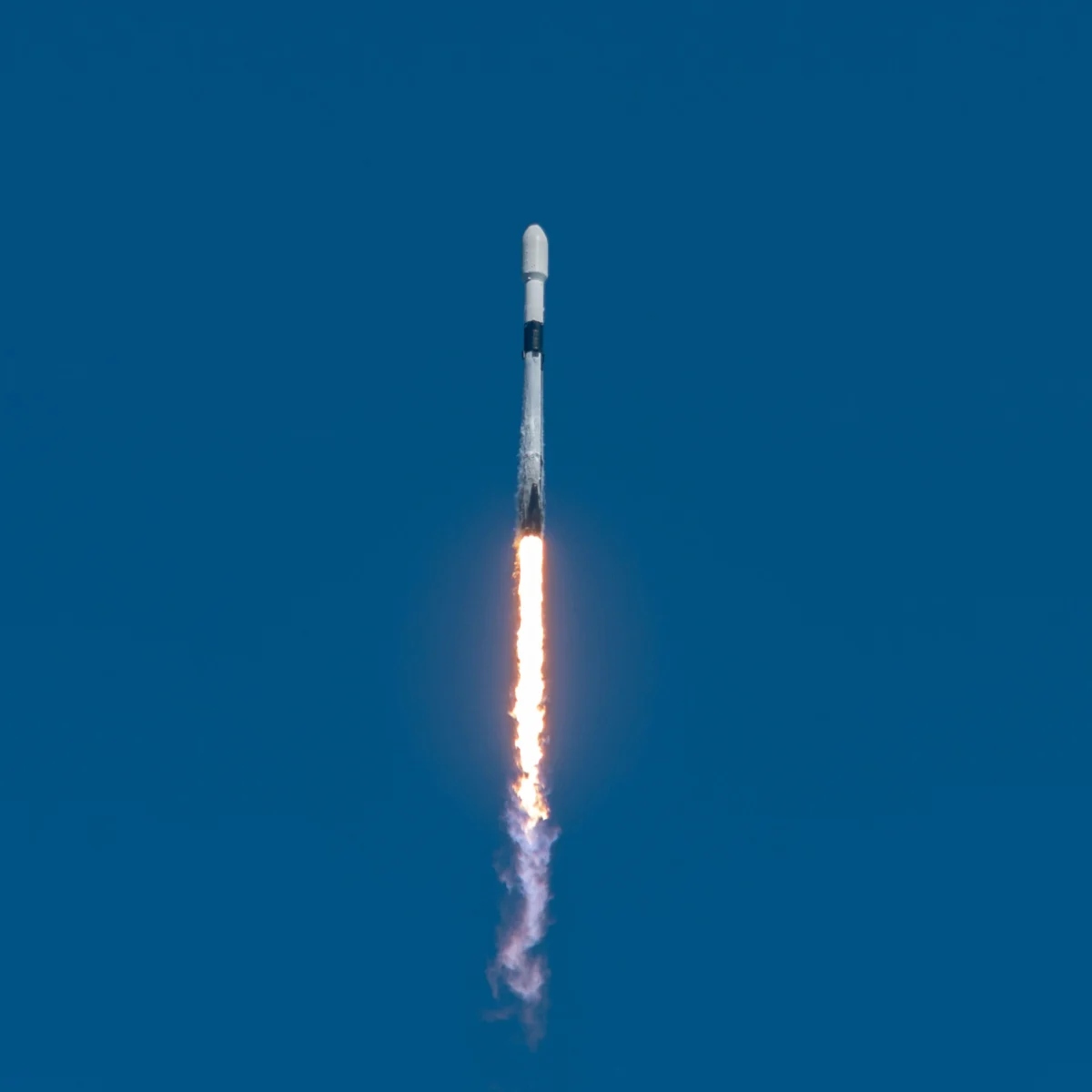
A SpaceX Falcon 9 rocket, an upper stage that has been adrift in the vast expanse of space for approximately a year and a half, is slated for an unceremonious and impactful rendezvous with the lunar surface this Wednesday. This imminent collision is expected to generate a significant debris cloud, a phenomenon that astronomers and enthusiasts alike may be able to observe from Earth using appropriate telescopic equipment. Beyond the spectacle, the impending impact has ignited critical discussions regarding the future trajectory of lunar exploration, particularly focusing on the imperative need to devise robust strategies for safeguarding prospective moon bases and future missions from the escalating threat of space junk.
The particular rocket stage involved in this celestial incident is the upper section of a Falcon 9, a workhorse in SpaceX’s fleet, which was instrumental in a mission that successfully delivered a pair of lunar landers to the Moon’s surface. While these landers accomplished their primary objective, the rocket’s upper stage found itself in an uncontrolled trajectory. It was left to drift after its mission completion, lacking the requisite fuel reserves either to execute a controlled return to Earth’s atmosphere for a planned deorbit or to establish a stable, long-term orbit around Earth or the Moon. This lack of controlled disposal highlights a growing challenge in space operations: managing spent rocket stages and other mission-related debris that can pose long-term hazards.
Weighing in at a substantial 4 metric tons – equivalent to about 8,800 pounds – the derelict rocket stage is projected to strike the lunar surface with immense force. Its estimated impact speed is approximately 5,400 miles per hour, a velocity roughly seven times the speed of sound. The Moon, unlike Earth, lacks a substantial atmosphere, which means there will be no atmospheric drag to slow the projectile down. Consequently, the impact will be catastrophic, unleashing an explosive force comparable to the detonation of 3 metric tons of TNT. This powerful event is expected to carve out a new crater on the lunar landscape, projected to measure up to 27 meters (approximately 88.5 feet) in diameter and delve to a depth of 5 meters (about 16.4 feet). Such an impact provides a unique, albeit uncontrolled, opportunity for scientists to study crater formation and seismic activity on the Moon.
The precise moment of impact is anticipated to occur around 6:34 am Universal Coordinated Time (UTC) on Wednesday. Current calculations indicate that the rocket is most likely to make contact near the Einstein Crater, situated on the western edge of the Moon’s near side. For observers on Earth, the continents of North and South America are expected to offer the most favorable viewing perspectives for this event. While the impact itself and the subsequent crater will not be discernible to the naked eye, the resultant debris plume – a cloud of pulverized lunar material ejected into space – should be visible for a few minutes through a high-quality telescope, presenting a fleeting yet significant astronomical spectacle. This visibility offers a chance for amateur and professional astronomers to witness a rare event and potentially contribute to observational data.
This forthcoming lunar crash landing, visible to a limited extent from Earth, serves as more than just a captivating spectacle; it underscores escalating concerns about the long-term sustainability and safety of future lunar endeavors. An increasing number of nations and private entities are actively developing and planning uncrewed lunar missions, a trend that could lead to a significant accumulation of debris and "clutter" in the circumlunar environment. This SpaceX rocket, notably, is not an isolated incident of accidental lunar impact. In March 2022, a Chinese Long March 3C rocket also inadvertently struck the lunar surface, leaving behind a crater approximately 29 meters wide. These events collectively highlight a nascent but growing problem of human-made debris impacting the Moon.
The aspirations for lunar exploration extend beyond mere flybys and landers. Both China and the United States, among other nations, have articulated ambitious plans to establish permanent bases on the Moon’s surface within the coming decades. Such long-term human presence necessitates a pristine and safe environment, making the issue of space junk and uncontrolled impacts increasingly pertinent. The planning and construction of these lunar outposts will demand meticulous attention to potential hazards, both natural and human-made, to ensure the longevity and safety of human operations.
The trajectory of the impending Falcon 9 crash was meticulously calculated by Bill Gray, a renowned independent researcher and the creator of the Project Pluto initiative. Project Pluto is dedicated to developing sophisticated software and tools specifically designed for tracking the orbits of various celestial bodies, including asteroids, comets, and artificial satellites. Gray’s expertise in orbital mechanics proved crucial in predicting the rocket’s ultimate destination. He also contributed to a significant preprint study released just last month, which provided a detailed analysis of the anticipated collision and its implications. This study underscores the collaborative effort within the scientific community to understand and address such events.
The preprint study articulates the scientific value of this otherwise unplanned event. It describes the crash landing as "an opportunity to test pipelines for measuring flash properties to locate impact events seismically, and to better understand the multi-modal hazards posed to future lunar infrastructure and astronauts from space debris impacting the Moon." This means that scientists can utilize this event to refine their methods for detecting and analyzing lunar impacts, using the bright flash of light generated and the seismic waves propagated through the Moon’s interior. Such data is invaluable for designing more resilient lunar facilities and ensuring the safety of future human missions.
While the establishment of a fully functional moon research center capable of sustaining a long-term human presence is still at least a decade away, NASA’s ambitious Artemis program is already making significant strides. The initial missions under the Artemis umbrella, aimed at constructing the foundational facilities for a lunar outpost, are projected to launch in the coming years. These preparatory steps emphasize the urgency of understanding all potential risks before a sustained human presence becomes a reality, necessitating a thorough hazard assessment.
Benjamin Fernando, a distinguished researcher at Los Alamos National Laboratory in New Mexico and a co-author of the aforementioned preprint study, shared his perspective with ABC News, emphasizing the increasing frequency of such occurrences. "These sorts of things are going to happen more and more often. And as we have more astronauts on the lunar surface, more lunar infrastructure habitats, for example, we need to understand how much of a risk these impact events actually pose," Fernando stated. His comments highlight the proactive approach required to mitigate risks in an increasingly active lunar environment. The uncontrolled impact serves as a stark reminder that as humanity expands its presence beyond Earth, so too does the need for responsible stewardship of space.
The risk posed by space debris, whether it originates from spent rocket stages or defunct satellites, is rapidly becoming a prominent concern within a growing compendium of hazards that cast a shadow of doubt over the long-term viability and safety of any protracted project on the Moon. In addition to the potential havoc that human-made space junk could wreak upon the lunar surface, natural phenomena, such as the incessant bombardment by meteorites—including events like the six collisions reportedly witnessed by Artemis II astronauts—also present a substantial threat to any future activities or permanent installations. These twin threats, both anthropogenic and natural, underscore the complex challenges awaiting lunar pioneers.
Despite these daunting challenges, there is a silver lining: the projected timeline for establishing potential lunar bases is still a decade or more into the future. This extended timeframe affords ample opportunity for dedicated researchers, engineers, and policymakers to thoroughly investigate these multifaceted hazards, develop innovative mitigation strategies, and meticulously plan for their effective management. The current impact event, therefore, becomes a crucial learning experience that can inform future design and operational protocols for lunar infrastructure.
Fernando further elaborated on the multifaceted insights gleaned from such events: "This is an ideal way of studying both the direct risks, the risk of being hit by debris or being blinded by a flash of light, but also the indirect risk, the risk of being hit by a cloud of ejected material and having that disrupt or interfere with spacecraft functions in lunar orbit as well." This comprehensive approach to risk assessment acknowledges that the danger is not limited to a direct hit on a surface asset but extends to the broader lunar environment, potentially affecting orbiting spacecraft through secondary debris and interference. By understanding these direct and indirect risks, the international space community can work towards developing robust protocols and technologies to ensure the safety and longevity of humanity’s ambitious return to the Moon.