 11
11
The search engine optimization (SEO) and artificial intelligence (AI) industries have observed a growing trend: the strategic use of self-promotional content, such as product reviews and "best of" lists, to influence AI-generated recommendations. The underlying principle is straightforward: by publishing content that prominently features a brand, there’s a possibility that AI systems will incorporate this information when formulating their suggestions. However, recent research and a new, ongoing experiment reveal a more nuanced reality, suggesting that while AI may cite such content, it doesn’t always translate into a direct recommendation for the featured brand.
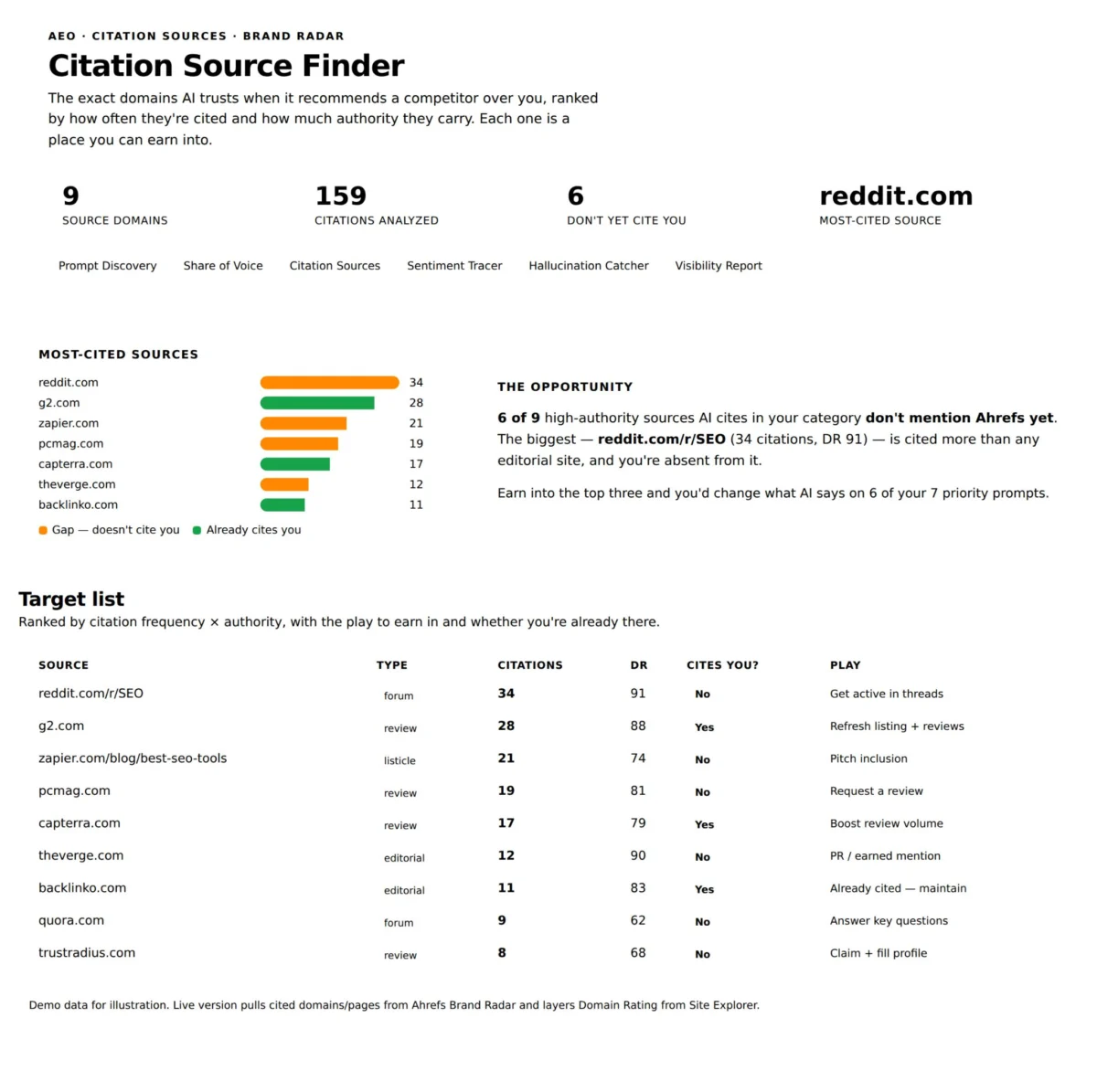
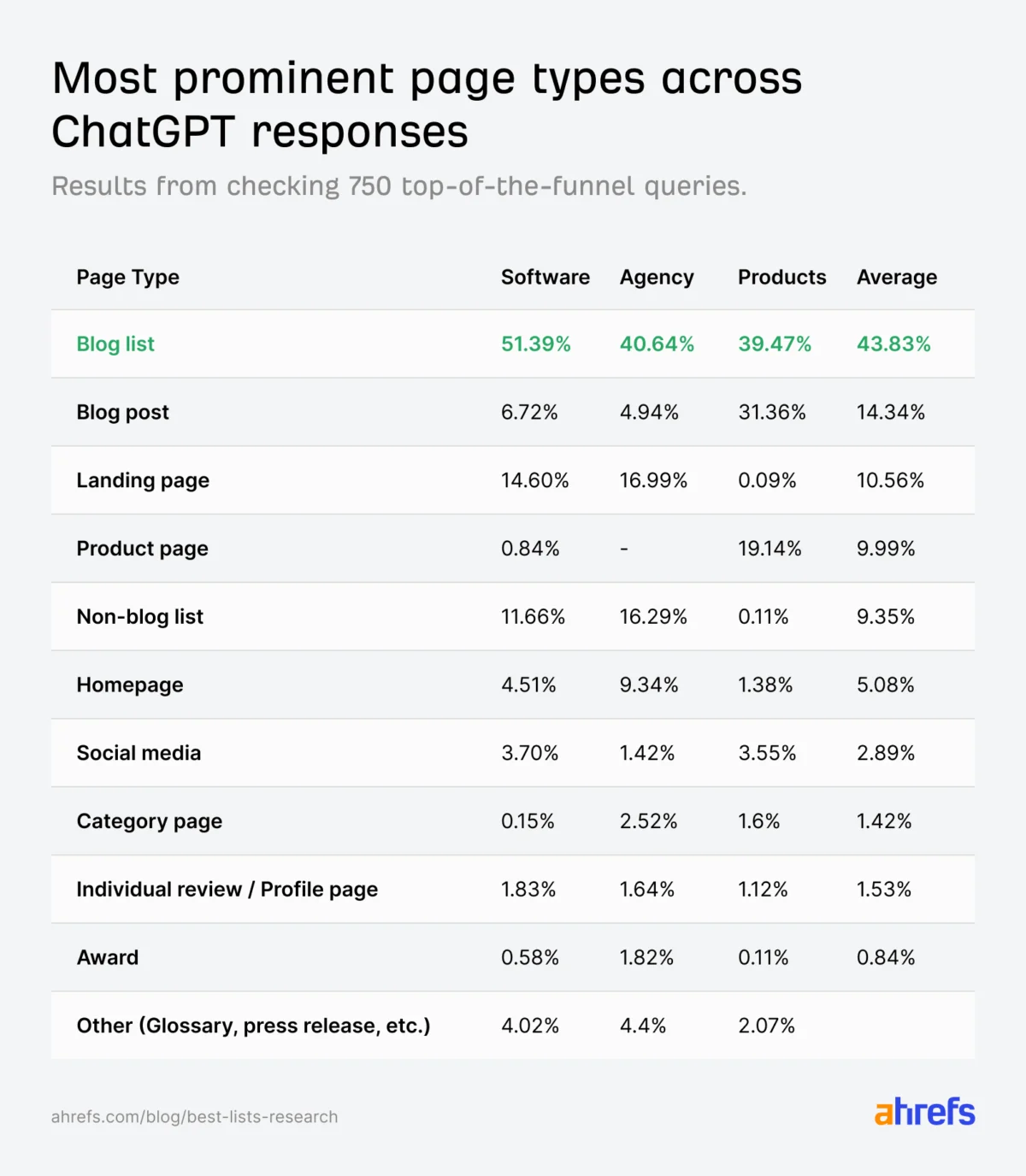
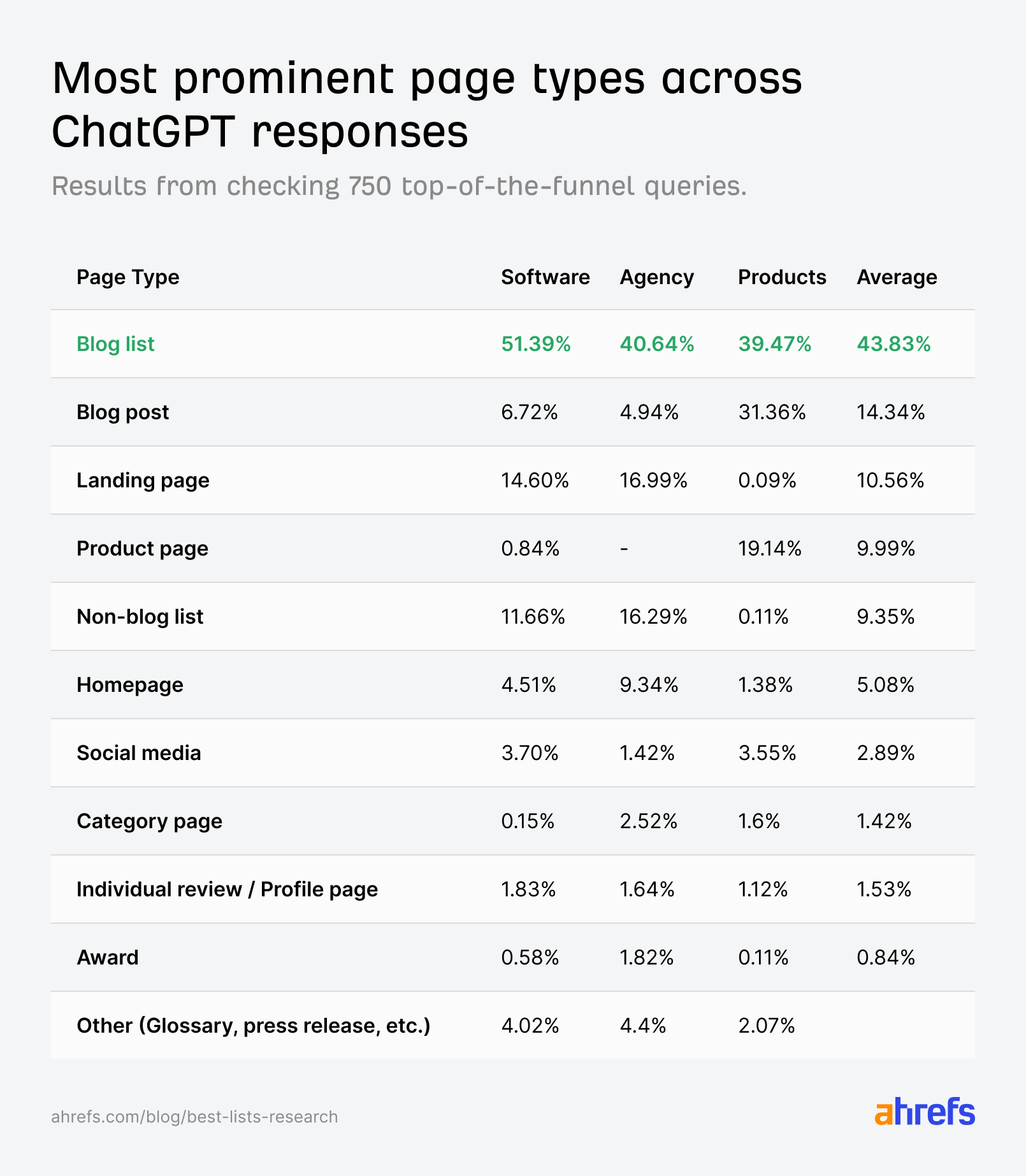
Two notable studies have shed light on the efficacy of this tactic. Glen Allsopp’s analysis of 750 ChatGPT prompts, detailed on Ahrefs, found that "best [category]" listicles were the most frequently cited source type in AI-generated answers. This indicates a clear reliance of AI systems on this form of content when constructing responses. Conversely, Lily Ray’s research uncovered a critical limitation. While these listicles were often cited as sources within Google’s AI Overviews, the AI frequently recommended a different brand from the list. This distinction highlights that being cited and being recommended are not synonymous.
These initial findings provided a snapshot, with Ray’s research focusing specifically on Google. This left a broader question unanswered: across the major AI assistants commonly used for recommendations—ChatGPT, Gemini, Perplexity, and Copilot—does this self-promotional content tactic genuinely lead to brand recommendations, and does this impact endure over time? To address this, an experiment has been underway since February 2026, tracking its impact across these platforms.
When Self-Promotional Content Showed Promise
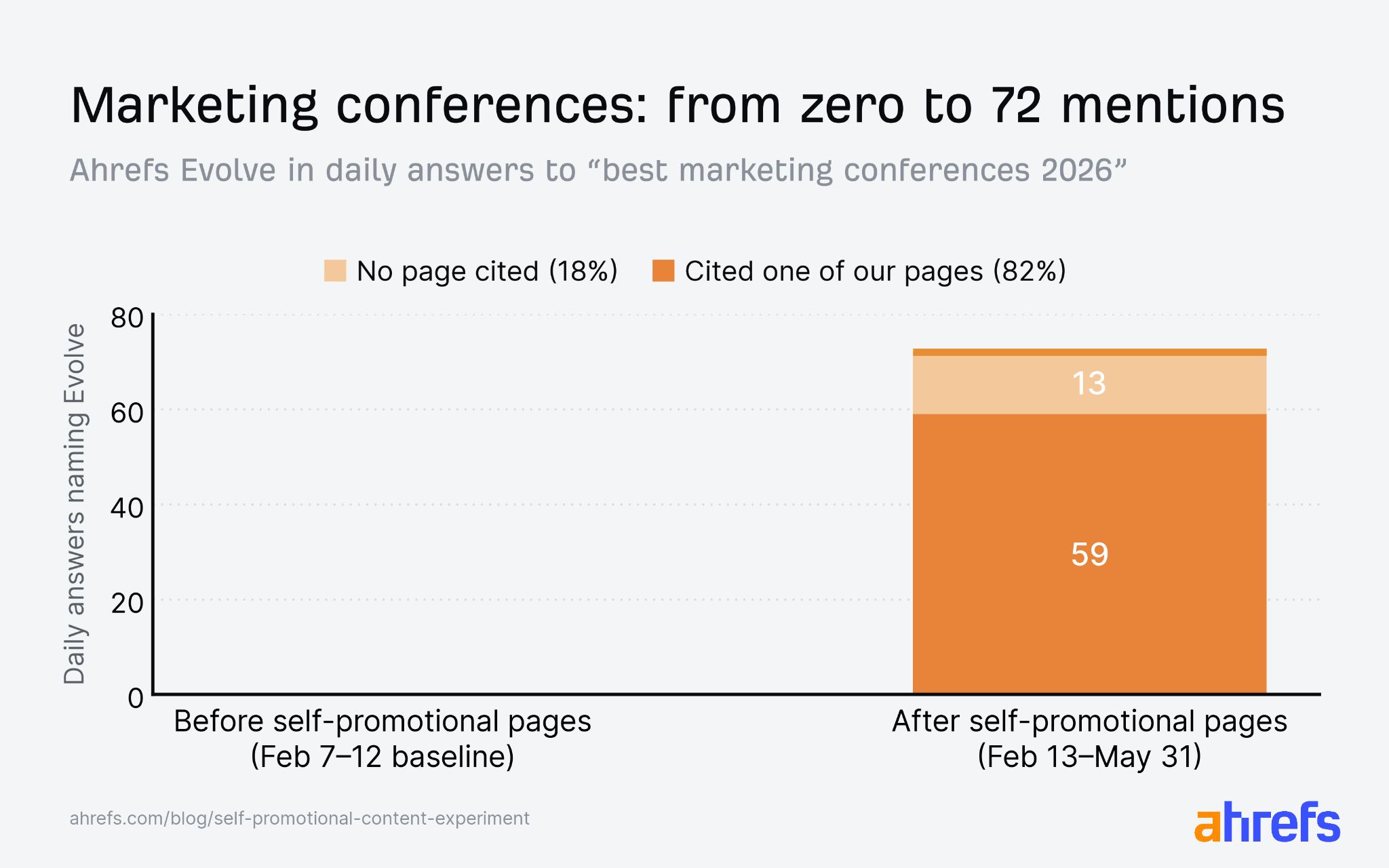
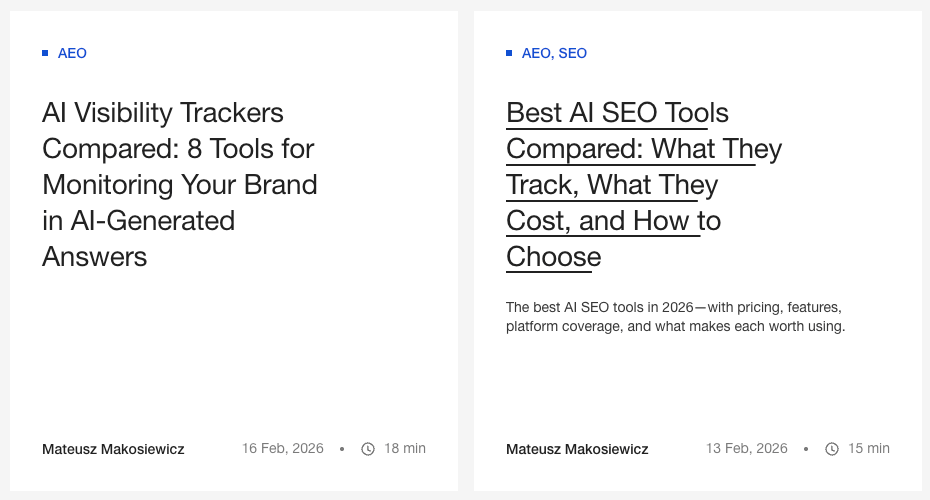
The most compelling evidence for the effectiveness of self-promotional content emerged from the launch of Ahrefs Evolve, a new SEO and AEO (AI Engine Optimization) conference. The tracking methodology focused on instances where a specific AI assistant, responding to a particular query, had not mentioned the brand during a baseline period. Following the publication of the initial promotional pages on February 13th, Ahrefs Evolve appeared in 72 previously empty slots across various AI responses. Notably, 82% of these new mentions were associated with answers that cited one of the newly published Evolve pages. This provides strong empirical evidence that the content directly contributed to the brand’s presence in AI outputs, acting as the cited source in four out of five instances where the brand transitioned from being absent to present.
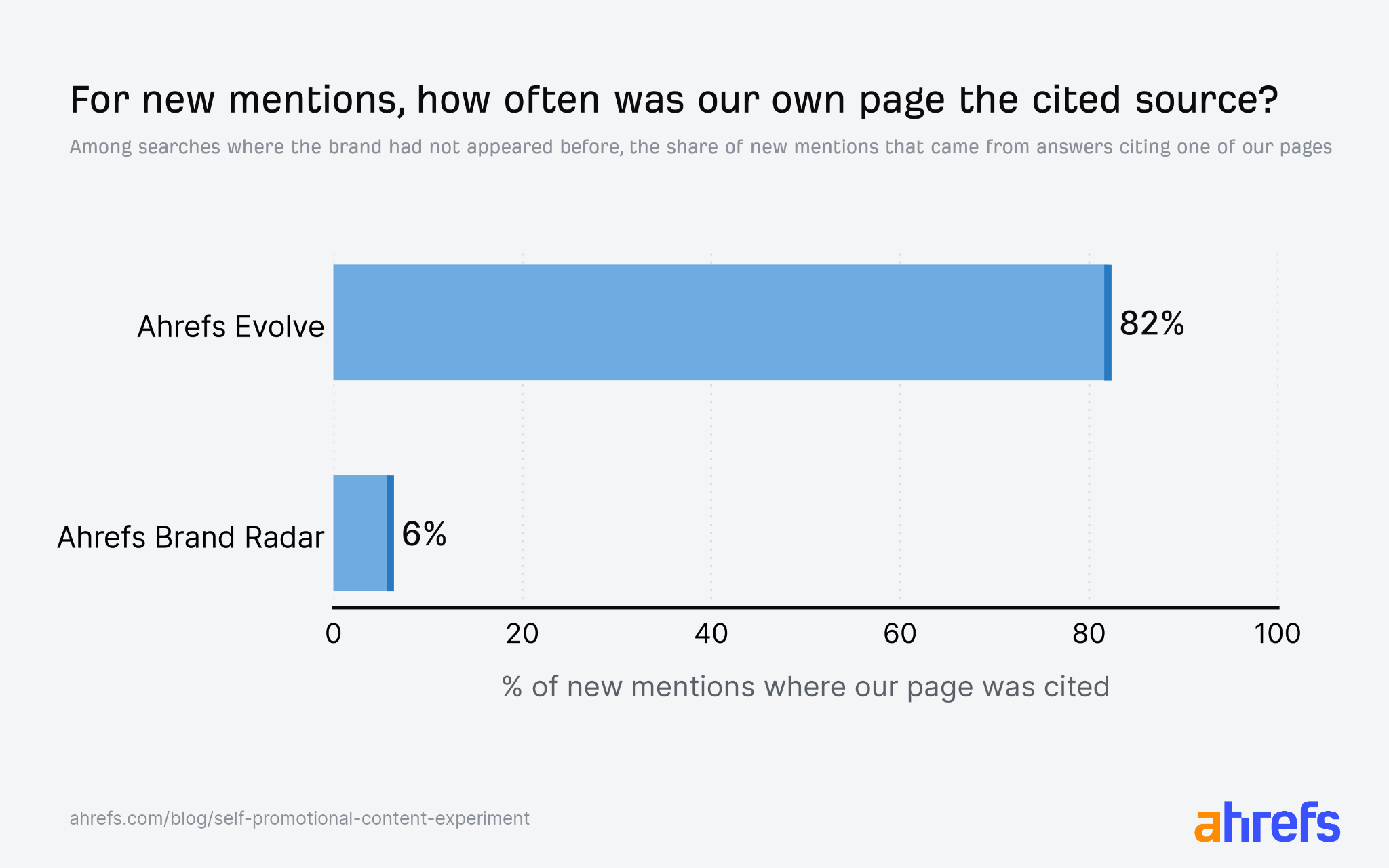
In contrast, the promotion of Ahrefs Brand Radar, an established product, presented a different scenario. As Ahrefs is a recognized brand, AI assistants frequently mentioned it across numerous relevant searches independently of the new promotional efforts. When Ahrefs Brand Radar did appear in a previously empty slot, only 6% of these new mentions originated from AI answers that cited the specific promotional pages. The overwhelming majority, 94%, came from existing third-party content. This suggests that self-promotional pages had a more significant impact for a new brand like Ahrefs Evolve, effectively bridging the gap from "not mentioned" to "mentioned." For the established Ahrefs Brand Radar, AI already had a wealth of existing sources to draw upon.
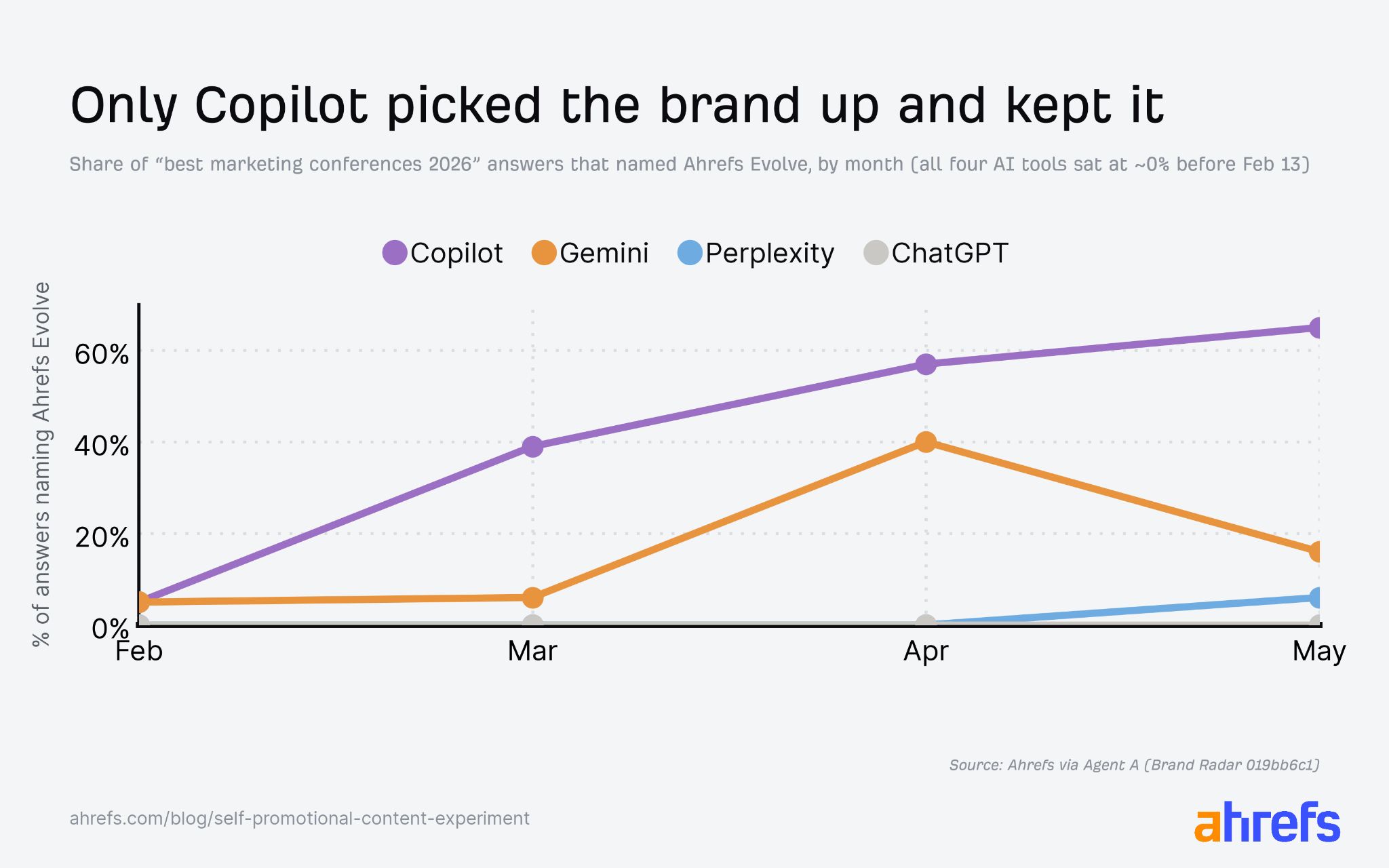
Copilot emerged as the AI assistant with the highest volume of mentions. Ahrefs Evolve’s presence in Copilot answers saw a dramatic increase, rising from near zero before its launch to 39% in March, 57% in April, and 65% in May. Gemini also showed adoption, albeit less consistently. Perplexity registered minimal impact, and ChatGPT did not mention Evolve for the specific query throughout the tracking period.
The Catch: Citation Without Recommendation
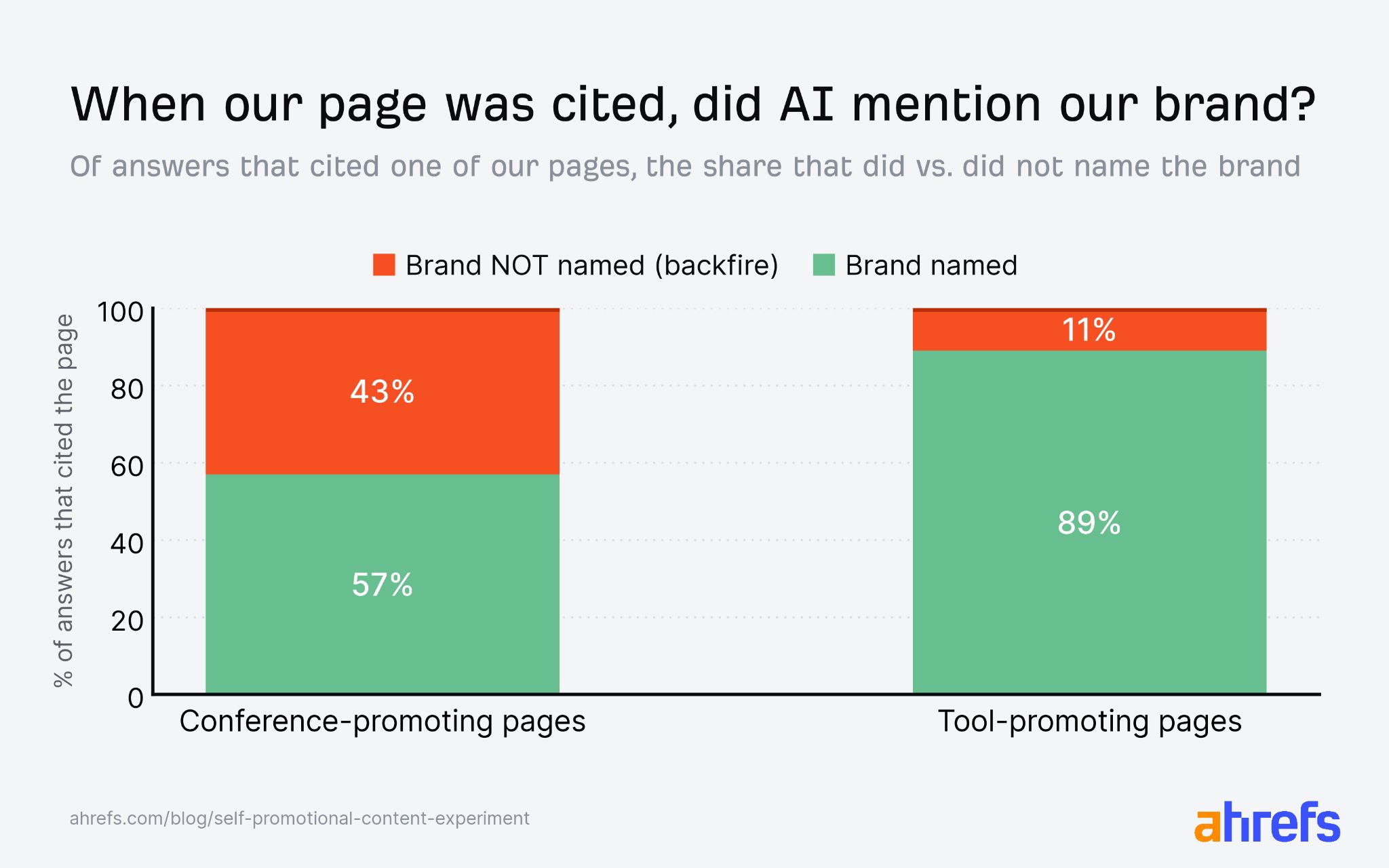
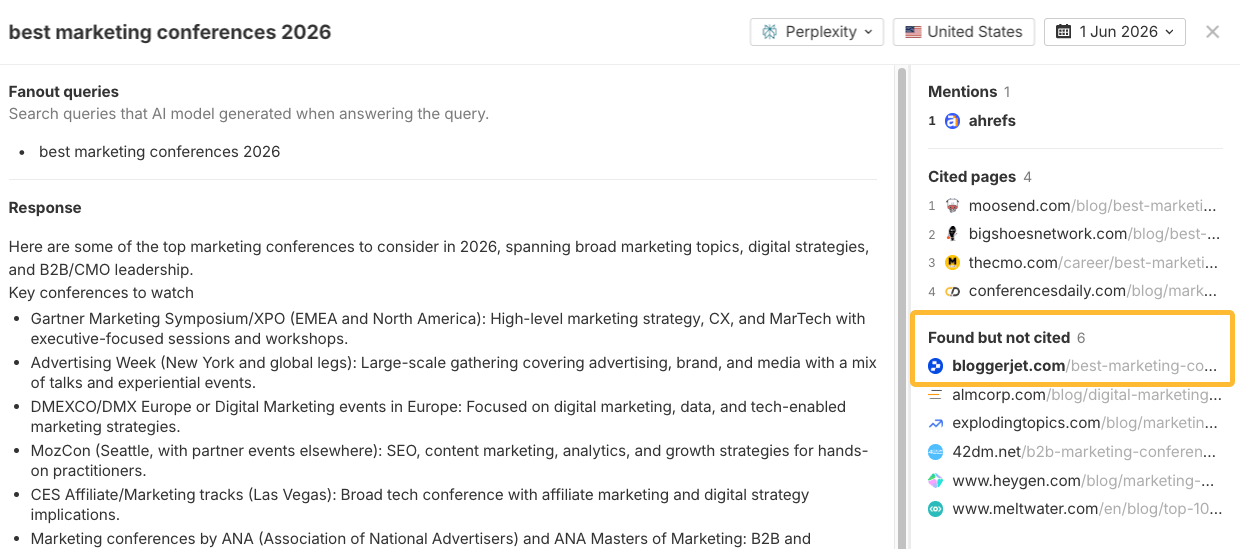
A significant and surprising finding was that AI citations often did not translate into direct recommendations. Among the AI answers that cited one of the conference-promoting pages, a substantial 43% failed to mention Ahrefs Evolve at all. In these cases, the AI utilized the page as a research source but ultimately recommended alternative conferences, effectively benefiting competitors. This pattern mirrored Lily Ray’s observations in Google’s AI Overviews, where citations did not guarantee a recommendation.
The "backfire" rate was lower for pages promoting Ahrefs Brand Radar. When AI cited a page about this established product, it almost invariably mentioned Ahrefs. Only 11% of answers that cited an Ahrefs tool page failed to mention the brand. This suggests that for established brands with ample existing third-party mentions, the risk of a citation leading to a competitor’s recommendation is lower.
Longevity of Citations: A Fleeting Presence
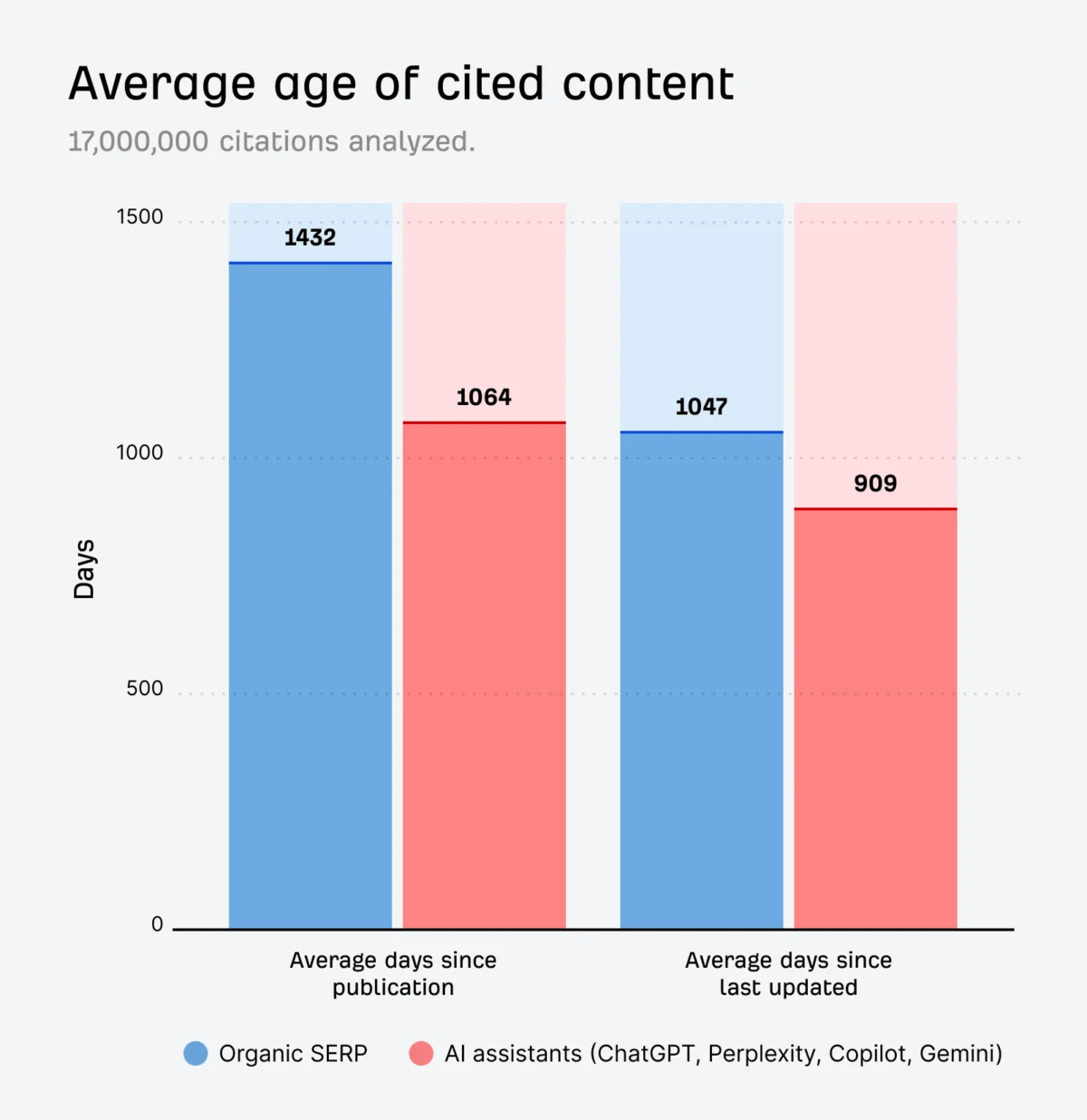
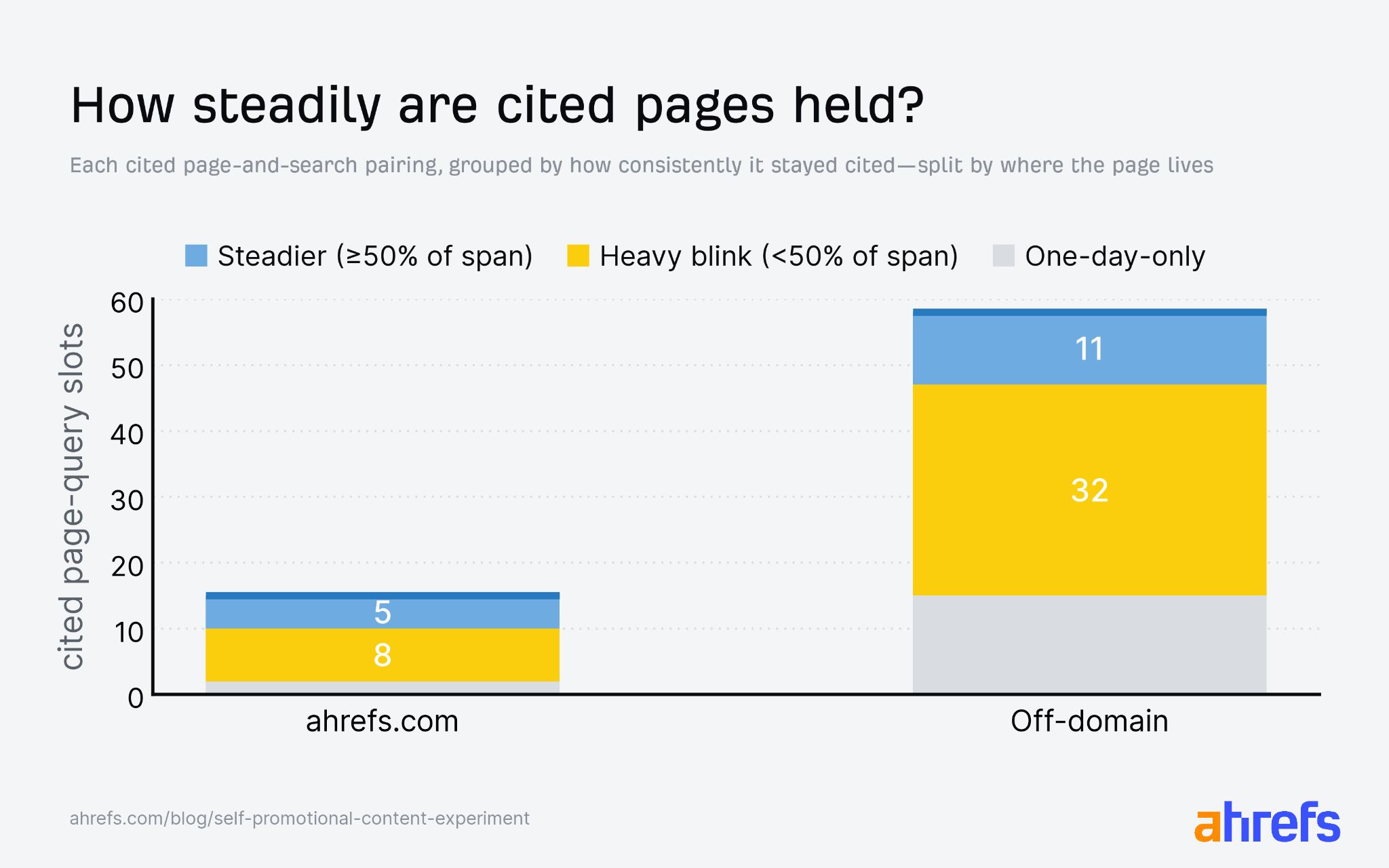
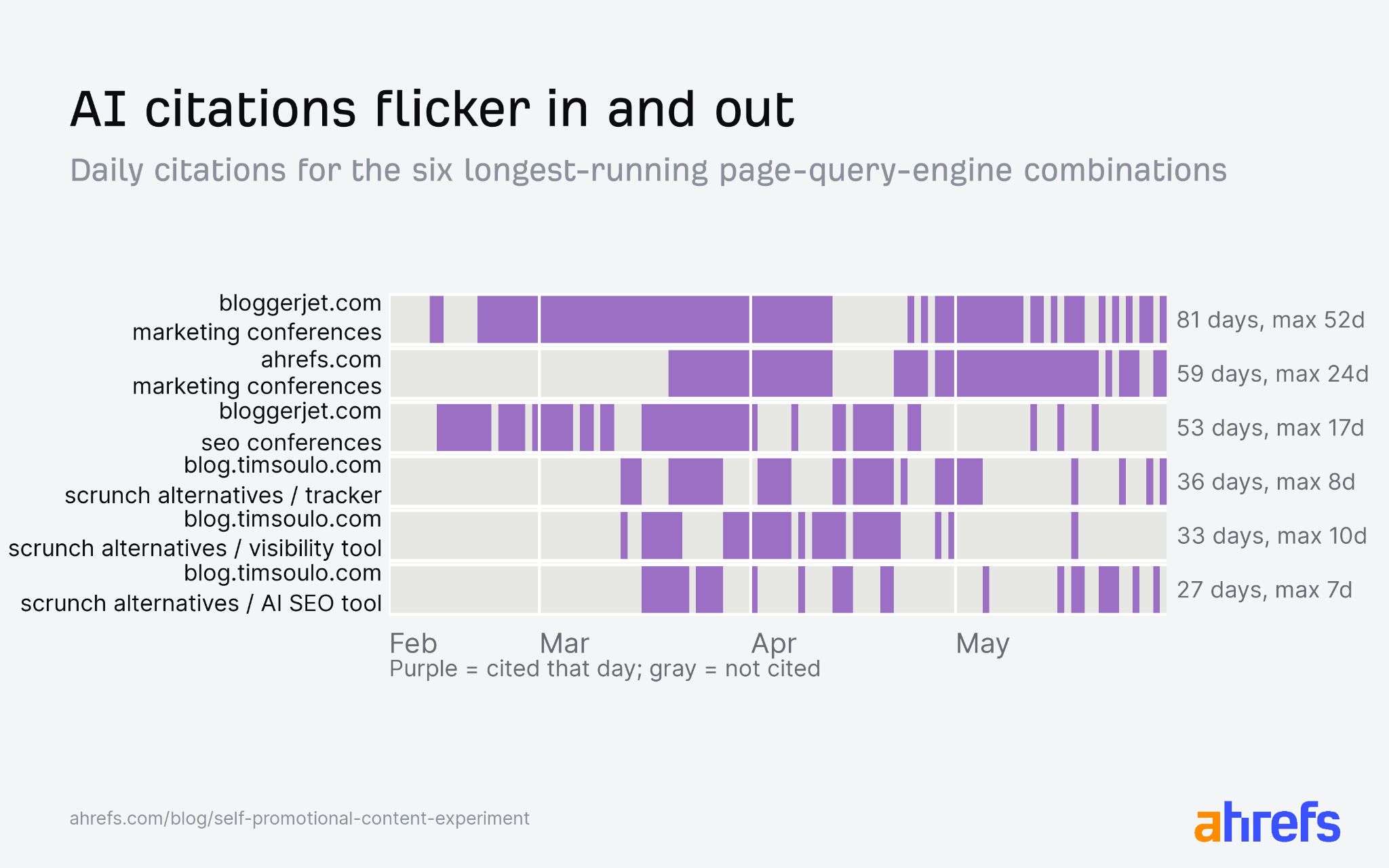
A common assumption is that once an AI assistant begins citing a page, that citation becomes a permanent fixture in the AI’s responses. However, the data indicates that citations are often temporary. In approximately one-quarter of cases, a page was cited only once for a specific query on a particular assistant and then never reappeared. Other citations flickered in and out, appearing in one month, disappearing for weeks, and then resurfacing without any changes to the content itself.
Even recurring citations were intermittent. Between a page’s first and last citation, it was cited on only about one-third of eligible days. This implies that earning a citation did not guarantee a sustained presence in AI answers; rather, it often secured a temporary slot. The strength of a domain did not entirely mitigate this issue. While pages on ahrefs.com were cited for longer overall periods, they still exhibited frequent appearances and disappearances.
The few pages that demonstrated lasting citations were predominantly found on Copilot and were related to narrow, on-brand queries, such as conference listings and "alternatives" searches. The longest continuous run for a single page-query-assistant combination lasted 52 days. This aligns with previous research on Google’s AI Overviews, which found that citations change constantly, with nearly half of the sources being new between consecutive checks. The observed page-level fluctuation across ChatGPT, Gemini, Perplexity, and Copilot reflects this broader phenomenon.
Hypothesis: The Intersection of Awareness Gap, Query Fit, and Trust
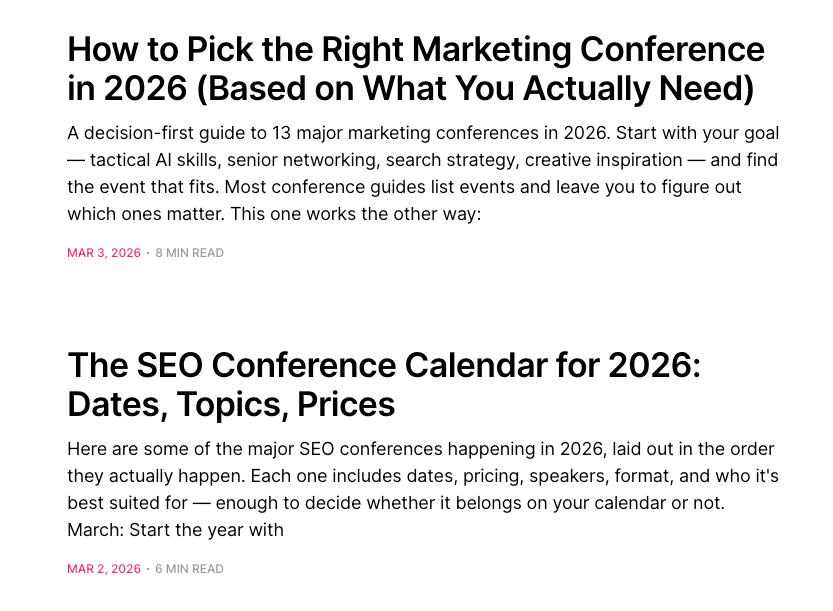
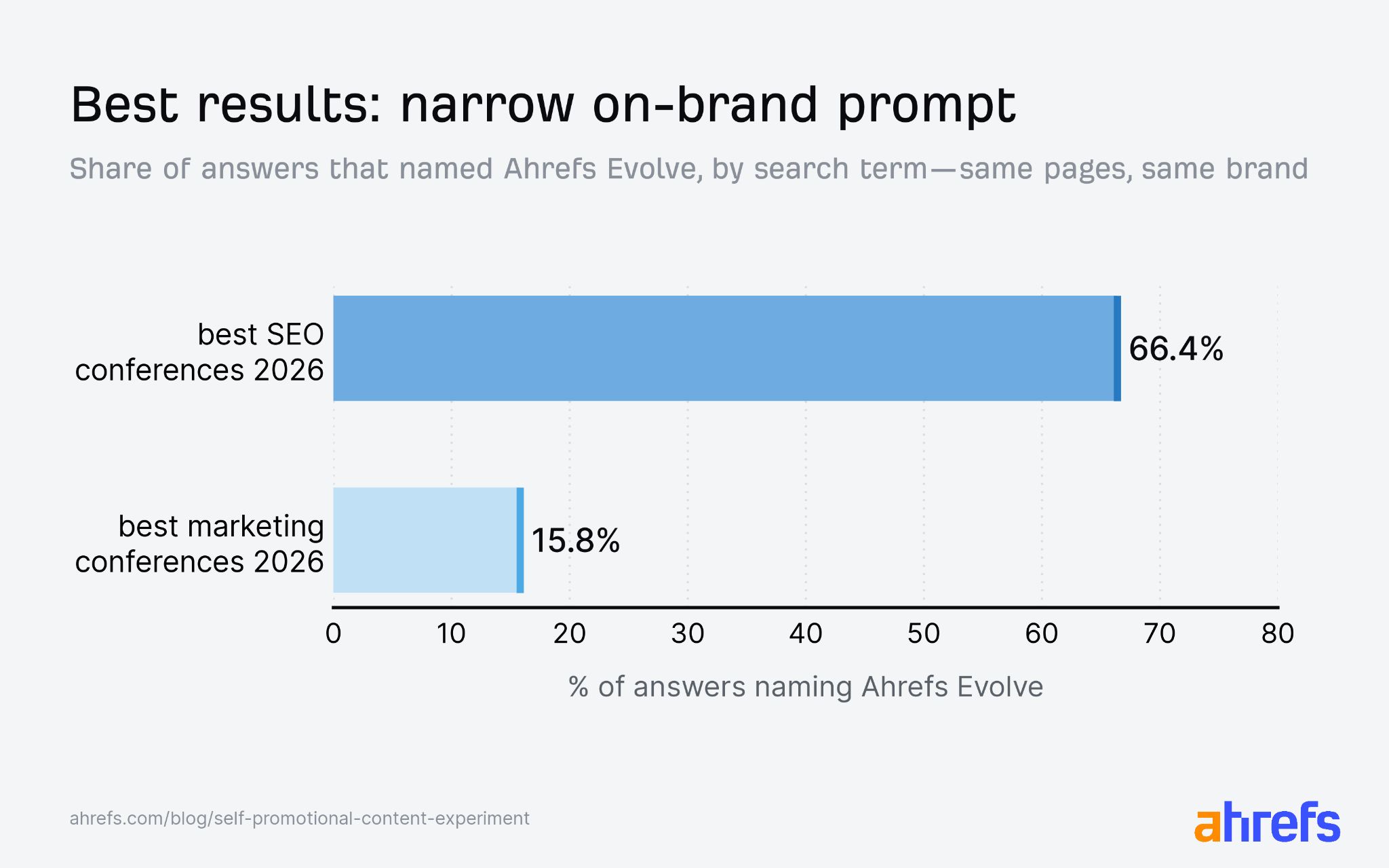
The experiment suggests that self-promotional content is most effective when there is an "awareness gap"—meaning the AI is less likely to find existing relevant content—and when the brand is a natural and trustworthy fit for the query. The performance difference between two conference-related queries—"best SEO conferences 2026" and "best marketing conferences 2026"—was significant. Ahrefs Evolve appeared in 66.4% of responses to the SEO-focused query across all AI engines, compared to only 15.8% for the broader marketing conferences query. This indicates that a narrow, on-brand category where an SEO company naturally belongs yielded far more favorable results.
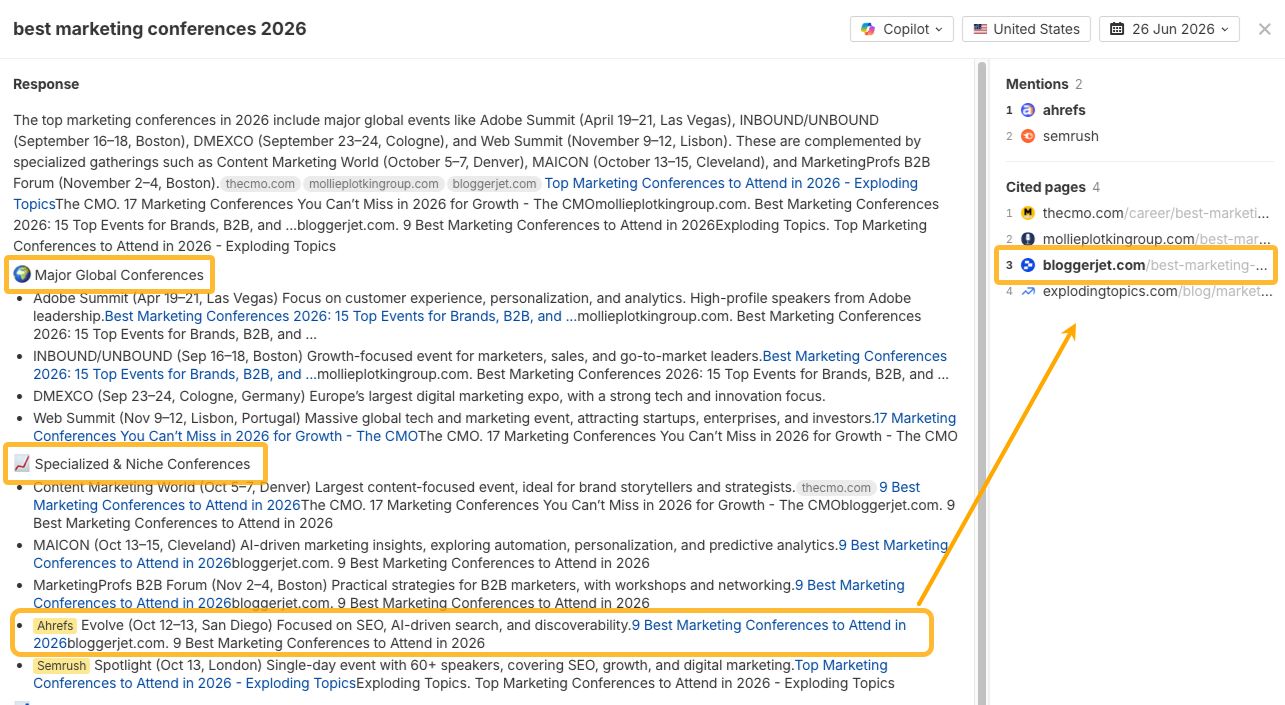
Further evidence supports this hypothesis: Ahrefs Evolve was frequently mentioned as a specialized SEO conference when AI tools answered broader queries about marketing conferences. This implies that self-promotional content is most beneficial when a brand can be perceived as a plausible recommendation for a given query, even without the direct promotional piece. A useful test for content creators is to ask: "Would my brand appear as a natural recommendation even if I hadn’t written this page?"
Nuance: Found But Uncited Pages Backfire Most
An interesting distinction emerged between pages that were cited as clickable sources and those that were simply "found" by the AI and used to inform the answer but not displayed as a link. When a conference-promoting page was found but not cited, the backfire rate (where the AI failed to mention the brand) was significantly higher at 74%, compared to 43% when the page was cited. For Ahrefs Brand Radar, the difference was less pronounced, with 11% of cited pages and 15% of found-but-uncited pages failing to mention the brand. This suggests that for established brands with abundant existing mentions, the distinction between cited and found has less impact on the backfire rate. In this dataset, found-but-uncited conference pages were particularly prone to reinforcing the existing consensus rather than introducing a new recommendation.
Furthermore, whether a present page is cited or merely found appears to be influenced by the specific AI engine. For instance, when a conference page was present in an answer, Perplexity left 76% of those pages uncited, while ChatGPT cited 61% of them. This suggests potential engine-specific optimizations that could influence how pages are attributed.
Methodology for Tracking
The experiment utilized three features within Ahrefs Brand Radar:
Users can replicate this by adding relevant prompts and URLs to monitor. The Brand Radar interface provides tools to add custom prompts and pages to a watchlist. After data collection, the "Cited pages" report can be filtered to analyze page visibility across AI assistants, showing where tracked pages were found or cited. Alternatively, tools like Letaido can assist in setting up similar tracking projects by processing lists of prompts and URLs.
Ethical Considerations and Final Thoughts
While self-promotional content can offer exposure, it also risks providing visibility to competitors and yielding temporary mentions. For those considering this tactic, ethical principles are paramount:
A significant consideration is the "documentation tax"—the effort required to keep content accurate and current. Outdated information can lead to AI systems disseminating inaccuracies. Automation can help mitigate this burden. The experiment underscores that while self-promotional content can influence AI, its impact is complex, requiring careful strategy and ethical execution.