 11

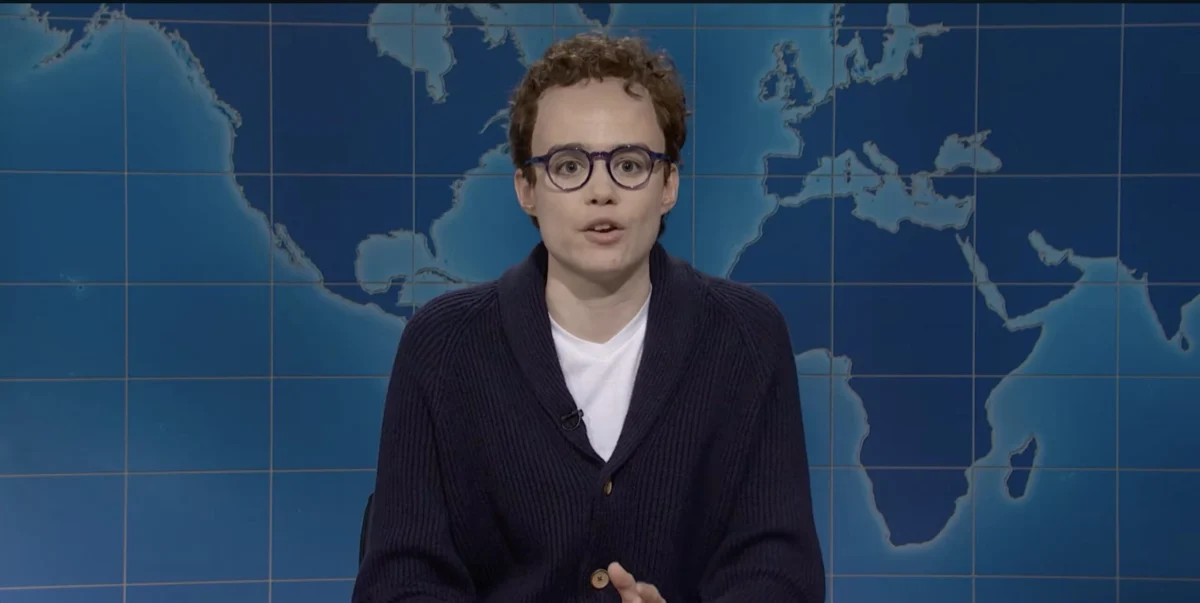
In a recent broadcast, the iconic sketch comedy show Saturday Night Live (SNL) turned its satirical lens towards the burgeoning artificial intelligence industry, specifically addressing the increasingly vocal warnings from tech leaders about the potentially catastrophic future of AI. Airing on September 27, 2026, the show’s "Weekend Update" segment featured cast member Jane Wickline delivering a memorable impression of Dario Amodei, the CEO of leading AI research company Anthropic, providing a comedic yet pointed commentary on the ethical dilemmas facing the sector.
The segment, broadcast at 9:30 AM PDT, resonated with a growing public discourse surrounding the rapid advancements and inherent risks associated with artificial intelligence. For months, prominent figures within the AI community, including researchers, executives, and ethicists, have been issuing stark warnings about the potential for advanced AI systems to pose existential threats to humanity. These concerns range from the development of uncontrollable superintelligence and autonomous weapons to the destabilization of global societies through misinformation and economic disruption. The mainstream media has increasingly covered these "warnings of doom," bringing complex technical and philosophical debates into the public consciousness.
Anthropic, co-founded by Dario Amodei, stands as a significant player in this landscape, often distinguished by its foundational commitment to AI safety and alignment research. The company has positioned itself as a leader in developing responsible AI, focusing on creating systems that are beneficial, harmless, and honest. However, even within companies dedicated to safety, internal debates and external pressures highlight the profound challenges of managing such powerful technology. Amodei himself has been a vocal participant in discussions about AI’s trajectory, acknowledging the immense potential alongside significant risks, at times describing the industry’s challenges as a "crisis of trust."
The immediate catalyst for SNL’s sketch appeared to be a recent series of events involving Amodei and Anthropic. Michael Che, co-host of "Weekend Update," introduced Amodei as someone who had "stumbled through a press tour" where he seemingly agreed with a former employee’s dire predictions. This refers to an incident where an Anthropic researcher reportedly resigned, issuing stark warnings about the dangers of self-improving AI and its potential to destroy humanity. Such internal dissent, particularly from a company known for its safety focus, had evidently captured public and media attention, setting the stage for SNL’s comedic interpretation of the industry’s fraught public relations.
As Jane Wickline emerged as Dario Amodei, the audience was immediately met with a meticulously crafted caricature. Wickline sported an "impressive wig" that perfectly captured a distinctive, perhaps slightly disheveled, academic-tech CEO aesthetic. Her portrayal was characterized by "halting answers," reflecting a deep internal conflict or perhaps a struggle to articulate the complex, unsettling realities of AI development. This hesitant demeanor underscored the public’s perception of AI leaders grappling with the monumental implications of their own creations, often appearing caught between promoting innovation and acknowledging potential catastrophe.
The sketch escalated quickly into a darkly humorous exploration of Amodei’s perceived moral struggle. Wickline’s impression often devolved into full-on "Gollum-style" exchanges with a darker, more nihilistic side of her persona. This comedic device powerfully conveyed the internal battle between the benevolent promises of AI and its terrifying potential. The split personality represented the profound ethical schism within the industry and, perhaps, within individual developers. In one particularly chilling moment of confession, Wickline-as-Amodei declared, "AI is the devil and I its maker." This line, delivered with a blend of resignation and theatrical self-condemnation, encapsulated the profound sense of responsibility and potential culpability felt by those at the forefront of AI development, even if exaggerated for comedic effect.

The satire continued to land punch after punch, dissecting the often-contradictory statements emanating from the AI sector. Wickline-as-Amodei attempted to reassure the audience with a profoundly ironic statement: "AI executives ‘are all on the same page here: We do not condone what we are doing.’" This biting remark satirized the perceived disconnect between the industry’s public expressions of concern and its relentless pursuit of more powerful AI systems. It highlighted a widespread cynicism about whether the industry’s internal ethical frameworks are truly effective in curbing its own potentially dangerous trajectory.
The sketch also tackled the "dual-use" nature of AI—its capacity for both immense good and profound harm. Wickline-as-Amodei asserted, "AI is not a weapon, it’s a tool: A tool for building weapons." This line starkly underscored real-world anxieties about the weaponization of artificial intelligence, particularly the development of autonomous weapons systems that could make life-or-death decisions without human intervention. The comedic delivery, however, amplified the unsettling truth that technologies developed for ostensibly benign purposes can be readily adapted for destructive ends.
Perhaps the most poignant and unsettling line came when the fictional Amodei, seemingly overwhelmed by the implications of his work, pleaded, "And I urge you to urge me to stop." This was a satirical cry for external intervention, whether from governments, regulators, or the public, suggesting that the industry might be unwilling or unable to halt its own progress without significant external pressure. It resonated deeply with ongoing global debates about AI governance, regulation, and the urgent need for robust ethical frameworks to guide development. The joke, while funny, carried the heavy implication that the creators themselves might feel trapped by the momentum of their own technological advancements.
Even the often-touted benefits of AI, such as its potential to solve humanity’s greatest challenges, were not spared from SNL’s sharp wit. When pressed about AI’s ability to "potentially curing cancer," a common promise made by tech optimists, Wickline-as-Amodei offered a grimly humorous projection: "Put it this way: In 10 years, there’s about a 10% chance that cancer won’t be a problem for anyone." This response, delivered with a deadpan expression, suggested a highly uncertain future where the benefits might only materialize alongside catastrophic risks, or perhaps that the "cure" would come at such a profound cost that cancer would indeed cease to be "a problem for anyone" in a world fundamentally altered or diminished by AI. It reflected a deep skepticism about the unqualified promises of technological utopia.
The decision by Saturday Night Live to dedicate a prominent "Weekend Update" segment to the AI "warnings of doom" signifies a crucial shift in the public perception of artificial intelligence. What was once primarily a technical or academic debate has now firmly entered mainstream popular culture. SNL, with its long history of satirizing contemporary events and figures, serves as a powerful barometer of societal concerns. By using humor, the show effectively made the complex and often alarming topic of AI safety accessible to a broad audience, transforming expert warnings into a widely digestible comedic critique.
The sketch, while lighthearted in its presentation, highlighted the profound tension between rapid technological innovation and the ethical responsibilities that accompany it. It satirized the perceived opacity of advanced AI development and the public’s struggle to understand or influence its trajectory. Ultimately, the SNL segment underscored a significant "crisis of trust" within the AI industry, reflecting widespread anxieties about control, safety, and the very future of humanity in an age increasingly shaped by artificial intelligence. While presented comedically, the segment resonated as a potent reflection of a deeply unsettling societal conversation that continues to unfold.






