11

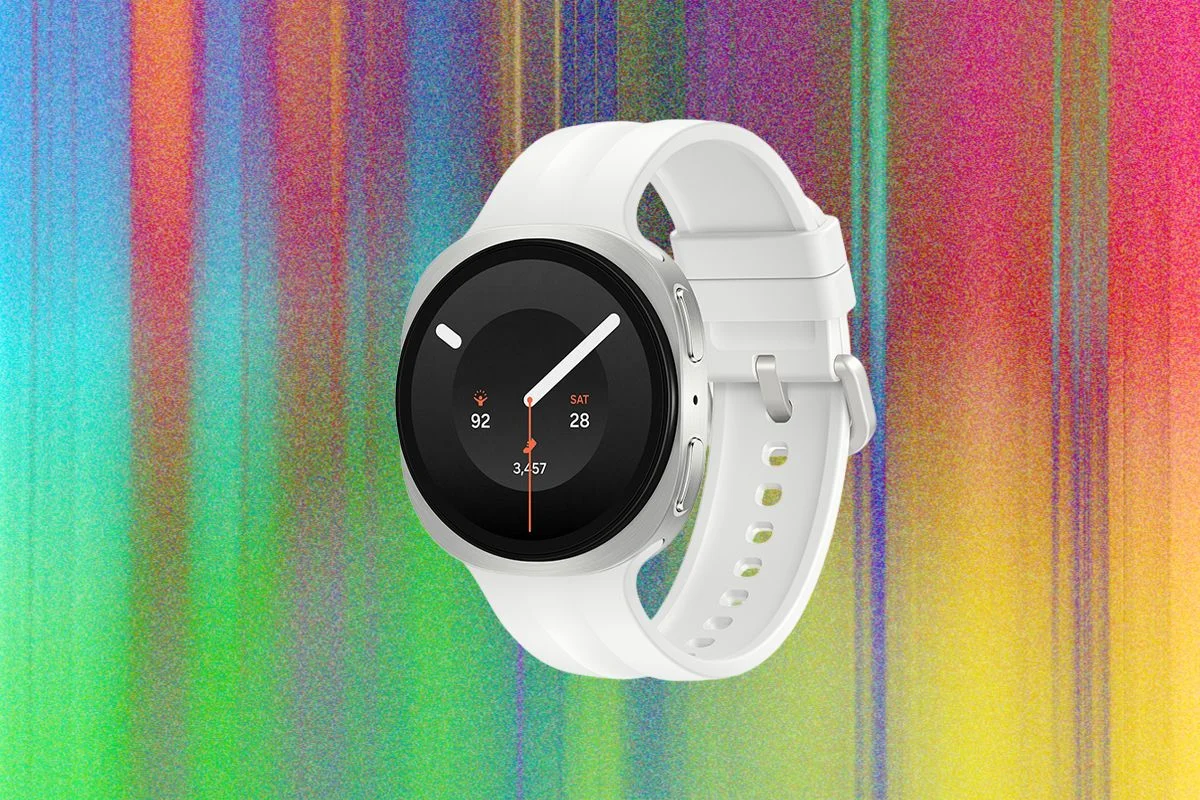
This past summer marked a significant moment for wearable technology enthusiasts, as Samsung unveiled its latest additions to the smartwatch landscape: the Galaxy Watch9 and the Galaxy Watch Ultra2. The launch event underscored Samsung’s commitment to catering to a diverse user base, presenting two distinct devices tailored for different lifestyles. While the Galaxy Watch Ultra2 was positioned as the brand’s more rugged, shock-resistant smartwatch, specifically engineered to withstand the rigors of outdoor adventures and extreme conditions, the Galaxy Watch9 emerged as the everyday companion, designed for general use and daily wear.
The Galaxy Watch9, building upon a legacy of successful smartwatches, is presented as a robust option for the average consumer seeking a versatile wrist-worn device. It seamlessly integrates the functionalities of a top-tier smartwatch with the comprehensive tracking capabilities of a dedicated fitness tracker. This dual-purpose design is complemented by an extensive array of health features, catering to users keen on monitoring their well-being. The Watch9 is available in two primary sizes to accommodate different wrist dimensions and aesthetic preferences: a more compact 40-mm model, offered in sophisticated cream and graphite finishes, and a larger 44-mm variant, available in classic graphite and elegant silver. Notably, the device’s starting price point is listed at $80, positioning it as an accessible entry into Samsung’s wearable ecosystem.
When juxtaposed with its immediate predecessor, the Galaxy Watch8, the Watch9 represents a more iterative, rather than revolutionary, upgrade. Samsung has implemented several key enhancements designed to refine the user experience without drastically altering the core functionality. These improvements include the integration of a faster processor, promising snappier performance and improved responsiveness; a slightly larger battery capacity, aimed at extending usage times; and an expanded suite of wellness metrics, offering users deeper insights into their health data.
Following a two-week period of rigorous testing, specifically with the 40-mm model, the assessment indicates that an immediate upgrade from the Galaxy Watch8 to the Watch9 may not be a compelling proposition for existing Watch8 users. The enhancements, while welcome, are not deemed significant enough to warrant an upgrade for those who already own the previous generation. However, for individuals currently utilizing an older Galaxy Watch model, or for those deeply embedded within Samsung’s broader technology ecosystem who are in the market for a new smartwatch, the Galaxy Watch9 undeniably stands out as the optimal choice. Its blend of refined performance, updated features, and integration within the Samsung universe makes it an attractive option for these segments of the market.
A Familiar (Squircle) Face and Enhanced Performance
At the heart of the Galaxy Watch9’s hardware evolution lies its updated processor, a critical component that dictates the device’s overall speed and efficiency. The Watch9 now leverages Qualcomm’s Snapdragon Wear Elite platform, a significant architectural change designed to elevate the smartwatch’s capabilities. Samsung explicitly claims that this new platform significantly enhances both CPU (Central Processing Unit) and GPU (Graphics Processing Unit) performance, alongside an improvement in overall power efficiency. During the testing phase, these claims translated into a noticeably smooth and fluid user experience. Navigating through menus, launching various applications, and dismissing notifications were all executed with a commendable degree of responsiveness, devoid of any discernible lag or stutter. This improvement ensures that daily interactions with the watch are consistently prompt and satisfying, contributing to a premium feel.
Beyond hardware, the software experience on the Galaxy Watch9 also receives notable advancements with the inclusion of Wear OS 7. This iteration of Google’s smartwatch operating system introduces a range of user-centric features aimed at enhancing personalization and convenience. Among these are more customizable widgets, allowing users greater flexibility in tailoring their watch faces and information displays to their immediate needs and preferences. Additionally, Wear OS 7 brings live updates from compatible applications directly to the watch face, ensuring that crucial information is always current and easily accessible at a glance.
One of the more exciting and user-friendly additions to the software suite is the implementation of "raise-to-talk" functionality for Gemini, Google’s advanced AI assistant. This feature allows users to simply lift their wrist toward their mouth to initiate a conversation with Gemini, enabling hands-free voice commands and queries. This brings a new level of convenience for tasks like setting reminders, checking weather, or getting quick information without needing to interact directly with the watch’s display. This integration marks a welcome step forward for Samsung, especially considering that competing devices, such as the Google Pixel Watch, have offered similar AI assistant interaction features for two generations now. Samsung’s adoption of this functionality ensures it remains competitive in the evolving landscape of AI-powered wearables.
Battery Life and Charging Considerations
A perennial focus area for smartwatch development is battery performance, and the Galaxy Watch9 sees a slight increase in its battery capacities across both models. The 40-mm variant is now equipped with a 390-mAh battery, a modest upgrade from the 325-mAh cell in the previous generation. Similarly, the larger 44-mm models receive a 445-mAh battery, an increase from the 435-mAh capacity of the Watch8. Intuitively, one might expect these larger capacities to translate directly into improved battery life. However, real-world testing indicated that this was not necessarily the case. The absence of a noticeable improvement in battery longevity is largely attributed to the expanded suite of health features and enhanced processing power now available on the Watch9. These new functionalities, while beneficial to the user, inherently demand more power, thus offsetting the gains from the increased battery size.
Samsung’s official estimates suggest the Watch9 can achieve up to 30 hours of battery life under typical usage conditions. However, practical testing, particularly with the Always-On Display (AOD) feature enabled – a common preference for many users – yielded an average battery life closer to 25 hours. While this duration is generally sufficient to comfortably last through a full day and night for most users, it does mean that the device still requires a daily charging routine. Unlike smartwatches that can go multiple days without a charge, the Watch9 does not offer the kind of extended battery performance that would allow users to entirely forget about charging it regularly.
Furthermore, the charging experience itself presents a point of consideration. A full recharge of the Galaxy Watch9 typically took approximately 100 minutes on average during testing. This charging duration is notably longer when compared to some of its direct competitors in the market. For instance, the Google Pixel Watch 5 boasts a significantly faster charging time, capable of reaching a full charge in roughly 45 minutes. This disparity in charging speed means that users of the Watch9 will need to allocate a longer period for their device to power up, which can be an inconvenience for those with busy schedules or limited access to charging opportunities throughout the day. The balance between feature richness, display technology, and battery efficiency continues to be a delicate act for smartwatch manufacturers, with the Watch9 showcasing the ongoing challenges in delivering both extensive capabilities and multi-day battery life.