 11
11
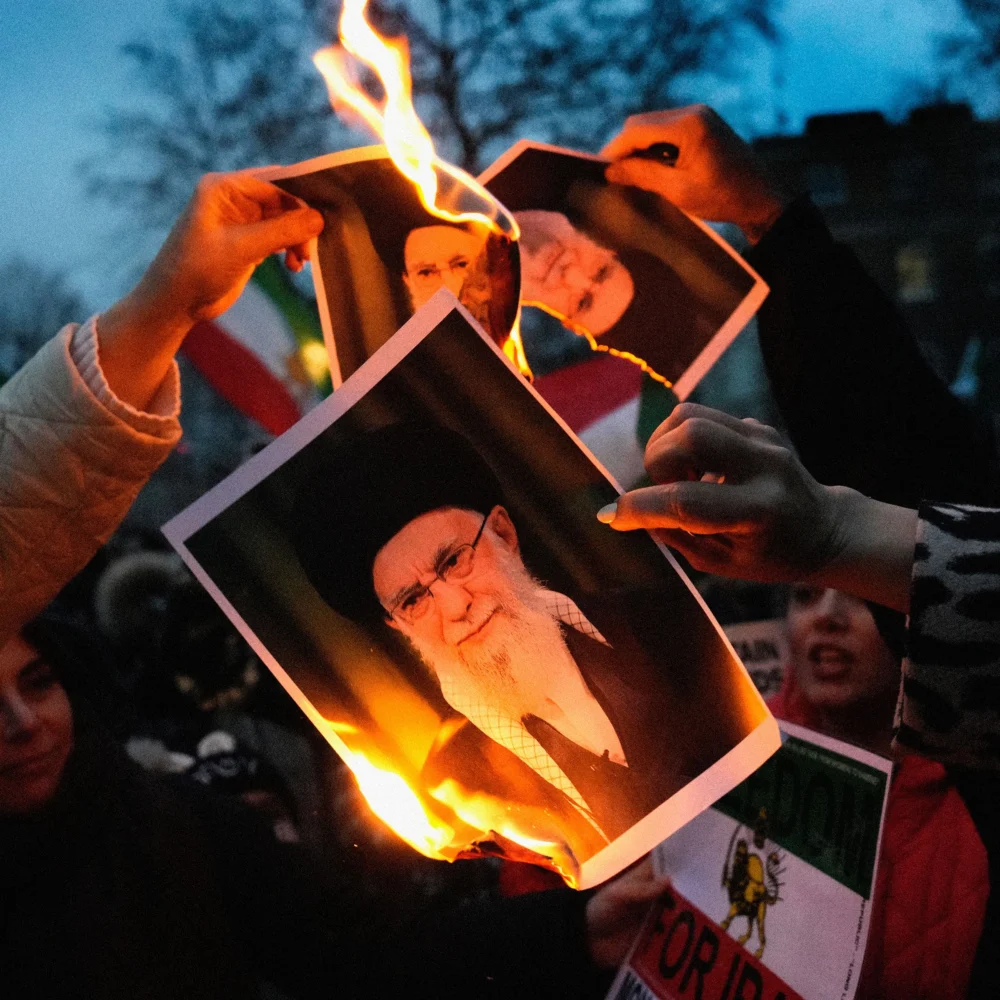
The volatile world of prediction markets recently experienced a significant upheaval, culminating in a fierce customer revolt against Kalshi, a prominent US-regulated platform. This widespread discontent stemmed from Kalshi’s controversial handling of a high-stakes market concerning the leadership of Iran, particularly following the confirmed death of Ayatollah Ali Khamenei. The incident has not only cost Kalshi millions but has also intensified the already heated debate surrounding the regulation and ethical practices of the burgeoning prediction market industry.
In the lead-up to a hypothetical or anticipated military confrontation between the United States and Israel and Iran—a scenario that fueled intense geopolitical speculation—prediction markets across various platforms witnessed an unprecedented surge in activity. These platforms, which allow users to trade contracts based on the outcome of future events, became a hotbed for speculators eager to capitalize on potential shifts in global power dynamics. Traders poured hundreds of millions of dollars into contracts, betting on scenarios ranging from the exact timing of potential missile strikes to the political fates of key figures in the region. The sheer volume of these trades underscored the deep financial interest and the inherent risks associated with these speculative instruments.
Amidst this frenetic trading, the death of Iranian Ayatollah Ali Khamenei, Iran’s Supreme Leader, became the focal point of a particular market on Kalshi. This market, valued at a substantial $54 million, offered "yes" or "no" contracts on whether Khamenei would be "out" as the nation’s Supreme Leader by a specific date. As rumors of Khamenei’s passing began to circulate widely online on a Saturday morning, even before an official announcement, Kalshi actively promoted this market across its social media channels. This promotion, occurring during a period of intense speculation, likely encouraged more traders to participate, reinforcing the perception that the market’s resolution would be straightforward upon confirmation of the Supreme Leader’s status.
Once Khamenei’s death was officially confirmed, a development widely reported across global news outlets, many traders who had purchased "yes" contracts on Kalshi believed they had secured a substantial profit. Their reasoning was logical and seemingly undeniable: Khamenei was demonstrably no longer the Supreme Leader, fulfilling the condition of the "yes" contract. However, what followed was a decision by Kalshi that triggered immediate and widespread outrage. Instead of settling the market in favor of the "yes" contracts, Kalshi paused the market for review on Saturday afternoon. Following this review, the platform ultimately resolved the market at the last-traded position prior to the confirmation of Khamenei’s killing. This meant that the anticipated payouts for many "yes" contract holders did not materialize, leaving a significant number of traders feeling defrauded and enraged.
Nicholas Mahoney, a prominent Kalshi trader, encapsulated the sentiment of many, stating, "People are absolutely livid." Kalshi initially declined to comment on the incident, further fueling the frustration among its user base. The platform’s resolution mechanism effectively nullified the outcome of a critical geopolitical event, which many traders felt was the very essence of the market they had invested in.
As the wave of criticism mounted throughout Saturday, Kalshi CEO Tarek Mansour took to social media to address the growing crisis. Mansour stated that Kalshi’s rulebook had always included a "death carve-out" for markets related to when leaders would leave office. This specific rule, he explained, is rooted in the legal framework governing derivatives markets in the United States, which strictly prohibits the offering of contracts on assassination. The "death carve-out" is intended to prevent markets from inadvertently or directly incentivizing or appearing to facilitate unlawful acts.
However, the critical point of contention for traders was the timing and visibility of this particular rule. Kalshi, it emerged, had only added a clear notice about this "death carve-out" to the specific market’s webpage after the speculative "attack on Iran" scenario had already commenced and trading activity was in full swing. This late disclosure meant that many participants, who had placed their trades based on the market’s initial terms and their understanding of its implications, were unaware of this crucial exception. The lack of prominent disclosure at the outset was perceived by many as a bait-and-switch tactic, undermining the trust fundamental to any financial trading platform.
The backlash was swift, severe, and widespread, particularly across social media platforms. Traders expressed their fury, accusing Kalshi of damaging its reputation beyond repair. One widely shared online comment declared, "You literally ruined the entire credibility of your business." The anger quickly escalated beyond mere verbal condemnation. A significant number of traders threatened to initiate class-action lawsuits against Kalshi, alleging a breach of contract and unfair practices. Furthermore, many reported that they had filed formal complaints with the Commodity Futures Trading Commission (CFTC), the principal government agency responsible for overseeing and regulating derivatives markets, including prediction markets, in the United States. These complaints signaled a serious escalation, inviting potential regulatory investigation into Kalshi’s operational conduct and transparency.
In an effort to mitigate the damage and appease the disgruntled user base, Tarek Mansour issued a lengthy apology on Sunday. In his statement, Mansour acknowledged the disappointment and frustration experienced by traders. He emphasized that Kalshi had taken extraordinary measures to rectify the situation, including incurring a "substantial loss" to ensure that no users would ultimately lose money as a direct result of the controversial resolution. "Kalshi incurred a substantial loss to make users whole," Mansour wrote, adding, "I’m sorry for the disappointment. We’ll improve, thank you for bearing with us." A source within Kalshi later confirmed to WIRED that the company’s financial outlay to resolve the incident and make traders whole amounted to approximately $2.2 million. Moving forward, Mansour pledged that Kalshi would implement changes to more prominently highlight "death carve-outs" and similar critical disclaimers in all relevant markets, ensuring greater transparency for traders.
Despite Kalshi’s swift financial intervention and Mansour’s public apology, the incident left a lasting scar on the platform’s reputation and many traders’ confidence. Nicholas Mahoney, for instance, remained unconvinced and unforgiving. "I defunded my account and deleted the app," Mahoney informed WIRED, reiterating his core grievance: "They should have settled the market how people thought it would be settled." This sentiment underscores a fundamental challenge for prediction markets: managing user expectations and ensuring that the interpretation of market rules aligns with common understanding, especially in highly sensitive or emotionally charged geopolitical contexts.
The Kalshi controversy, while being the largest resolution dispute tied to the "war in Iran" scenario, was not an isolated incident in the prediction market landscape. Other platforms also faced criticism regarding their handling of contracts related to the events in Iran. Notably, Polymarket, another prominent prediction market platform, also drew fire for its approach to several markets concerning the unfolding situation. This broader pattern highlights an ongoing and systemic issue within the industry regarding how these platforms resolve sensitive contracts, particularly those involving real-world geopolitical events with significant human impact.
The challenges are not new; last year, Polymarket faced significant protests from traders over its resolution of a popular market concerning Ukrainian President Volodymyr Zelensky. The market, which playfully speculated on whether Zelensky, known for his military-style casual attire, would wear a suit before a certain date, sparked controversy over how the platform interpreted the conditions for resolution. These repeated incidents, whether concerning high-stakes geopolitical outcomes or seemingly trivial public appearances, point to a need for clearer, more consistent, and transparent rule-setting and resolution processes across the entire prediction market sector.
This latest controversy arrives at a particularly challenging time for prediction markets, which are already under intense and growing regulatory scrutiny in the United States. A burgeoning bipartisan movement in Congress and among state authorities is actively pushing for tighter regulation of these platforms. Critics argue that prediction markets, despite their proponents’ claims of being valuable forecasting tools, often operate more like unregulated gambling enterprises, exposing consumers to undue risk and potentially raising ethical questions, especially when markets touch upon sensitive political or social outcomes. Kalshi itself is reportedly facing 19 separate lawsuits from various state authorities, indicating a broad legal challenge to its business model and compliance.
Further intensifying the regulatory pressure, Mick Mulvaney, former White House Chief of Staff under President Trump, recently launched an advocacy group called "Gambling Is Not Investing." This organization is explicitly dedicated to advocating for stricter guardrails and oversight for the prediction market sector, framing its activities as inherently speculative gambling rather than legitimate investment. Such high-profile opposition adds significant weight to the calls for increased governmental intervention.
Despite the recent turmoil, the underlying enthusiasm for prediction markets appears largely undiminished. Traders, driven by a desire to prognosticate and profit from future events, continue to engage with these platforms. In a testament to this enduring appeal, Kalshi has already launched a new market, inviting participants to speculate on who will be Khamenei’s successor. Millions of dollars are once again on the line, demonstrating that even significant controversies and regulatory headwinds may not deter the dedicated community of prediction market traders from their pursuit of forecasting and financial gain. The industry, however, faces a critical juncture, needing to balance its innovative appeal with robust transparency, ethical considerations, and compliance to navigate the complex regulatory landscape and regain full user trust.