 11
11
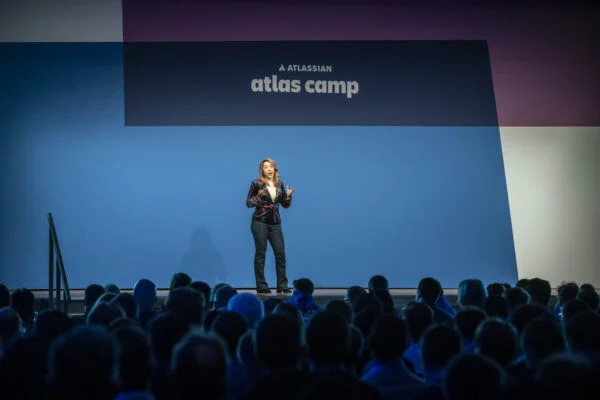
Atlassian’s premier developer conference, Atlas Camp 2026, concluded its most recent iteration at the Anantara Grand Hotel Krasnapolsky in Amsterdam, marking a significant milestone in the company’s efforts to reshape the landscape of software development through artificial intelligence. The event served as a high-density gathering for over 320 developers representing a broad spectrum of the technology sector, including research and development teams from Fortune 500 corporations, independent Marketplace builders, and specialized AI innovators. Over the course of the week, the conference transitioned from high-level strategic announcements to granular, hands-on technical workshops, fostering an environment where theoretical advancements in the Atlassian platform were immediately applied to real-world software solutions.
The structure of Atlas Camp 2026 was designed to maximize the velocity of development. The first two days were dedicated to foundational product announcements and technical deep dives, providing the necessary context for the specialized workshops that occupied days three through five. This format proved highly effective, as attendees leveraged direct access to Atlassian’s internal experts and the latest development tools to complete projects that would typically require weeks of traditional development time. The hallway culture of the event was characterized by live debugging sessions and the rapid prototyping of new applications, underscoring the collaborative nature of the Atlassian developer community.
The opening keynote, delivered by Tiffany To, Executive Vice President of Enterprise and Platform, and Alan Braun, Vice President of Ecosystem and Marketplace, established the central theme of the week: the transition into an era of AI-first development. Contrary to industry anxieties regarding the displacement of human workers by automation, Atlassian’s leadership posited that the age of AI will fundamentally lead to an increase in the total number of developers. The company views AI as a "force multiplier" rather than a replacement, focusing on how tools like Rovo Dev and the Forge platform can empower software teams to bypass traditional bottlenecks. By automating repetitive tasks and streamlining complex workflows, these technologies allow developers to focus on higher-order innovation.
To support this vision, Atlassian announced several major Early Access Programs (EAPs) for partners and customers. These programs are designed to provide early entry into a more integrated and "AI-aware" ecosystem, where builders can create experiences that are deeply embedded within the Atlassian suite. The goal of these EAPs is to facilitate the creation of an ecosystem where AI agents and human developers work in tandem, utilizing the platform’s underlying data structures to deliver more contextually relevant software solutions.
The dialogue surrounding the future of development continued into the closing keynote, which featured a panel discussion involving Sven Peters, AI and Developer Evangelist; Reena Agarwal, Head of Engineering for Ecosystem and Marketplace; and Nitin Kumar, Senior Partner Solution Architect at AWS. The conversation focused on the practical realities of integrating AI into the modern software development life cycle (SDLC). The panel addressed the current limitations of AI, noting that while "AI helpers" are currently scattered across various tools, the future lies in "AI agents" that are natively woven into how teams plan, build, and deploy software.
A critical takeaway from this panel was the elevation of developer happiness as a first-class success metric. The speakers argued that as AI takes over the more mundane aspects of coding and maintenance, the industry must prioritize the quality of the developer experience alongside traditional metrics like delivery speed and code quality. Furthermore, the discussion emphasized the importance of trust; for AI to be fully adopted, teams must have confidence in the security, accuracy, and transparency of the models they are using.
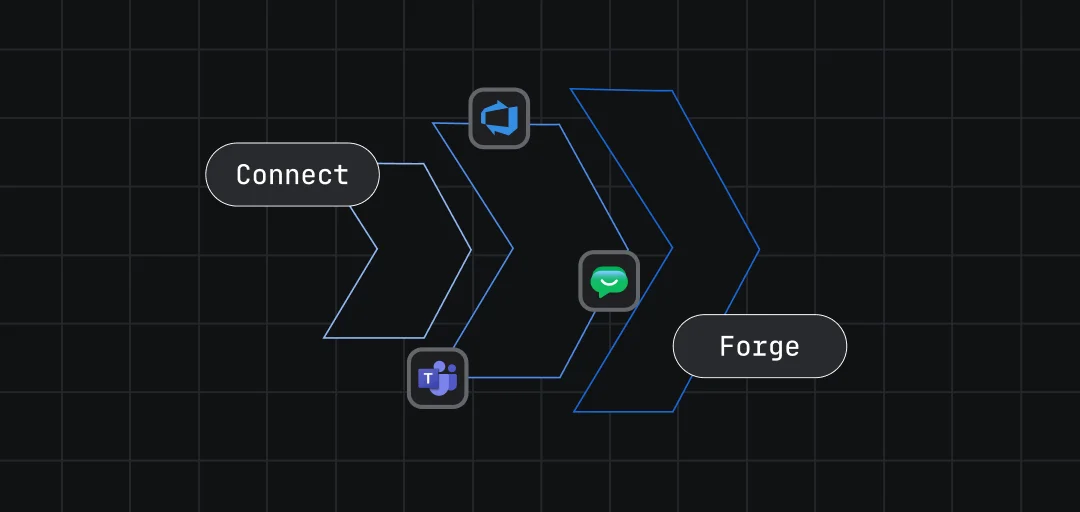
Technical sessions throughout the week provided practical frameworks for scaling development and improving app delivery. One of the most attended sessions focused on how Atlassian itself has scaled its code management and CI/CD (Continuous Integration/Continuous Deployment) processes using Bitbucket Cloud and Forge. According to the Atlassian AI Collaboration Index, approximately 96% of companies have yet to see dramatic improvements in efficiency or innovation from AI, largely because technical gains remain siloed within individual departments. Atlassian addressed this by demonstrating how they have powered over one billion minutes of automation, streamlining workflows across thousands of repositories. By integrating Forge with Bitbucket, the company has created a model for accelerating delivery while maintaining high standards of collaboration.
Another significant technical advancement discussed was the introduction of a new model for rolling releases and feature-based approvals within the Atlassian ecosystem. This model is intended to solve the persistent issue of "version sprawl," where administrators are often hesitant to update applications due to the complexity of manual interventions and permission changes. By decoupling permissions from specific versions, Atlassian aims to keep applications secure and current without requiring constant oversight. This shift is designed to give enterprise administrators greater confidence in adopting new features quickly, ensuring that the entire ecosystem remains agile.
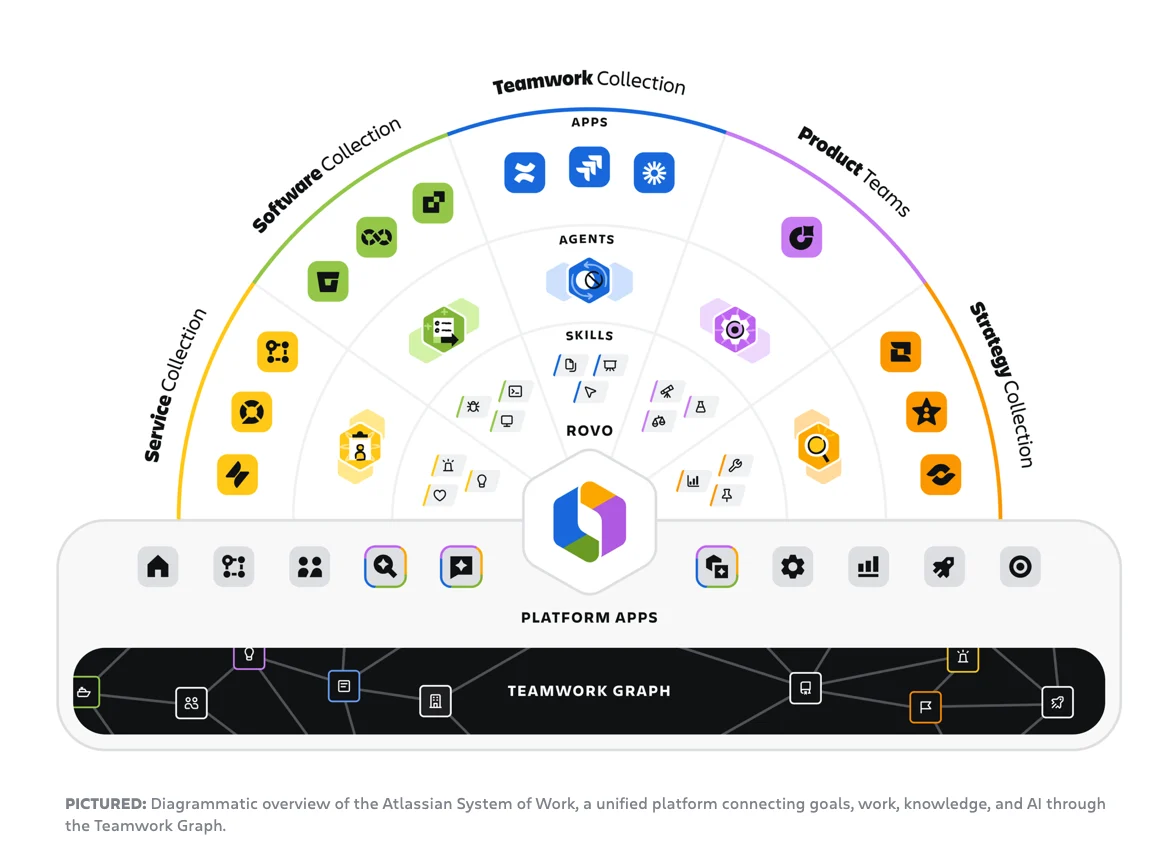
The integration of disparate data sources was another focal point, highlighted by a presentation on Teamwork Graph Connectors by Pio Software. In the modern enterprise, collaboration data is often fragmented across multiple platforms such as Jira, Confluence, Slack, Google Workspace, and Notion. The Teamwork Graph Connectors are designed to bridge these gaps, bringing scattered information into a single, unified knowledge graph. By mapping the complex relationships between people, projects, and content, these connectors unlock cross-tool intelligence. This data architecture is essential for powering the next generation of AI-driven insights and automation within the Atlassian Cloud, as it provides AI agents with the full context of a team’s "invisible work."
Beyond the technical presentations, the atmosphere of Atlas Camp 2026 was defined by its focus on community and professional networking. The social components of the event—ranging from informal breaks in the Krasnapolsky’s historic halls to evening networking sessions—were described as the "glue" that bonded the diverse group of attendees. This year’s conference saw a notable influx of new faces, representing a broadening of the community as more customers and partners explore technical topics ranging from advanced cloud migrations to bespoke AI agent development.
Looking forward, Atlassian has outlined an aggressive roadmap for the remainder of 2026. The momentum generated in Amsterdam is set to move to the Asia-Pacific region, with an upcoming Atlas Camp scheduled for Bengaluru, India, in June. As India’s primary tech hub, Bengaluru will host a two-day version of the conference, focusing on the latest developer updates and fostering collaboration within one of the world’s fastest-growing developer populations.
The culmination of Atlassian’s 2026 event circuit will be Atlassian TEAM ’26, scheduled to take place from May 5–7 at the Anaheim Convention Center in California. While Atlas Camp is specifically tailored to the "how" of development—focusing on technical implementation and API capabilities—TEAM ’26 is designed to address the "why" and the broader strategic vision of the entire Atlassian portfolio. The Anaheim event is expected to feature major breakthroughs in AI, the unveiling of new application collections, and a gathering of thousands of industry professionals. Early bird registration for TEAM ’26 is currently open, signaling Atlassian’s commitment to maintaining the "System of Work" as a central pillar of the global software industry.
The findings and announcements from Amsterdam underscore a pivotal shift in Atlassian’s strategy. By investing heavily in Forge as a unified development platform and Rovo as an AI-powered intelligence layer, the company is positioning itself not just as a provider of productivity tools, but as the foundational infrastructure for the AI-enabled enterprise. The success of Atlas Camp 2026 suggests that the developer community is ready to embrace this transition, moving away from isolated automation toward a deeply integrated, agent-led future.