11

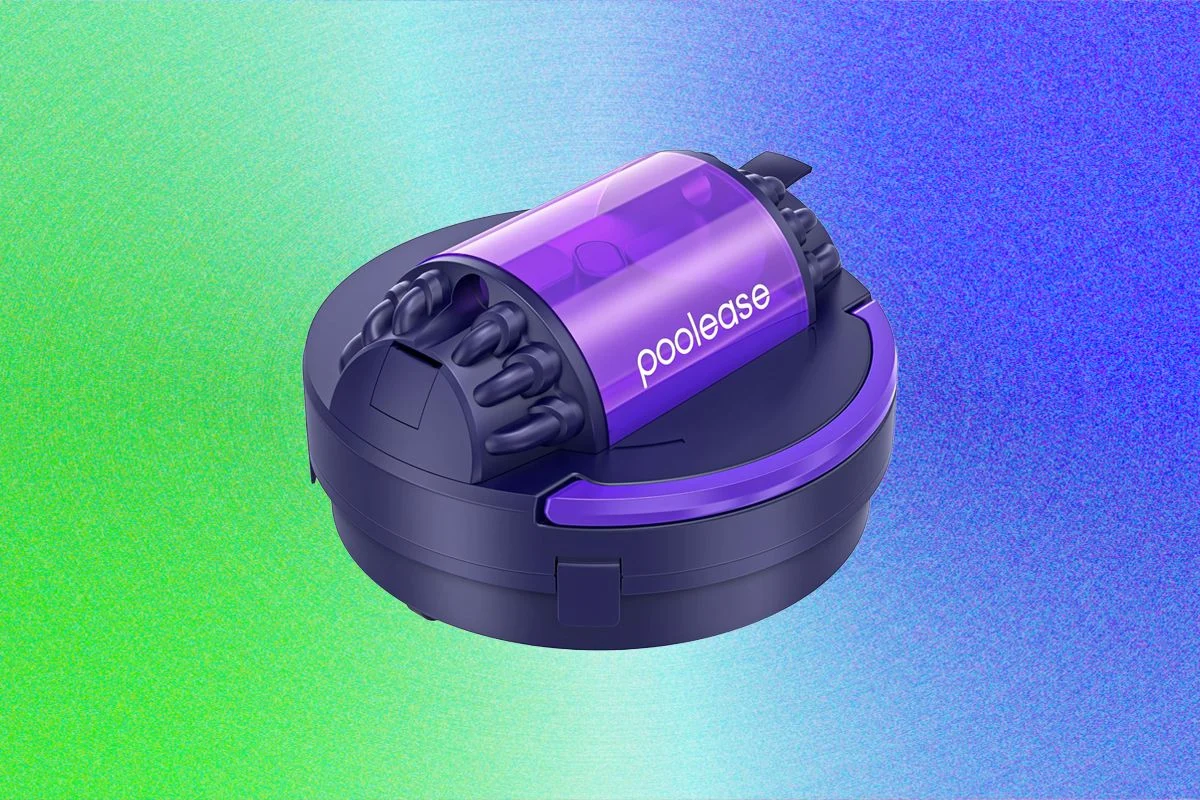
A recent evaluation of the Poolease X1 robotic pool cleaner has revealed a performance that, while exceeding some initial low expectations, ultimately falls short of delivering a comprehensive and hassle-free cleaning experience. The device demonstrated a noticeable inability to thoroughly clear pool floors, grappling with both organic and synthetic debris and frequently encountering operational impediments that required user intervention or resulted in prolonged cleaning cycles.
The primary function of any pool cleaner is the effective removal of debris, and in this regard, the Poolease X1 presented a mixed bag of results. During testing, the unit was typically able to collect approximately 70 to 80 percent of leaves, twigs, and other particulate matter found on the pool floor. While this collection rate was described by the reviewer as "better than I expected," the practical implication of the remaining 20 to 30 percent of debris was far from satisfactory. This uncollected material was not confined to a specific area but remained scattered randomly across the pool floor, undermining the aesthetic appeal and cleanliness of the water body. The reviewer starkly illustrated this point by drawing an analogy to lawn maintenance: "If your gardener left 20 percent of your lawn unmowed, you’d notice." This comparison underscores the visual and practical dissatisfaction stemming from incomplete cleaning, suggesting that even a relatively high percentage of debris removal can still leave a pool owner with a distinct sense of an unfinished task. The persistent presence of scattered debris necessitates further manual intervention, effectively diminishing the convenience that a robotic cleaner is intended to provide. The fact that the robot struggled with both organic matter, such as leaves, and synthetic particles further highlights a fundamental limitation in its collection mechanism or navigation pattern.
Beyond its collection efficacy, a significant operational flaw emerged in the Poolease X1’s susceptibility to becoming stuck during its cleaning cycles. The robot’s design features minimal clearance between its underside and the pool floor. This design characteristic proved problematic, particularly when the unit encountered the circular floor drain. This drain, which typically rises less than an inch above the main pool surface, presented a perfect storm for the X1. The reviewer noted on multiple occasions that the robot would "beach itself" on this slight elevation. In these instances, the minimal rise of the drain was just enough to lift the robot’s wheels off the ground, rendering them unable to gain traction and propel the unit forward. This effectively immobilized the cleaner, interrupting its programmed cleaning path and preventing it from continuing its work. Although the Poolease X1 eventually demonstrated the capability to free itself from these predicaments, the process was far from instantaneous. The robot would spend several minutes struggling to dislodge itself, during which time it was not actively cleaning. This not only extended the overall cleaning time but also raised concerns about the efficiency of its operation and the potential for cumulative wear and tear on its internal mechanisms as it repeatedly attempted to escape such obstructions. A pool with several such minor irregularities could see the robot spending a substantial portion of its operational cycle in a state of self-extrication rather than active debris removal.

The user experience extends beyond the cleaning cycle itself, encompassing the retrieval and maintenance of the device. Once the Poolease X1 completes its run, it requires manual retrieval from the pool. This process involves using a pole and a hook, with the hook conveniently included with the unit. While the initial cleanout process for the robot’s debris compartment was described as "simple," further interaction revealed additional complexities and inconveniences. Debris, particularly finer particles or larger leaves, regularly became lodged in several narrow crannies within the robot’s chassis. These intricate internal spaces made it difficult to fully clear the collected waste. To dislodge the stubborn debris, the reviewer resorted to two methods: either painstakingly picking out the material by hand, which is time-consuming and often messy, or utilizing the powerful jet mode of a garden hose to blast the debris out. The latter method, while effective in clearing the internal compartments, often resulted in the user being soaked in the process, adding an element of discomfort and inconvenience to what should be a straightforward post-operation task. This suggests a design flaw in the debris management system, where accessibility for cleaning was secondary to other considerations, leading to a less than ideal user maintenance experience.
Furthermore, a critical observation regarding the robot’s cleaning capabilities was its complete failure to collect any noticeable amount of dirt or silt. This fine particulate matter, which often settles at the bottom of pools, contributes significantly to water cloudiness and overall unhygienic conditions. The absence of dirt and silt collection led the reviewer to suspect that the Poolease X1’s suction system simply lacks the necessary power or design efficiency to effectively tackle these finer sediments. This limitation means that even if the robot manages to collect a substantial portion of larger debris, it leaves behind a fundamental layer of grime, necessitating separate cleaning methods for a truly pristine pool. For pool owners seeking a comprehensive cleaning solution, this deficiency represents a significant drawback, as it means the robot cannot serve as a standalone device for maintaining overall pool hygiene.
These performance and design observations culminate in what the reviewer termed a "value conundrum." Despite its specifications, the Poolease X1 was definitively deemed "not remotely powerful enough" for the reviewer’s pool. This assessment strongly suggests that the robot’s utility is severely limited, possibly to "very small tank-style pools" where the volume of water and debris is minimal, and the risk of encountering obstructions like floor drains is reduced. Such pools, often found in compact urban settings or used for specific purposes, might represent the true niche for this device.
The low price tag of approximately $110 positions the Poolease X1 as a "low-risk investment." This affordability might appeal to consumers who are hesitant to spend significantly more on higher-end robotic cleaners, or those who might only require an occasional, supplementary cleaning tool for "emergencies." However, this initial low cost must be weighed against its operational limitations and the potential for ongoing manual intervention. The adage, "you get what you pay for," resonates strongly in the context of the Poolease X1. The reviewer humorously, yet pointedly, compared the robot’s performance to "tasking your 5-year-old to clean up his room." While a child might "try" and achieve some level of tidiness, the expectation for a thorough, professional-level clean is inherently unrealistic. This analogy effectively encapsulates the core issue with the Poolease X1: it makes an effort, and may even achieve partial results, but ultimately lacks the sophistication, power, and design integrity to deliver a truly effective and autonomous pool cleaning solution for most standard pool environments. The minimal initial outlay may quickly be offset by the continued need for manual cleaning or the eventual purchase of a more capable, albeit more expensive, alternative.