 11

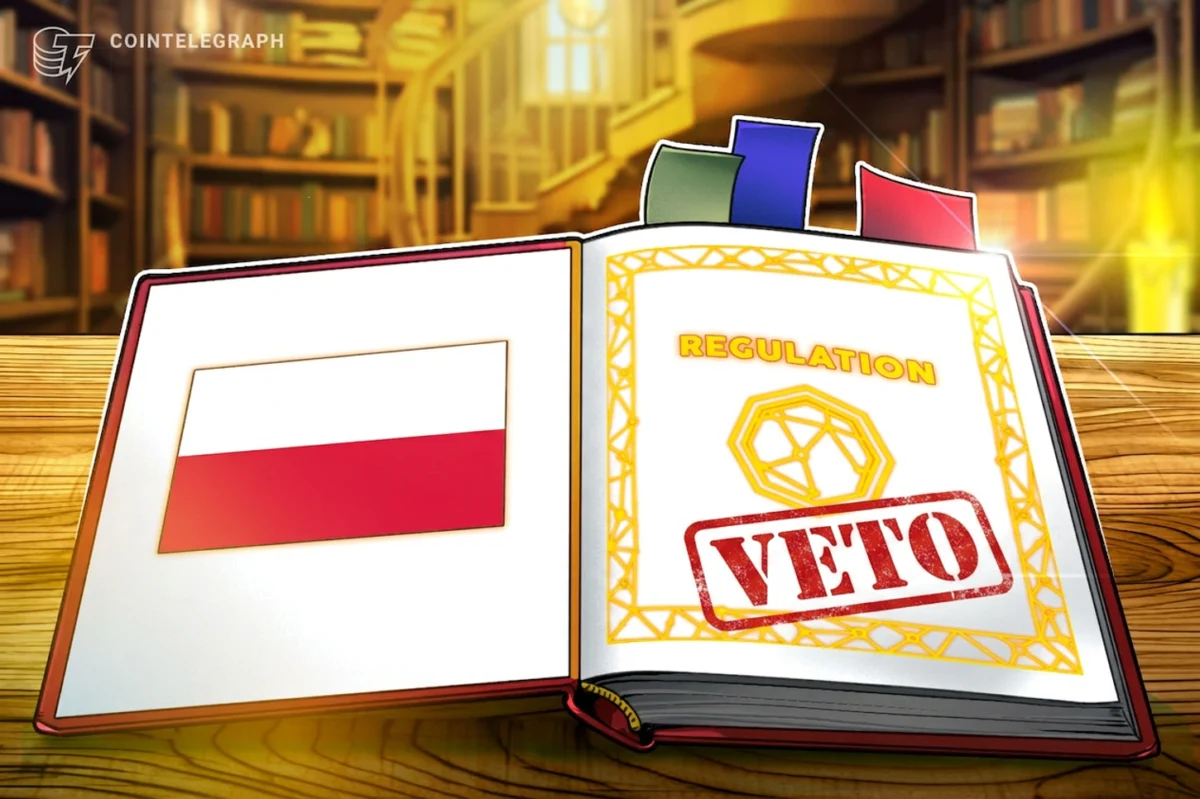
Polish lawmakers have once again fallen short of the necessary three-fifths majority to override President Karol Nawrocki’s veto on legislation designed to bolster the oversight of the country’s cryptocurrency market. The Sejm, Poland’s lower house of parliament, voted 241 in favor and 198 against the override on Friday, with three abstentions. This outcome meant the bill fell 25 votes shy of the 266 required to nullify the presidential veto, marking the latest setback in Poland’s efforts to establish a comprehensive regulatory framework for digital assets.
This latest parliamentary vote is the third attempt by the Sejm to advance crypto market regulations, with President Nawrocki having vetoed similar legislation on two previous occasions. His primary objection has consistently centered on the argument that the proposed rules would lead to the overregulation of the cryptocurrency industry. This ongoing regulatory impasse unfolds against the backdrop of a deepening scandal involving the defunct cryptocurrency exchange Zondacrypto, whose Estonian operator has been declared bankrupt. The gravity of the situation has been underscored by Prime Minister Donald Tusk, who has cited an expanding criminal investigation as a key driver for the urgent need for tighter crypto oversight.
Poland Remains Without a Designated MiCA Crypto Supervisor
The vetoed legislation was specifically intended to establish Poland’s national framework for the implementation of the European Union’s Markets in Crypto-Assets Regulation (MiCA). A crucial element of this proposed framework was the placement of direct oversight for the crypto market under the purview of the Polish Financial Supervision Authority (KNF). However, in the wake of the failed veto override, the KNF issued a statement on Friday confirming that Poland still lacks a designated authority responsible for supervising the cryptoasset market. This situation is particularly concerning given that MiCA is already in effect across the European Union, creating a regulatory vacuum within Poland.
President Nawrocki has publicly stated his support for crypto regulation in principle. However, he maintains that the specific rules proposed in the vetoed bill represent an overreach. His concerns have been articulated around potential excessive regulatory costs for businesses and the broad powers granted to authorities to block websites, which he views as disproportionate. This stance has contributed to the prolonged delay in enacting crucial market safeguards.
Zondacrypto Probe Expands Amid Bankruptcy and Allegations of Political Influence
The timing of the parliamentary vote on Friday was significantly influenced by recent disclosures concerning the Zondacrypto investigation. Prime Minister Donald Tusk revealed excerpts from what he described as testimony from a key witness in the Zondacrypto investigation. These revelations included alleged payments and attempts to influence politicians, with connections drawn to individuals associated with Poland’s previous government.
According to Tusk, the witness’s testimony pointed to a payment arrangement totaling 2 million Polish zloty (approximately $550,000 USD). This arrangement allegedly involved a foundation linked to Zbigniew Ziobro, the former Justice Minister. In a separate piece of testimony cited by Tusk, the witness claimed that an unnamed individual had promised to secure a presidential pardon in the event of a conviction. These allegations have intensified scrutiny on the handling of the Zondacrypto case and the broader implications for political integrity.
The ongoing investigation by Polish prosecutors is examining suspected fraud and money laundering activities connected to Zondacrypto. In July, these investigations were merged with a separate probe into the 2022 disappearance of Sylwester Suszek, the founder of BitBay, a platform that was later rebranded as Zondacrypto. The scale of the alleged financial misconduct has also come into focus. In April, prosecutors in Katowice estimated that losses linked to Zondacrypto amounted to no less than 350 million Polish zloty (approximately $95 million USD).
Adding to the gravity of the situation, Zondacrypto’s operator, BB Trade Estonia, was officially declared bankrupt by an Estonian court in August. The first creditors’ meeting for the bankrupt entity is scheduled to take place on September 17th, signaling a formal step in the process of addressing the fallout from the exchange’s collapse.
The repeated failure to enact the crypto market oversight legislation, coupled with the deepening Zondacrypto scandal, highlights significant challenges within Poland’s regulatory and political landscape. The country’s continued absence of a designated MiCA supervisor leaves its crypto market in a state of uncertainty, potentially exposing investors and the financial system to greater risks. The unfolding investigation into Zondacrypto and its alleged connections to political figures further complicates the situation, raising questions about governance and accountability in the digital asset sector. The outcome of future legislative attempts and the progression of the Zondacrypto investigation will be critical in shaping Poland’s approach to cryptocurrency regulation and its integration into the broader European Union framework.






