 11

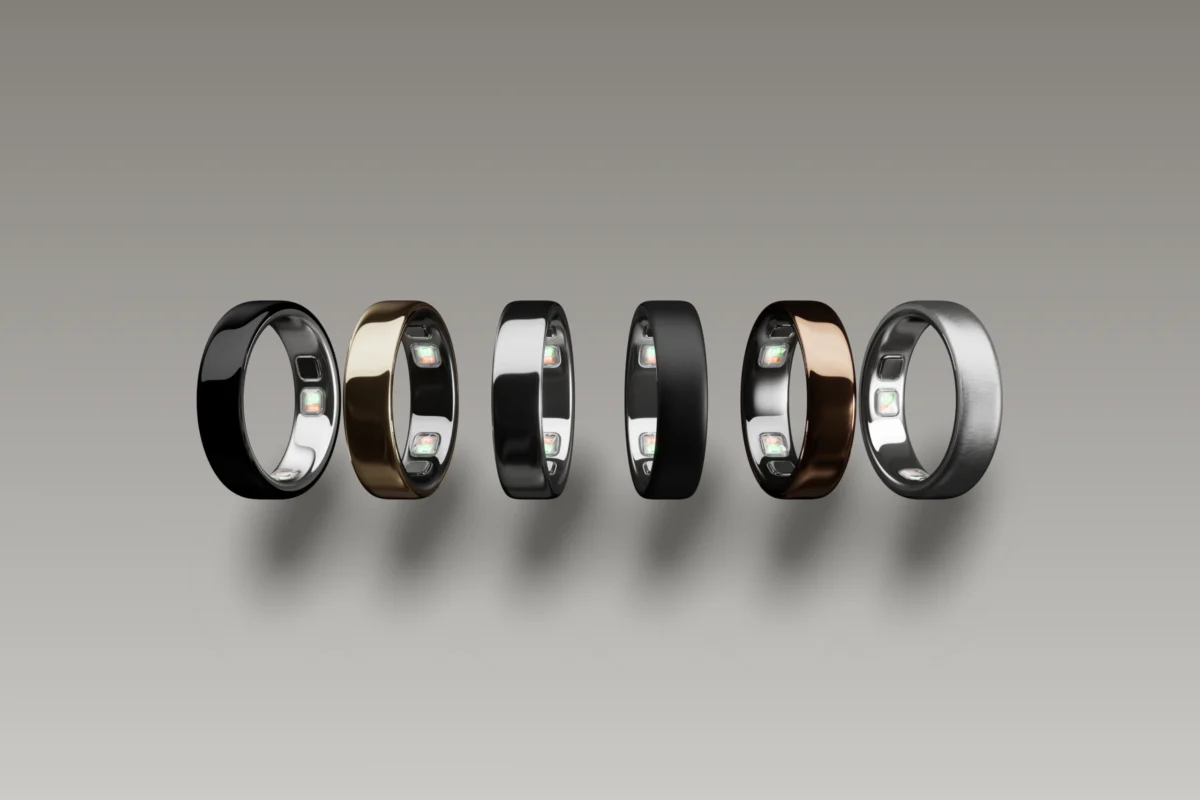
The smart ring market is experiencing a significant transformation, marked by increased competition and a rapid expansion of features, as evidenced by Oura’s recent filing to go public on September 3. The Finnish company, long a dominant force in the wearable technology sector, is not resting on its laurels despite impressive financial performance. Its revenue nearly doubled to a staggering $1.21 billion for the nine months ending June 30, underscoring its strong market position. Oura also reported selling 3.6 million rings over the past year and boasts a robust subscriber base of approximately 5 million paid members. This strategic move to enter the public market follows the successful launch of the Oura Ring 5, lauded as its slimmest and lightest iteration to date, further solidifying its product line.
While Oura has maintained a commanding lead in the smart ring space for several years, a diverse array of rivals is now emerging from various corners of the globe, each vying to carve out its niche and potentially dethrone the market leader. These new entrants are betting on distinct technological angles and user experiences, leading to a dynamic and increasingly complex market landscape. The competition is pushing the boundaries of what a smart ring can do, moving beyond the foundational health and sleep tracking features that initially defined the category.
The core appeal of smart rings traditionally lay in their discreet nature, offering health and wellness monitoring without the intrusiveness of larger devices like smartwatches or smartphones. Users could maintain a connection to their biometric data while stepping away from screens. However, the current trajectory of the smart ring industry suggests a significant departure from this original ethos. The race is no longer solely about enhancing health and sleep insights; it has evolved into a quest to integrate as many smartphone-like functionalities as possible into a compact, two-gram titanium band. This includes capabilities ranging from tap-to-pay options and haptic feedback to even more ambitious goals like running software directly on the device, potentially enabling AI interactions or mobile gaming. This rapid evolution raises questions about whether smart rings are destined to become "mini smartphones" slipped onto our fingers, potentially undermining their initial promise of unobtrusive technology. The market is witnessing the advent of rings with screens, such as the Pebble Halo (currently available in India), and those promising integrated touchpads, like the Dreame Ring, pushing the boundaries of form and function.

To navigate this increasingly crowded and multifaceted market, a closer look at the key contenders challenging Oura’s reign reveals their distinct strategies and technological innovations.
Ultrahuman
The Indian company Ultrahuman is making significant strides in the smart ring sector, recently announcing a substantial $70 million funding round with backing from Qualcomm’s venture arm. This investment fuels Ultrahuman’s ambitious vision to develop a smart ring capable of running software directly on the device. This pioneering approach aims to transform the smart ring into a more versatile computing platform, potentially powering advanced AI interactions and even games. Earlier this year, Ultrahuman unveiled its third-generation smart ring, the $479 Ring Pro, which is slated to begin shipping in the U.S. in mid-September.
Ultrahuman’s journey in the U.S. market has faced considerable challenges. In October 2025, its U.S. business was disrupted by a U.S. International Trade Commission ruling that favored Oura in a patent dispute. This ruling temporarily prevented Ultrahuman from importing new ring inventory into the country. In response, Ultrahuman innovated by developing the Ring Pro with a completely redesigned form factor specifically to circumvent Oura’s patent, demonstrating resilience and a commitment to its market presence. The Ring Pro features an advanced heart-rate sensing system engineered to enhance signal quality during sleep, alongside a new dual-core processor designed for more accurate data collection and increased on-device processing capabilities. This commitment to hardware and software innovation underscores Ultrahuman’s intent to go beyond traditional sleep and health tracking, aiming for a future where smart rings serve as intelligent, interactive devices.

Circular
Hailing from France, Circular is preparing to launch its highly anticipated Ring 3 series early next year, which will include both a Pro model and a Slim option. A standout feature across both smart rings in this series will be an integrated NFC chip, enabling seamless contactless payments directly from the wearer’s finger. Furthermore, the rings will incorporate on-finger vibrations, providing versatile alerts for silent wake-up alarms, timely reminders, and critical vital health notifications.
The Ring 3 Pro, designed with a slimmer profile than its predecessor, will offer an advanced suite of health monitoring features. These include FDA-cleared ECG for atrial fibrillation (AFib) detection, blood pressure trend tracking, and glucose tracking, along with sophisticated sleep analysis and comprehensive biometric monitoring. These medical-grade functionalities position Circular as a strong contender in the health-focused segment of the market, offering users a more holistic and clinically relevant understanding of their well-being. Pricing details for the upcoming Circular rings have not yet been disclosed, but their feature set suggests a premium offering.
RingConn

The Chinese company RingConn debuted its smart ring this year, notably incorporating haptic vibrations as a key feature. The RingConn Gen 3, which launched in May with a starting price of $349, distinguishes itself with vascular health insights. These insights are derived from the ring’s sensor data, which assesses changes in vascular strain over time after initial calibration with externally measured blood pressure values. This unique approach provides users with a deeper understanding of their cardiovascular health.
In addition to vascular insights, the RingConn Gen 3 tracks a comprehensive array of metrics, including heart rate, blood oxygen saturation, sleep patterns, activity levels, and stress indicators. The device also features vibration alerts, primarily serving as a mechanism for notifying users of significant health changes, prompting sedentary reminders, and indicating low battery status. Unlike Circular, which emphasizes haptics for a broader range of communicative alerts, RingConn largely maintains its focus on vibration as a direct health-alert mechanism, prioritizing critical notifications.
Samsung
The entry of tech behemoth Samsung into the smart ring arena in 2024 marked a pivotal moment for the industry. The Galaxy Ring, priced at $399 and launched on July 24, represents arguably the strongest challenge to Oura, particularly for consumers already embedded in Samsung’s extensive ecosystem of devices. Samsung’s vast distribution network and brand recognition provide an inherent advantage in reaching a broad consumer base.

However, when compared to the specialized offerings from companies like Oura, Ultrahuman, and RingConn, the Galaxy Ring is relatively more basic in its advanced health and sleep tracking capabilities. It currently lacks certain sophisticated features, such as sleep apnea detection, which are offered by its more established smart ring competitors. Similarly, AFib detection, a feature found in Circular and RingConn smart rings, is not present in the initial Galaxy Ring offering. While it may not lead in cutting-edge biometric analysis, its seamless integration with Samsung Health and other Galaxy devices could be a powerful draw for a significant segment of the market prioritizing ecosystem compatibility.
Dreame
Dreame, a relatively new player in the smart ring market, unveiled its innovative ring earlier this year, setting itself apart with unique interactive features. This ring is equipped with haptic alerts designed to notify users of alarms, incoming calls, messages, and more. Beyond standard notifications, Dreame’s offering includes a small touchpad, enabling users to perform various smartphone-linked actions directly from their finger, such as skipping a song in a playlist or snapping a photo on their connected phone.
In terms of health tracking, the Dreame ring is also said to offer essential metrics including heart rate tracking, blood oxygen monitoring (SpO2), heart rate variability (HRV) insights, and comprehensive sleep analysis. While its pricing and availability details have yet to be officially announced, Dreame’s focus on combining haptic feedback with a functional touchpad highlights the industry’s trend towards integrating more interactive and control-oriented features into the discreet form factor of a smart ring.

The Evolving Landscape
The current state of the smart ring market, characterized by Oura’s impending IPO and the rapid proliferation of feature-rich competitors, reflects a significant shift. The initial allure of smart rings as minimalist, non-intrusive health trackers is now being challenged by an industry-wide push to embed more smartphone-like functionalities. From contactless payments and advanced diagnostic capabilities to on-device software and interactive touchpads, these devices are quickly becoming miniature computers for the finger. This evolution, while offering unprecedented convenience and data insights, ironically brings the smart ring closer to the very devices it sought to replace in terms of complexity and potential for digital distraction. As the market continues to evolve, the distinction between a discreet health tracker and a fully-fledged "mini smartphone" wearable will likely become increasingly blurred, shaping the future trajectory of personal technology.






