11

Optimizing content for AI search involves making web pages more likely to be cited by AI assistants when users ask relevant questions. While this may seem like a new frontier, it largely builds upon established SEO principles. Both Google and Microsoft emphasize that their AI search functionalities remain anchored in their core search systems. For AI systems to cite content, pages must remain crawlable, indexable, and demonstrably useful.

Google asserts that its AI search features continue to rely on its fundamental search systems, meaning content must be accessible and valuable to search engine crawlers. Similarly, Microsoft indicates that Bing’s index is evolving from a mere list of web pages into a repository of factual information that AI systems can leverage to construct answers. This convergence of perspectives suggests a shift where traditional ranking remains crucial, but the ability of content to provide clear, trustworthy facts for AI consumption is gaining equal importance.

To effectively optimize for AI search, content creators must ensure their pages are accessible to AI systems, offer information that directly addresses user queries and is inherently valuable, present facts clearly and concisely, maintain the currency and accuracy of that information, and actively monitor citations. AI agents can assist in these processes by checking accessibility, reviewing passages, identifying inconsistencies, and analyzing citation data, though the ultimate editorial decisions remain with human creators. This article delves into the strategic thinking behind AI search optimization, outlining actionable steps, areas requiring manual review, and prompts for leveraging AI agents. The AI skills and prompts discussed are compatible with agentic environments such as Letaido, Claude Code, ChatGPT Agents, and Codex.
1. Ensure AI Bots Can Access Your Pages
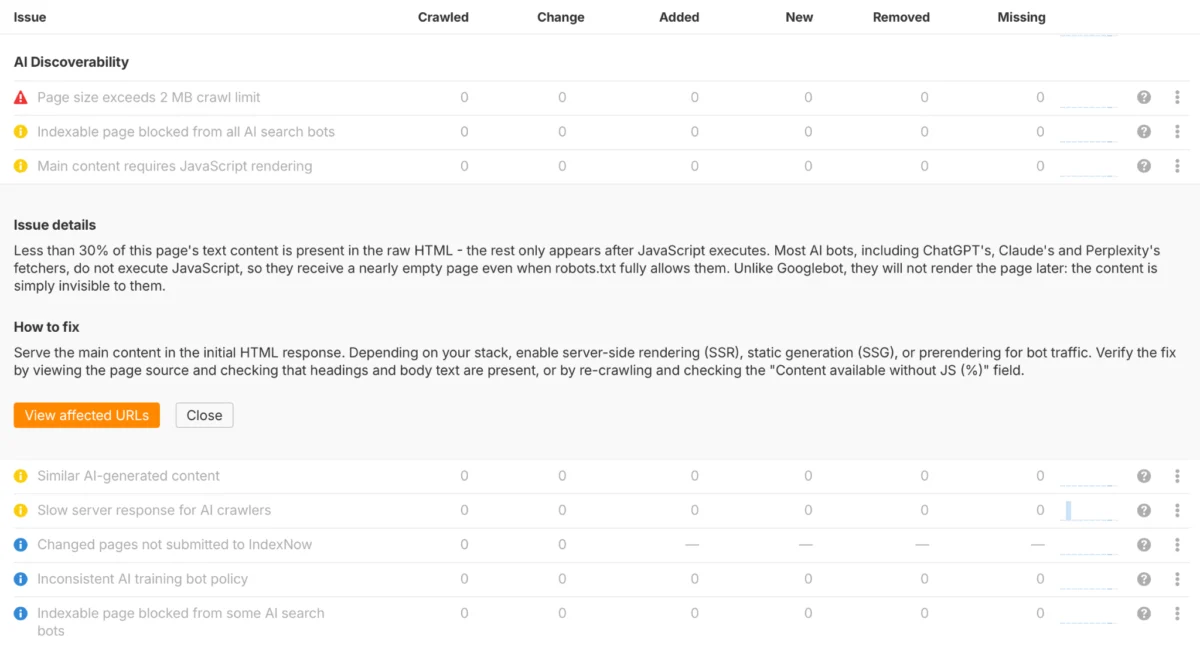
The foundational step in AI search optimization is ensuring that AI systems can access and read your web pages. Without this basic accessibility, no further optimization efforts will be effective. Technical audits are crucial, and AI agents can streamline this process.
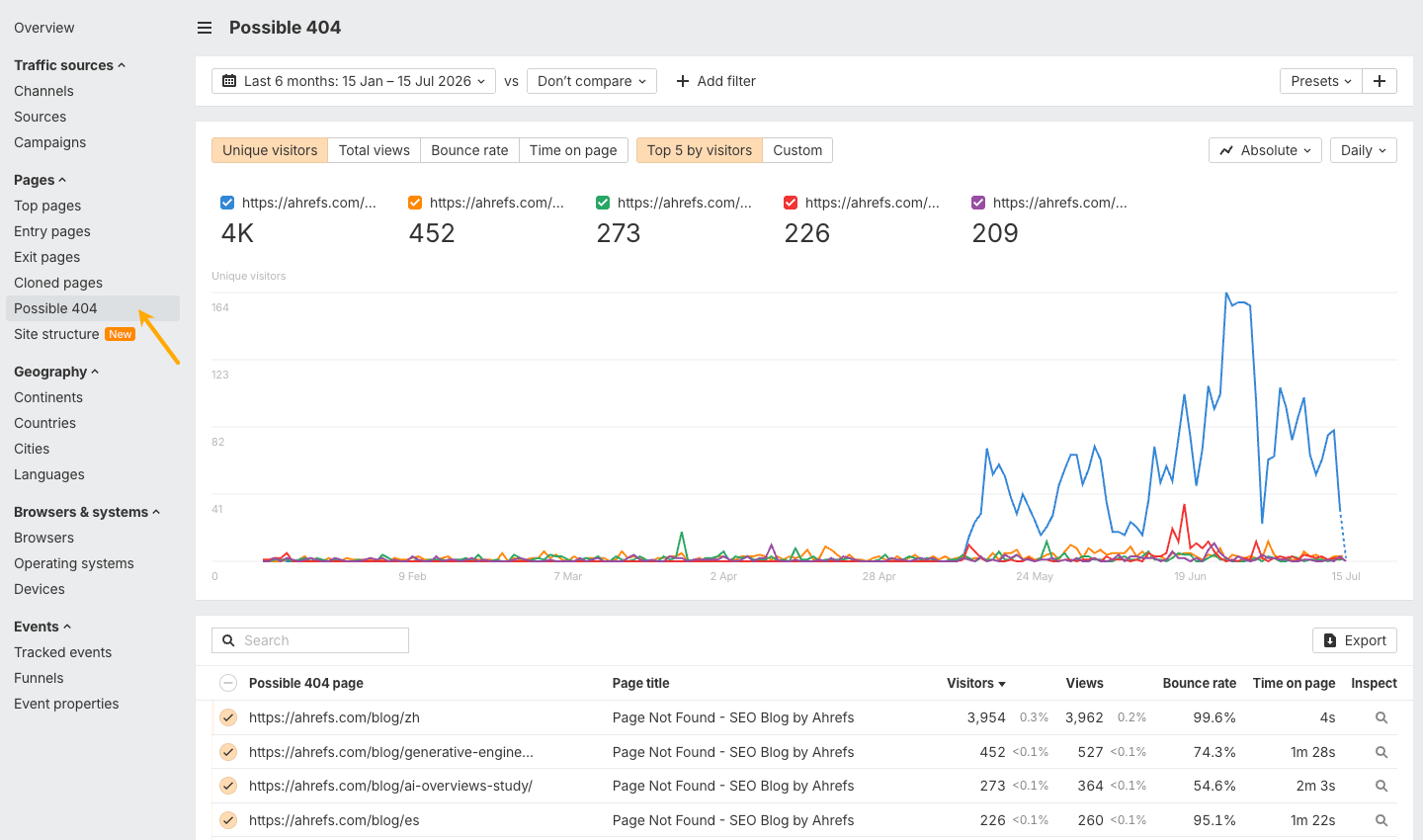
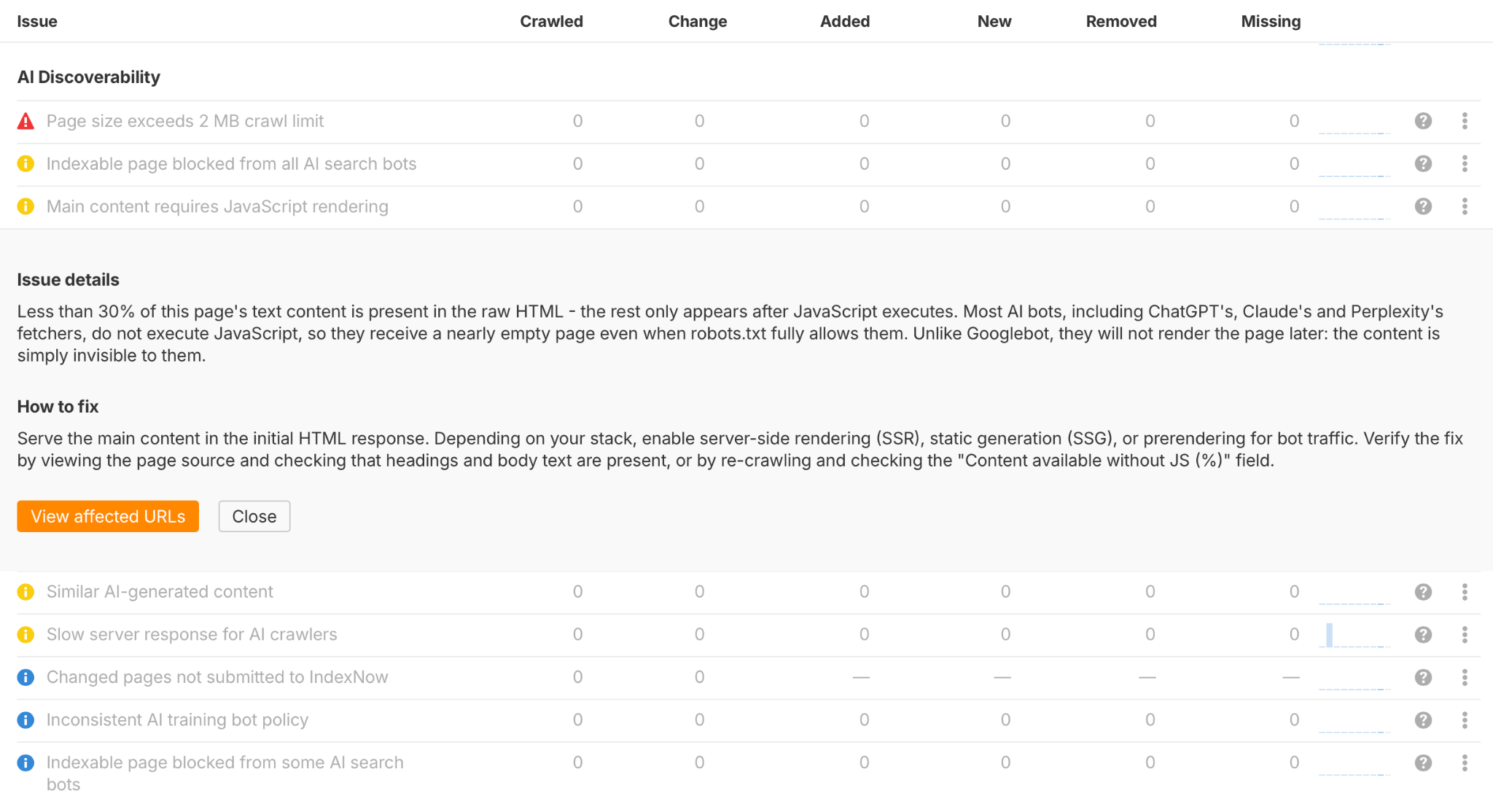
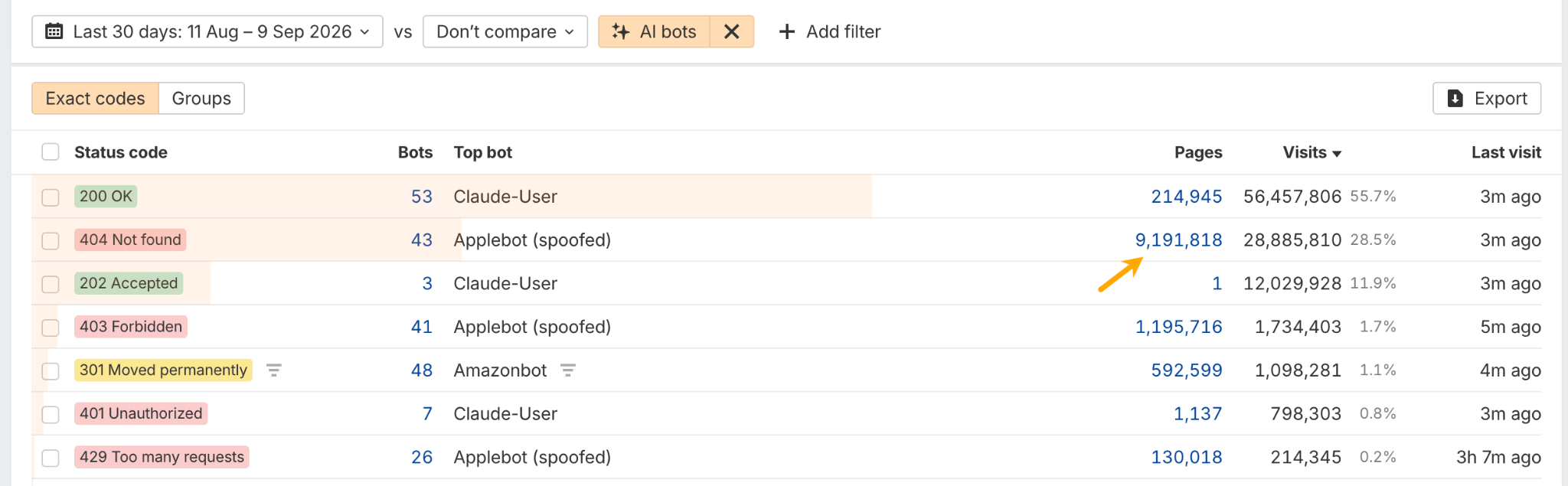
Key checks include verifying crawlability and identifying common AI crawl errors. Tools like Ahrefs’ Site Audit can highlight AI-specific discoverability issues with recommendations for resolution. Bot Analytics is essential for investigating unsuccessful AI bot requests, particularly those resulting in 404, 499, and 5xx status codes, which help differentiate between missing URLs, interrupted requests, and server errors. Web Analytics can further reveal which broken 404 pages are receiving traffic from AI search users, prompting the need for redirects to relevant live pages. Recurring 404s can also signal opportunities to create content that addresses unmet user needs identified by AI.
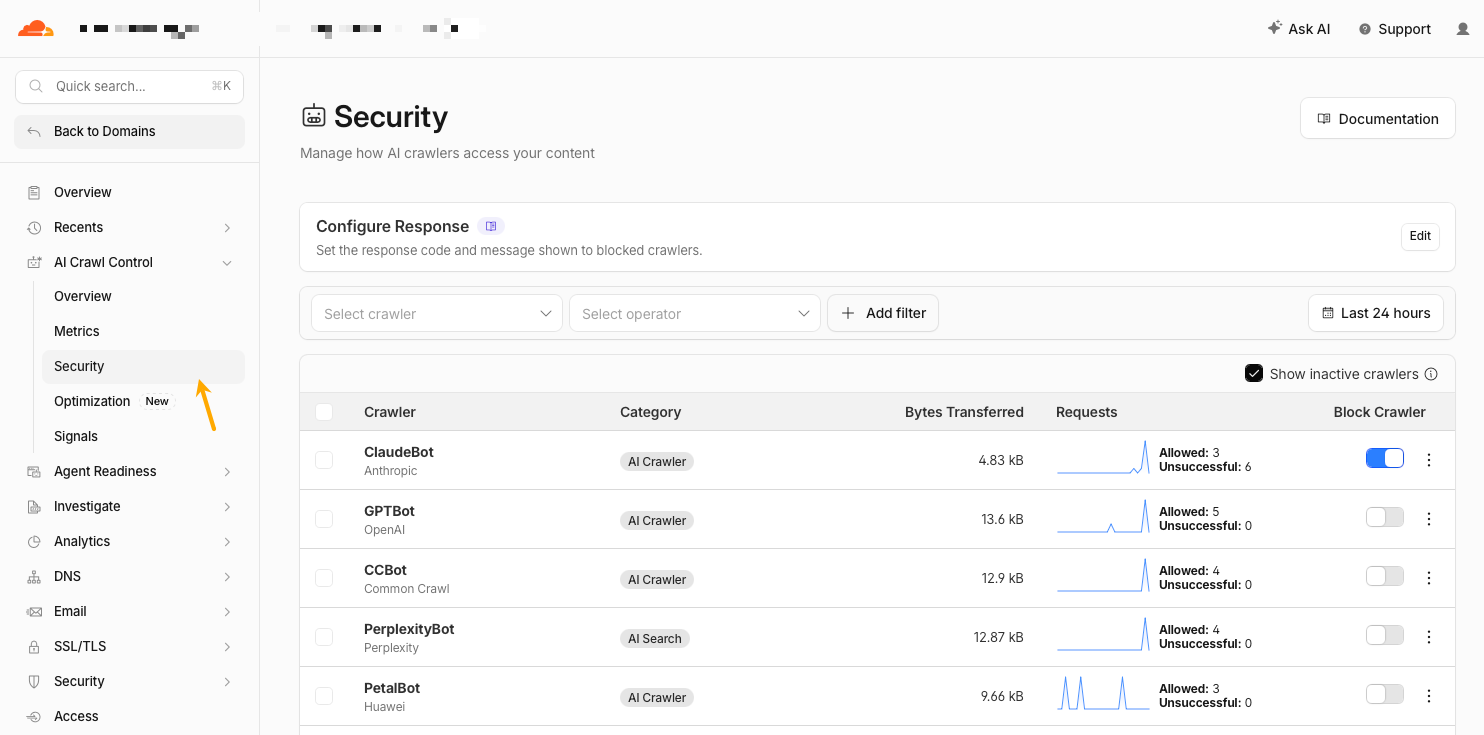
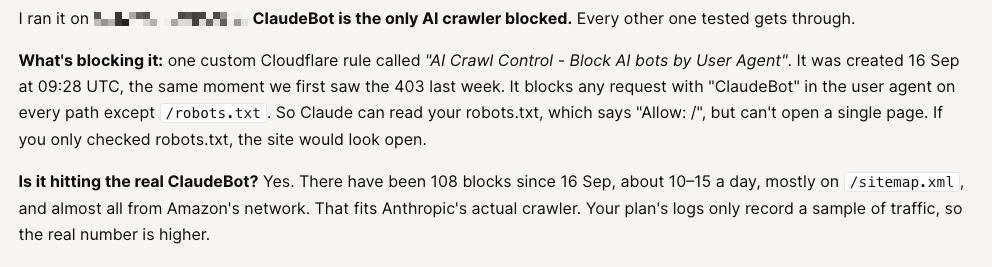
Server settings and security measures also play a role. Firewalls, CDNs, and server configurations should be reviewed to ensure AI crawlers are not inadvertently blocked. Tools like Cloudflare’s AI Crawl Control can help manage these security settings.
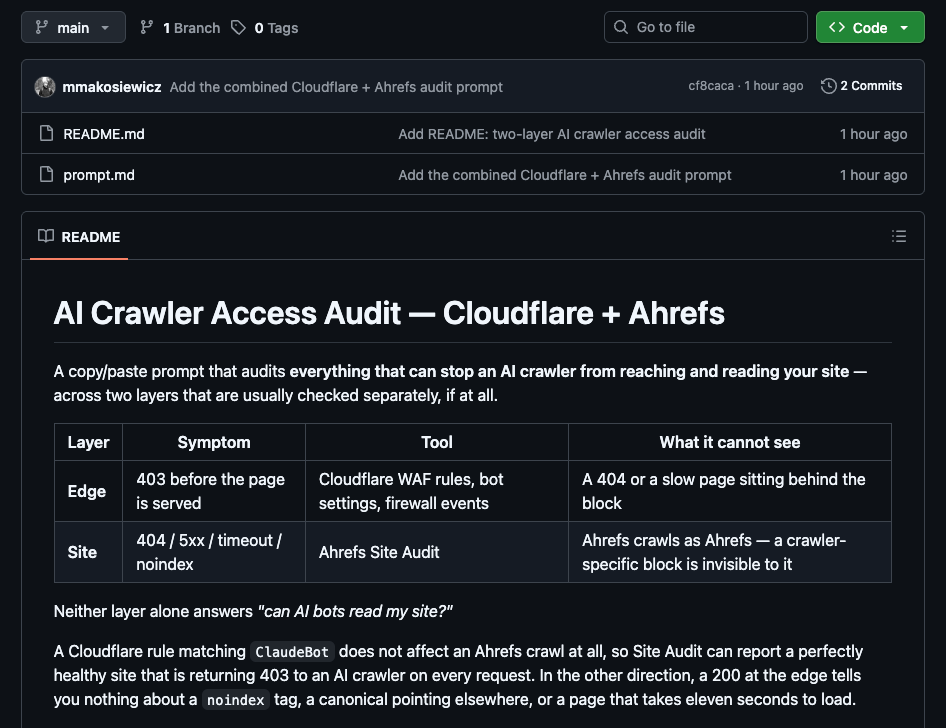
AI agents can automate many of these accessibility checks. With appropriate access, an agent can examine robots.txt, noindex rules, status codes, redirects, visible content, links, WAF rules, and crawler visit logs. For instance, an AI crawler access audit prompt, available on GitHub, can assist in identifying issues such as AI bots being blocked by WAF rules.
2. Create Content That Matches AI Search Queries and is Worth Retrieving
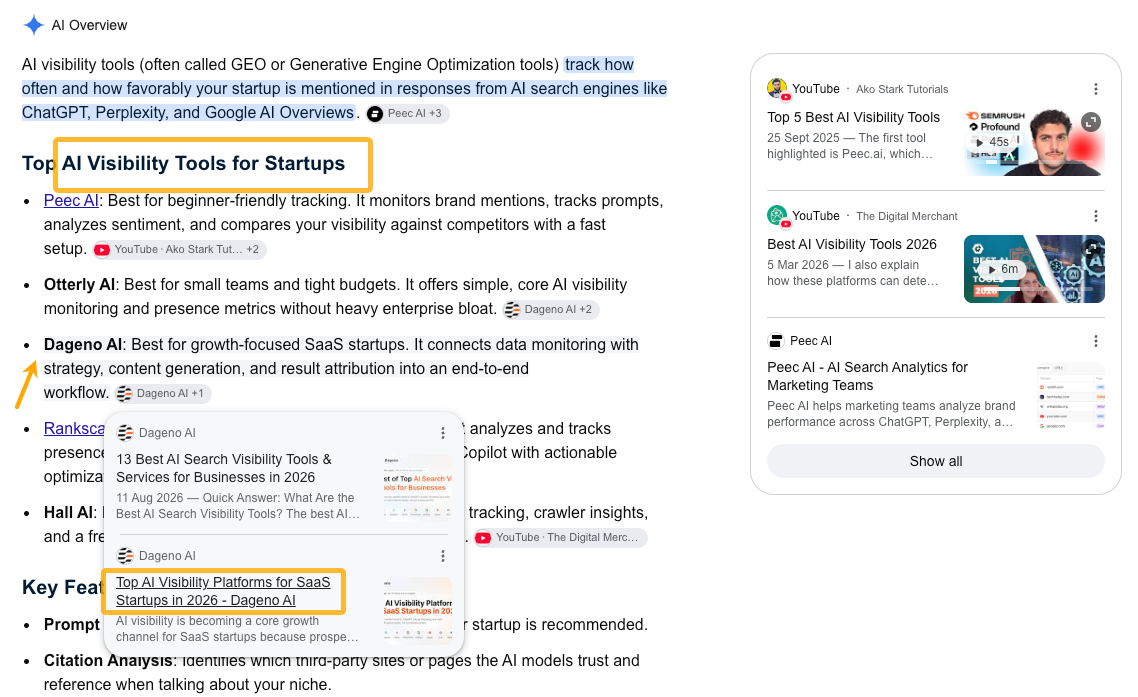
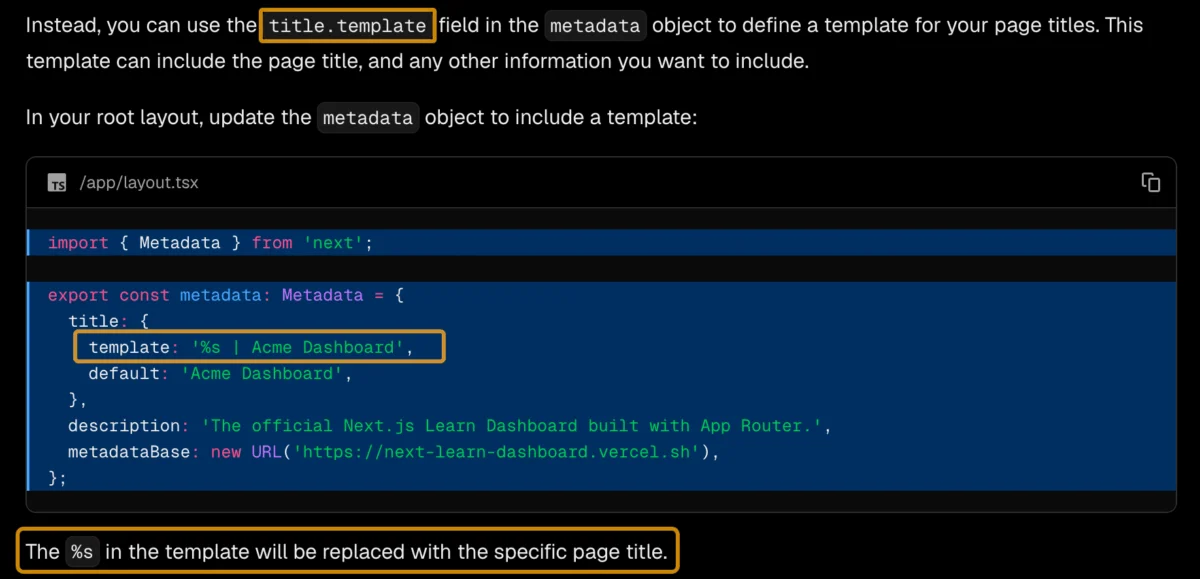
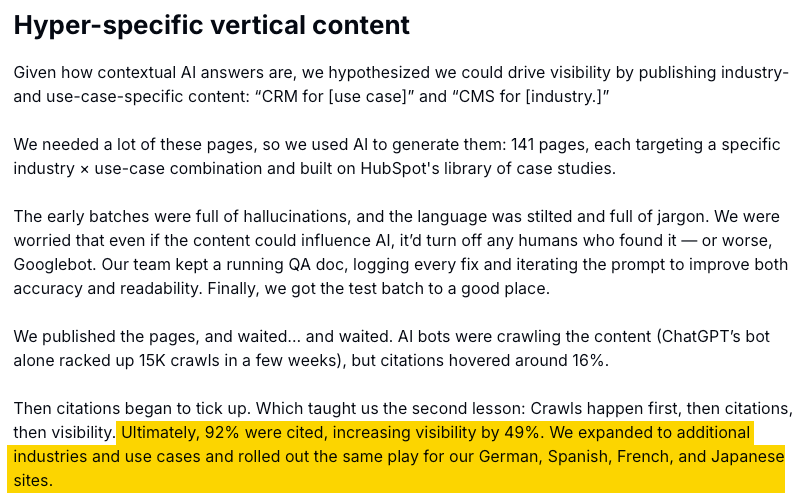
Content optimization for AI search requires a clear alignment between the page’s topic and the user’s query. This alignment should be evident in the page title, meta description, headings, and the body content itself. Creating dedicated content for specific, high-intent queries, such as "AI visibility tools for startups," is more effective than burying the answer within broader topic pages. This hyper-specific approach has been shown to improve AI visibility and expand reach across various industries and markets, as demonstrated by HubSpot’s case studies.
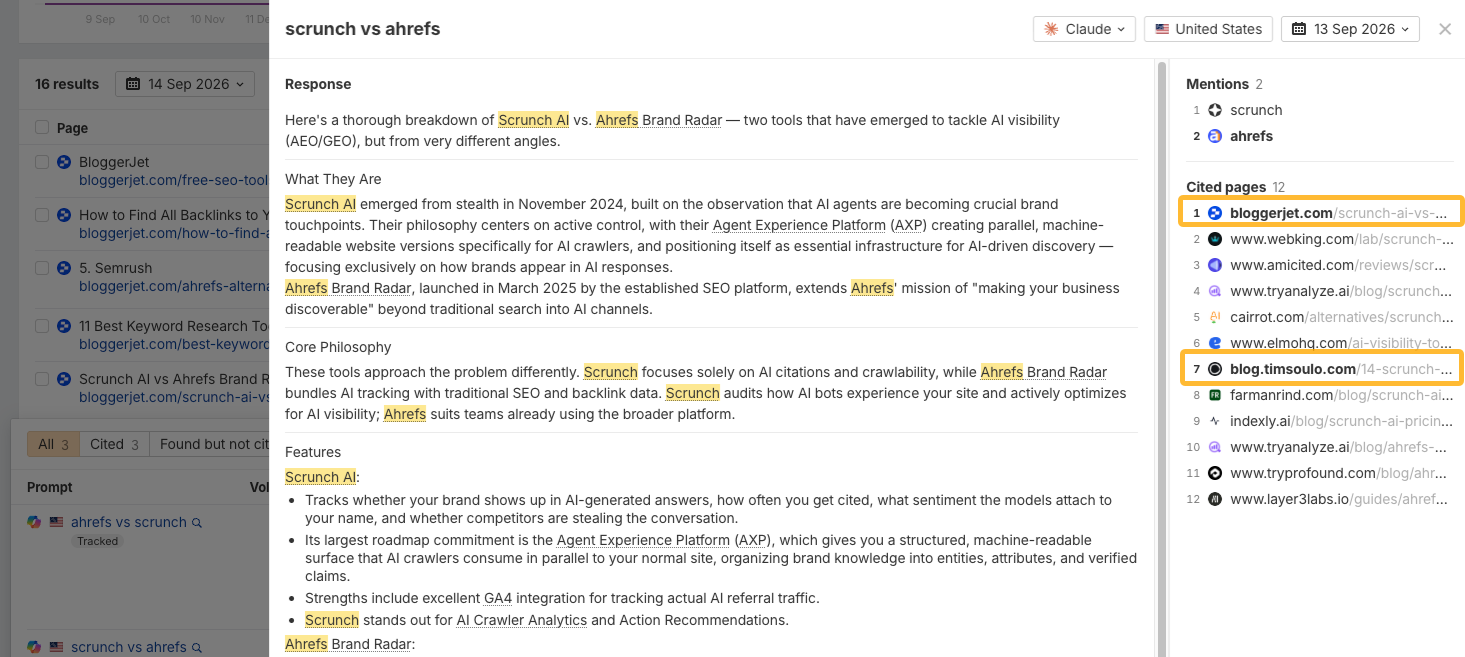
Beyond mere relevance, the content must offer unique value that AI systems find worth retrieving. Generic or repetitive content is easily replaceable. Information that is harder to reproduce, such as original examples, survey data, benchmarks, detailed workflows, customer insights, and expert opinions, tends to stand out and be more frequently cited.
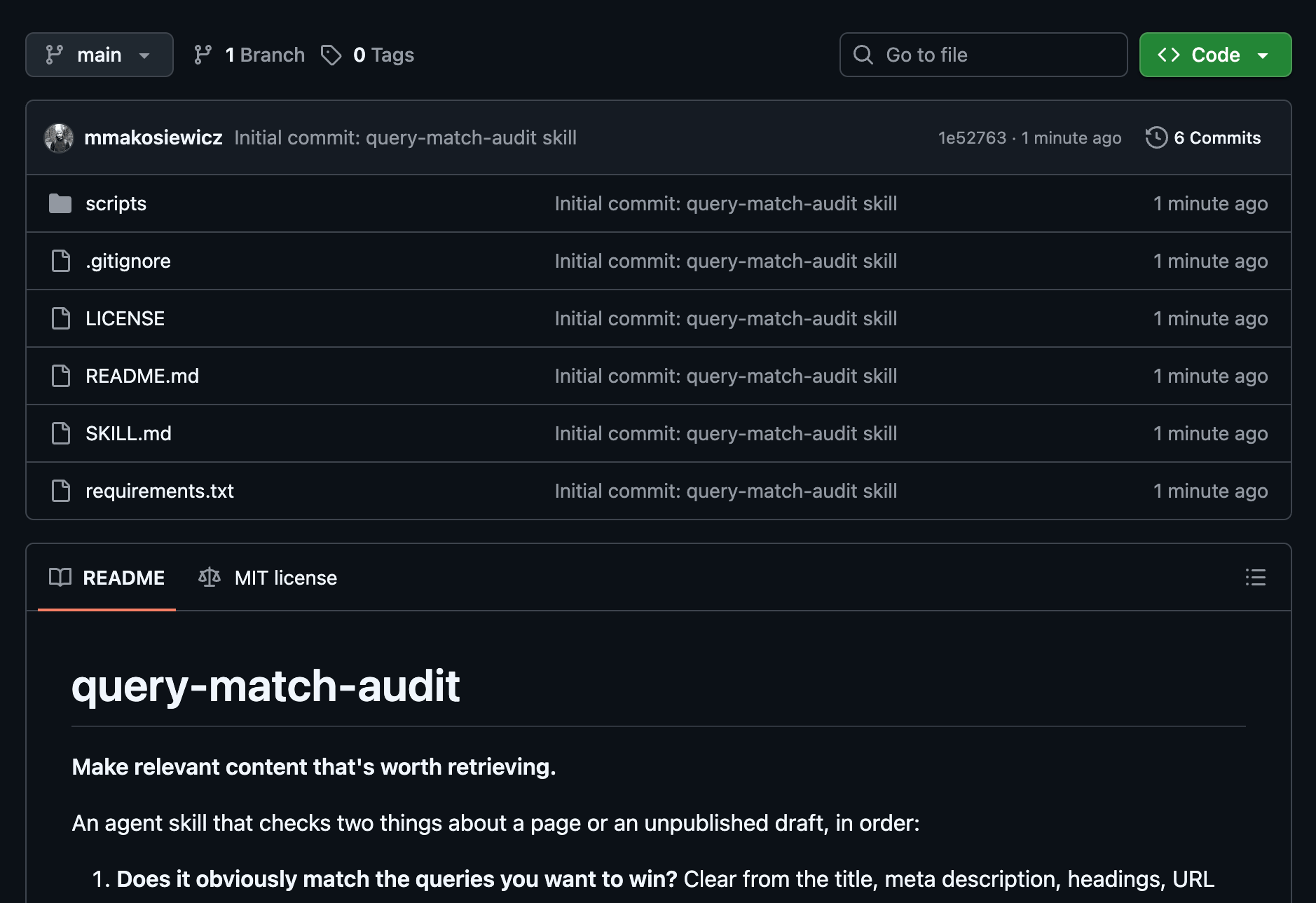
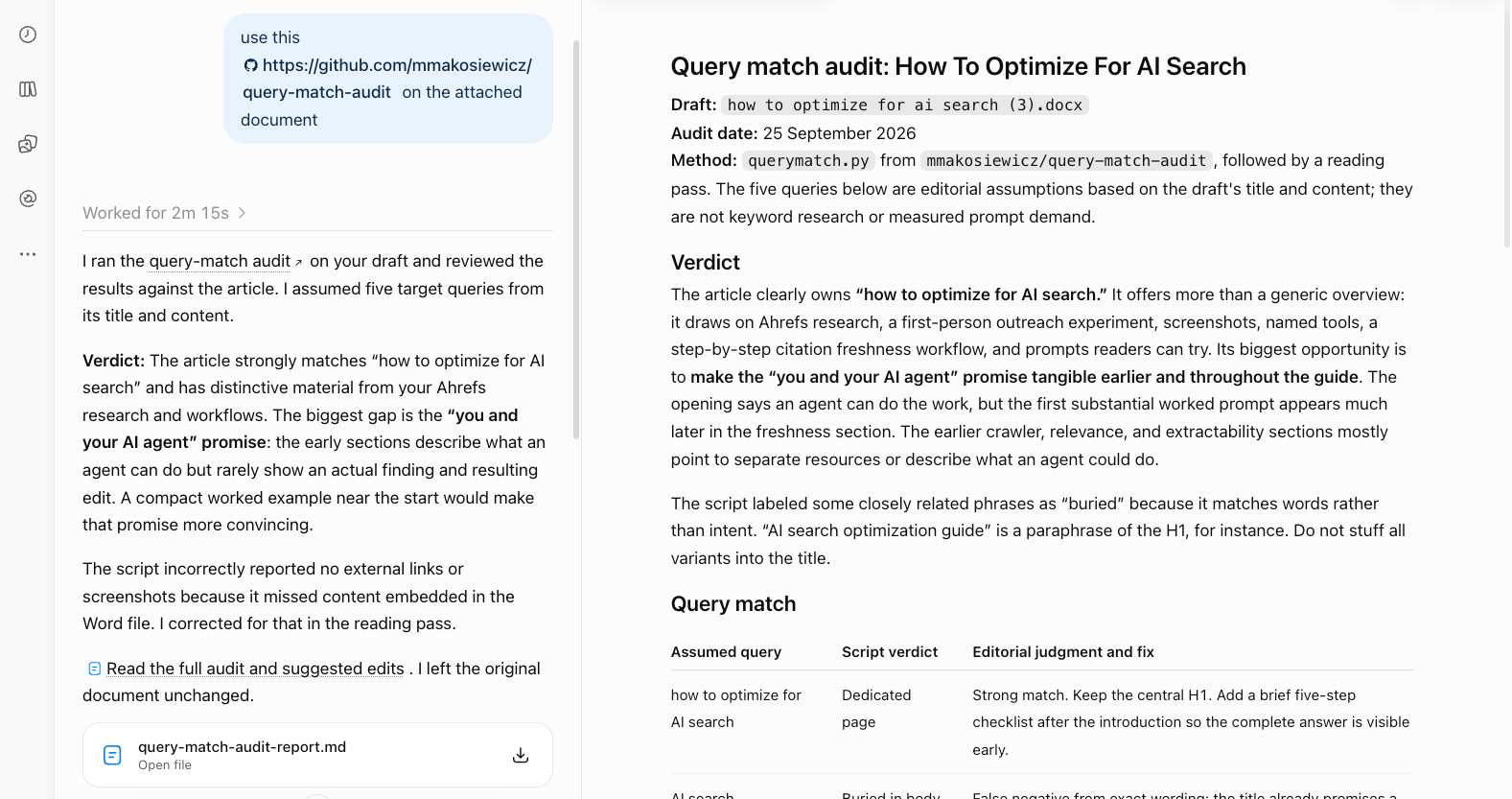
AI agents can assist in evaluating content relevance. A content-quality skill can assess how well a page aligns with target queries, identifying passages that are generic, thin, or lack supporting evidence. The agent can flag weak titles, vague claims, missing evidence, and gaps in topic coverage. While an AI agent can identify areas for improvement, the generation of original expertise, data, and insights remains the responsibility of human creators. A query-match audit skill can analyze a draft against target prompts, highlighting clearly addressed sections and flagging areas for review.
3. Make Facts and Data Easy to Extract for AI
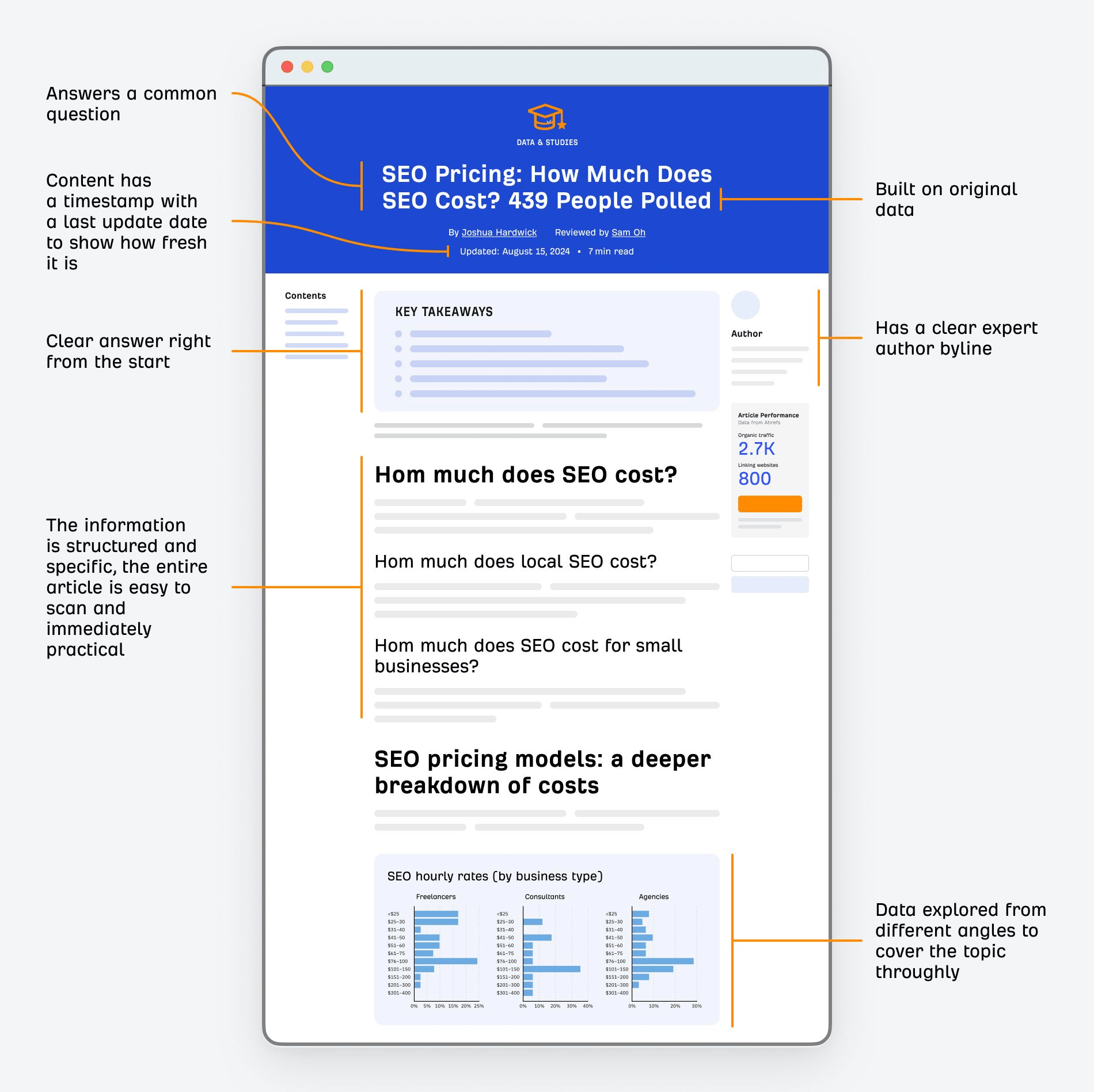
AI search engines often process pages in smaller segments or "chunks," retrieving and citing only the passages most relevant to a query. Therefore, critical facts must be easily discoverable and comprehensible even when extracted from their original context. This concept, often referred to as atomic content, involves structuring content into self-contained sections that communicate a complete idea.
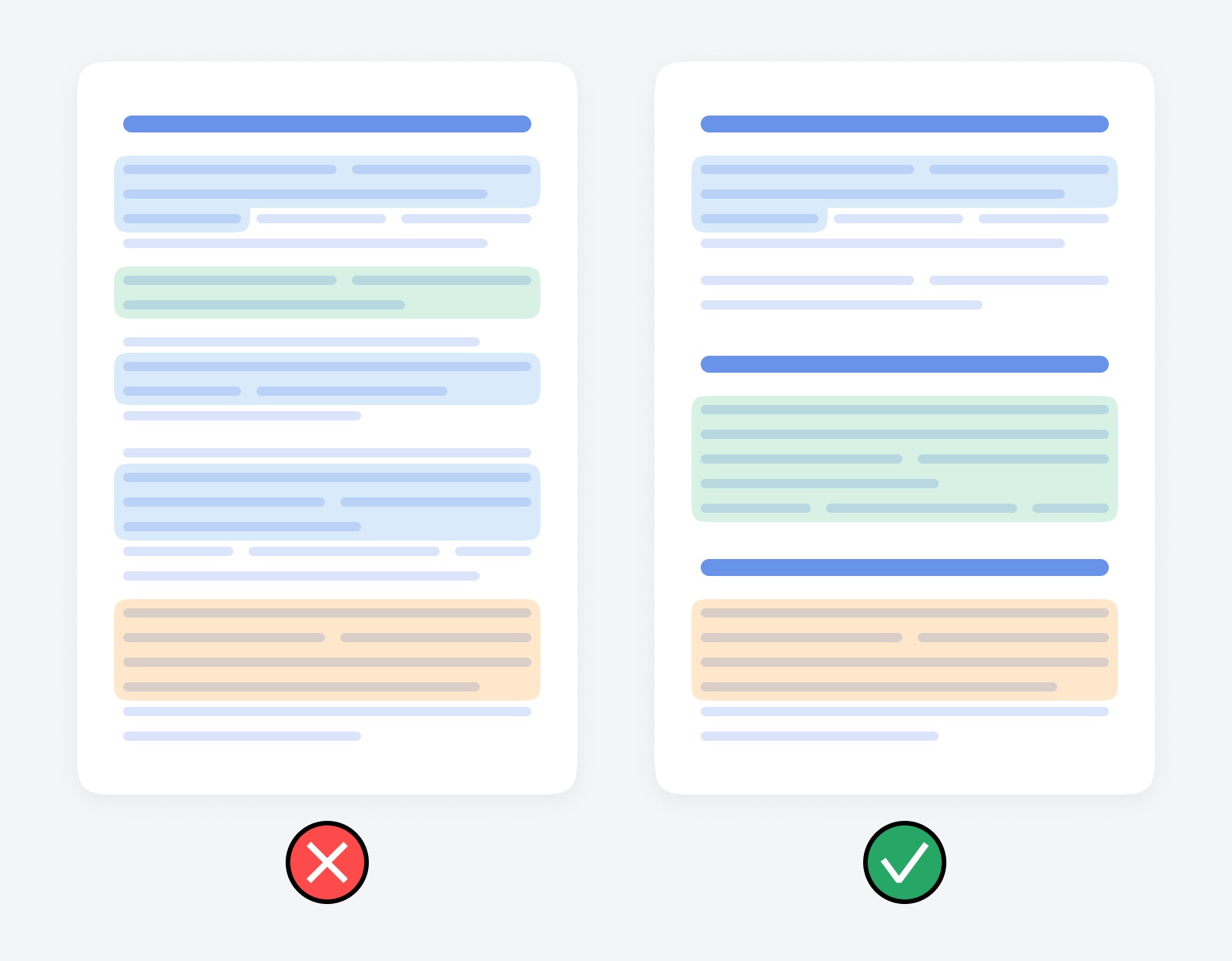
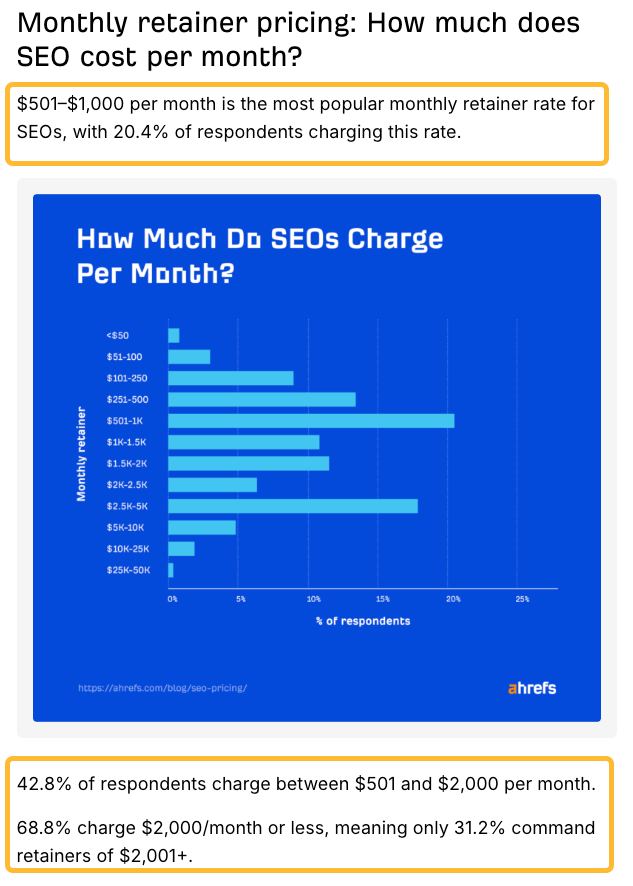
The "Bottom Line Up Front" (BLUF) principle, stating the main point or conclusion in the initial sentences of a section, is crucial. Clear headings and the transformation of buried information into direct, standalone statements enhance extractability. Research suggests that the initial portion of a page (approximately the first 30%) may be more heavily weighted for AI citations.
Specificity is also key. Including names, dates, numbers, products, and sources makes information more concrete and less prone to misinterpretation. Structured elements like tables, definitions, examples, and FAQs can simplify complex information and provide AI systems with more self-contained passages.
It is important to note that AI systems primarily rely on visible HTML content. Information embedded solely in structured data formats like JSON-LD or Microdata, or within images, may be overlooked. Therefore, essential information, such as pricing or product features, should also be presented as visible text on the page. This practice aligns with good editorial hygiene, ensuring that content is both human-readable and AI-discoverable.
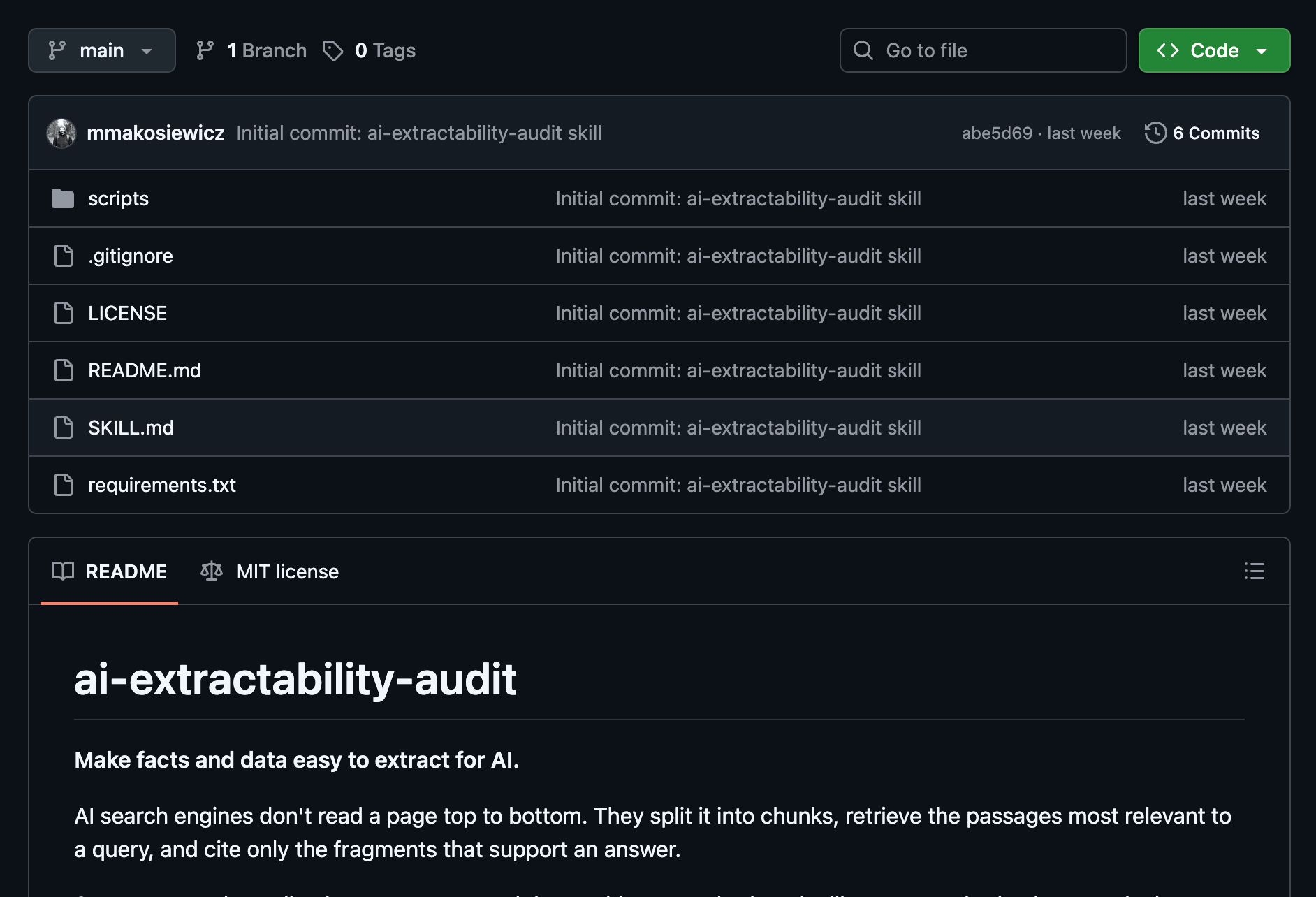
AI agents can help audit content for extractability. They can identify passages that lack context, suggest self-contained replacements, and flag buried answers or vague claims. By combining query-match audits with extractability checks, AI agents can help refine content for AI consumption.
4. Keep Facts Fresh and Consistent
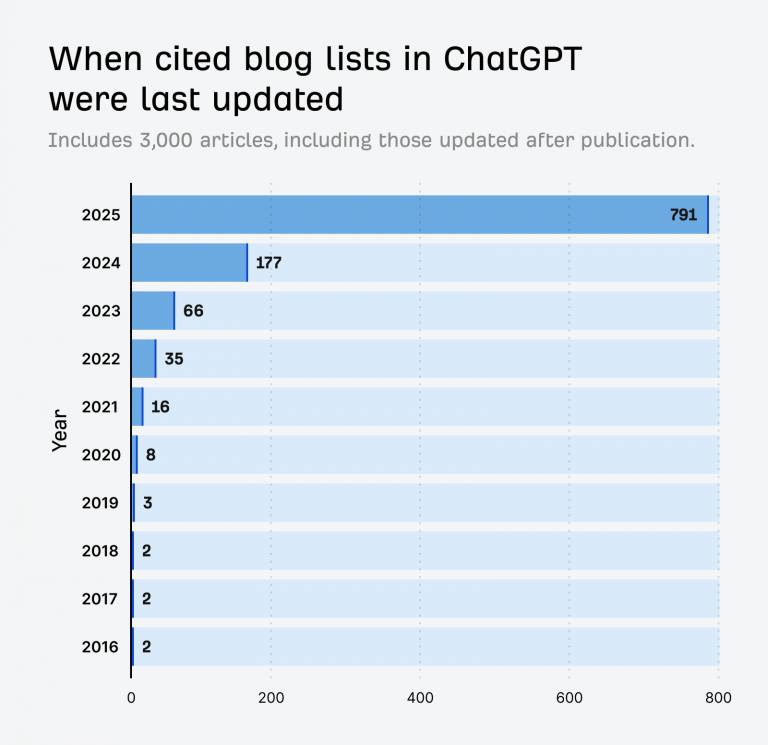
Stale or contradictory information can lead to inaccurate AI answers, particularly for data that changes frequently, such as pricing, product features, or setup instructions. Microsoft explicitly highlights the importance of freshness, provenance, factual fidelity, and contradiction handling in AI-supported search systems. Disagreements within a publisher’s own content create ambiguity for AI systems, potentially leading them to rely on outdated information or other sources.

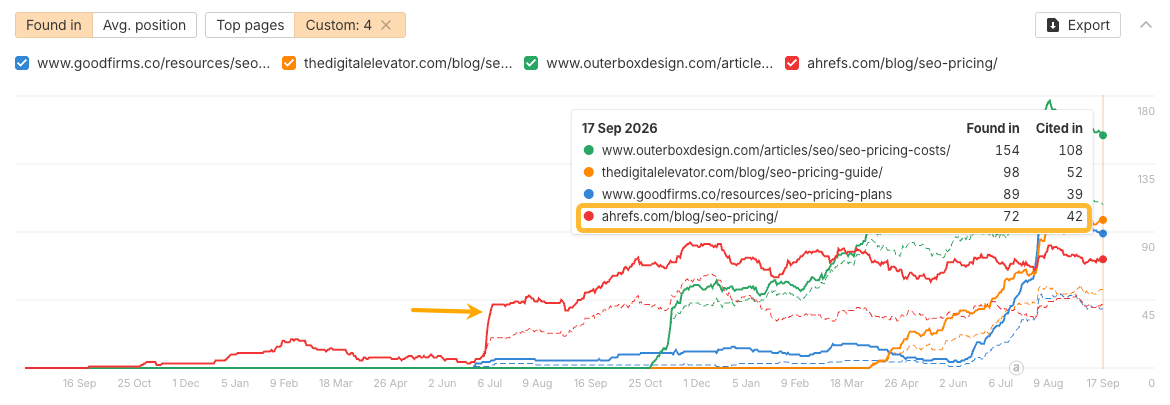
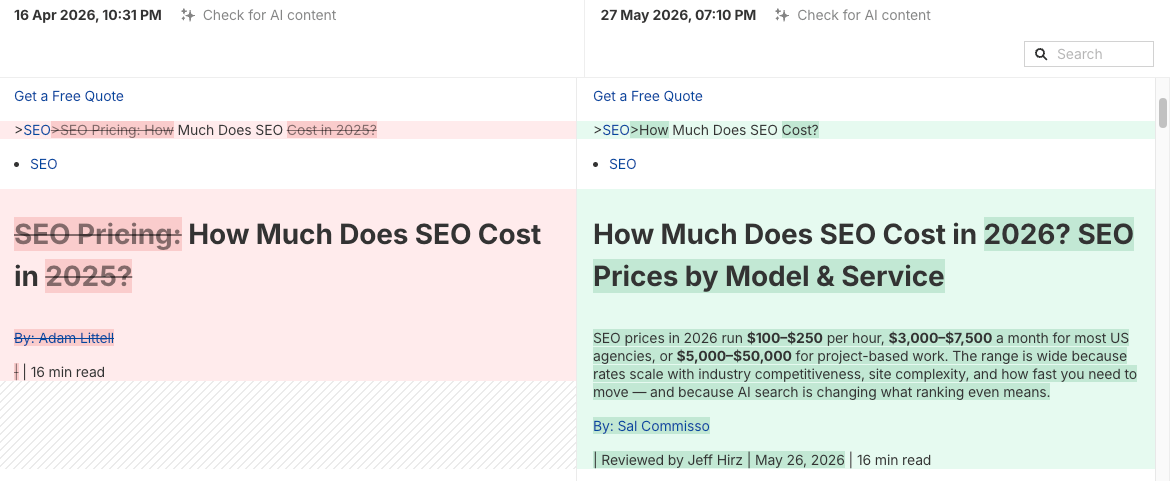
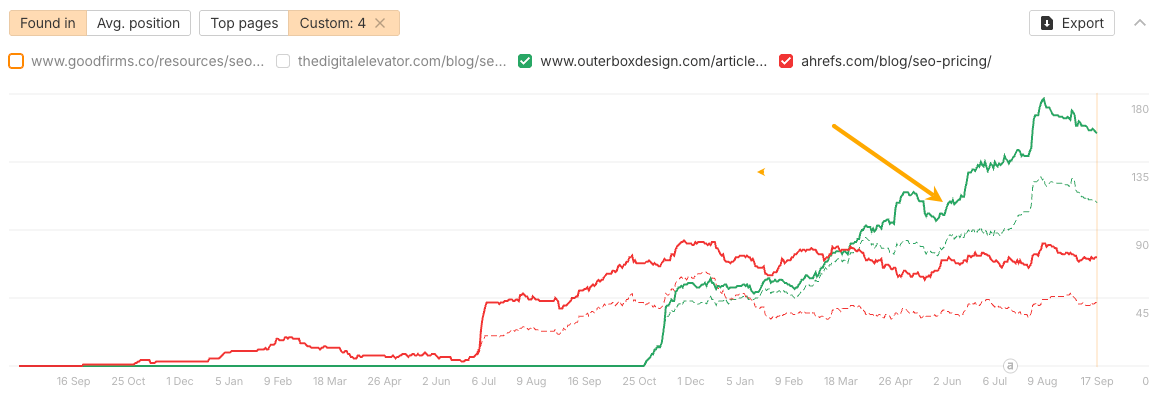
Research indicates that AI assistants tend to cite fresh or recently updated content more frequently. Studies on "best X" lists and AI assistant citation preferences show a clear bias towards content that has been recently updated. This was exemplified by a competitor’s updated SEO pricing study surpassing Ahrefs’ previously well-cited research due to its inclusion of more current data.
Tools like Ahrefs’ Brand Radar can identify pages with outdated information that are still being cited by AI, allowing publishers to prioritize updates. Monitoring citation freshness and fact accuracy over time is essential.
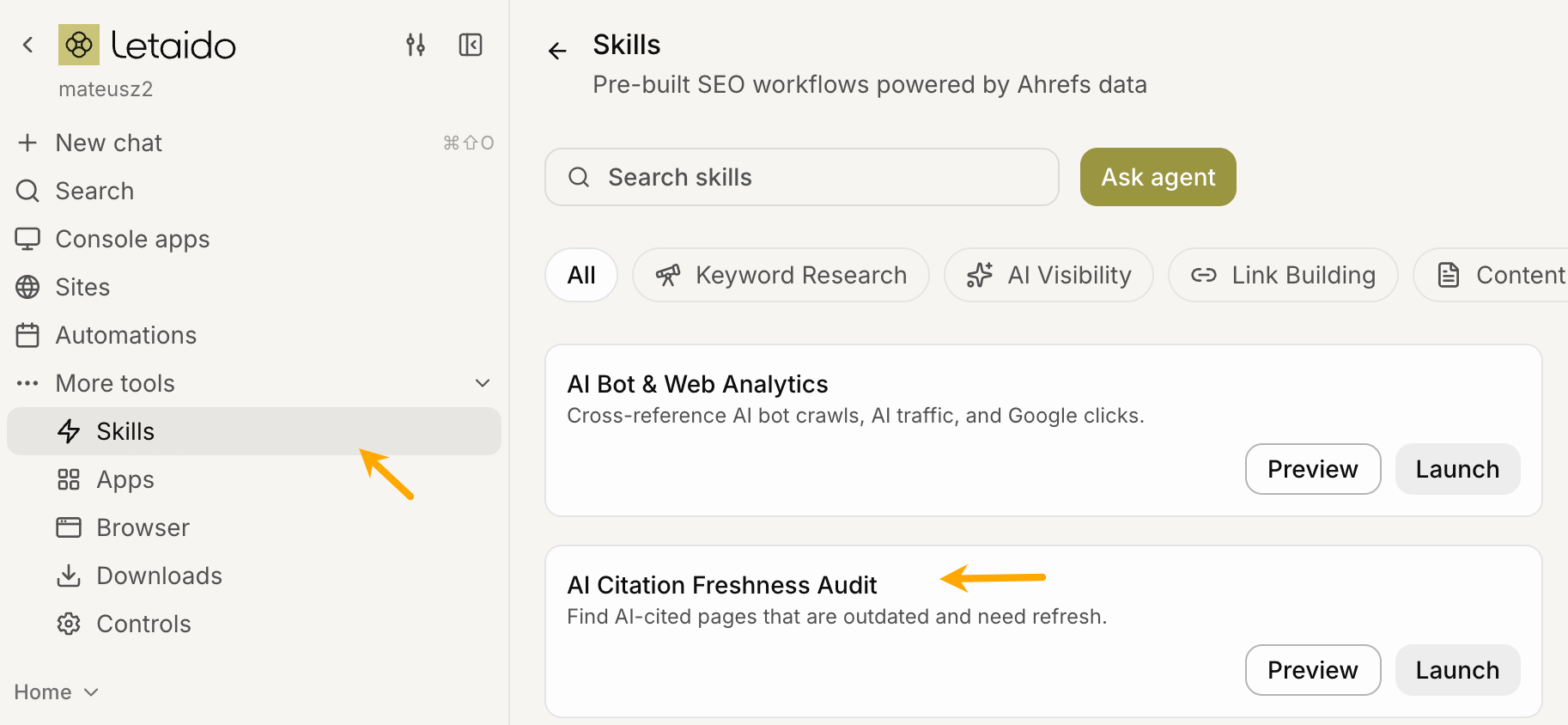
AI agents can significantly aid in maintaining factual integrity. They can check facts against a defined source of truth before publication and monitor existing content for accuracy and consistency. For citation freshness, agents can analyze reports to identify pages that haven’t been updated recently but continue to receive AI citations. For fact fidelity, agents can compare content against a provided "fact sheet" to identify and correct discrepancies.
5. Monitor Your AI Search Performance
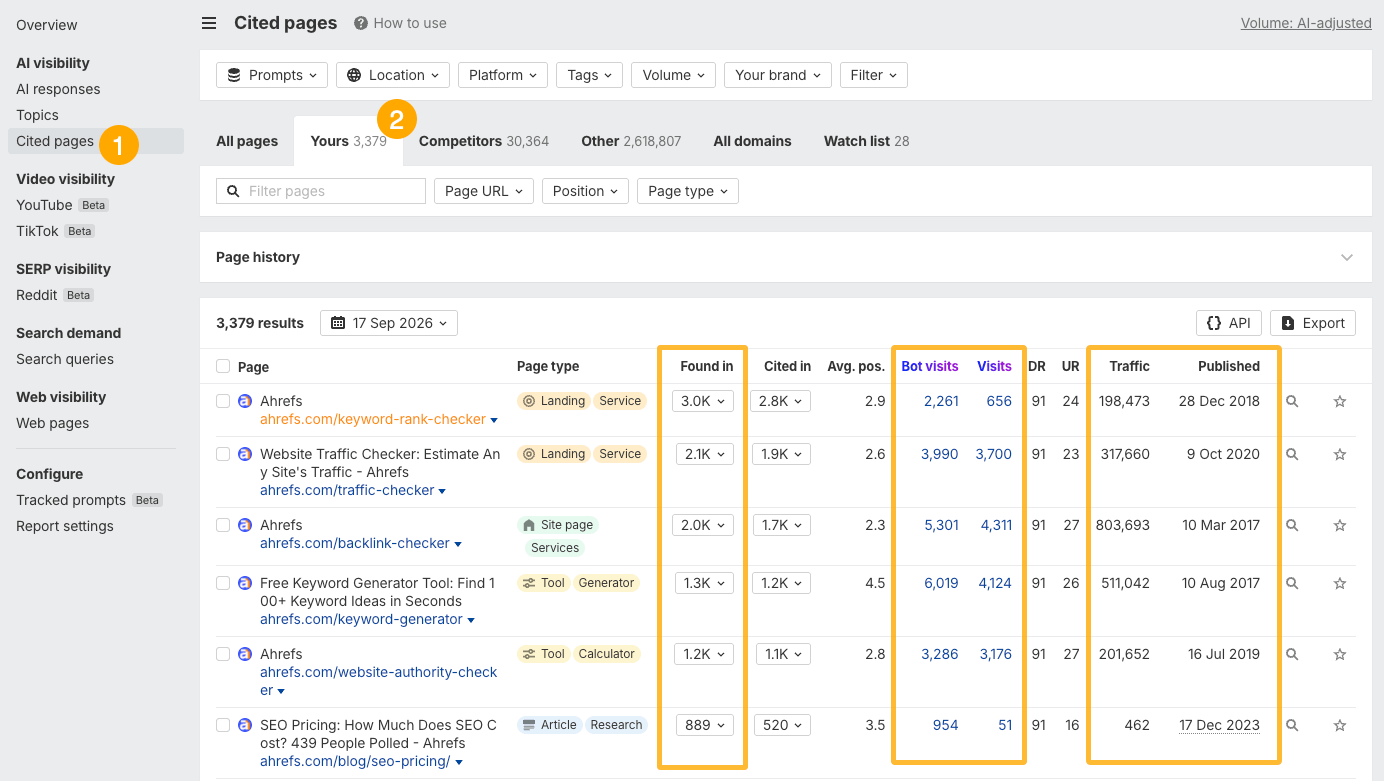
Monitoring AI citations is a straightforward process with many AI visibility tools offering this capability. Tools like Brand Radar provide reports on cited pages, allowing users to track metrics, review historical citation data, and filter results to identify opportunities and potential gaps. By analyzing AI responses where competitors are cited but your brand is not, publishers can identify areas for new content creation.
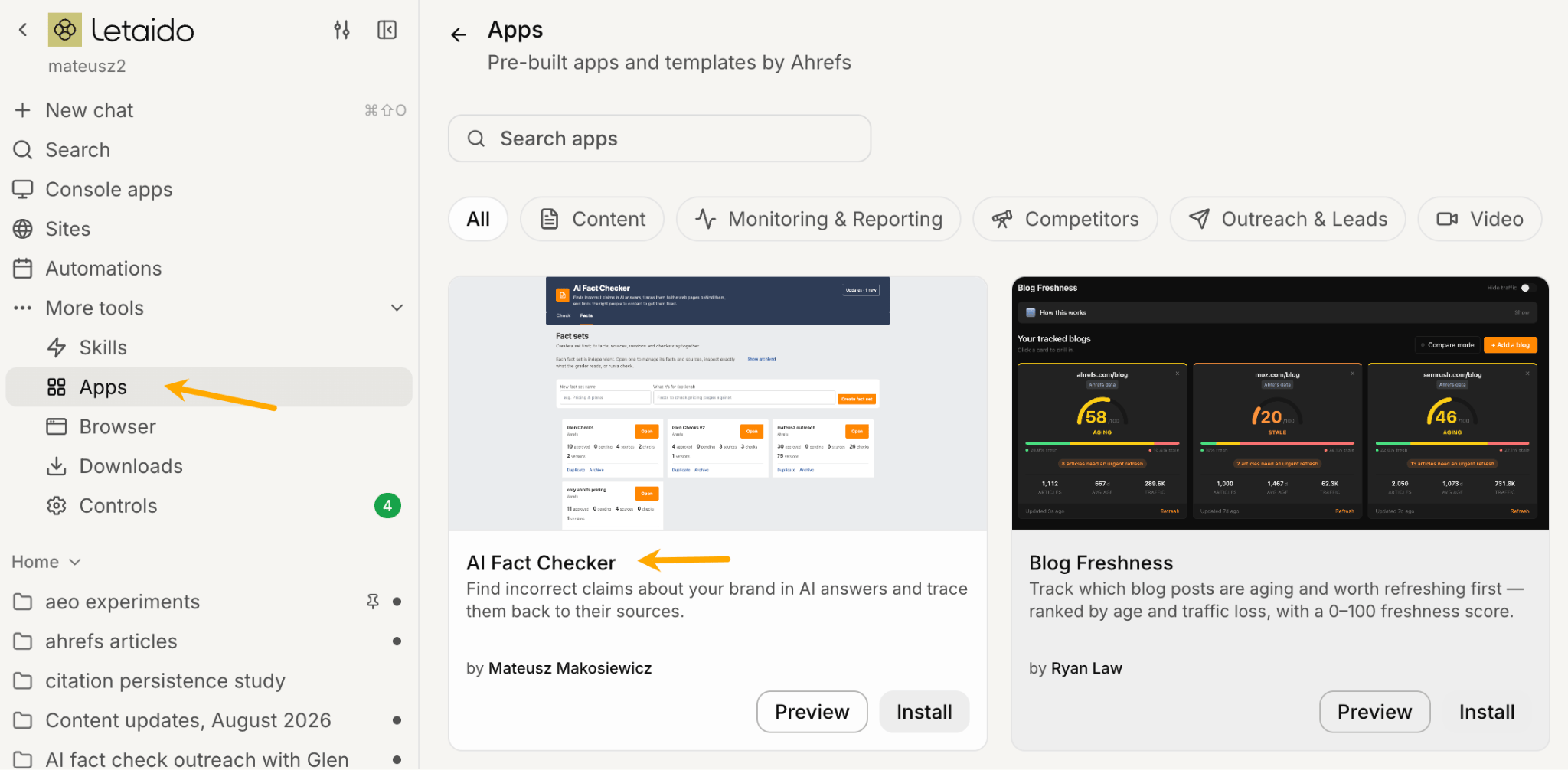
AI agents can enhance citation performance analysis by summarizing key patterns, insights, and changes over time. They can also generate regular digests of performance data delivered via email or messaging apps. Furthermore, AI agents can calculate and visualize data not explicitly covered by standard reporting tools, such as citation stability for specific pages, helping to track whether key content is being consistently referenced. For more granular competitive analysis, tools that monitor third-party citations can provide near real-time updates on changes, offering insights for content improvement.
In conclusion, optimizing for AI search is not a radical departure from traditional SEO but rather an evolution of its core principles. Ensuring page accessibility, providing valuable and relevant information, making facts easily extractable, maintaining factual accuracy and currency, and diligently monitoring performance are paramount. AI agents can be powerful allies in scaling these efforts, handling data-intensive tasks and analysis, thereby freeing up human creators to focus on originality, expertise, and strategic content development. The fundamental goal remains to create valuable content for people, while making its value readily recognizable and extractable by AI systems.