11

Optimizing for AI search involves enhancing web pages to increase their likelihood of being cited by AI assistants when users ask relevant questions. While it may seem like a novel discipline, it largely builds upon existing SEO principles. Both Google and Microsoft emphasize that AI search features remain fundamentally tied to their core search systems. Google states that its AI search capabilities still rely on its foundational search infrastructure, meaning content must remain crawlable, indexable, and valuable. Similarly, Microsoft indicates that Bing’s index is evolving from a mere list of pages into a repository of facts that AI systems can leverage to construct answers.

The convergence of these perspectives reveals a crucial shift: AI search, while dependent on traditional search, extends beyond simple ranking. Content must now provide factual information that AI systems can readily understand, trust, and attribute. To optimize a page for AI search, several key areas need attention: ensuring AI systems can access the content, creating material that addresses relevant queries and offers unique value, presenting facts clearly and making them easily extractable, maintaining factual currency and consistency, and diligently monitoring citations. AI agents can significantly assist in these processes by checking access, reviewing content, identifying inconsistencies, and analyzing citation data, though the ultimate editorial decisions remain with human creators. This article delves into the strategic underpinnings of AI search optimization, outlining actionable steps, areas requiring manual review, and effective prompts for leveraging AI agents.

1. Ensure AI Bot Accessibility
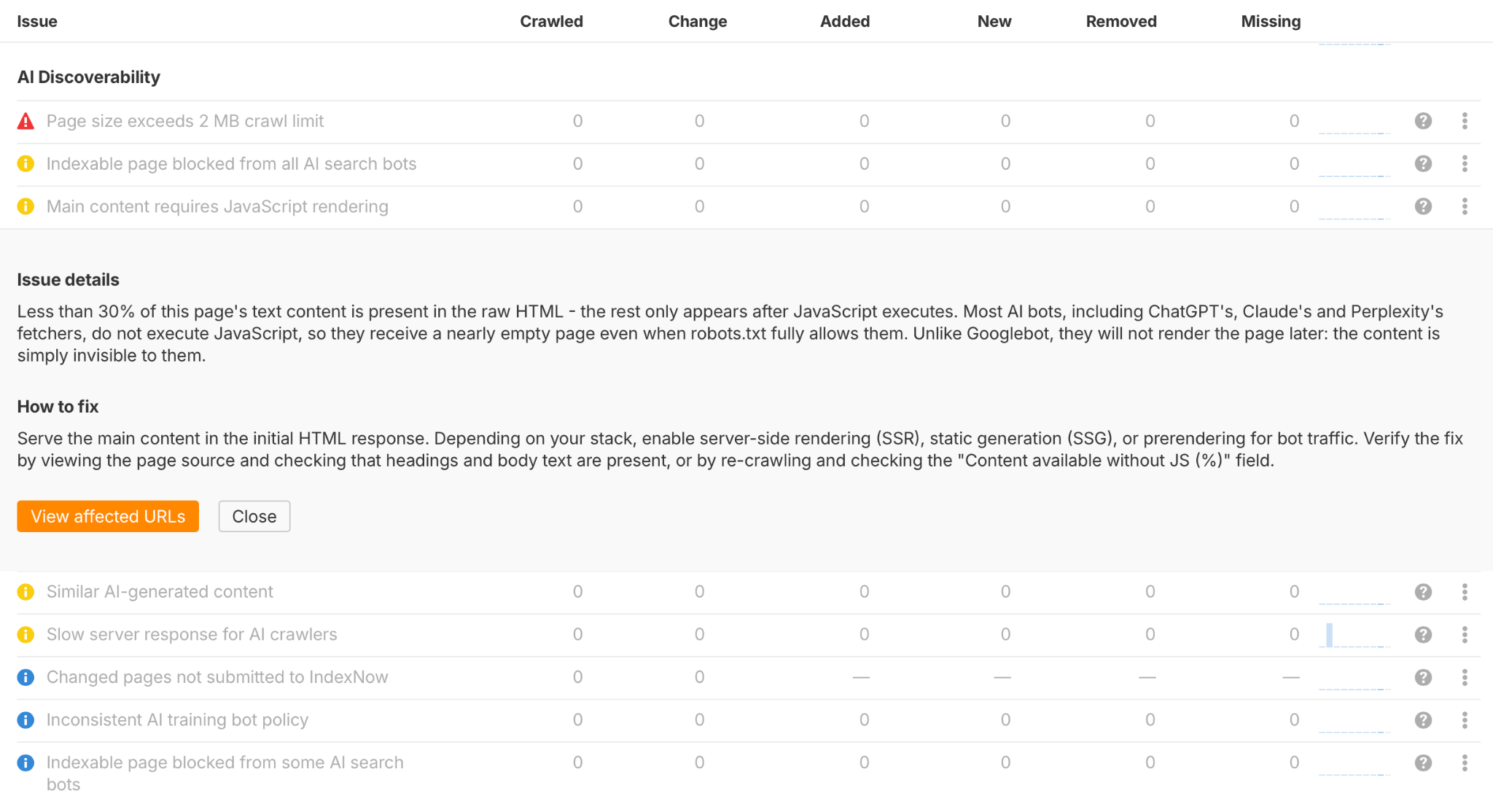
The foundational step for AI search optimization is ensuring that AI systems can access and read your web pages. Without this fundamental access, no further optimization efforts will yield results. Technical issues can be identified manually or delegated to an AI agent.
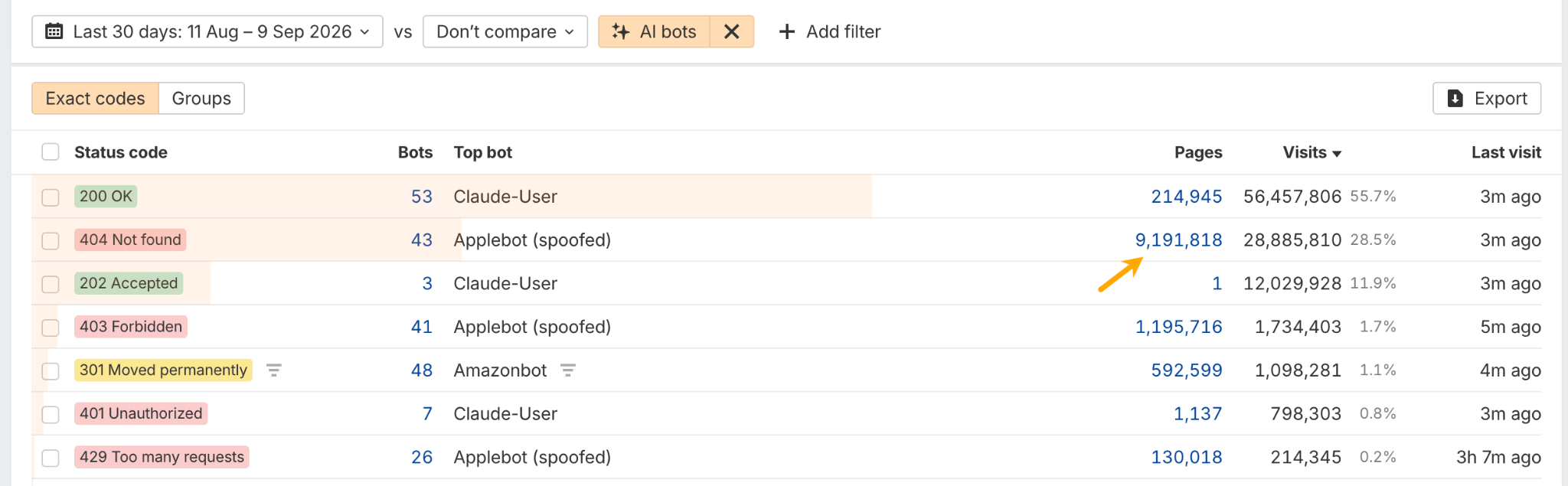
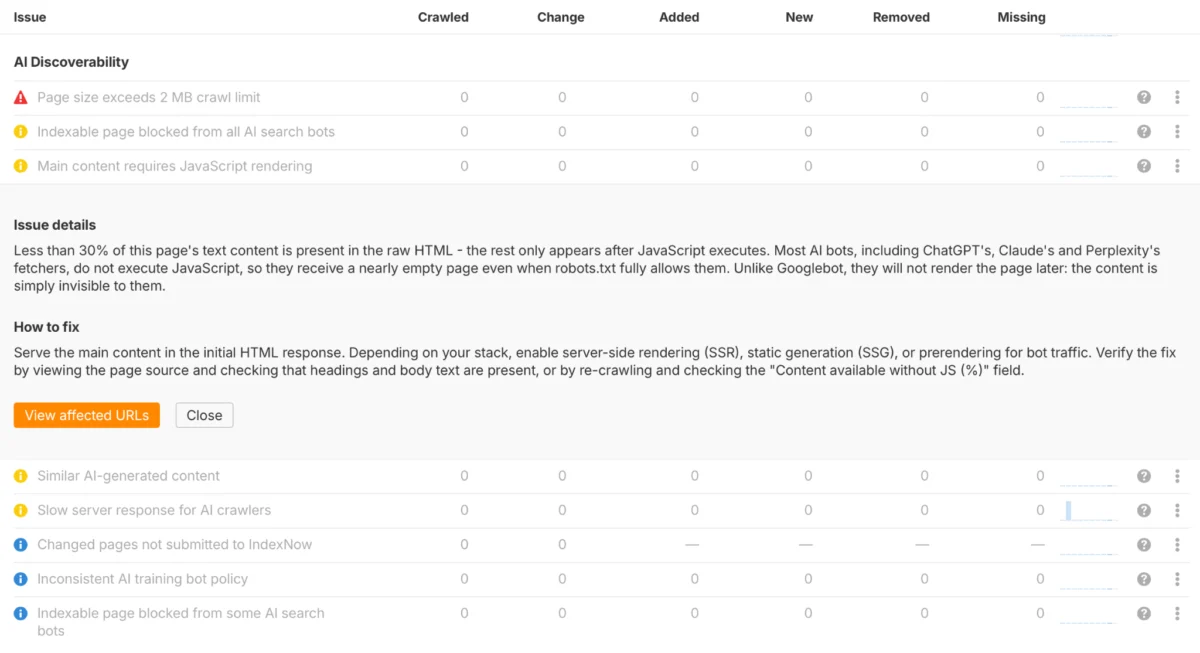
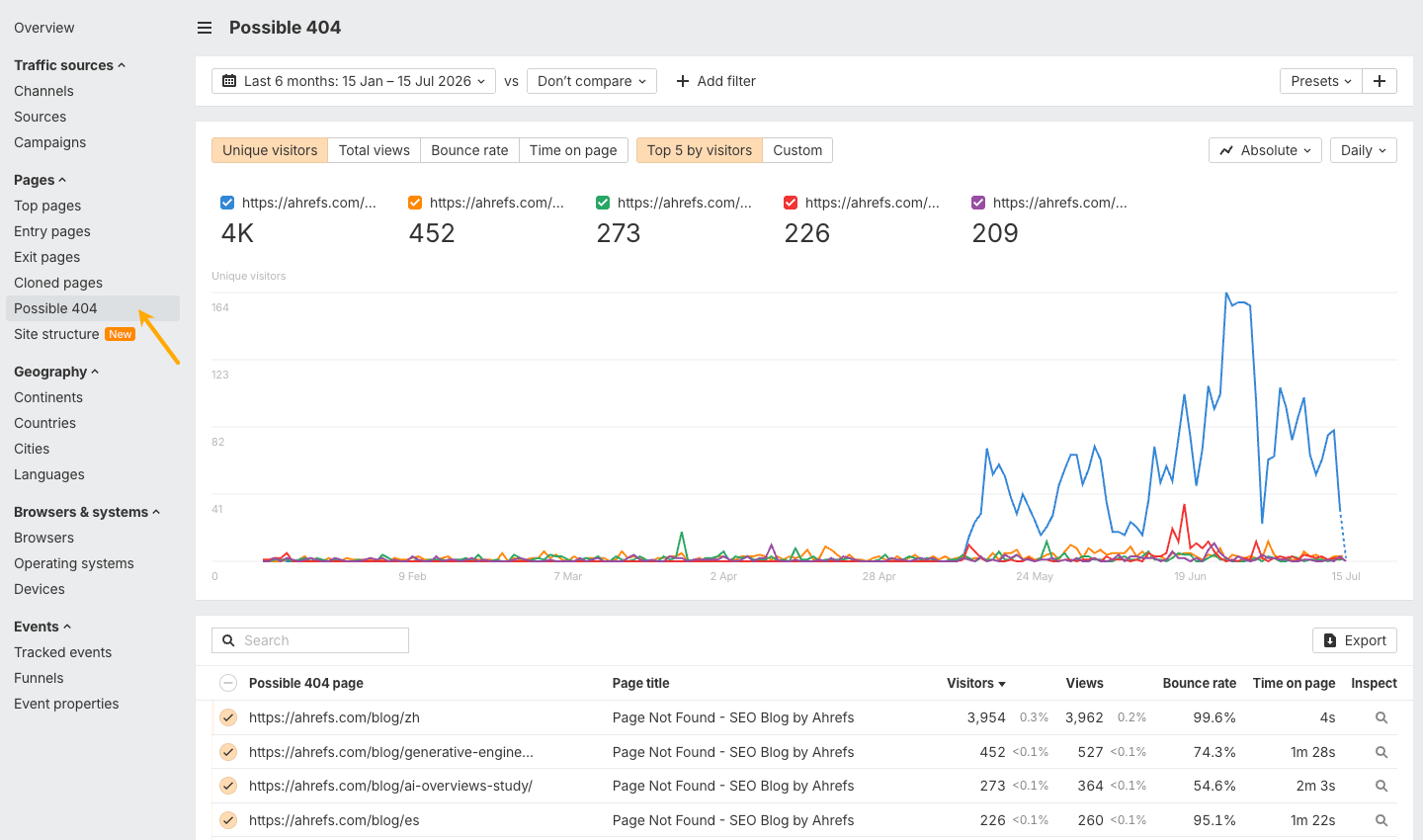
Checking crawlability involves examining Site Audit’s "AI discoverability" section for specific issues and recommendations. Bot Analytics should be used to investigate unsuccessful AI bot requests, particularly those resulting in 404, 499, and 5xx status codes. These codes provide insights into missing URLs, interrupted requests, and server errors, guiding the appropriate fixes. The Status codes report can be filtered to identify affected pages. Web Analytics should then be used to check for 404 pages that are still receiving traffic from AI search users. Redirecting frequently visited broken URLs to the most relevant live page is recommended. Recurring 404s can also signal content gaps, prompting the creation of new, relevant pages.
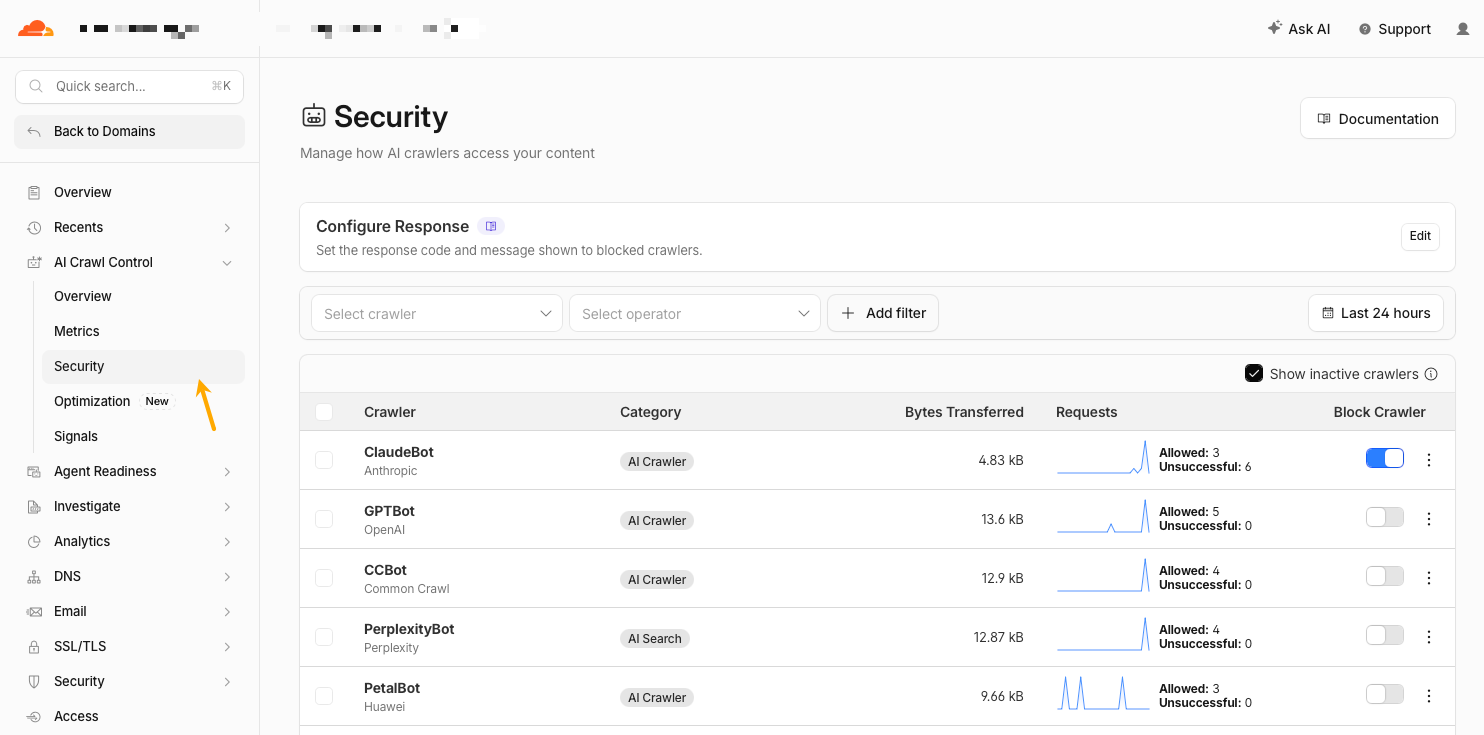
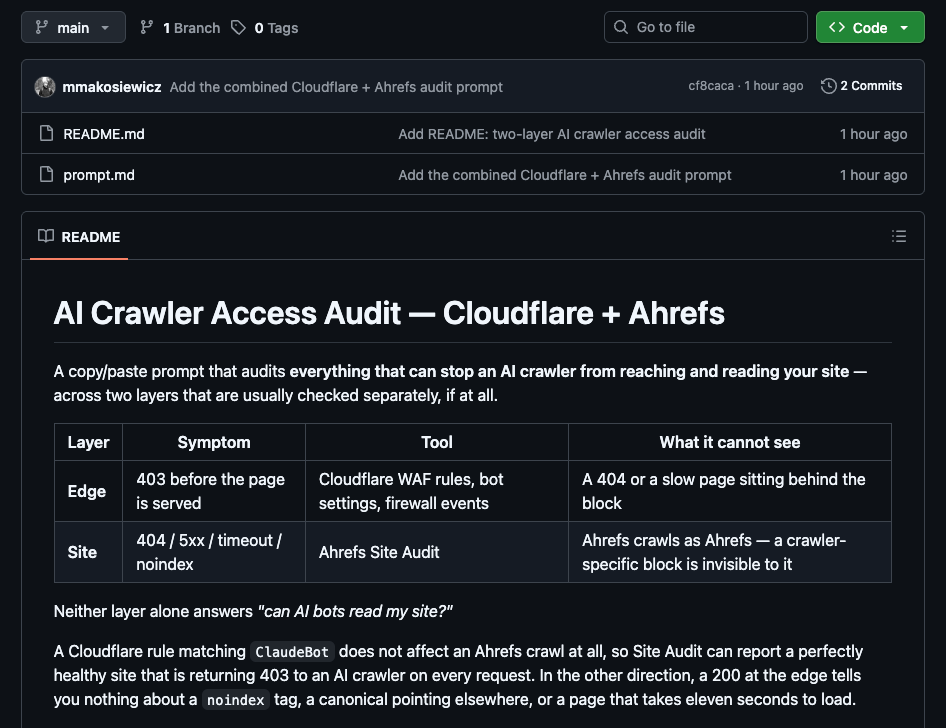
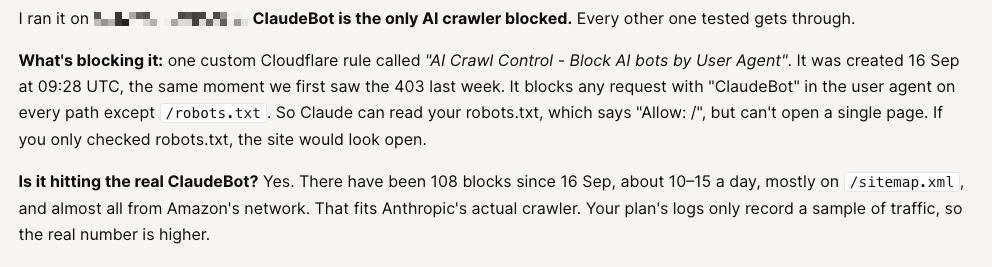
Server settings, firewalls, and CDNs can also impede AI crawler access. The "AI Crawl Control" security settings within tools like Cloudflare allow for checks on whether AI crawlers are being blocked. AI agents can automate these checks by examining robots.txt, noindex rules, status codes, redirects, visible content, links, WAF rules, crawler visits, blocked bot requests, and even pages behind login portals. Prompts can be configured to direct AI agents to perform these comprehensive audits, identifying and even rectifying access issues.
2. Create Content Matching AI Queries and Offering Unique Value
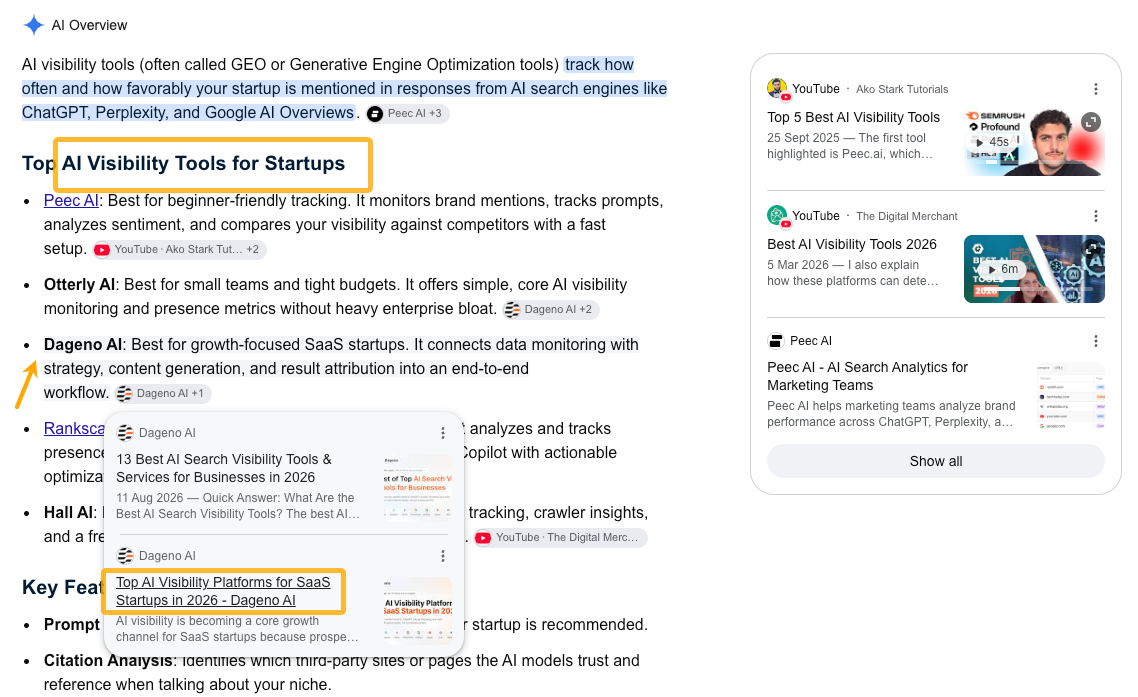
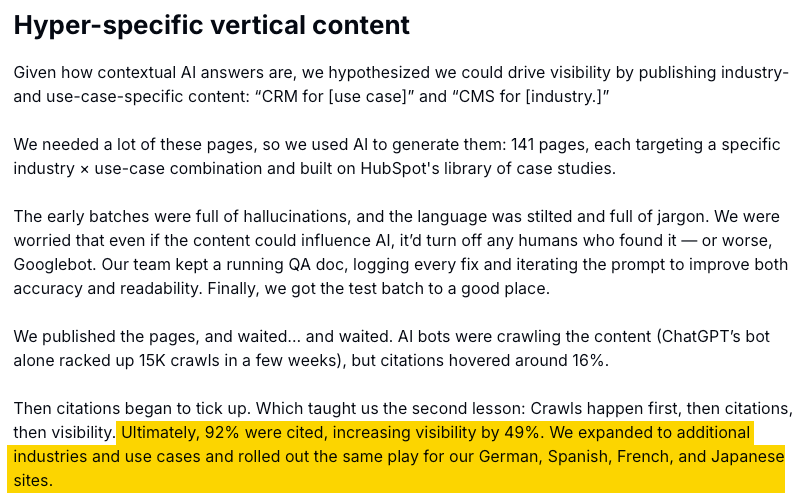
Content intended for AI search optimization must clearly align with user queries. This alignment should be evident in the page’s title, meta description, headings, and overall content. Creating dedicated content for specific, niche queries, such as "AI visibility tools for startups," significantly increases the likelihood of being cited compared to embedding the answer within a broader topic. Highly relevant content also facilitates brand fact inclusion in branded conversations.
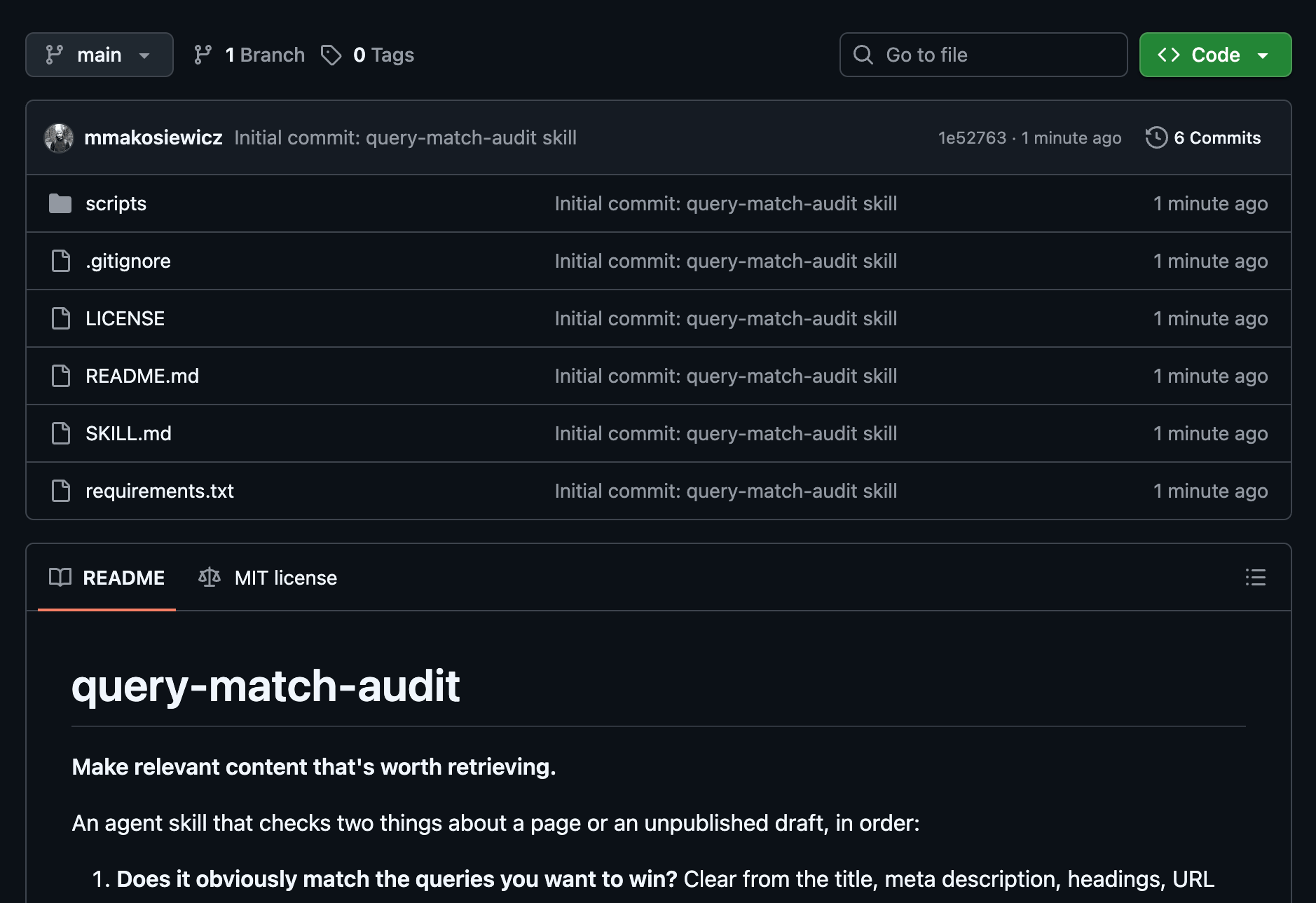
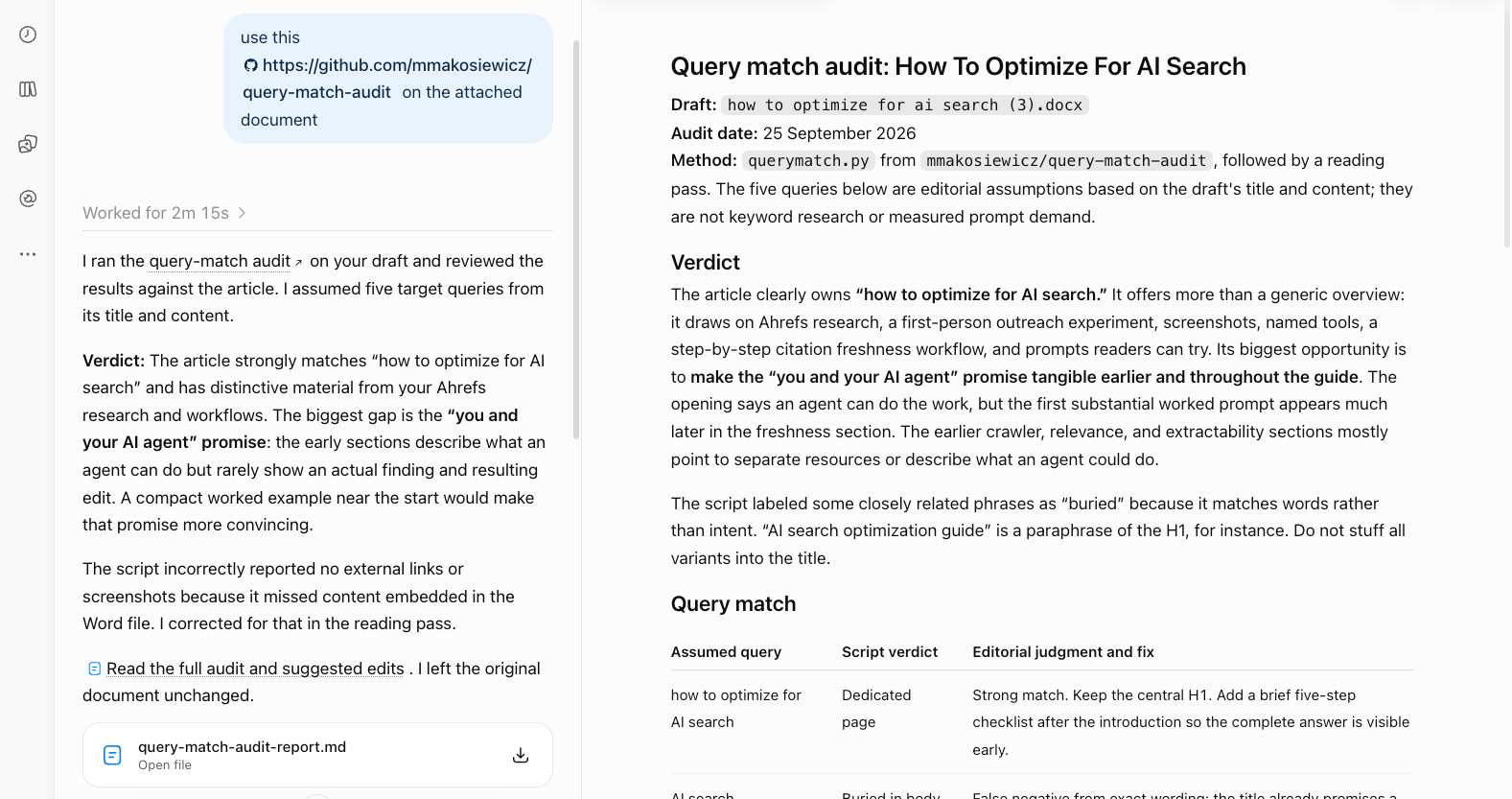
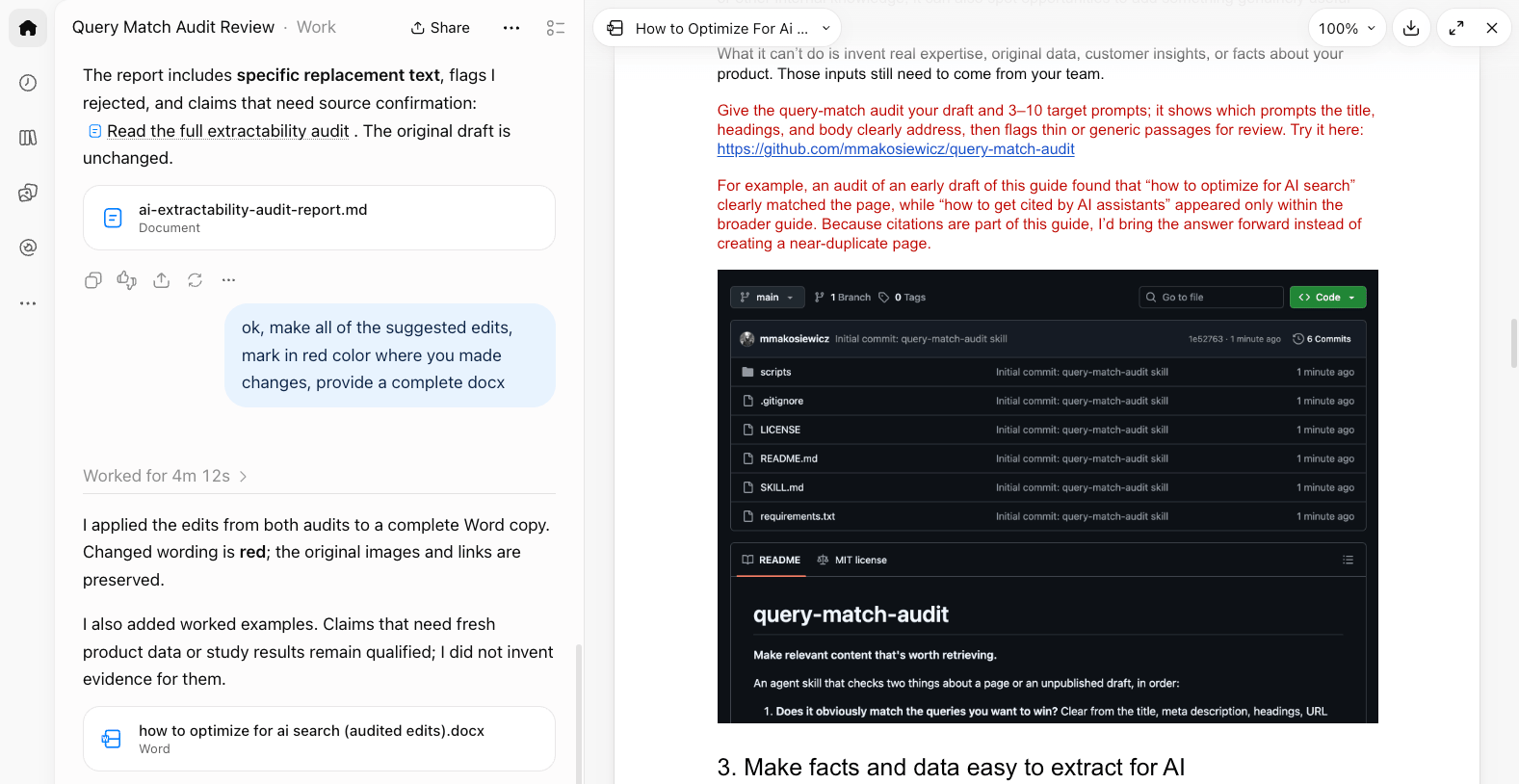
The value proposition of a page is critical. Generic summaries that are easily replicated offer little incentive for AI systems to rely on them. Content that stands out is characterized by original examples, survey data, benchmarks, workflows, customer insights, and expert judgment—elements that are difficult to reproduce. AI agents can assist in evaluating content relevance by flagging weak titles, meta descriptions, vague claims, missing evidence, and gaps in topic coverage. However, the creation of genuine expertise, original data, and unique insights remains a human endeavor. A "query-match audit" prompt can guide AI agents to assess how well a page addresses target prompts, identifying areas for improvement.
3. Make Facts and Data Easily Extractable for AI
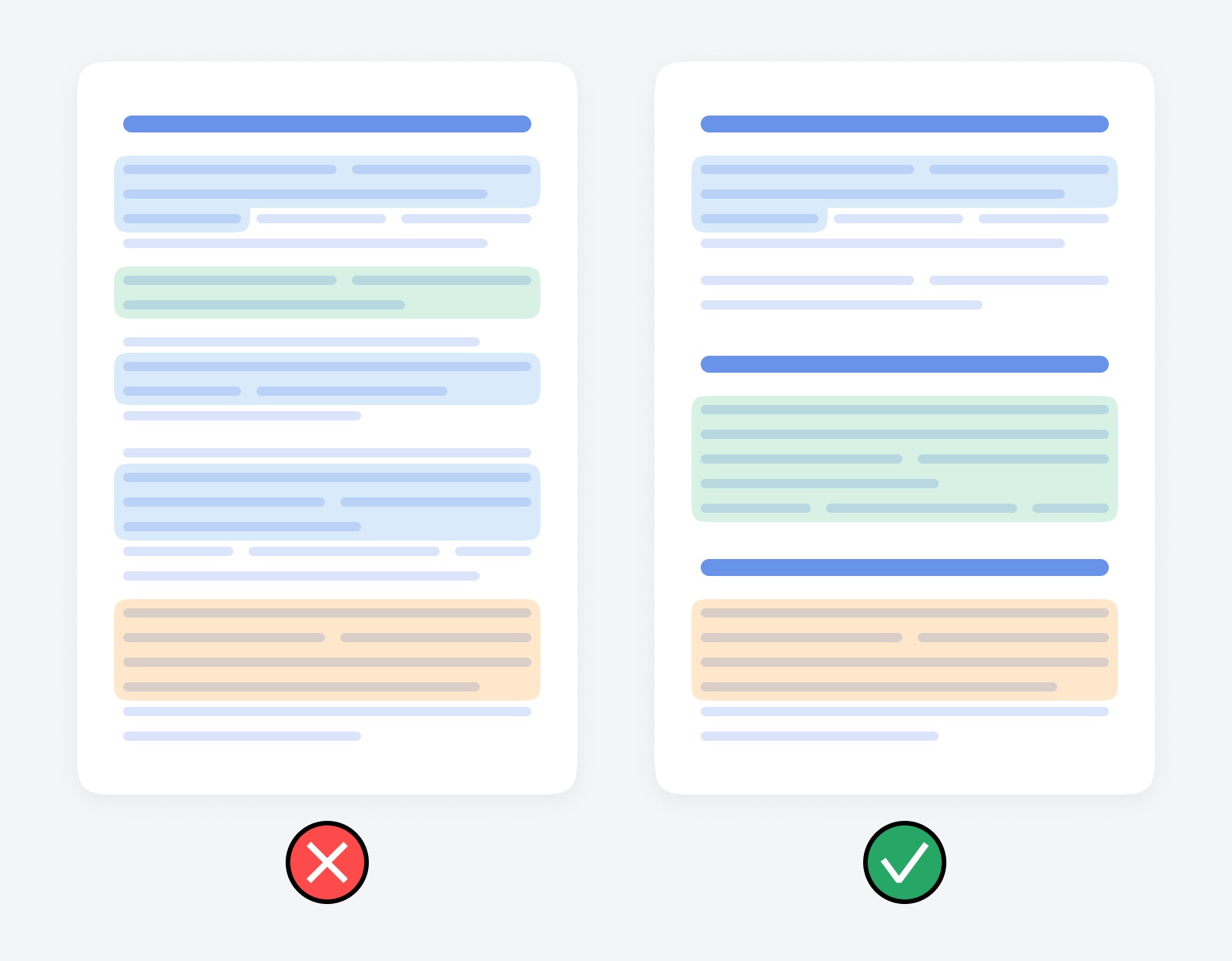
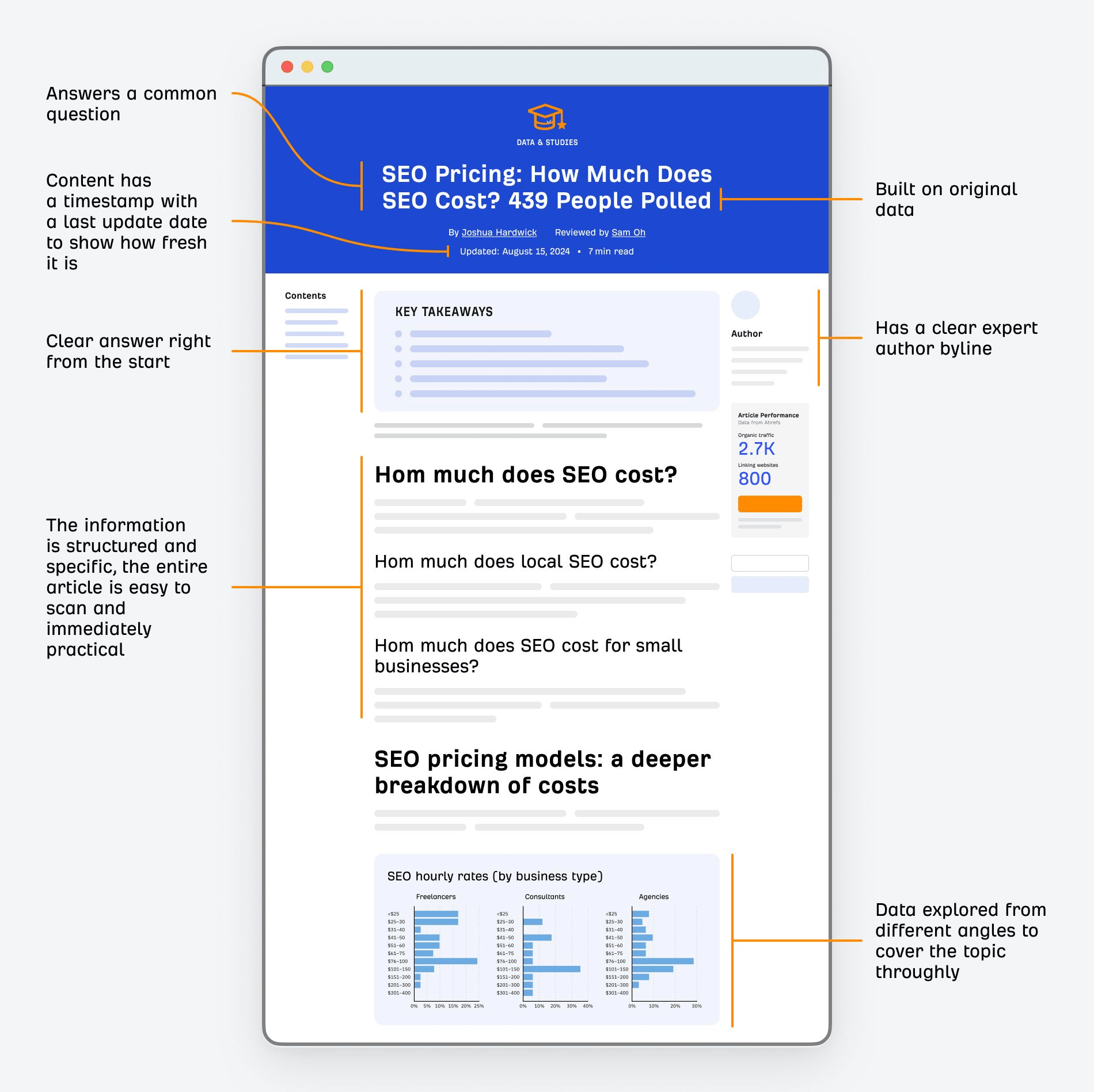
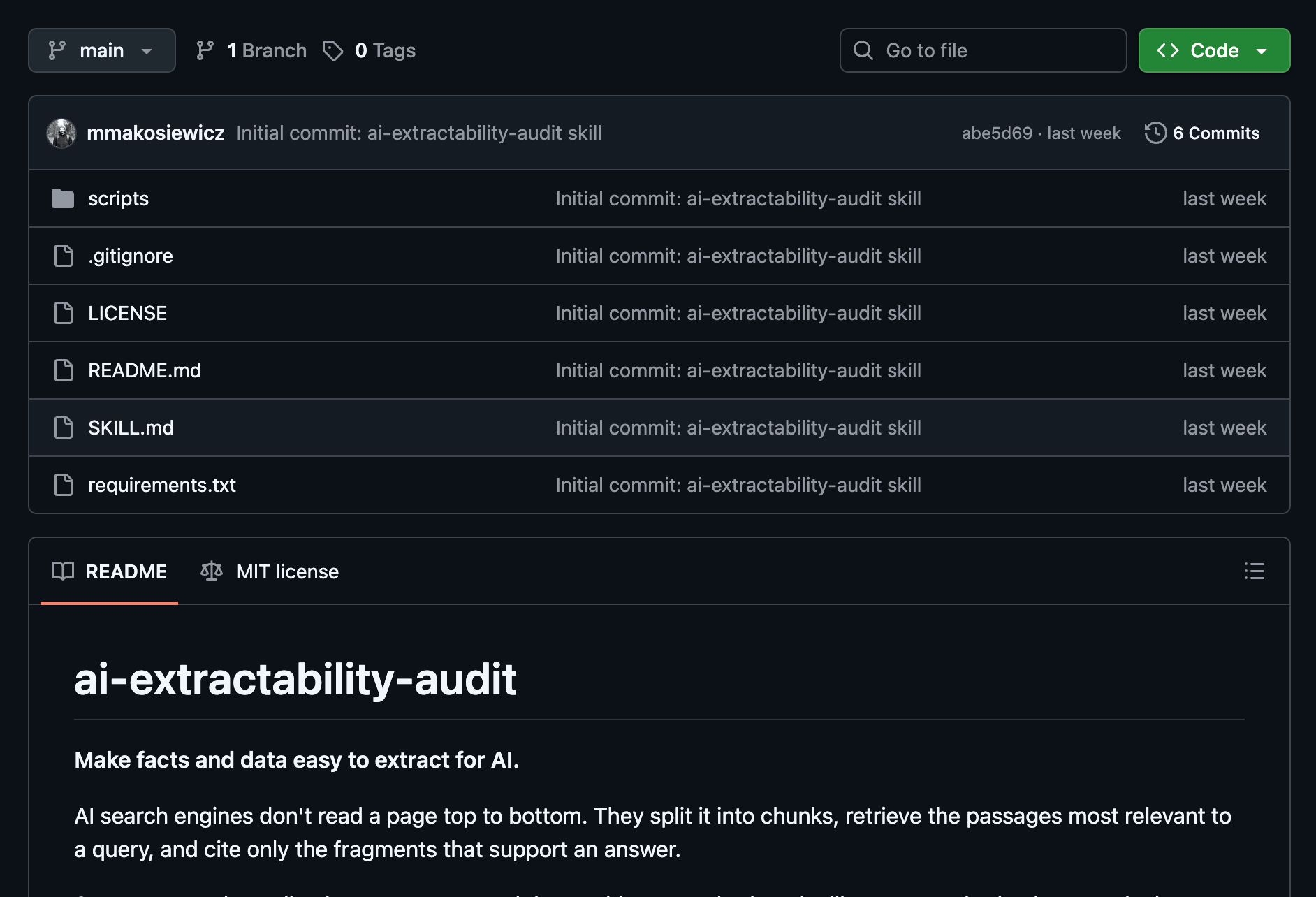
AI search engines often process pages in smaller segments, or "chunks," retrieving and citing only the most relevant passages. This necessitates that key facts are easily identifiable and understandable even when extracted from their original context. This concept, known as atomic content, involves structuring content into self-contained sections, each conveying a complete idea.
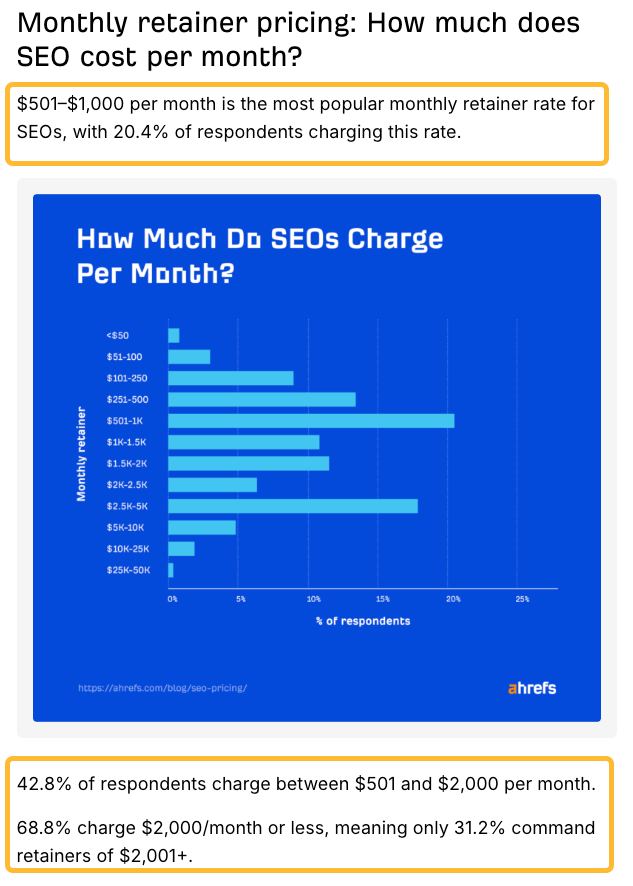
Implementing the "Bottom Line Up Front" (BLUF) principle—stating the main answer or key finding in the initial sentences of a section—is crucial. Clear headings and transforming buried information into direct, standalone statements further enhance extractability. Placement also appears to matter, with evidence suggesting a higher likelihood of AI citations from the initial portion of a page. Specificity is key; including names, dates, numbers, products, and sources, rather than relying on vague descriptions, aids AI comprehension.
Structural elements like tables, definitions, examples, summaries, and FAQs can simplify complex information and provide AI systems with more self-contained passages. Importantly, AI systems have been observed to rely primarily on visible HTML content, largely ignoring structured data like JSON-LD or hidden Microdata. Therefore, critical information, such as pricing or product features, should also be presented as visible text on the page. AI agents can assist by identifying passages needing context, suggesting self-contained replacements, and flagging buried answers or vague claims.
4. Maintain Factual Currency and Consistency
Outdated or contradictory information can lead to inaccurate AI-generated answers. This is particularly critical for dynamic information such as pricing, product limitations, features, and setup instructions. Freshness is not merely about adding a "last updated" date; it requires consistently keeping important facts, especially those pertaining to a product or service, current and accurate across all platforms.
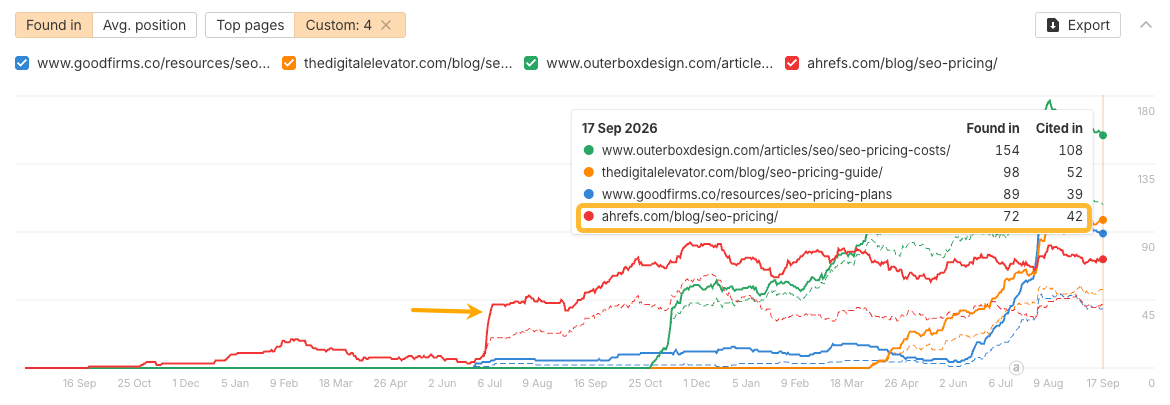
Microsoft highlights the importance of freshness, provenance, factual fidelity, contradiction handling, and abstention in AI-supported search systems. Disagreements within a publisher’s own content create ambiguity for AI systems, potentially leading to reliance on outdated information or other sources. Research indicates that AI assistants frequently cite fresh or recently updated content. URLs cited by AI assistants have been found to be significantly fresher, on average, than those appearing in Google’s organic search results. Tools like Ahrefs Brand Radar can identify outdated pages that are still being cited by AI, enabling prioritization for updates.
AI agents can be invaluable for fact-checking and brand consistency checks before publication, as well as for ongoing monitoring of citation freshness and accuracy. They can analyze citation data to identify pages needing updates, compare them based on citation counts, traffic, and bot requests. For fact fidelity, creating a "source of truth" file with specific, verifiable claims allows AI agents to fact-check drafts and existing content against these established facts, flagging discrepancies and suggesting corrections.
5. Monitor AI Search Performance
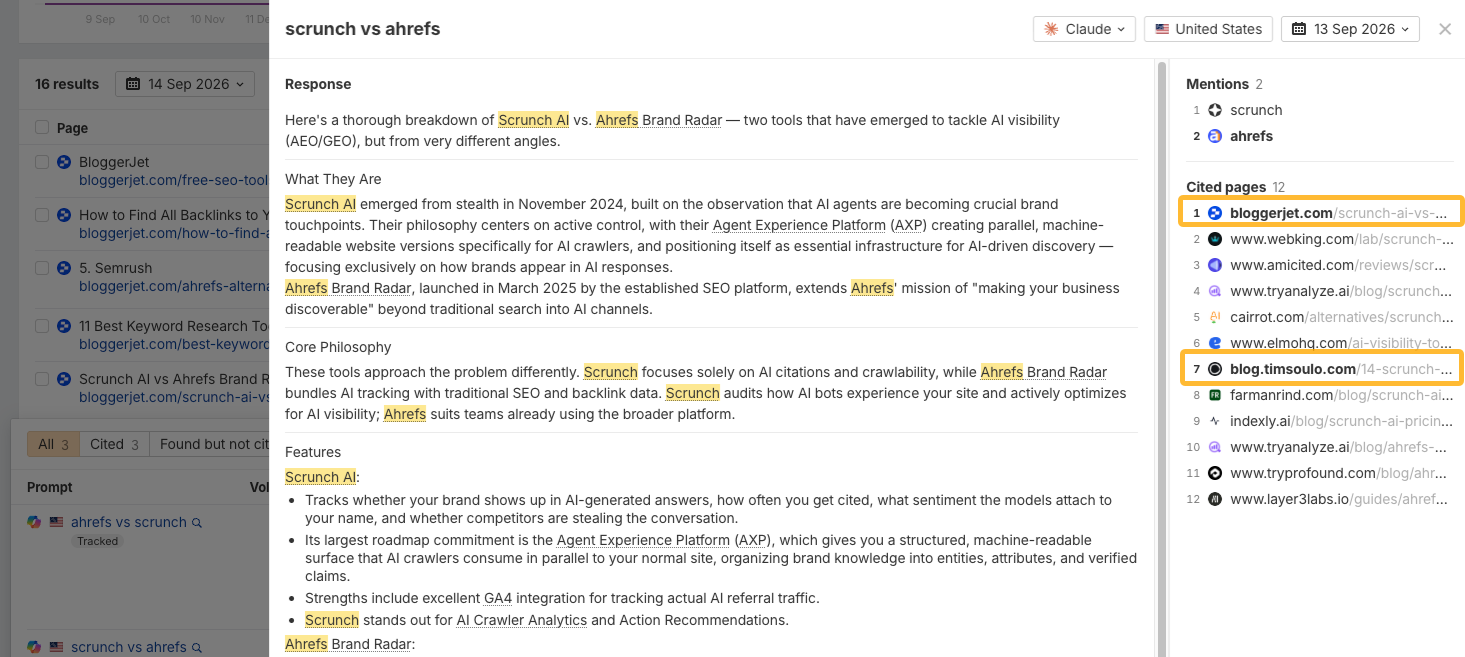
Monitoring AI citations is a critical aspect of AI search optimization, with most AI visibility tools offering this functionality. Metrics to track include citation counts, the pages being cited, the AI platforms citing the content, and the frequency of AI bot requests. Analyzing AI responses can also reveal instances where competitors are cited but your brand is not, highlighting opportunities for new content creation.
AI agents can significantly enhance citation performance analysis by summarizing key patterns, insights, and changes over time. They can generate regular digests of performance data and be prompted to analyze specific aspects of citation behavior, such as citation stability for key pages. By monitoring third-party citations, businesses can identify shifts in the competitive landscape and glean insights for content improvement.

In conclusion, optimizing for AI search builds upon established SEO best practices. The core principles of accessibility, providing valuable and relevant information, clear factual presentation, and maintaining accuracy remain paramount. The advent of AI agents introduces a powerful capability to scale these efforts, automating tasks like content auditing, fact-checking, and data analysis. This allows content creators to focus on higher-level strategic tasks such as original research, developing unique expertise, and crafting compelling content. By creating valuable content for human audiences and leveraging AI to make its value recognizable to AI systems, businesses can effectively navigate the evolving landscape of AI-driven search.