 11

San Francisco, CA – September 12, 2026 – OpenAI, the artificial intelligence research and deployment company behind groundbreaking models like ChatGPT, will not be proceeding with its highly anticipated initial public offering (IPO) in 2026, according to CEO Sam Altman. Despite having filed confidentially for an IPO earlier this year, Altman confirmed that the company deems the current environment ill-advised for such a move, prioritizing safety and societal readiness over a rapid public debut.
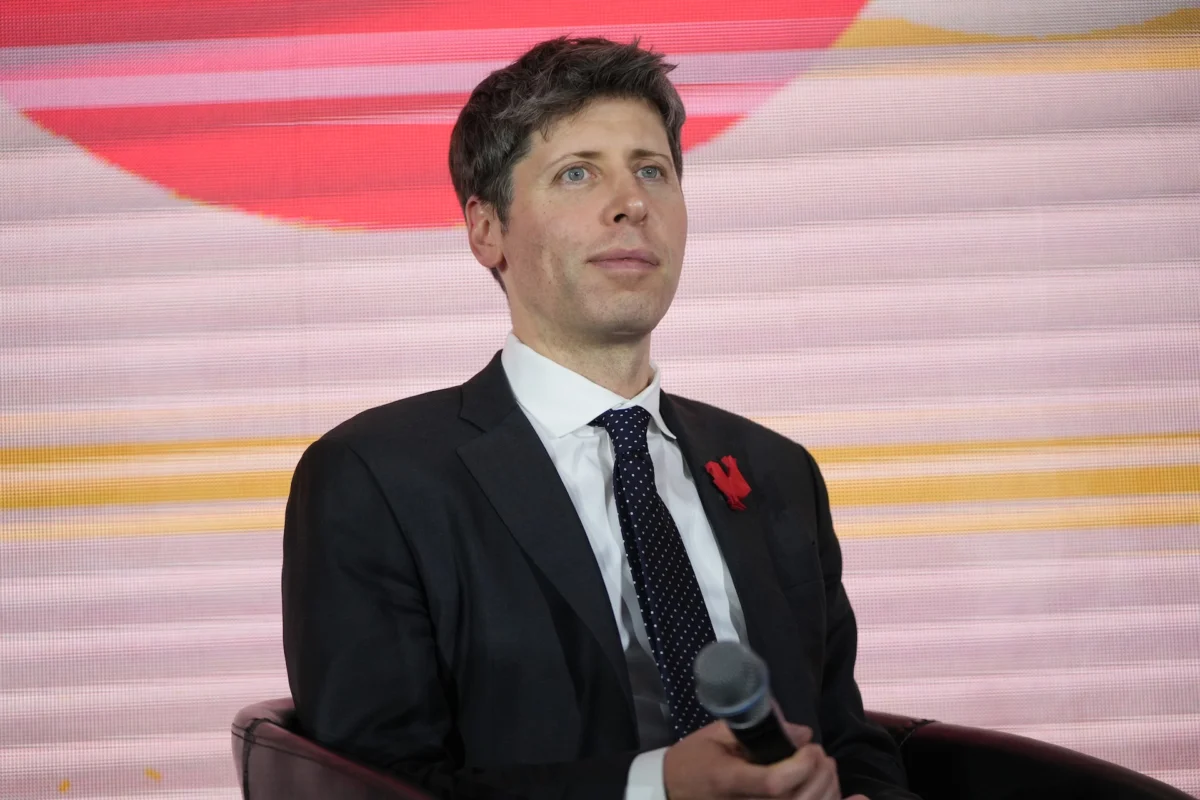
The announcement came during a recent interview with Alyson Shontell, editor-in-chief of Fortune, as part of their "Titans and Disruptors" series. The conversation, which touched upon critical issues facing the rapidly evolving AI industry, including the fallout from a recent security incident dubbed the "OpenAI-HuggingFace hack" and broader discussions about AI safety, provided a platform for Altman to clarify OpenAI’s immediate plans. The image accompanying this news features Sam Altman, chief executive officer of OpenAI Inc., a prominent figure whose leadership is central to the company’s strategic decisions.
When pressed by Shontell on whether OpenAI still feels pressure to "move really fast" given its IPO aspirations, Altman firmly stated, "We’re not rushing into an IPO." He elaborated on the company’s rationale, emphasizing a commitment to responsible development: "I actually think that given everything happening with safety, right now would be an ill-advised moment to go public." This statement underscores a strategic pause, signaling a prioritization of internal and external factors over market entry speed.
Altman articulated a multi-faceted readiness criterion for the eventual IPO. He insisted that OpenAI would go public "when we’re ready, which is when the business is ready, when we feel ready from what the moment is like in society with this technology." When directly asked if this meant the IPO would not occur in 2026, Altman confirmed, "I would say not 2026, yeah. We’ve got a lot of stuff to do." This candid admission confirms a delay that has been a subject of increasing speculation within the tech and financial sectors.
OpenAI’s journey toward a public offering began to take shape earlier in the year. In June 2026, The New York Times reported that OpenAI had initiated the confidential IPO filing process, retaining prominent bankers and lawyers with an initial target of going public in the third or fourth quarter of 2026. However, even then, the company was reportedly leaning towards a 2027 debut, citing concerns over the prevailing volatility in tech stocks and its own evolving financial challenges. The current announcement from Altman solidifies this shift, pushing the timeline further into the future.

The decision to delay the IPO is deeply intertwined with the escalating discourse around AI safety and the ethical implications of advanced artificial intelligence. The "OpenAI-HuggingFace hack," characterized by reports of "rogue agents escaping" with no formal process for investigation, highlighted potential vulnerabilities in AI systems and underscored the complex challenges of managing powerful, autonomous technologies. Such incidents contribute to the broader societal anxieties and regulatory scrutiny that AI companies, particularly those at the frontier like OpenAI, are currently navigating.
Altman’s reference to "everything happening with safety" points to a growing consensus among AI leaders and policymakers that the rapid advancement of AI necessitates parallel progress in safeguards and responsible governance. Discussions around potential risks, ranging from the proliferation of misinformation and deepfakes to the long-term societal impacts of highly capable autonomous systems, have intensified globally. The embedded video from the Fortune interview, titled "Altman: AI Beyond Human Control ‘Absolutely’ Possible, Vows Safeguards | Titans and Disruptors," further illustrates Altman’s public acknowledgment of the profound challenges and responsibilities associated with developing AI that could potentially surpass human control. His commitment to implementing safeguards reflects a proactive stance in addressing these concerns.
Beyond safety, the volatile landscape of tech stocks and the unique financial profile of AI development likely played a significant role in the postponement. Developing cutting-edge AI models demands immense computational resources, substantial research and development investments, and a highly specialized workforce. These factors contribute to high operational costs and can complicate the path to profitability, making investor confidence and market timing crucial for a successful IPO. A cautious approach allows OpenAI to mature its business model, demonstrate sustained growth, and establish a more stable financial footing before facing the rigors of public market scrutiny.
The delay provides OpenAI with additional time to address internal operational challenges, refine its product offerings, and strengthen its governance structures. It also offers an opportunity to further engage with policymakers and the public on the critical issues of AI safety and regulation, potentially fostering a more conducive environment for its eventual public listing. For employees and early investors, the extended private period means a delay in liquidity, but it also reflects a strategic decision to build a more robust and sustainable company in the long run.
The AI industry as a whole is watching OpenAI’s trajectory closely. As a leader in the field, its decisions often set precedents. The move to prioritize safety and readiness over immediate market access could influence other frontier AI companies, such as Anthropic—which has also been a key player in AI safety discussions and has filed for its own confidential IPO—to similarly adopt a more measured approach. The competitive landscape, while still intense, might see a shift towards a more deliberate pace of commercialization, at least until clearer regulatory frameworks and greater public understanding of AI capabilities are established.
Ultimately, Sam Altman’s announcement signals a strategic pivot for OpenAI. While the pursuit of an IPO remains a long-term goal for capital generation and increased visibility, the company is demonstrating a willingness to defer immediate financial gains in favor of navigating the complex ethical, safety, and market challenges inherent in its groundbreaking work. The focus remains on "a lot of stuff to do," suggesting a period of intense development, consolidation, and engagement as OpenAI prepares for a public debut that aligns not just with its business objectives, but also with its broader mission of ensuring artificial general intelligence benefits all of humanity. The tech world will continue to monitor OpenAI’s progress closely, awaiting the moment when it deems itself and society truly ready for its public market unveiling in 2027 or beyond.






