 11

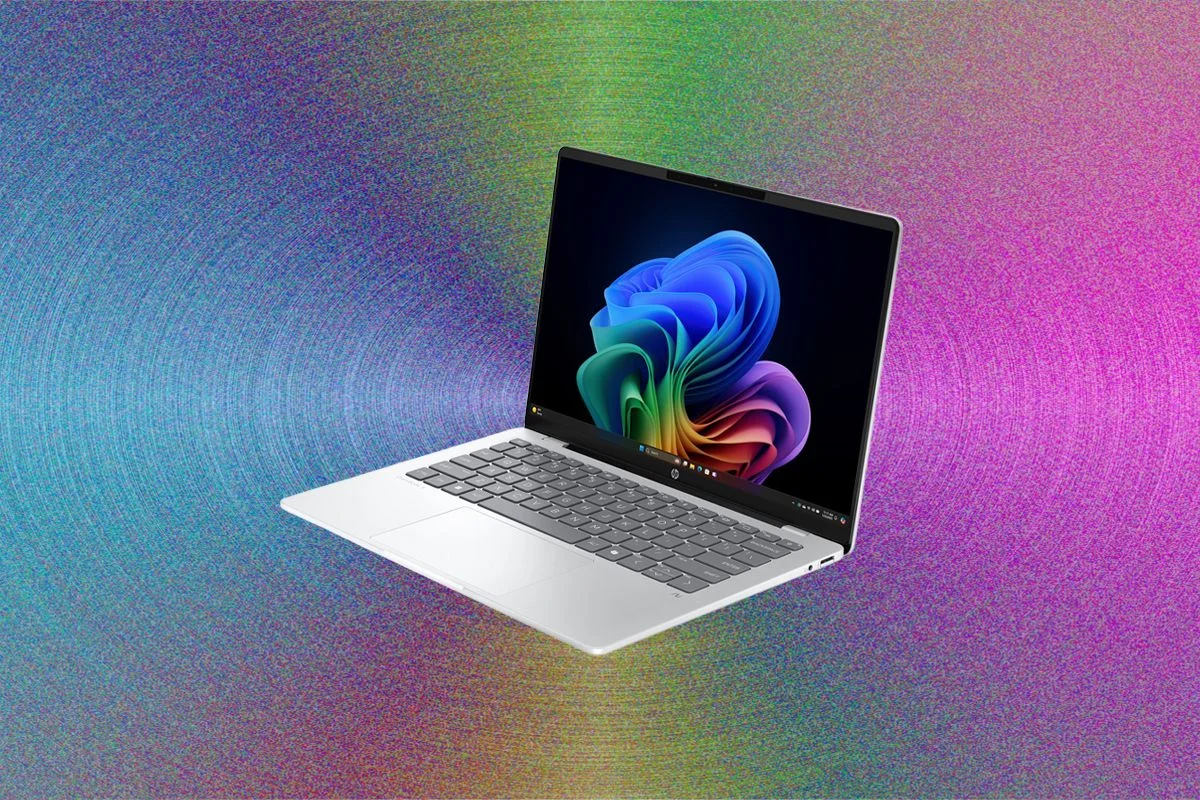
For consumers seeking affordable computing solutions, the market for budget laptops can be both vast and perplexing. WIRED’s rigorous testing methodology, which involves hands-on evaluation of hundreds of devices over the years, aims to cut through the noise, providing clear recommendations for those looking for value without sacrificing essential quality. While a comprehensive list of top budget picks exists, several other laptops warrant consideration for specific user needs, even if they didn’t make the absolute top tier. These devices, thoroughly vetted, offer unique advantages that could make them the ideal choice depending on individual priorities.
Other Budget Laptops to Consider
WIRED’s commitment to recommending only products that have undergone thorough testing ensures that even supplementary suggestions come with an expert seal of approval. Many laptops are excluded from primary recommendations due to price, overall quality, or a combination of both. However, certain models, while not top picks, still present compelling arguments for specific use cases, offering a balance of performance, features, and cost.
Lenovo LOQ 15 for $1,400
Initially a standout at $900, the Lenovo LOQ 15, despite its current higher price point, continues to represent a remarkable value proposition within the gaming laptop segment. Equipped with an NVIDIA GeForce RTX 5060 graphics card, it delivers solid gaming performance that often surpasses expectations for its price bracket. What truly sets the LOQ 15 apart from many other budget-friendly gaming laptops is its display. It features a robust IPS panel that boasts not only a fast refresh rate, crucial for smooth gaming, but also excellent image quality. This is a significant differentiator, as many affordable gaming machines compromise on screen fidelity, offering washed-out colors or poor viewing angles. The LOQ 15 ensures that gamers get an immersive visual experience, making it an enduring best value in the competitive gaming laptop landscape. Its current price, while not "extremely cheap," reflects a strong hardware package that continues to outperform many direct competitors in terms of overall performance and display quality.
Acer Chromebook Plus 516 for $479
Chromebooks inherently excel in the sub-$500 price category, where their streamlined ChromeOS operating system allows them to perform efficiently without demanding high-end hardware. The Acer Chromebook Plus 516 embodies this principle, offering a premium feel despite its budget pricing. Its most notable feature, and a key reason for its recommendation, is its exceptional touchpad. In budget laptops, touchpad quality is often an overlooked yet critical component. A subpar touchpad can significantly degrade the user experience, turning simple tasks like drag-and-drop operations or text selection into frustrating endeavors. The Acer Chromebook Plus 516 distinguishes itself with a remarkably smooth and responsive touchpad, providing precise control that elevates day-to-day usability. This attention to detail in a fundamental input device makes a substantial difference, solidifying its position as a highly recommendable budget Chromebook for users prioritizing a fluid navigation experience.
Acer Nitro V 16 for $900
The Acer Nitro V 16 (rated 7/10, WIRED Recommends) is another gaming laptop that lands in the budget category, but it comes with a notable caveat. Its most significant compromise lies in its 135-watt power adapter. During intensive gaming sessions, particularly with GPU-heavy titles like Cyberpunk 2077 or Black Myth: Wukong, this adapter may not provide sufficient power, leading to battery drain even when the laptop is plugged in. This can be a frustrating limitation for serious gamers. However, this issue is predominantly observed in Turbo or Performance modes. By sticking to the Balanced mode, users can mitigate the battery drain, experiencing only an approximate 5 percent drop in performance. While Acer could have opted for a more robust power adapter, the Nitro V 16 still offers a capable gaming experience for its price, provided users are aware of and can manage this power limitation. Despite its strengths, WIRED’s reviewers often find the MSI Cyborg A15 to be a more well-rounded option in this segment due to the Nitro V 16’s power delivery quirks.

Lenovo Chromebook Duet Gen 9 for $379
The Lenovo Chromebook Duet Gen 9 (rated 8/10, WIRED Recommends) has garnered significant praise, becoming one of WIRED’s favorite gadgets of 2024. Its appeal lies in its compact, portable design. This 11-inch detachable laptop offers exceptional versatility, functioning as a lightweight tablet when the keyboard is removed, perfect for casual use around the house or for entertainment on the go. With the keyboard attached, it transforms into a capable productivity tool, ideal for light work tasks. ChromeOS, with its robust support for Android apps, further enhances its tablet functionality. A key highlight is its impressive battery life, averaging nearly 10 hours, ensuring it can easily last through a full day of use. For users seeking a highly portable, flexible, and long-lasting device for everyday tasks and media consumption, the Chromebook Duet Gen 9 presents an outstanding value.
Lenovo IdeaPad 5i 2-in-1
Finding a 16-inch laptop in the budget category is inherently challenging, as larger form factors typically command higher prices. The Lenovo IdeaPad 5i 2-in-1 (rated 6/10, WIRED Recommends) attempts to bridge this gap by offering a larger display at an accessible price point. While it successfully delivers a 16-inch screen, it does come with typical display compromises, such as poor color coverage. However, a redeeming quality of its panel is the absence of a matte finish, which often enhances clarity and vibrancy, making the screen more enjoyable for general viewing despite its color limitations. The keyboard, however, was noted as tiresome to type on, which could be a significant drawback for users who engage in extensive typing. Ultimately, for those prioritizing a larger screen at a budget price, the IdeaPad 5i 2-in-1 is an option, but WIRED’s reviewers often suggest that the OmniBook 3 offers a more compelling overall package for its price, especially considering user input experience.
Asus Vivobook 14
The Asus Vivobook 14 initially gained attention as one of the first affordable laptops to feature the Snapdragon X processor, lauded for its exceptional battery life. However, with the advent of devices like the OmniBook 5 and OmniBook 3, its recommendation status has shifted. The primary reason for this change is the superior display quality offered by the OmniBook devices, which feature vibrant OLED screens. In contrast, the Vivobook 14 comes with a more muted, "washed-out" display. While the Vivobook 14 still offers impressive battery longevity, the visual experience is a significant factor in overall user satisfaction. Therefore, it is now recommended primarily if its price drops substantially below that of the OmniBook 3, making it an option for those seeking the absolute cheapest Windows laptop with good battery life, provided they are willing to compromise on screen quality.
What Are Important Specs in a Cheap Laptop?
When shopping for a budget laptop, understanding key specifications is crucial. Your budget fundamentally dictates the level of performance and features you can expect. Beyond price, consider display size, chassis thickness, CPU, memory (RAM), storage, and port selection. While ideal specs vary across price points (from $200 to $1,000), certain minimums should not be overlooked.
Firstly, a display resolution of at least 1920 x 1080 (Full HD) is non-negotiable in 2025. Anything less will result in a noticeably pixelated and less enjoyable visual experience. Secondly, always aim for at least 8 GB of RAM and 128 GB of storage. These have become the new standard even for many Chromebooks, ensuring smoother multitasking and adequate space for essential files and applications. Opting for less will significantly hamper performance and user satisfaction. Lastly, avoid Windows laptops powered by Intel Celeron processors; these are generally underpowered for Windows and are best reserved for ultra-budget Chromebooks.
However, specifications tell only half the story. Laptop manufacturers frequently make compromises in areas not reflected on spec sheets, such as display quality (color accuracy, brightness) and touchpad responsiveness. These subtle deficiencies can profoundly impact daily usability. It is exceedingly rare to find laptops under $500 that don’t compromise in these areas. This is where expert reviews and hands-on testing become invaluable, providing insights beyond raw numbers.

How Much RAM Do You Need in a Cheap Laptop?
For a budget laptop, a minimum of 8 GB of RAM is essential, though 16 GB is increasingly becoming the preferred baseline for optimal performance. Many contemporary Windows laptops, particularly those aligned with the "Copilot+ PC" initiative, now offer 16 GB of RAM as standard, representing excellent value. This higher capacity ensures smoother operation, especially when running multiple applications, handling demanding software, or engaging in intensive multitasking. When considering models, it’s important to factor in the cost of RAM upgrades, as manufacturers may charge an additional $100 or even $200 to double the memory.
For Chromebooks, while some very inexpensive models (under $200) might still feature 4 GB of RAM, 8 GB is rapidly becoming the standard, even for budget-friendly options like the Asus Chromebook CX15. The ongoing memory shortage has influenced pricing, leading to some fluctuations, but the general trend points towards higher RAM configurations becoming more common. Even premium laptops like the MacBook Neo and Dell XPS 13 are seeing a return to 8 GB in some base configurations, though 16 GB remains highly recommended if feasible.
Are There Any Good Laptops Under $300?
Yes, good laptops can be found under $300, but they require careful selection. Blindly purchasing a random sub-$300 laptop from online marketplaces often leads to acquiring an outdated, slow, and ultimately regrettable device. For this price point, the crucial advice is to avoid Windows laptops altogether. Windows requires more system resources, meaning a sub-$300 Windows machine will almost certainly deliver a frustratingly sluggish experience.
Instead, the sub-$300 category is firmly Chromebook territory. These budget-level Chromebooks, while not high-performance machines, offer a significantly better user experience than their Windows counterparts at a similar price. They are optimized for ChromeOS, which is lightweight and efficient, making them surprisingly capable for basic tasks. The Asus Chromebook CX15 is a prime example of a respectable device in this segment. For a satisfactory Windows laptop experience, consumers should expect to spend at least $500 or $600, where more solid options like the HP OmniBook 3 begin to emerge, albeit still with some compromises in areas like touchpad quality or chassis design.
Should You Get a Cheap Windows Laptop or Chromebook?
This is a fundamental question for budget-conscious buyers. If your budget is under $500, WIRED strongly advises opting for a Chromebook. This recommendation holds true unless you have specific software requirements that mandate a Windows laptop or a MacBook (e.g., specialized professional applications). If you do choose a Chromebook, verify compatibility with all your essential accessories and other devices.
Chromebooks provide a full desktop Chrome browser experience alongside access to a vast ecosystem of Android apps. While this setup might leave some gaps for users reliant on specific desktop applications, many commonly used programs now offer web-based versions that are fully functional and negate the need for local software installation. For many users, particularly students or those primarily using their laptop for web browsing, email, and streaming, Chromebooks offer a simple, secure, and highly efficient solution.
Historically, Chromebooks were often perceived as "junky student laptops," but the introduction of the "Chromebook Plus" designation has significantly elevated the category. Chromebook Plus models, typically ranging from $400 to $600, bridge the gap between rudimentary budget Chromebooks and more expensive Windows laptops. They offer enhanced performance, superior displays, and a more modern aesthetic, providing a much-improved overall experience. The Acer Chromebook Plus 514 is an excellent example of a device that benefits from this initiative, offering a compelling package for its price. Understanding the differences between Windows laptops and Chromebooks is paramount to making an informed decision that aligns with your computing needs and budget.






