11

The advent of AI search presents a fundamental shift for how brands establish and maintain their online presence. While it may not entirely supplant traditional organic traffic, AI assistants are increasingly influencing consumer journeys before a user even reaches a website. By providing comprehensive explanations, competitor comparisons, and decision-making support, AI acts as an initial filter, meaning users who do click through may already possess a significant understanding of the market and their needs. The true opportunity, therefore, lies not solely in securing clicks, but in becoming a brand that AI can accurately and confidently recommend. This requires a strategic focus on four key pillars: establishing a reliable source of truth through owned channels, building sufficient external validation, creating content that withstands AI summarization, and accurately measuring visibility across the AI ecosystem.
Pillar 1: Cultivating a Reliable Source of Truth Through Owned Channels
AI assistants function akin to new sales representatives, learning about products from the public web. To effectively inform these assistants, brands must provide clear, consistent, and accurate information across their owned digital assets. Gaps or inconsistencies in product descriptions, features, integrations, pricing, or terminology on landing pages, blog posts, and profiles can lead to AI assistants filling in the blanks with inaccurate or outdated information. This can result in misrepresenting product capabilities, targeting the wrong audience, or conveying incorrect details.
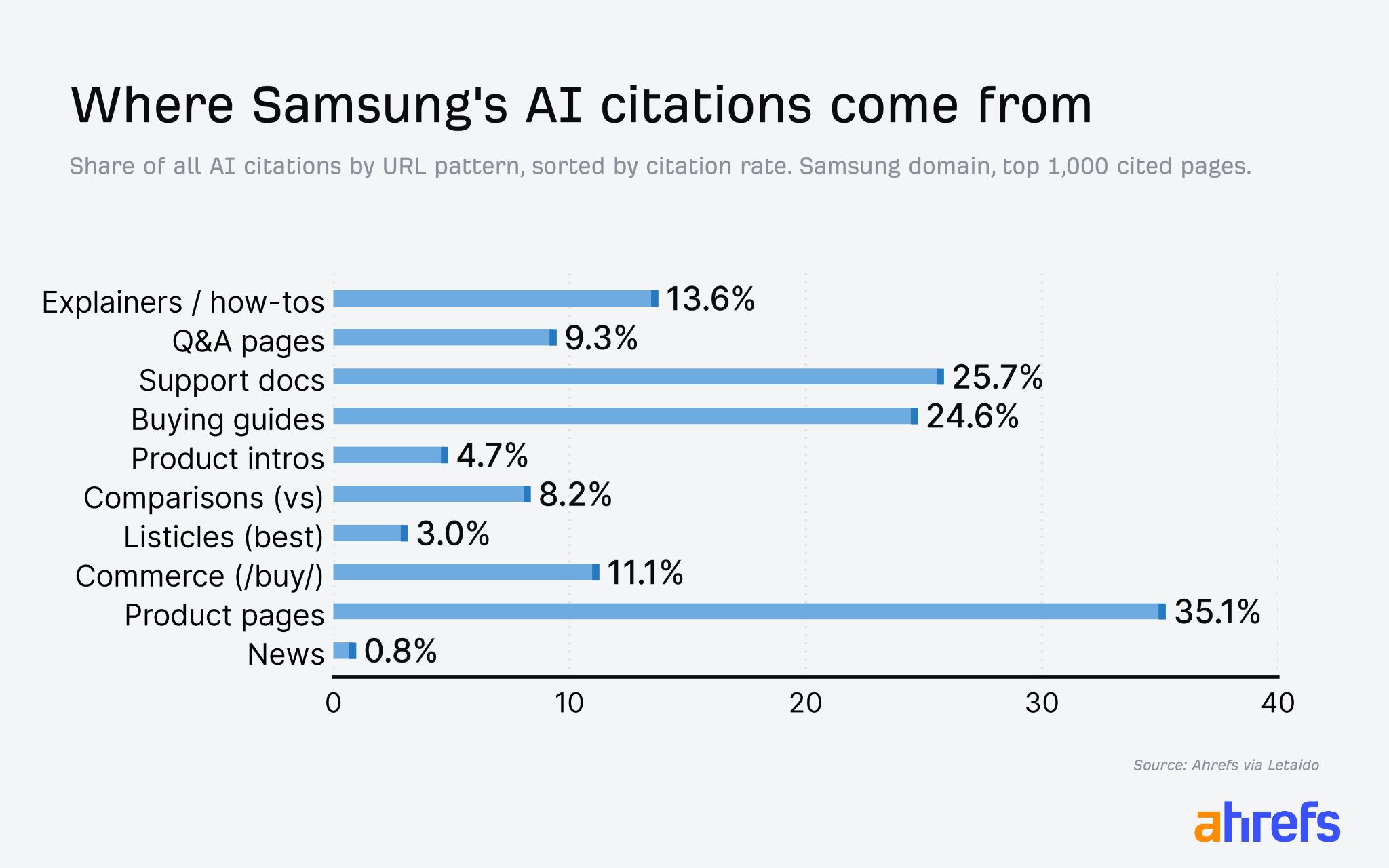
For instance, an AI might conflate the functionalities of a free demo version with a paid product if clear documentation is absent. This highlights a key distinction between Generative Engine Optimization (GEO) and traditional Search Engine Optimization (SEO). While SEO aims to rank pages for specific queries, GEO emphasizes creating pages that serve as dependable sources of truth for AI systems, even if they don’t rank organically. Brands like Samsung exemplify this by prioritizing content that mirrors the utility of sales or support documentation – product guides, support articles, and FAQs. These resources equip AI to answer questions accurately.
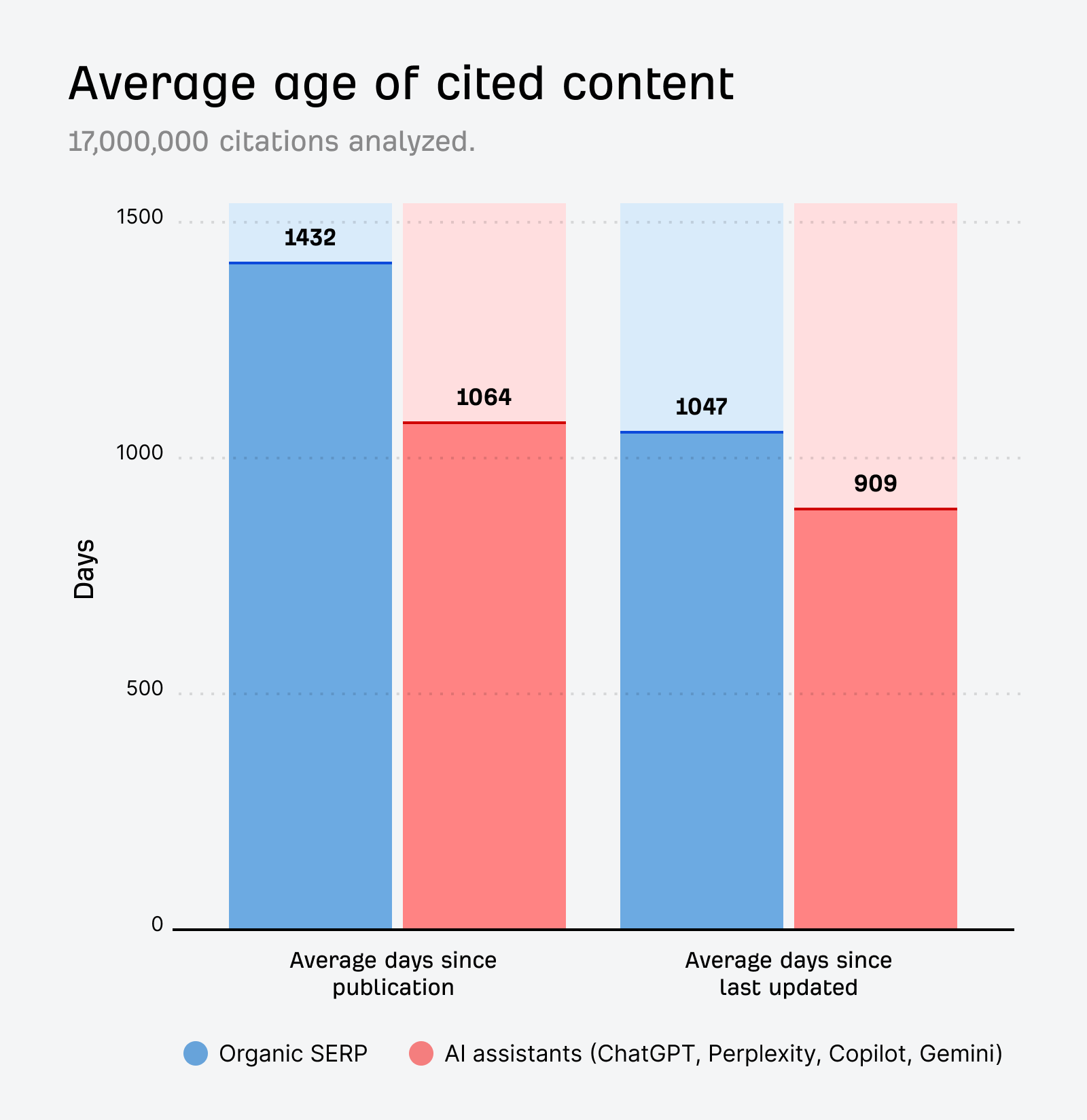
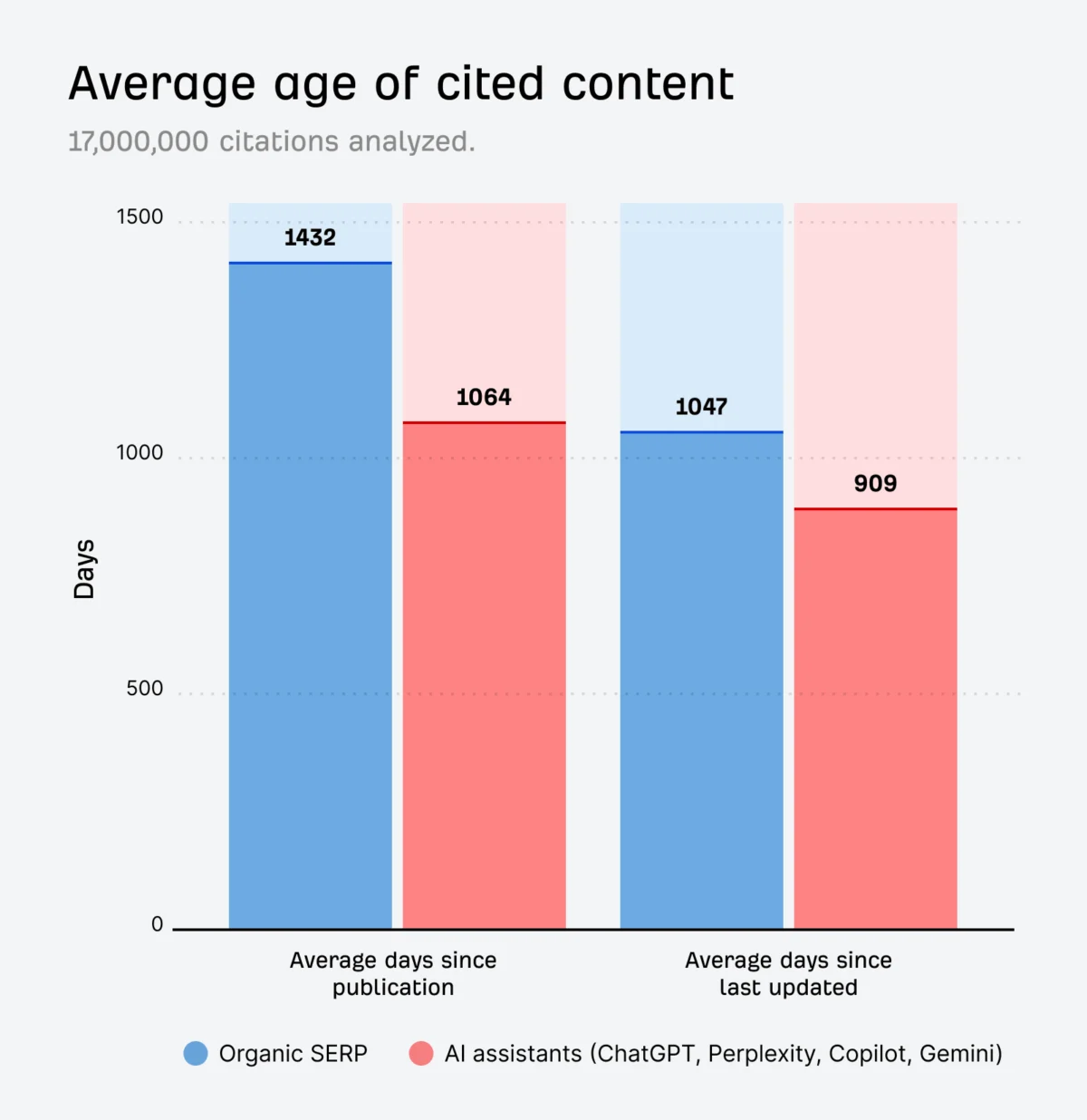
Beyond a brand’s website, owned profiles on platforms like G2, Capterra, LinkedIn, Crunchbase, and app marketplaces are crucial. AI assistants frequently consult these pages, and outdated information here can significantly skew perceptions. Maintaining consistency in descriptions, positioning, pricing, and product details across all owned profiles is paramount. Backing up claims with evidence such as reviews, certifications, or awards further bolsters AI’s confidence in accurate representation. Data indicates that AI-cited content is often fresher than traditional organic search results.
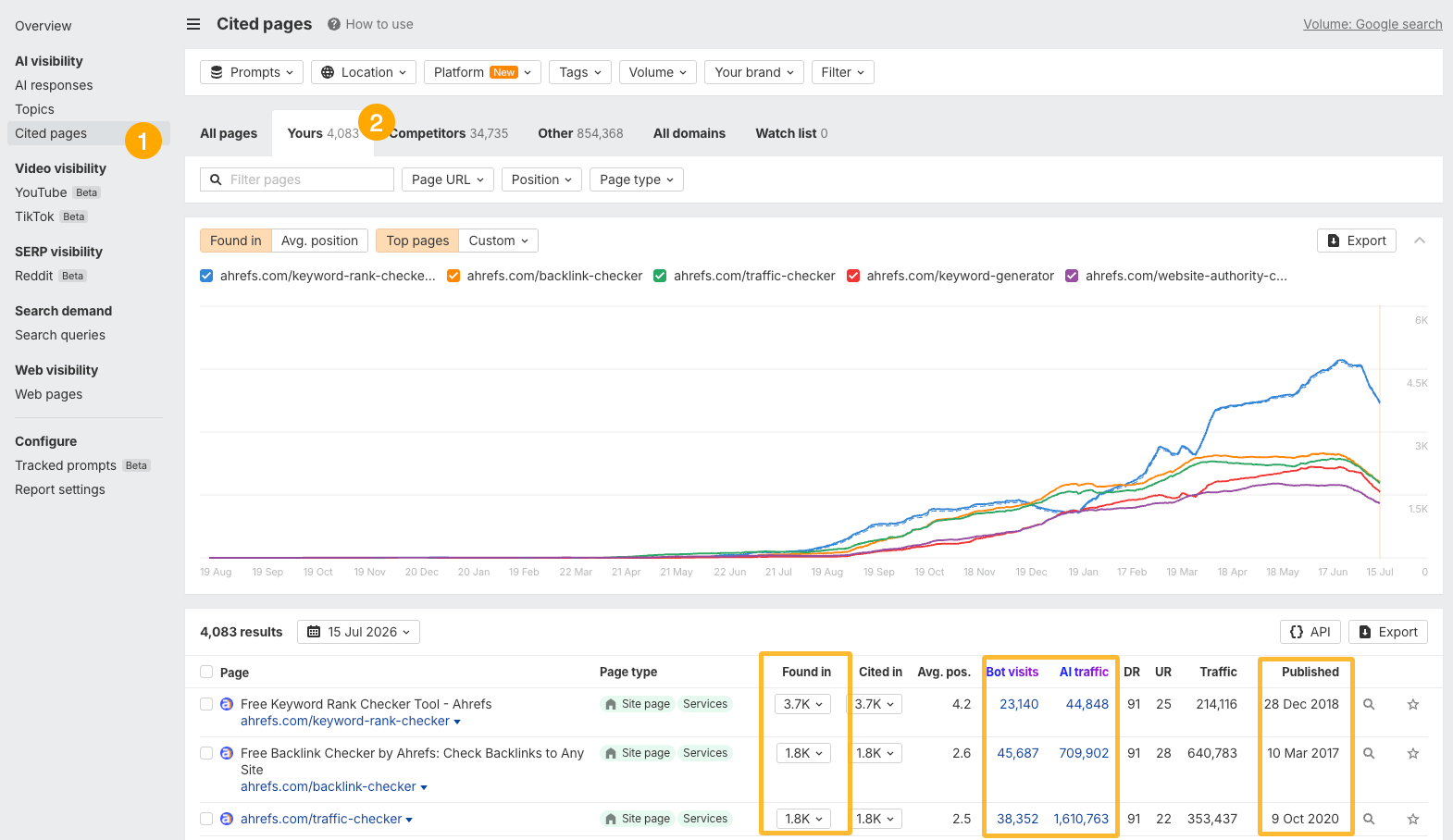
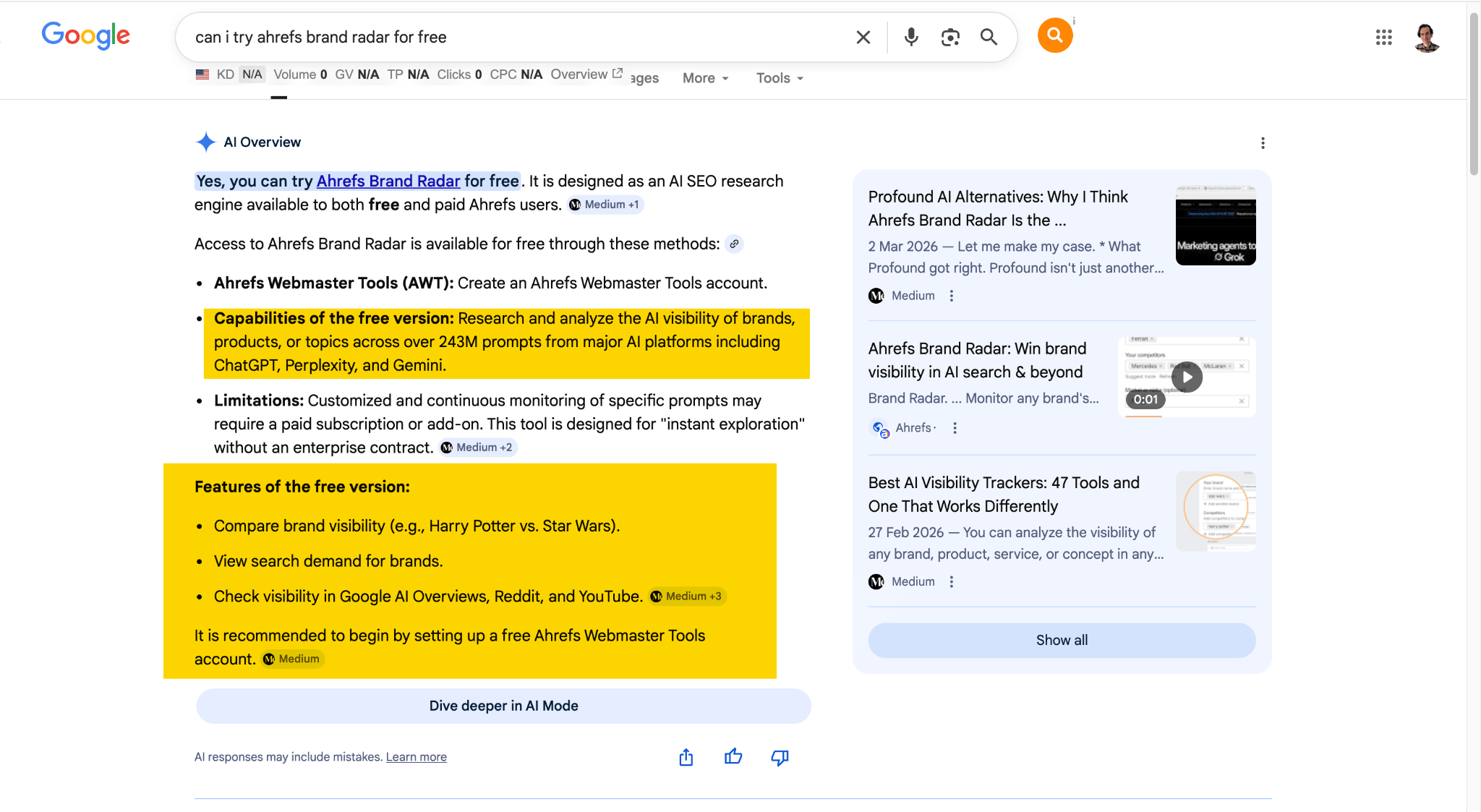
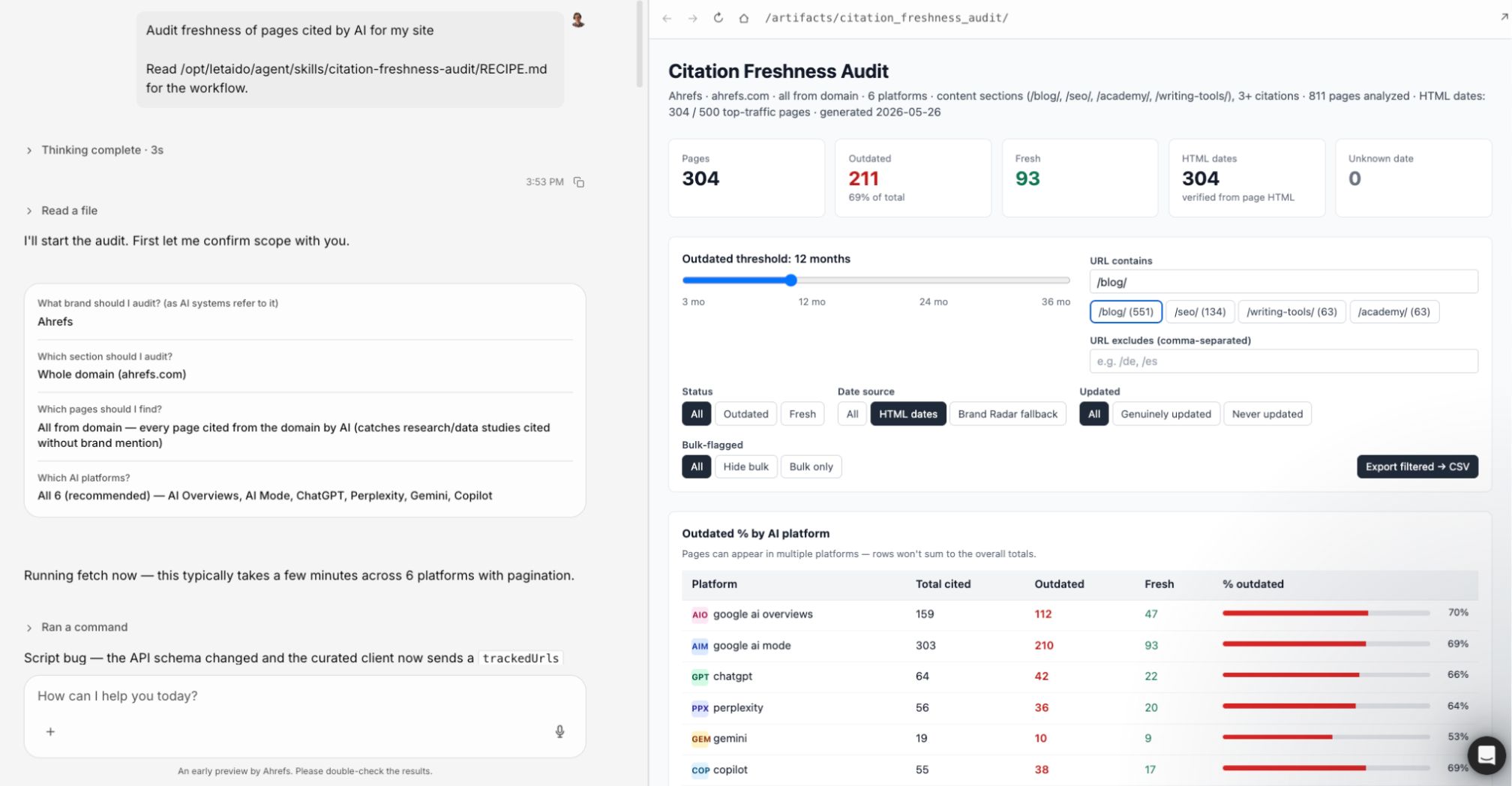
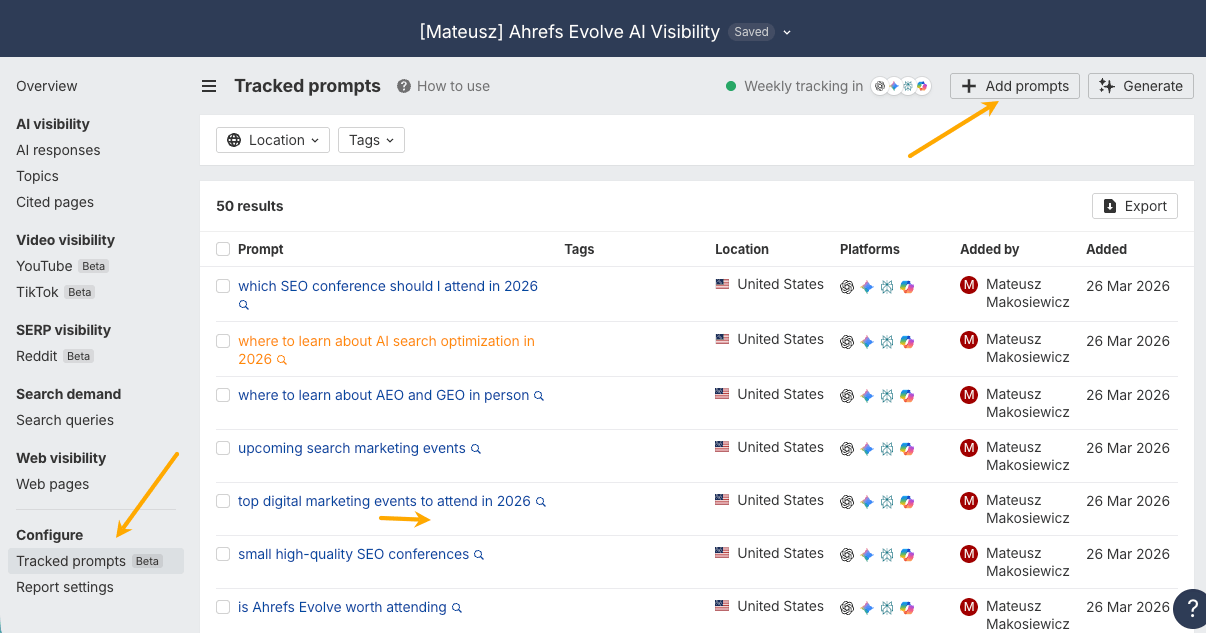
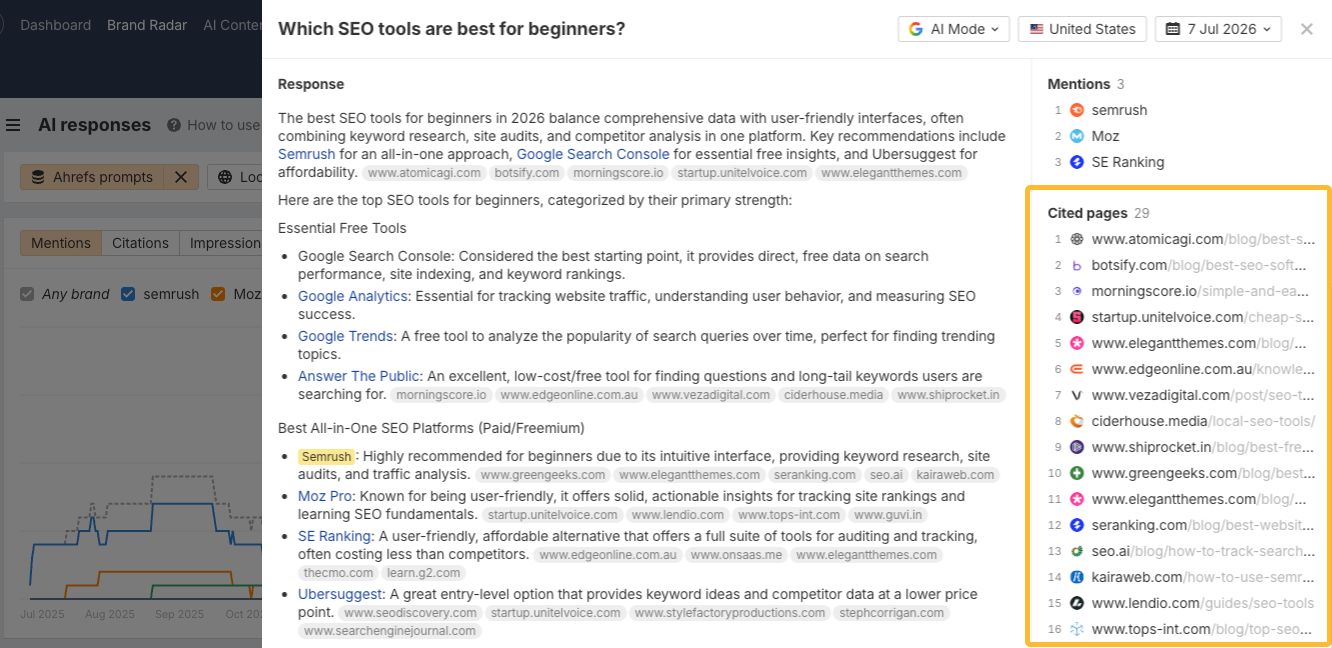
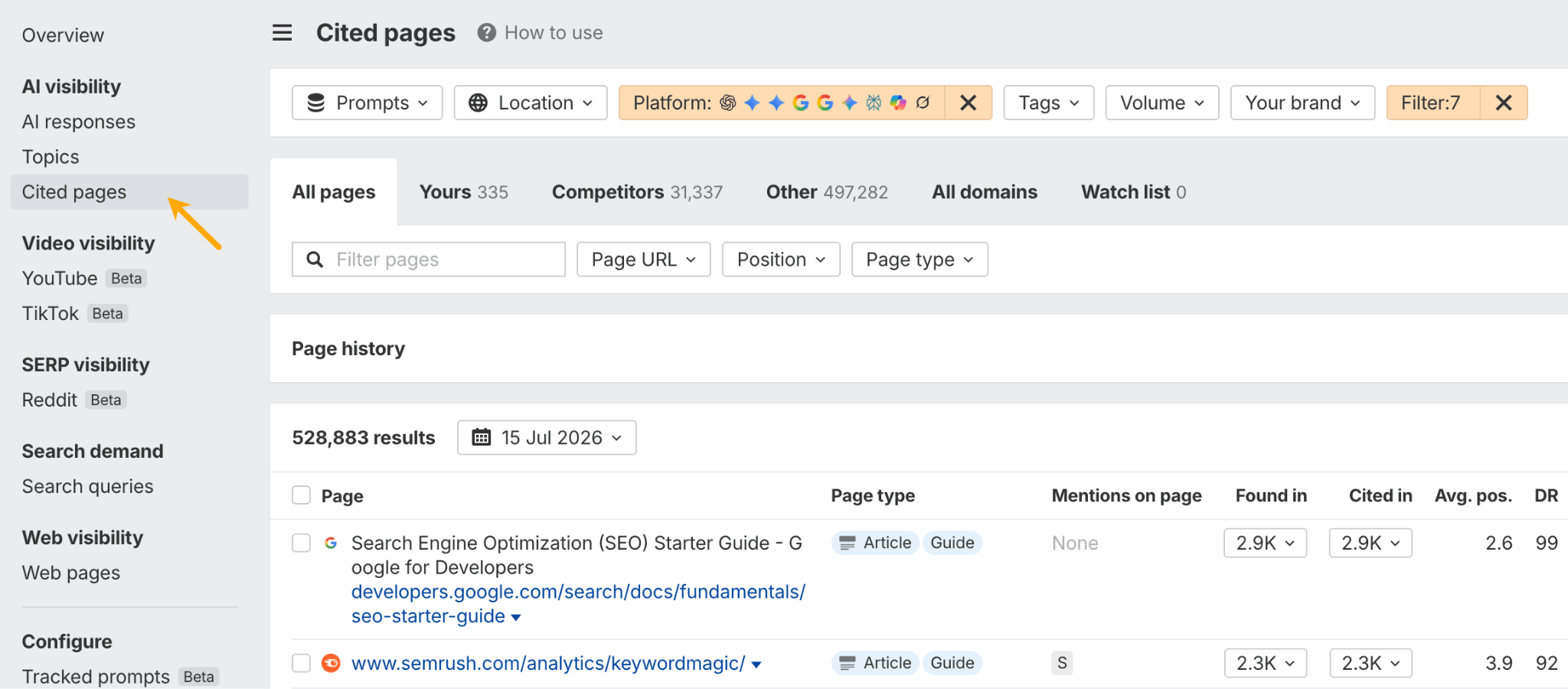
To implement this pillar, brands should conduct three key checks: first, identifying and correcting any outdated or inconsistent information across all owned pages and profiles; second, understanding which of their pages AI systems are citing and how frequently they are being visited by AI bots; and third, directly querying AI assistants to gauge their understanding of the brand. Tools like Ahrefs Brand Radar can assist in identifying cited pages and AI bot activity, while Ahrefs Web Analytics can track AI bot visits and traffic. For large-scale audits, specialized skills like Letaido can help assess citation freshness. Manual querying of AI assistants like ChatGPT, Claude, or Gemini, or automated custom prompts within tools like Brand Radar, can also provide valuable insights into AI perceptions and identify recurring issues. Furthermore, monitoring AI-hallucinated URLs can reveal expected but non-existent pages, offering opportunities for new content or redirects.
Pillar 2: Building External Validation for Category Inclusion and Recommendation
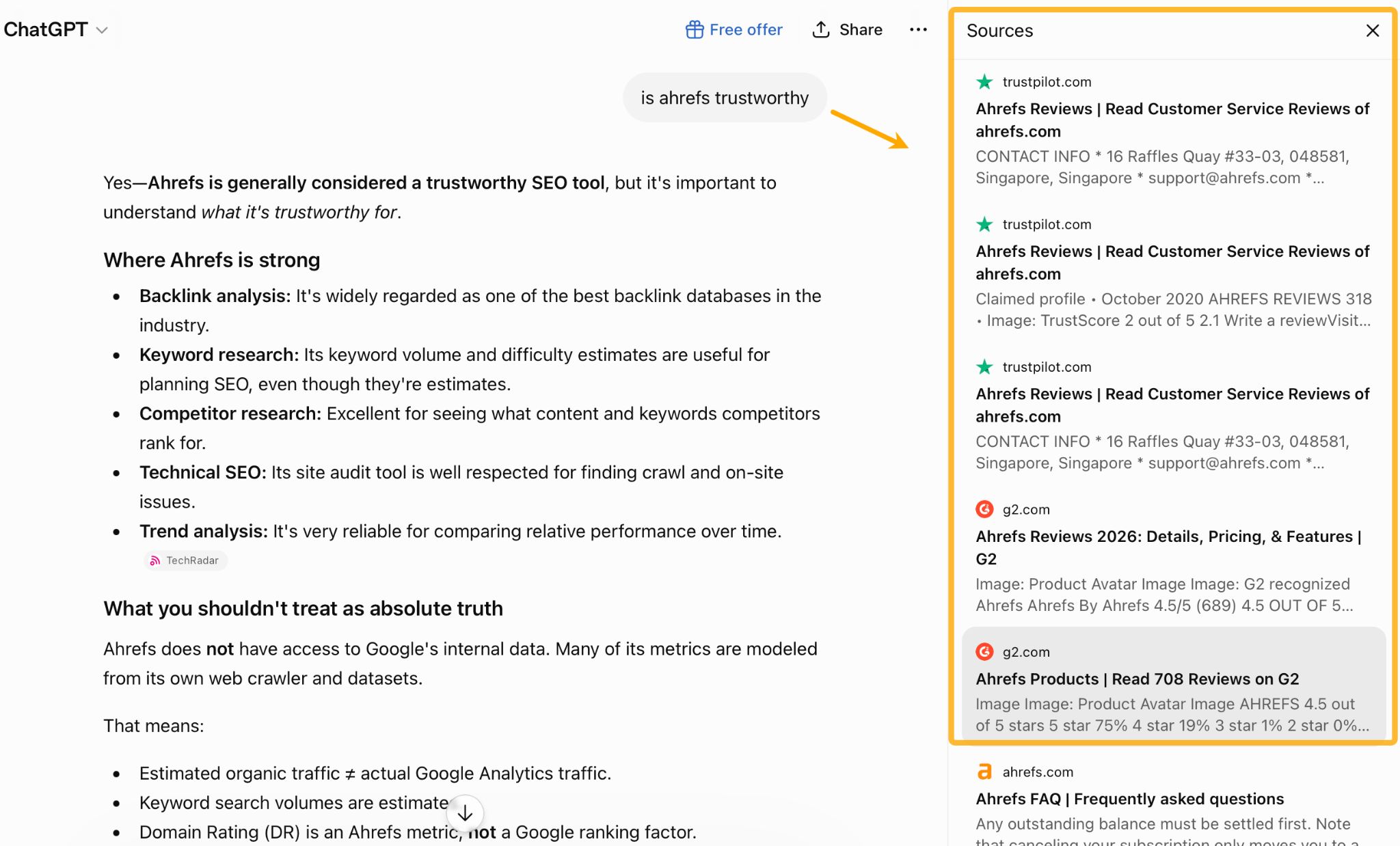
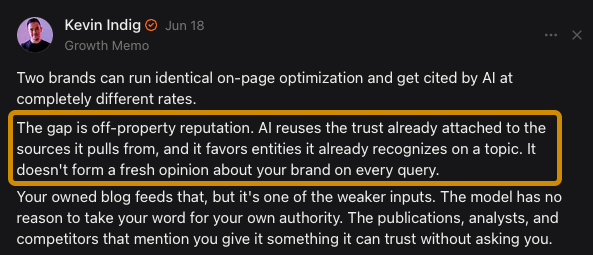
AI assistants do not rely solely on a brand’s owned content. They also synthesize information from reviews, YouTube videos, analyst reports, industry publications, comparison sites, podcasts, Reddit, and customer discussions. In many cases, brand mentions in AI answers originate from third-party sources rather than the brand’s own website. User-generated content, in particular, plays a significant role in providing a human perspective, with platforms like YouTube, Reddit, Facebook, and LinkedIn frequently cited.
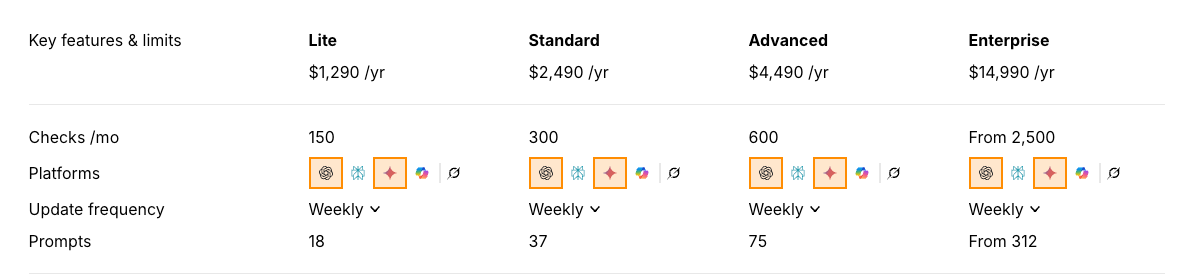
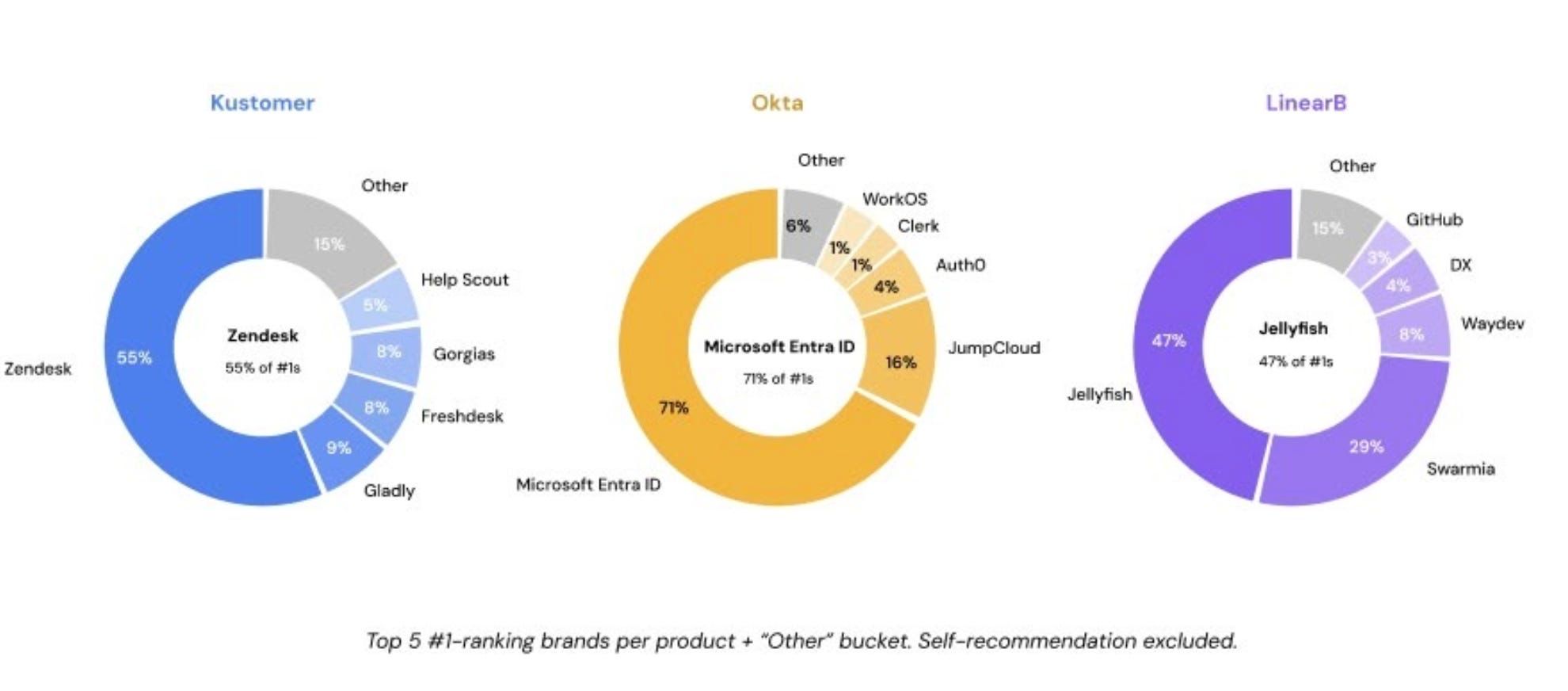
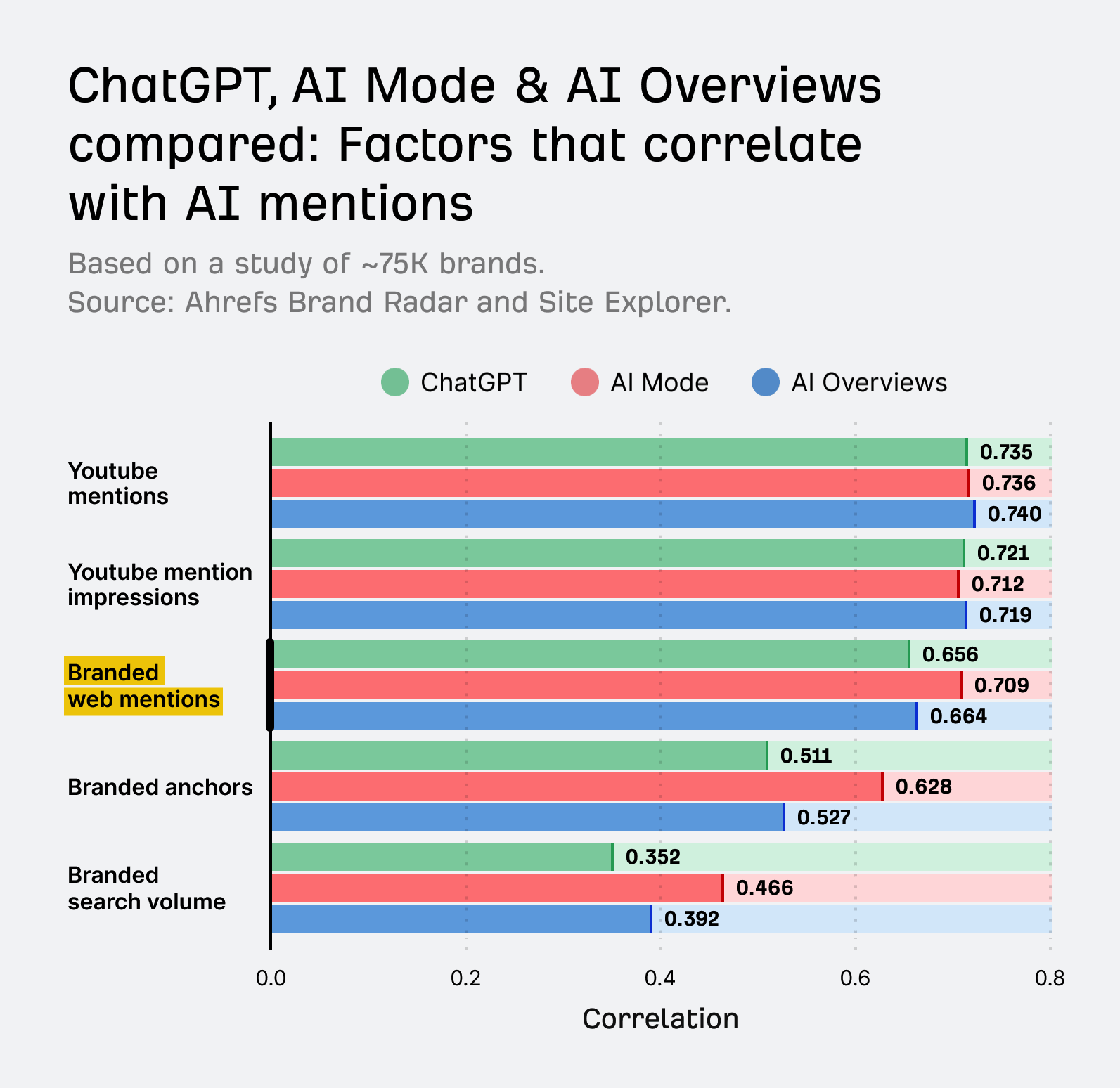
This combination of owned content and third-party mentions shapes AI’s understanding and contributes to an online consensus regarding which brands belong in a particular category. AI assistants tend to recommend established companies with a substantial accumulation of reviews, comparisons, media coverage, and discussions, reflecting the existing web consensus. This explains why similar content can yield different results for different brands; AI prioritizes those with more substantial external evidence. A study of 75,000 brands revealed that off-site mentions, especially from YouTube video transcripts, strongly correlated with AI visibility.
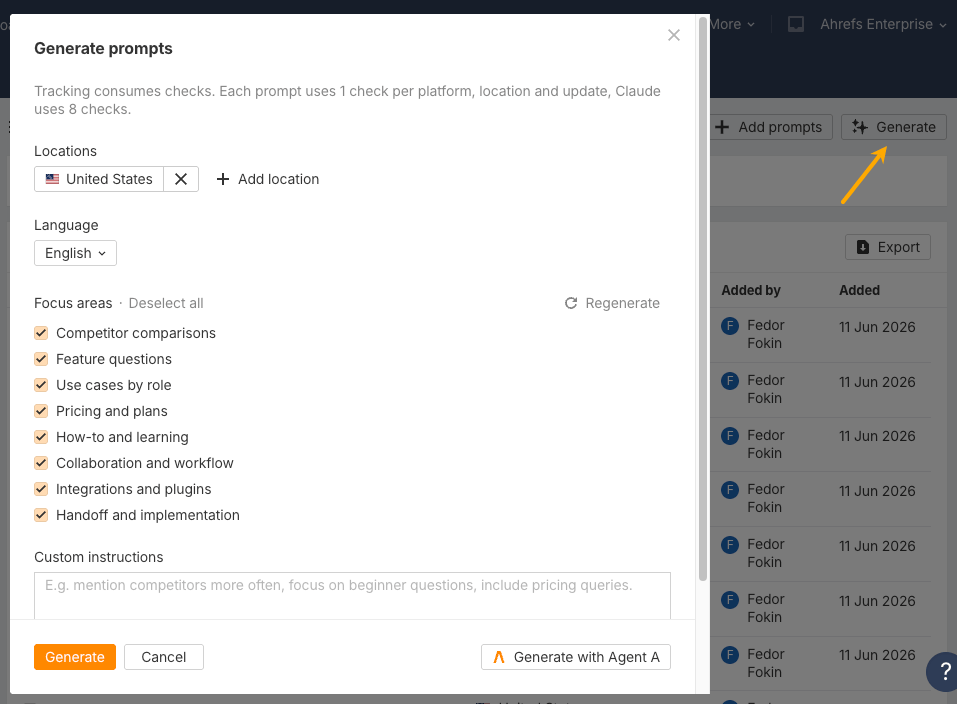
To earn AI recommendations, brands must first establish sufficient evidence to be considered within their category. Useful mentions consistently link a brand to: its category, specific use cases, and key competitors. This necessitates a "source strategy" rather than just a content strategy, focusing on platforms AI systems utilize for answer generation, such as review sites, YouTube, industry publications, and forums.
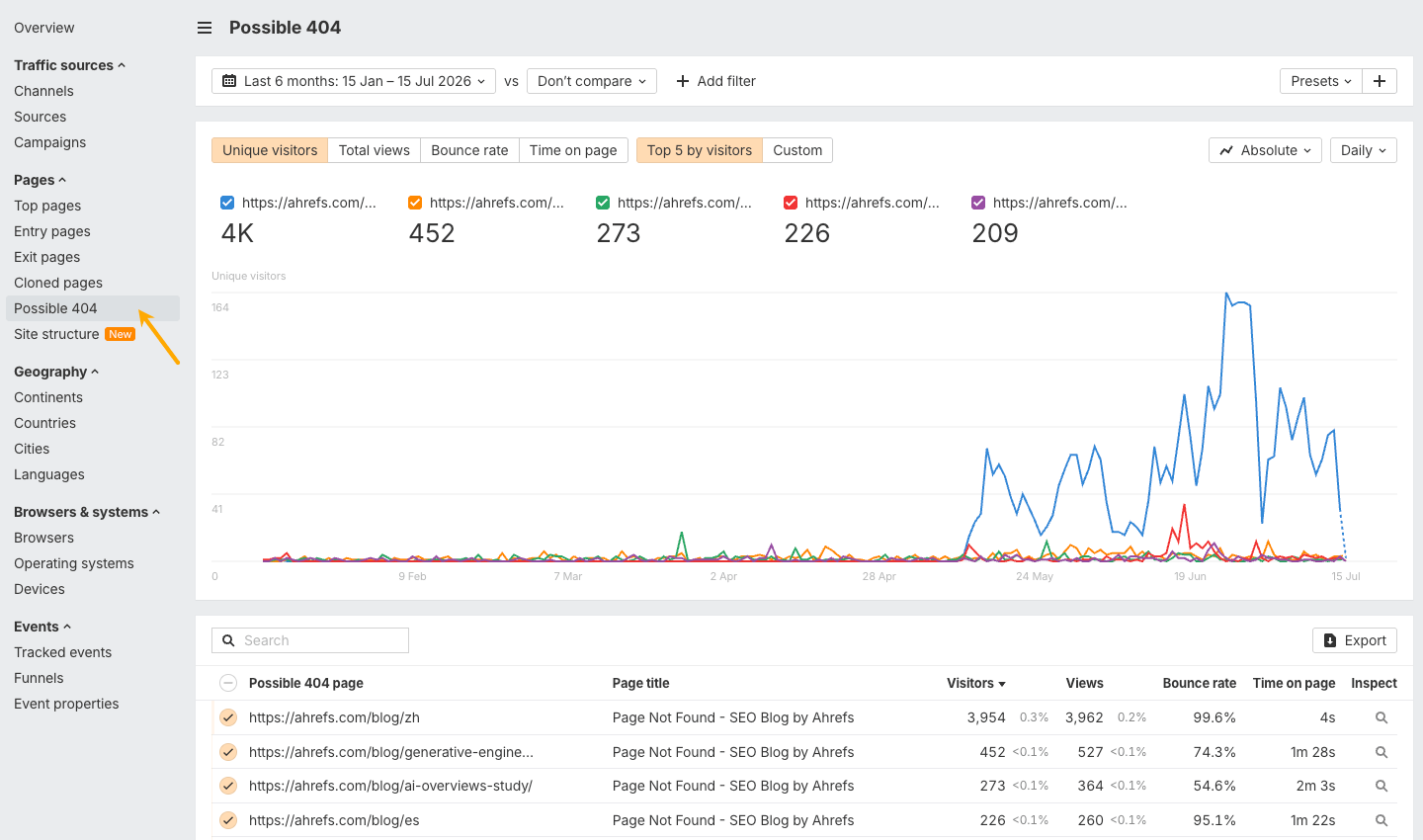
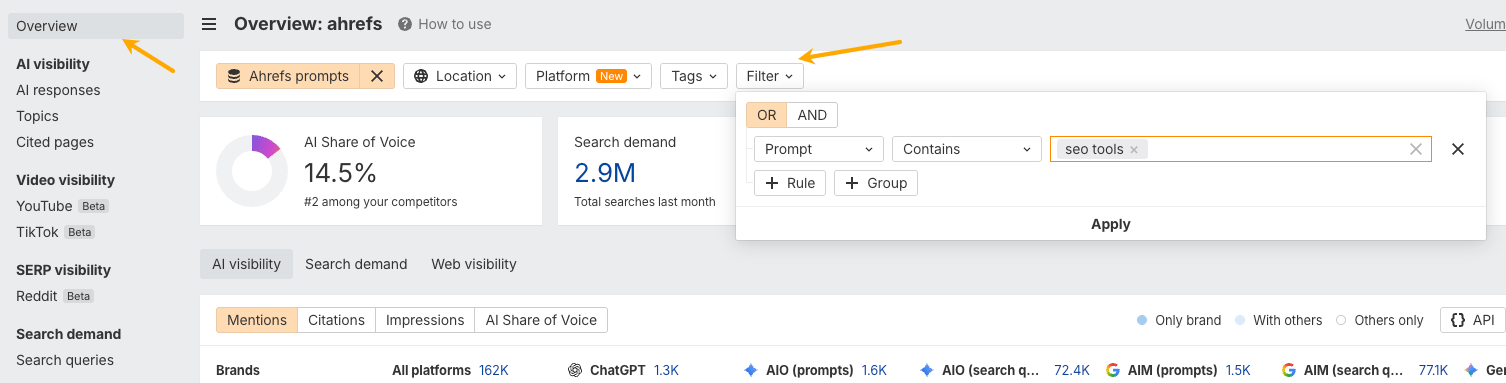
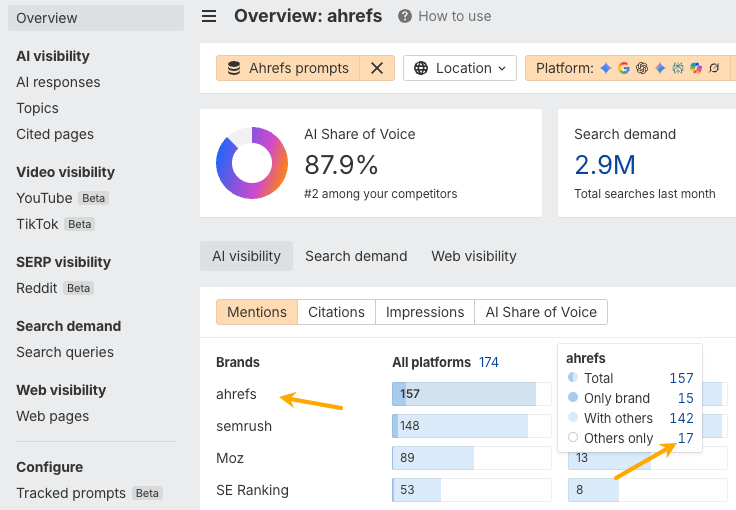
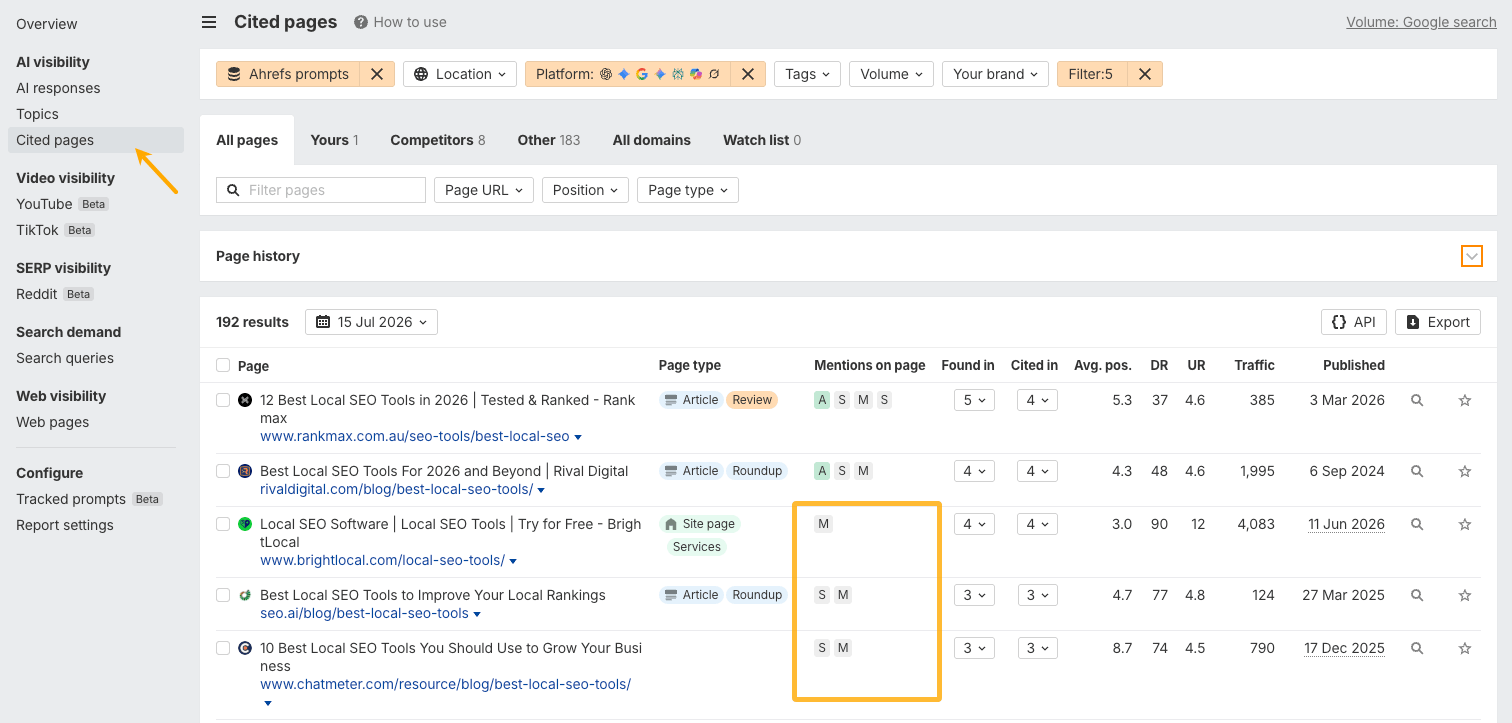
To assess this, brands should first determine if AI assistants already include them in regular category recommendations. If so, the focus shifts to maintaining that position and ensuring accurate representation. If not, more third-party evidence connecting the brand to its category, desired use cases, and competitors is required. Tools like Brand Radar can be used to analyze AI share of voice within a category and identify specific prompts where competitors are mentioned but the brand is not. Reviewing the cited pages in these AI answers can reveal opportunities to earn mentions on influential third-party sites or identify gaps in the brand’s own website content. The "Mentions on page" column in the Cited pages report can highlight influential pages that currently do not mention the brand, guiding outreach efforts for partnerships, collaborations, and reviews.
Pillar 3: Crafting Content That Withstands AI Summarization
When an AI assistant answers a question, it summarizes the most relevant information from available sources, making direct clicks to those sources optional. This raises the critical question for content creators: what value remains for a user to click through after an AI summary? Generic explainers and basic how-to guides often offer little beyond what AI can already synthesize.
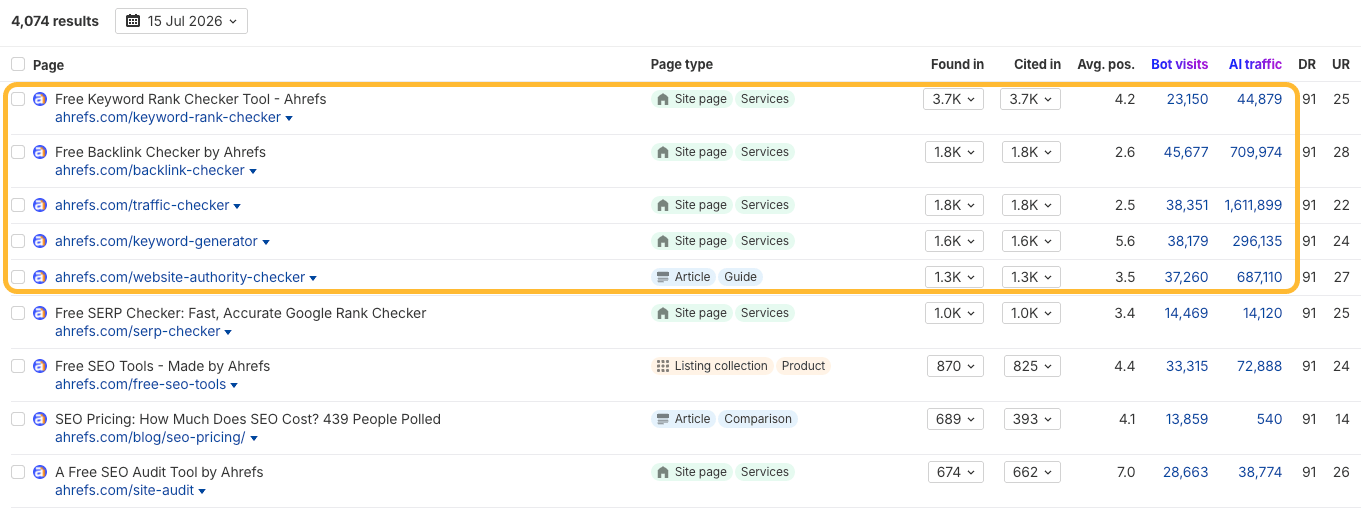
Content that retains its value falls into two categories: original research and firsthand experiments, and content that provides unique utility, such as online tools, calculators, or templates. Original research and unique perspectives offer something AI cannot replicate, leading to citations and attribution that drive traffic back to the source. This "deep content" concept, predicted by Joshua Hardwick, ensures that even when AI summarizes findings, the original source is credited, building awareness and authority. Ahrefs has observed thousands of AI citations stemming from its original research, demonstrating the power of unique data and insights.
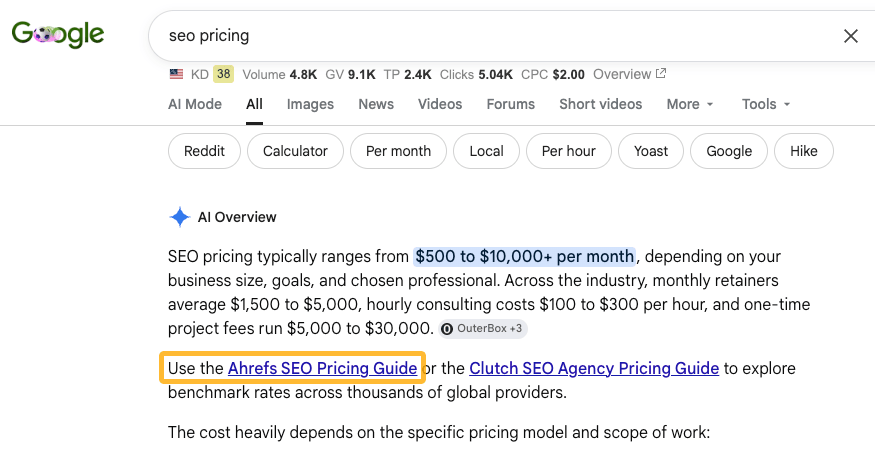
Content that offers utility beyond summarization, like interactive tools, also resists AI summarization. While AI can describe a backlink checker, it cannot perform the function itself, which is why such keywords often do not trigger AI Overviews. These types of content have demonstrated high AI citation and traffic levels for Ahrefs.
Importantly, content that earns AI citations – original research, unique perspectives, and exclusive data – is also the type of content that naturally gains traction across other channels, including social media, journalism, and sales conversations. AI visibility is thus an additional benefit of producing high-quality, valuable content.
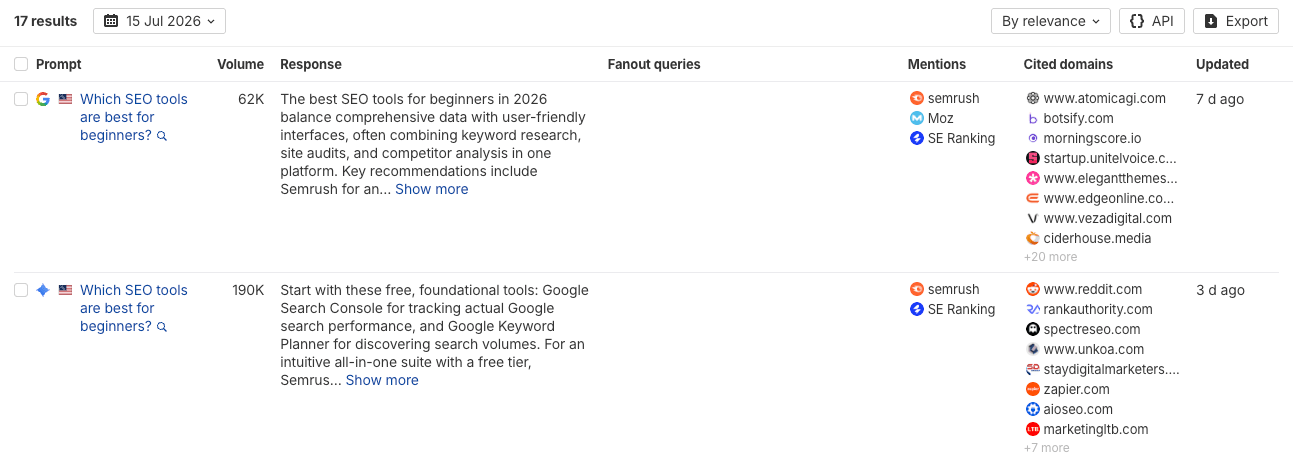
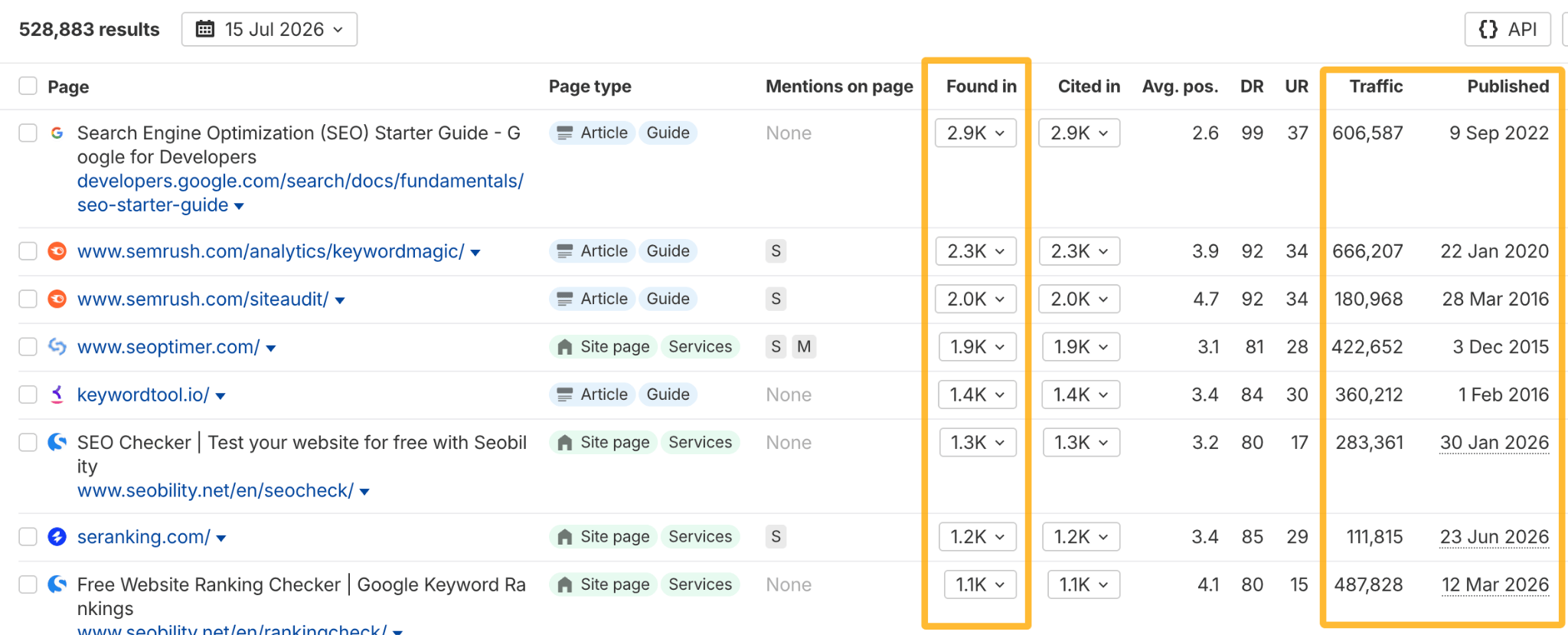
To implement this pillar, brands should identify citation gaps: topics where AI assistants cite competitors but not their own brand. These gaps signal demand and an opportunity to earn a place in the conversation. By analyzing the Cited pages report in tools like Brand Radar, brands can discover pages that AI cites for relevant topics, some of which may represent unmet content needs. Prioritizing opportunities based on "Found in" and "Traffic" columns, and assessing the freshness of existing cited content, can guide content creation. Filtering the report to include close competitors can reveal topics where they are being cited, indicating potential areas for coverage. The final step involves identifying what unique contribution a brand can make, leveraging internal data, customer research, benchmarks, experiments, or firsthand experience to create strong, defensible content. For content that resists summarization, keyword research tools can identify opportunities where AI Overviews are not yet prevalent.
Pillar 4: Measuring Average Visibility, Not Isolated Answers
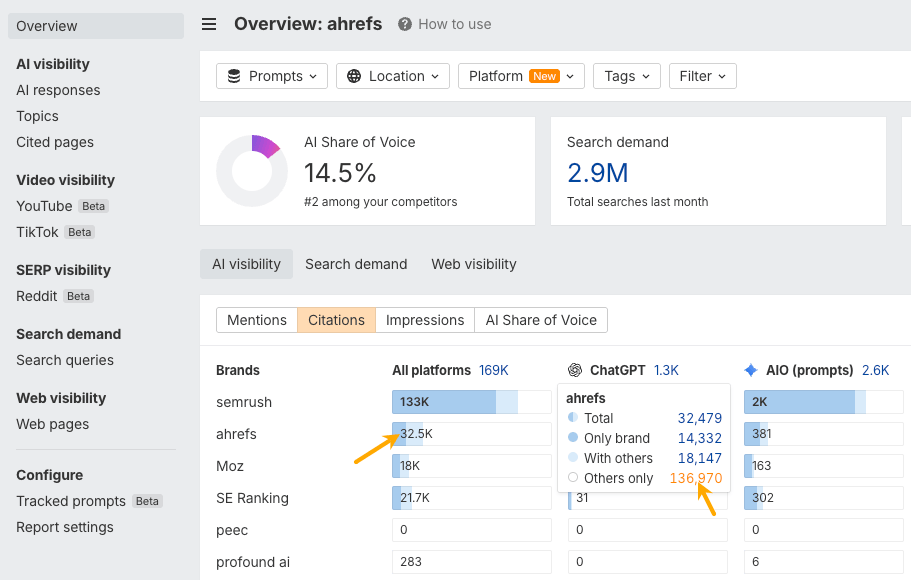
The dynamic nature of AI answers means that a brand’s presence can fluctuate across different assistants and prompts. Therefore, effective AI search strategy requires measuring average visibility across numerous prompts and AI systems over time, akin to tracking share of voice rather than individual search rankings. The overarching goal is to understand a brand’s consistent presence across the questions and scenarios relevant to its audience.
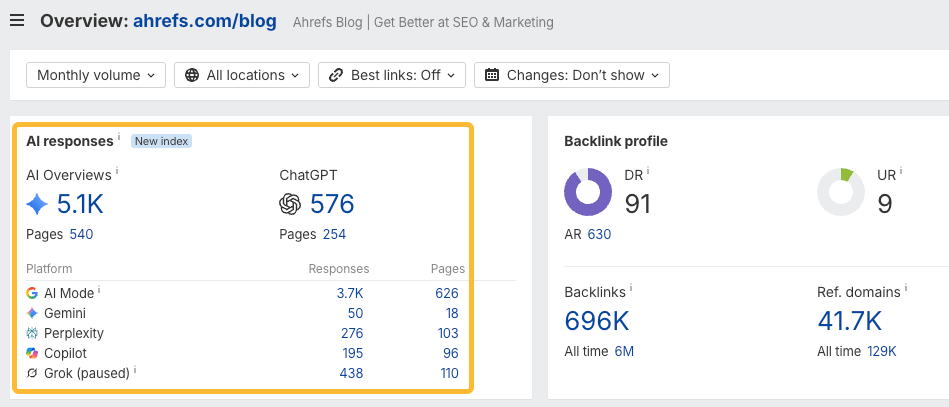
Tools like Ahrefs Brand Radar facilitate this by tracking mentions, citations, AI share of voice, and estimated impressions over time, allowing for the observation of performance trends. These tools enable comparison of key AI visibility metrics across competitors and allow for filtering by prompt index, AI platform, and location. This comprehensive approach helps answer fundamental questions about a brand’s AI presence: its overall share of voice, its average visibility across different prompt categories, its comparative performance against competitors, and its trend over time.
Beyond these core metrics, a more specialized dashboard can incorporate AI traffic (referral traffic from AI assistants, acknowledging that AI influences journeys beyond direct attribution), AI bot activity (as a diagnostic metric for content crawling), AI coverage (distinguishing between mentions and citations), AI perception (how AI consistently describes the brand across various dimensions), outdated pages cited by AI, and actionable recommendations derived from performance gaps. This holistic measurement framework transforms AI visibility monitoring into a strategic imperative, guiding content creation, PR efforts, and brand messaging to ensure AI accurately understands, verifies, and recommends the brand.
What to Avoid in Your AI Search Strategy
As the AI search landscape evolves, it’s tempting to pursue shortcuts. However, many of these are unsustainable. Self-promotional "best tools" lists, while potentially earning citations, can inadvertently boost competitor visibility. Transparency about relationships with products and acknowledgment of competitor strengths are crucial for credibility. Furthermore, publishing large volumes of unreviewed AI-generated content, often termed "scaled content," risks repetitive, error-prone material and can be penalized by search engines, leading to short-term gains followed by significant declines ("Mount AI"). AI should be a tool for research, analysis, and editing, not a replacement for original ideas, human judgment, and verifiable evidence. Finally, blocking AI crawlers without a compelling, deliberate reason can hinder visibility and should be approached with caution, as it may inadvertently limit AI’s ability to learn about a brand.
Final Thoughts
AI search, while appearing as a new channel, reinforces fundamental principles of effective digital marketing: clear communication, credible validation, original content, and consistent measurement. What distinguishes AI search is its ability to synthesize information from disparate channels – owned websites, reviews, news, social media, and videos – into a singular, cohesive answer. This convergence means that SEO, content marketing, digital PR, brand marketing, product documentation, and customer advocacy all contribute to a brand’s AI performance. Ultimately, success in AI search is not merely an SEO challenge but a reflection of how effectively an entire marketing ecosystem enables AI to understand, verify, and confidently recommend a brand.