 11

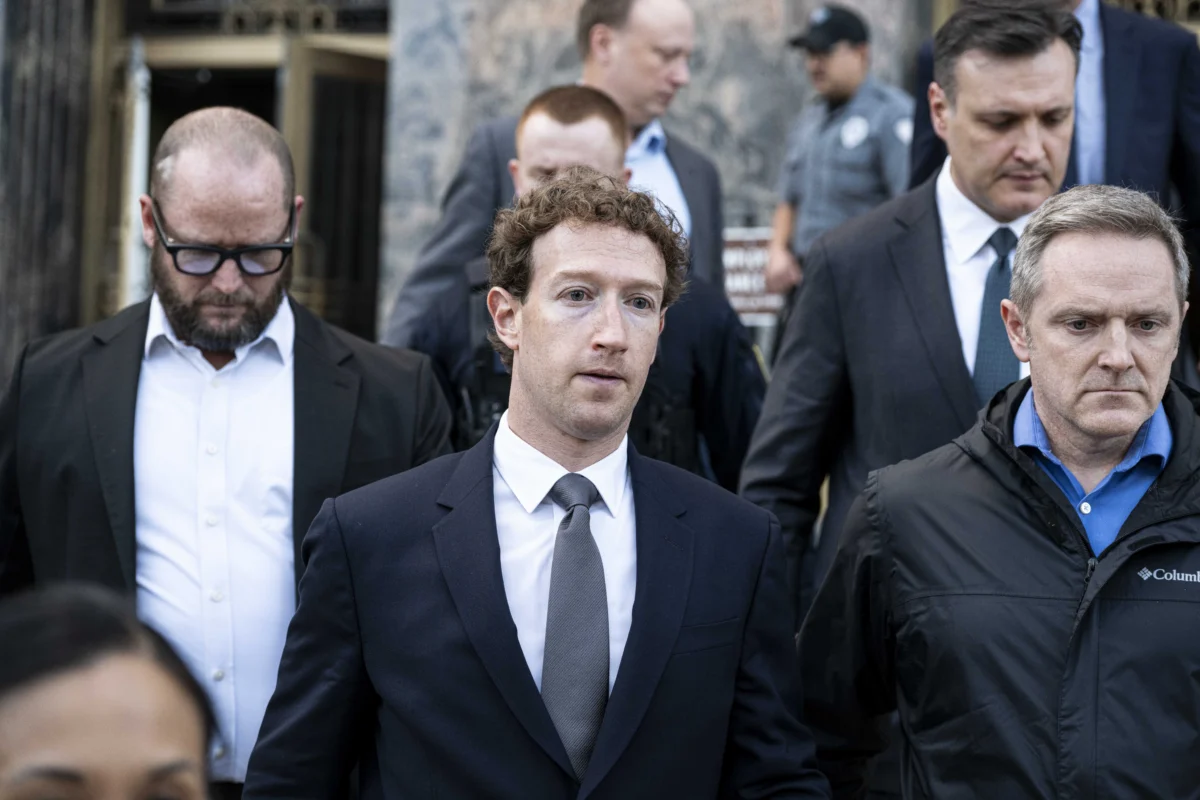
In a stunning and rapid development, Meta, the social media behemoth behind Facebook and Instagram, has agreed to settle a high-stakes federal lawsuit alleging its platforms failed to adequately protect young users. The settlement, announced less than a quarter of the way into an expected 19-day trial, marks a significant turning point, committing Meta to pay up to $16.7 billion to 51 US states and territories and implement substantial product changes designed to reshape how teens interact with its services.
The agreement was unveiled on Wednesday by attorneys general representing some of the 29 US states that had initiated the federal trial against Meta. The announcement came shortly before Instagram head Adam Mosseri was scheduled to return to the witness stand, underscoring the swift resolution of what had promised to be a lengthy and contentious legal battle. In a separate statement detailing the settlement, Meta proactively urged other major social media platforms, specifically YouTube and TikTok, to adopt similar youth protection measures, signaling a potential shift in industry standards.
This settlement is particularly notable given Meta’s previous litigation strategy. Unlike other prominent social media services, including YouTube, Snapchat, and TikTok, which had resolved similar lawsuits out of court, Meta had consistently chosen to proceed to trial. Earlier this year, this approach led to significant financial penalties, with Meta losing state trials in California and New Mexico, incurring nearly $1 billion in fines. The federal trial, which commenced last week, presented an even graver risk, with the company itself estimating potential damages exceeding $1 trillion if it lost. The decision to settle now avoids this colossal financial exposure and the prolonged public scrutiny of its internal practices.
"Ensuring teens have a safe and productive experience on our platforms is an absolute imperative for Meta," the company stated in its announcement. "We want to get this right for parents and teens, and that’s why we partnered with state attorneys general to set a new industry standard." This sentiment was echoed by California Attorney General Rob Bonta, who played a leading role in the coalition of states. "Today, we have secured a settlement with Meta that will make social media less dangerous for our kids and make a world of a difference for children and their families," Bonta declared, highlighting the transformative potential of the agreement.
The core of the settlement lies in a comprehensive suite of product changes for Instagram and Facebook, targeting both features and user time limits. These changes, pending judicial approval, aim to create a safer and more controlled online environment for teenage users.
One of the most impactful changes involves default time limits. Teens on Instagram and Facebook will now be subject to a two-hour daily time limit across both platforms. Crucially, overriding this limit will require explicit parental approval, shifting the burden of control from the teen to the parent. However, certain content types will be exempt from this daily cap: "longform content," defined as audio or video at least 22 minutes long, and messaging, meaning direct messages (DMs) can still be exchanged without time constraints.
Beyond daily limits, the settlement introduces further restrictions designed to minimize distractions and promote healthier usage patterns. Instagram and Facebook apps will be automatically blocked for teens between midnight and 6 am by default. Notifications will also be muted during school hours, specifically from 8 am to 3 pm, between August 15 and June 15, to reduce interference with academic activities. To encourage breaks and mindful usage, teens will receive prompts every 15 minutes of continuous screen time, with additional notifications issued when their usage reaches 60 and 90 minutes.
Parents will also gain unprecedented control over their teens’ experience on Instagram and Facebook. They will have the ability to set the default feed experience to a chronological display rather than the algorithmically driven feed, which has often been criticized for prioritizing engagement over well-being. Similarly, parents can turn off autoplay functionality by default. A significant change affecting social validation is that Meta will no longer display the number of likes and reactions on posts by default for teen users. While Attorney General Bonta initially described this as a "ban," it appears parents will need to approve any deviation from these default settings, ensuring a baseline of reduced social pressure. Furthermore, Meta has committed to disabling "cosmetic surgery and extreme makeup filters" for teens, addressing concerns about their potential negative impact on body image and self-esteem.
The financial component of the settlement, totaling up to $16.7 billion, comes with an interesting contingency. While approximately $12.7 billion of this sum is guaranteed and will be disbursed over 10 years through annual installments, the remaining $4 billion is conditional. This portion is contingent upon other "core industry members"—specifically Snap, TikTok, and YouTube—implementing similar youth safeguards. Meta has outlined these required changes to include a one-hour daily limit, a comparable night mode, and robust age assurance measures. Should these competitors adopt such protections, Meta’s own daily limit for teens would also decrease from two hours to one hour. Additionally, TikTok and YouTube would collectively be required to make a payment comparable to Meta’s outstanding contingent amount. This mechanism clearly positions Meta’s settlement as an attempt to establish a new industry-wide standard and exert pressure on its competitors.
The legal arguments underpinning the lawsuit were multifaceted. All 29 states involved alleged that Meta violated federal child privacy laws by collecting data on users under 13 years old. A subset of four states—California, Colorado, Kentucky, and New Jersey—went further, accusing Meta of deceiving parents with misleading statements about protections for adolescent users and engaging in "unconscionable practices" in the design of certain features for Facebook and Instagram. These allegations pointed to a deliberate strategy to maximize user engagement, potentially at the expense of young users’ well-being. Meta, throughout the proceedings, steadfastly denied all accusations.
Before the settlement, the states had begun presenting their case in court, calling upon current and former Meta employees. Their testimonies aimed to expose an alleged company culture that prioritized maintaining or growing user engagement above all else, often to the detriment of young users’ mental health. An academic psychologist provided compelling testimony, linking increased social media usage, particularly among adolescents and girls, to higher rates of depression and unhappiness. This, the testimony suggested, contributed to a concerning rise in teen loneliness and self-harm over the past 15 years, directly connecting platform design to a public health crisis.
In the days leading up to the settlement, the attorneys general coalition intensified its focus on Instagram’s well-being team, which had been developing features to address concerns about teen social media use since 2018. Testimony from a former Meta data scientist, a current product design director, and veteran executive Adam Mosseri began to illustrate how the states intended to convince Judge Yvonne Gonzalez Rogers, and the eight jurors advising her, that Meta’s business practices were indeed unfair and deceptive.
A significant point of contention on Tuesday was the "Take a Break" feature, designed to remind teen users to limit extended Instagram use. Court documents and testimony revealed the feature’s limited efficacy: less than 1 percent of Instagram’s weekly teen users had activated it months after its launch, and two years later, adoption still stood at a mere 1.8 percent. Uptake for another usage-limiting feature, "Quiet Mode," was similarly low, highlighting the inadequacy of optional, opt-in tools in addressing widespread usage concerns. This testimony underscored the states’ argument that Meta’s previous efforts were insufficient and that more robust, default-based interventions were necessary.
As part of the comprehensive settlement, Meta has also agreed to crucial enforcement measures. These include the appointment of an independent auditor who will monitor Meta’s compliance and relay any concerns directly to the attorneys general. The company will also be mandated to develop and deploy more robust tools for parental supervision, empowering parents with greater oversight capabilities. Crucially, Meta will be expressly prohibited from "making further false, misleading, or deceptive statements around its safety features," a clause designed to ensure transparency and accountability in its future communications regarding youth safety. This landmark settlement represents a significant legal and operational challenge for Meta and sets a new precedent for social media companies regarding their responsibilities towards young users.






